Hiking in the Maroon Bells-Snowmass Wilderness
The Maroon Bells are the most photographed mountains in Colorado, and the wilderness around them holds the state's best-known backpacking loop, its most in-demand hot spring, and some of its most dangerous fourteeners.
2 trail guides in the Maroon Bells-Snowmass Wilderness
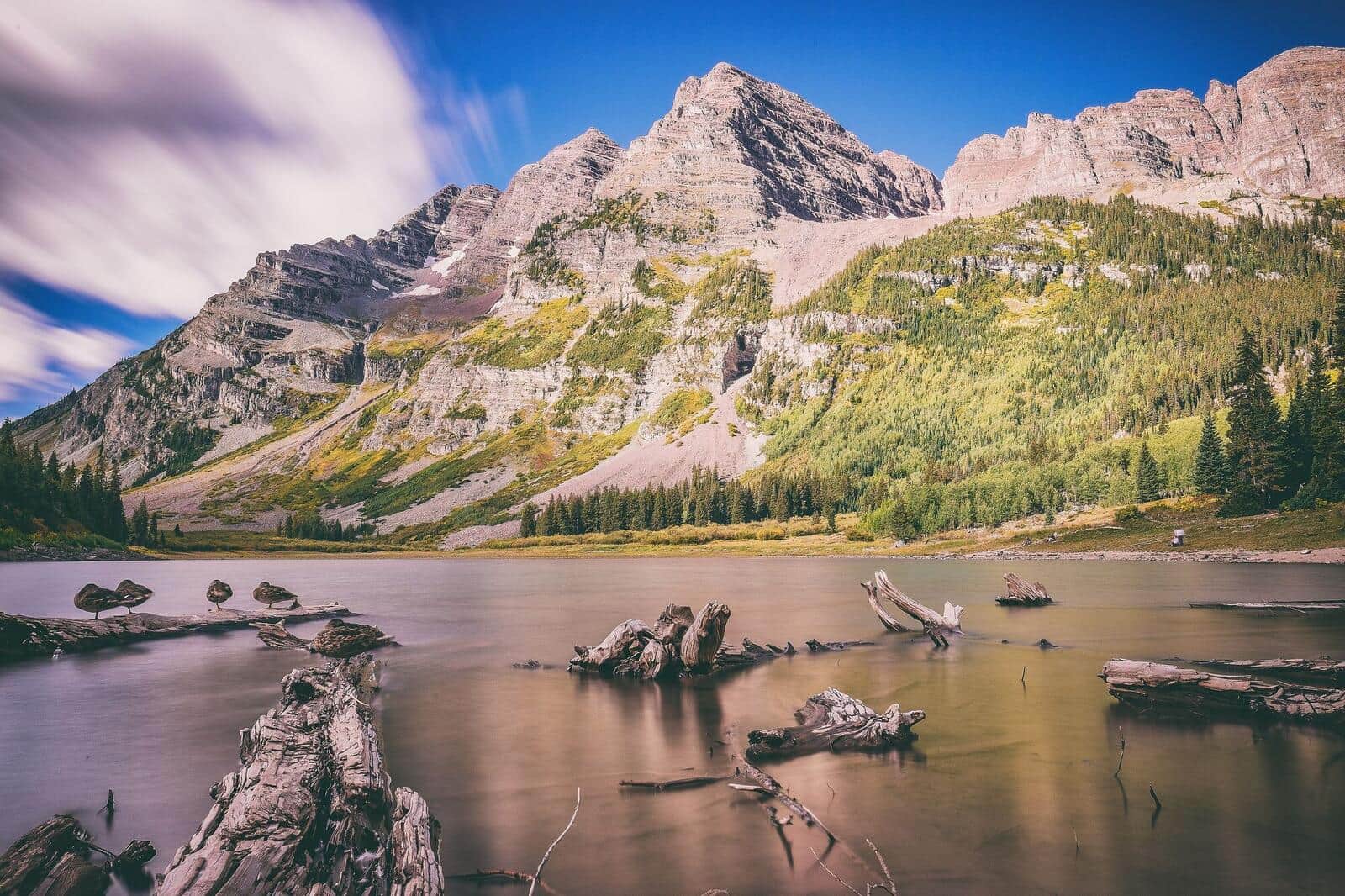
Crater Lake Trail
A challenging hike through aspen groves and alpine meadows to a pristine cirque lake surrounded by dramatic peaks in the Maroon Bells wilderness.
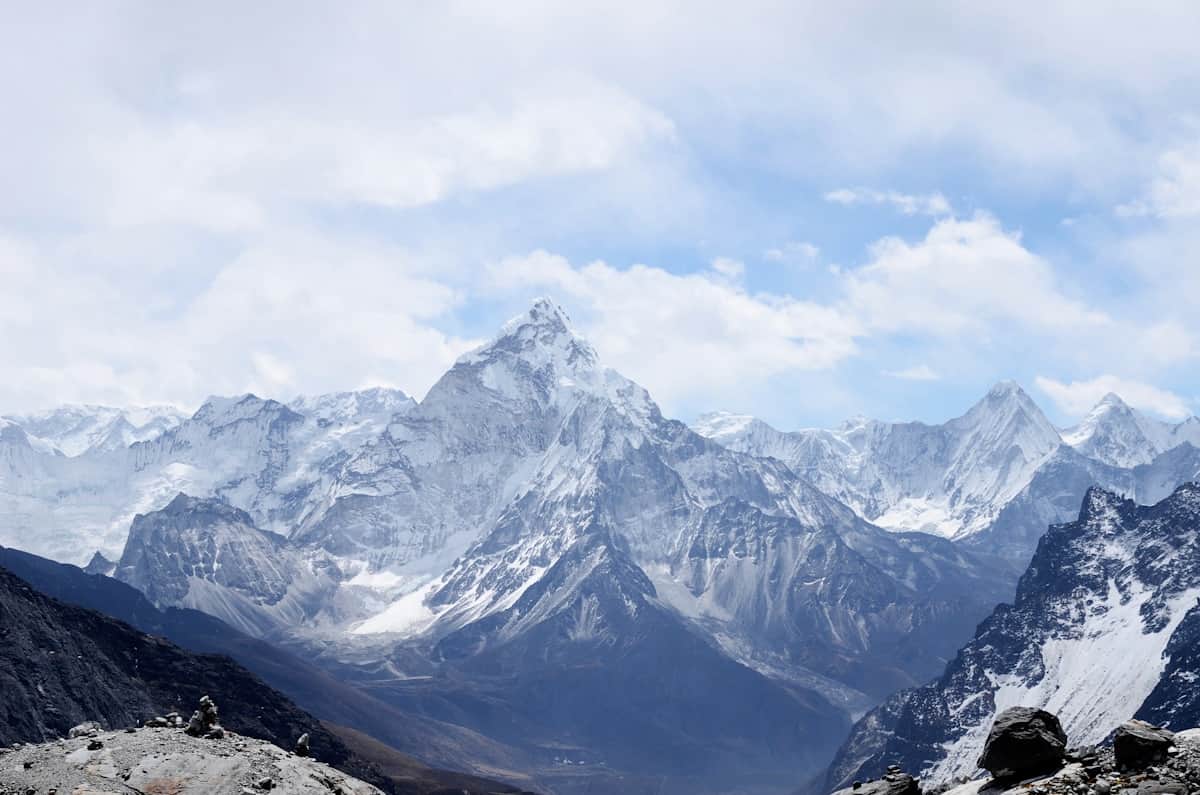
Maroon Lake Trail
An iconic easy loop around Colorado's most photographed peaks. The trail offers stunning reflections of the Maroon Bells in the alpine lake.
Hiking the Maroon Bells-Snowmass Wilderness: what to know
Maroon Lake, the postcard view, is 10 miles up Maroon Creek Road from Aspen. From mid-May through October the road is closed to most private vehicles after early morning, and access is by reservation only: either a shuttle ticket from Aspen Highlands or a parking reservation for arrival before 8 AM, both booked ahead. The Maroon Lake Scenic Trail is a flat mile around the lake. Crater Lake, 3.6 miles round trip with 500 feet of gain, gets you under the Bells themselves and is the right hike for most visitors. The Maroon Bells visitor guide covers the shuttle and the timing.
Beyond Crater Lake the wilderness turns serious. The Four Pass Loop crosses four 12,000-foot passes in 26 to 28 miles depending on the map, and Conundrum Hot Springs is a 17-mile round trip to a natural pool at 11,200 feet. Both require overnight permits from Recreation.gov, which sell out within minutes of release. Snowmass Lake and the Geneva Lake and Lead King Basin approaches from Marble fall under the same permit system.
The fourteeners here, the two Maroon Bells, Pyramid, Capitol, Snowmass, and Castle, are built of loose sedimentary rock and account for a disproportionate share of Colorado's climbing deaths. Only Castle Peak has a standard route below Class 3.
Season: Crater Lake opens by late June, the passes and lakes above 12,000 feet by mid-July, and the aspen color at Maroon Lake peaks in the last week of September, which is also the busiest week of the year. Afternoon storms are near daily in July and August.
14ers in the Maroon Bells-Snowmass Wilderness
7 Colorado fourteeners (peaks over 14,000 feet) stand in this range.