Maroon Bells: A Complete Guide to Colorado's Most Photographed Peaks
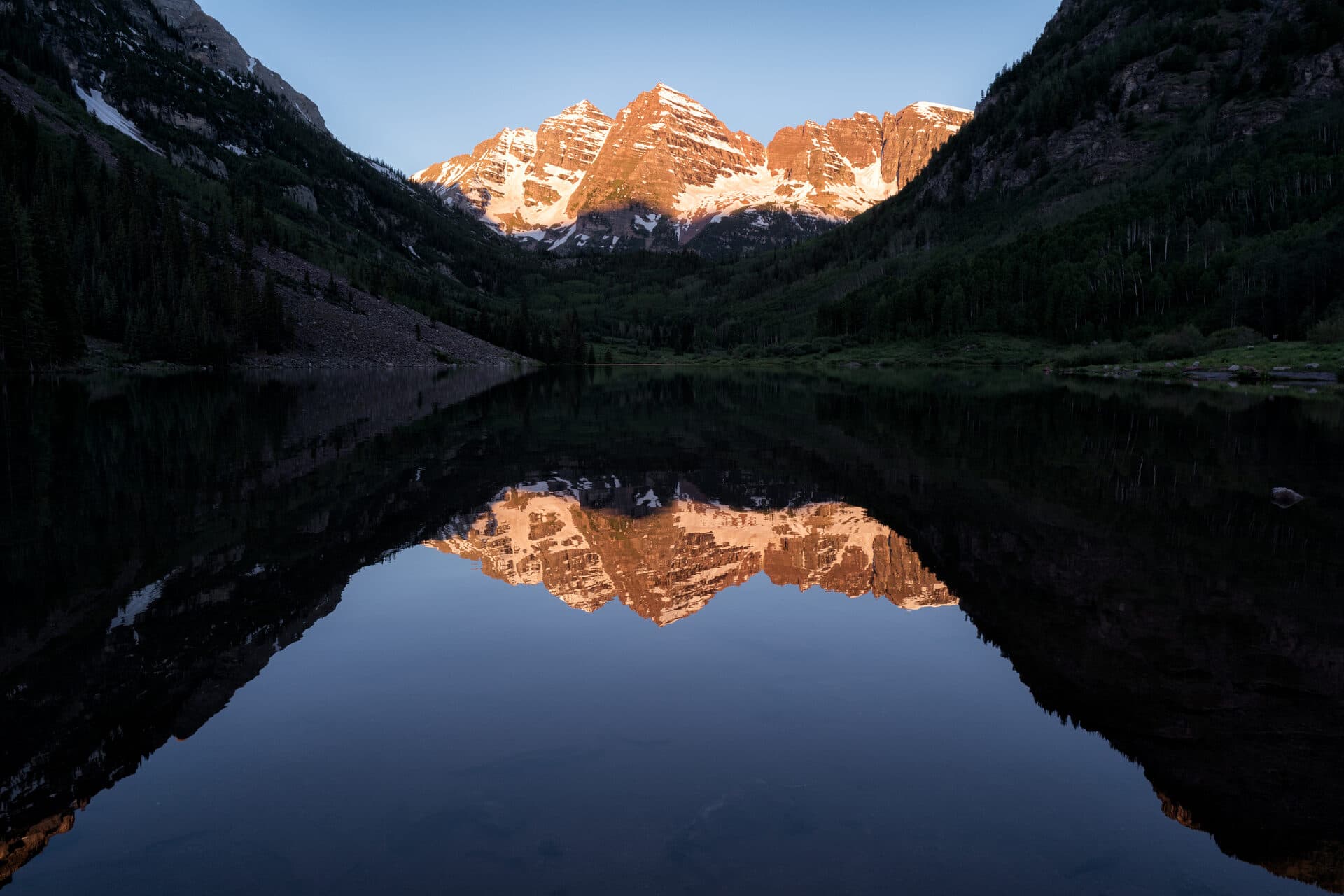
The Maroon Bells are two 14,000-foot peaks, Maroon Peak (14,163 ft) and North Maroon Peak (14,014 ft), standing behind Maroon Lake about 10 miles southwest of Aspen. The reddish, banded rock reflected in still water at sunrise makes this one of the most photographed mountain scenes in North America. You can see it in an hour or spend four days circling it on foot.
Most visitors come for the easy walk around Maroon Lake or the short hike up to Crater Lake. Backpackers come for the Four Pass Loop, one of the best multi-day trips in Colorado. This guide covers how to get there during the reservation season, which hike fits your time, and when the light and the aspens are at their best.
One thing to sort out before anything else: you almost certainly need a reservation to get to the trailhead in summer and fall. More on that below.
What You'll Learn
- Quick Facts
- Where Are the Maroon Bells?
- Getting There: Reservations, Shuttle, and Parking
- Three Ways to Experience the Bells
- Maroon Lake Scenic Loop
- The Crater Lake Hike
- The Four Pass Loop
- Why They're Called the Deadly Bells
- Best Time to Visit
- Visiting in Winter
- Altitude and Safety
- What to Pack
- Frequently Asked Questions
Quick Facts
Location: Maroon Bells-Snowmass Wilderness, White River National Forest, near Aspen
The peaks: Maroon Peak (14,163 ft) and North Maroon Peak (14,014 ft)
Maroon Lake elevation: 9,580 ft
Best-known hike: Maroon Lake to Crater Lake, 3.6 miles round trip
Reservations: Required in peak season for the shuttle or vehicle parking (visitmaroonbells.com)
Best fall color: Last week of September into early October
Dogs: Allowed on trails, leashed
Fee: Day-use and shuttle fees apply; amounts change yearly
Where Are the Maroon Bells?
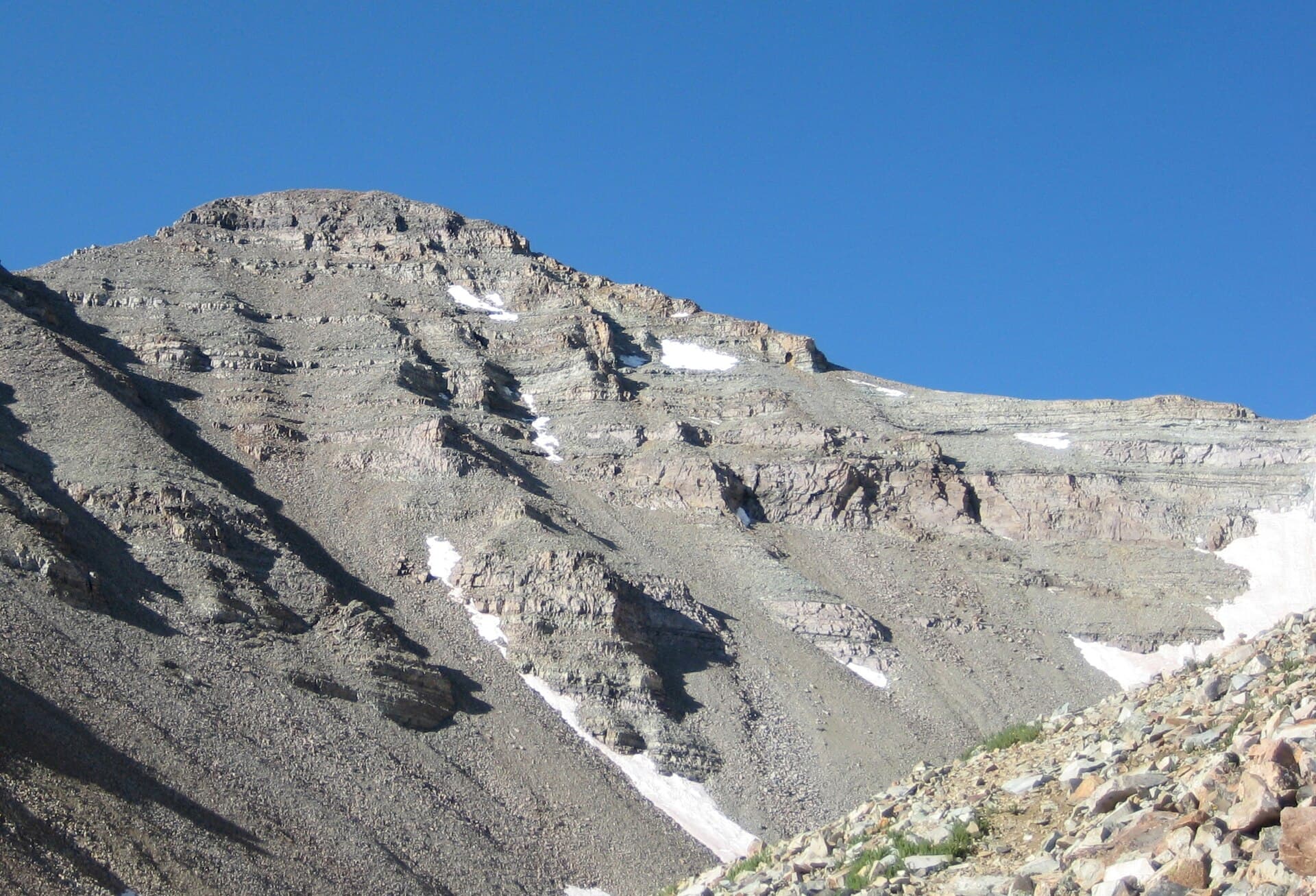
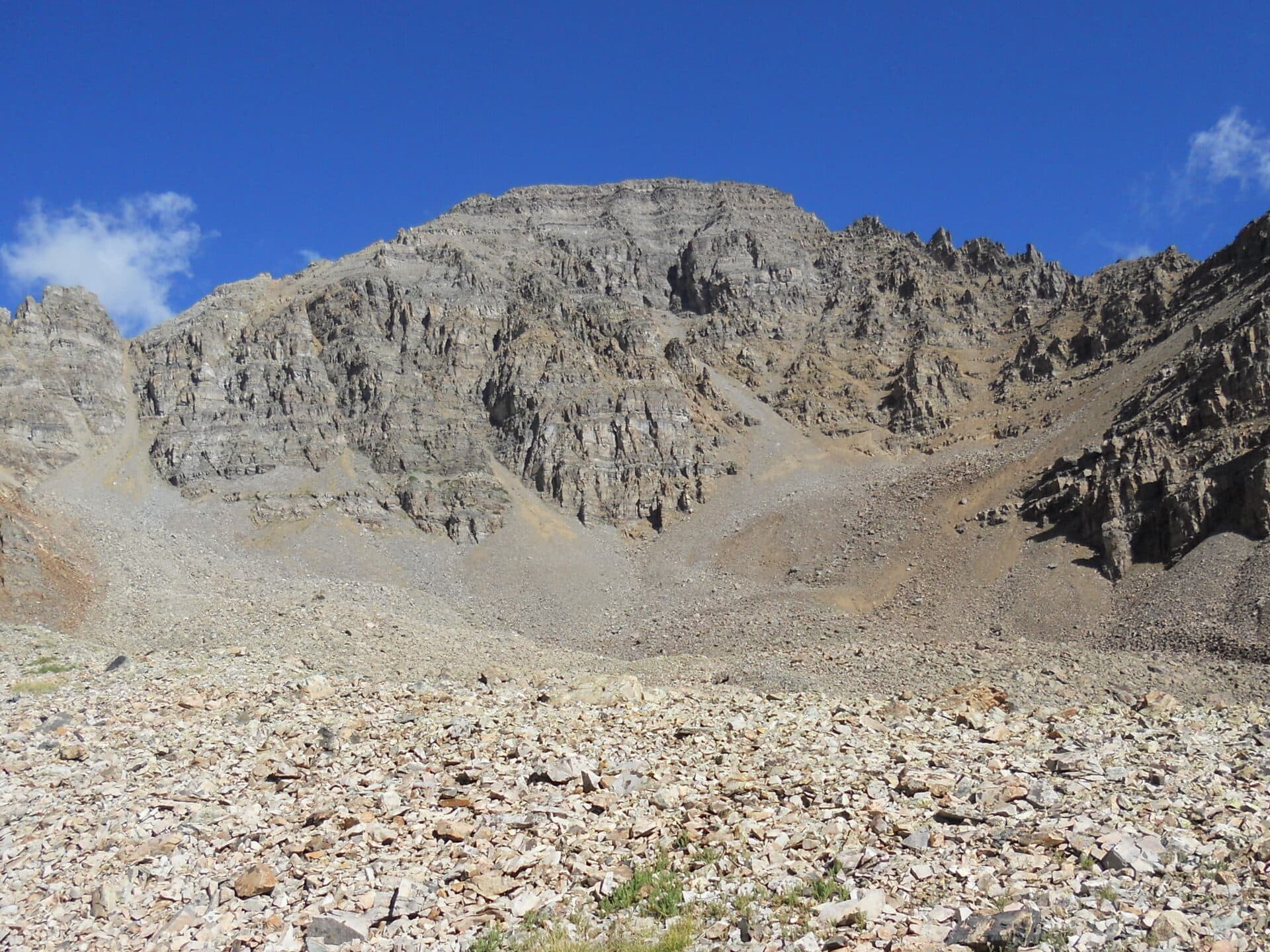
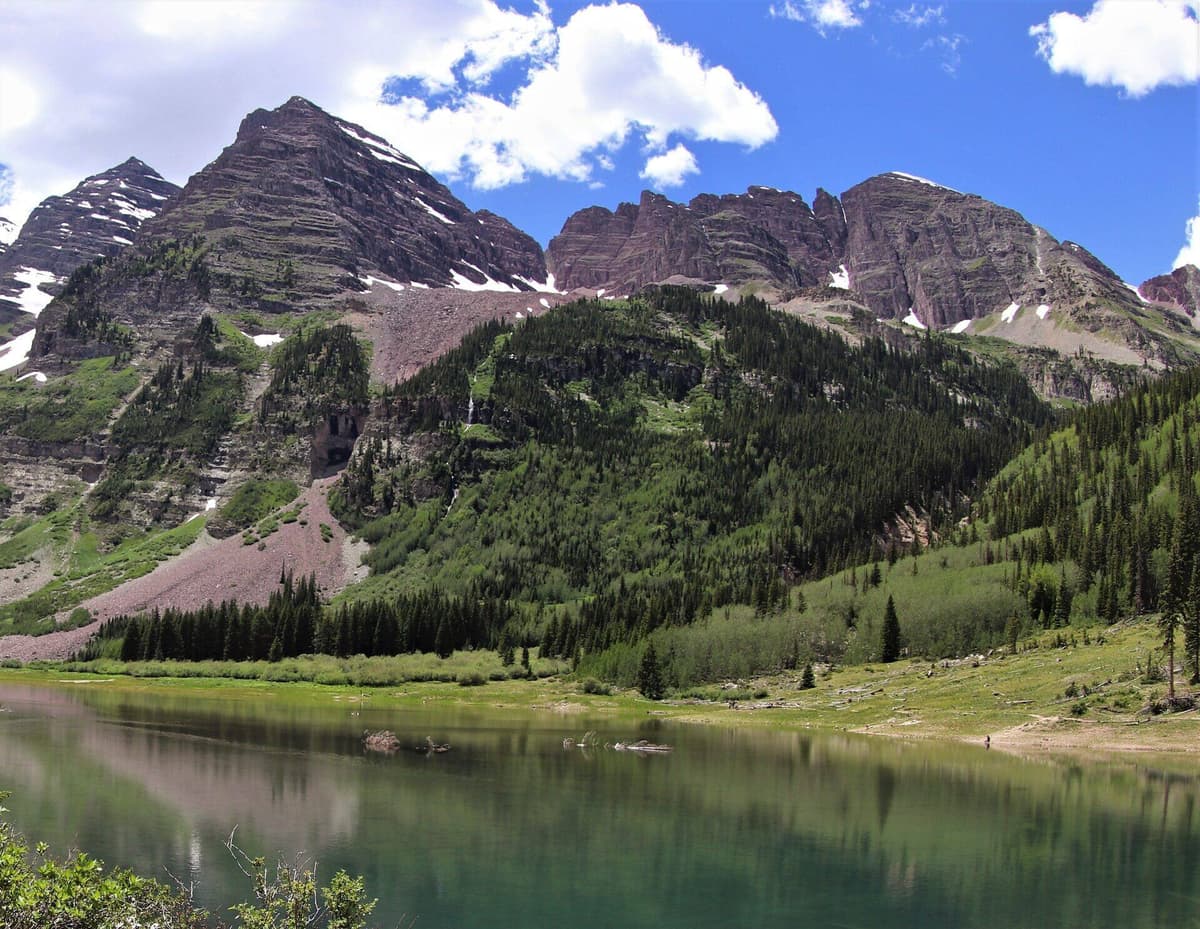
The Bells sit in the Elk Mountains, a rugged range southwest of Aspen. Unlike most Colorado 14ers, which are gray granite, these two peaks are made of Maroon Formation mudstone. Iron oxide in the rock gives it that deep red color, and thin horizontal bands run across the faces like the grain in weathered wood.
Maroon Lake sits at the base at 9,580 feet. On a calm morning the water goes glassy and mirrors both peaks, which is the shot you've seen on postcards and screensavers. The lake is an easy walk from the parking area, so you don't have to be a hiker to see the view that made this place famous.
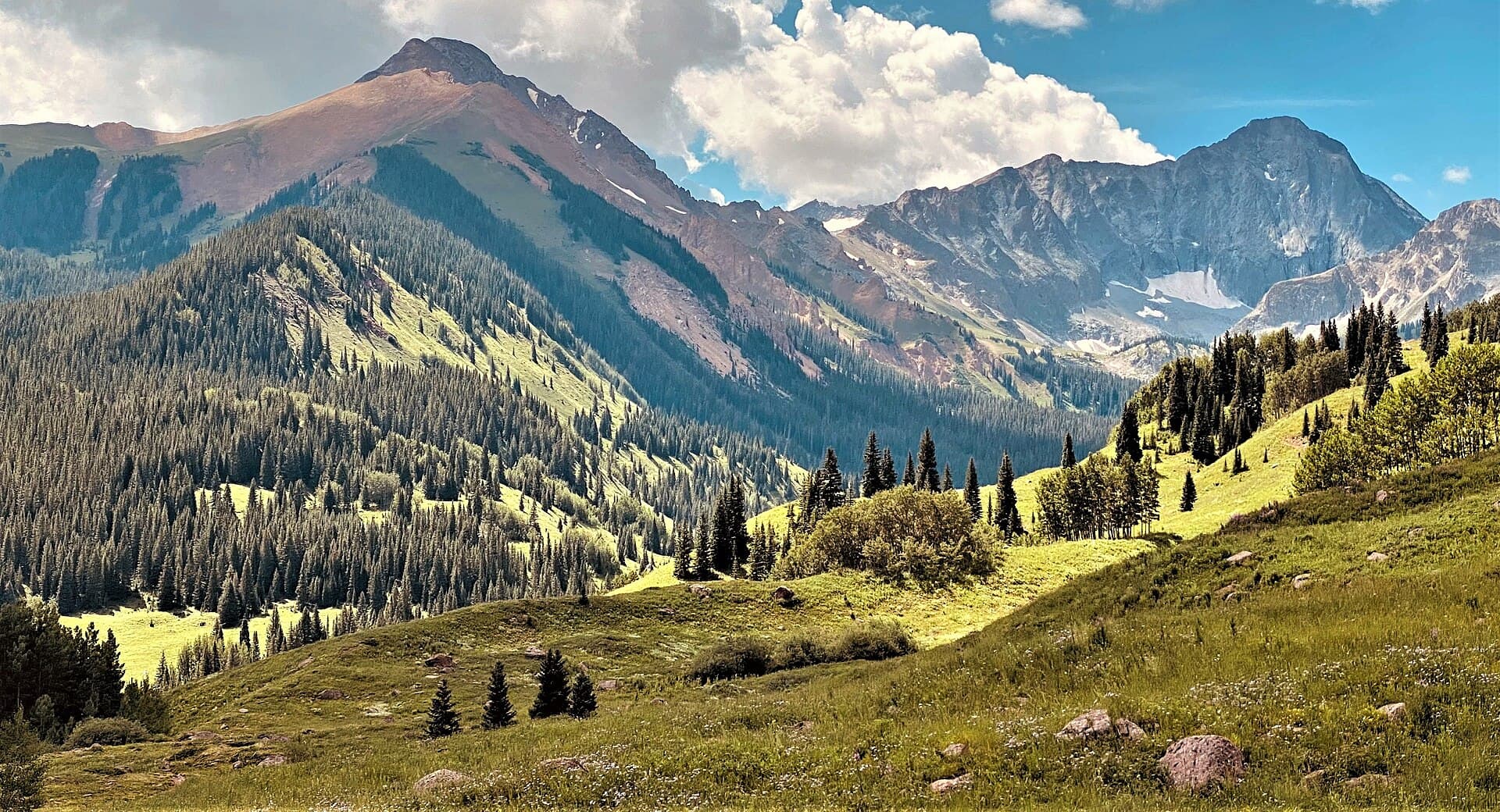
The whole area is protected as the Maroon Bells-Snowmass Wilderness. That means no bikes on the trails, no drones, and camping rules that get stricter every year as visitation climbs. If you want to see the region's other high country, our guide to hikes near Aspen covers nearby options that see a fraction of the crowds.
Getting There: Reservations, Shuttle, and Parking
Here's the part that trips people up. From late spring through fall, you can't just drive up Maroon Creek Road and park whenever you want. The Forest Service and the Roaring Fork Transportation Authority manage access to keep the small parking lot from overflowing.
During peak season, you have two ways in during daytime hours:
- Ride the shuttle from the Aspen Highlands parking area. Reserve a seat ahead of time. The bus runs frequently and drops you right at Maroon Lake.
- Reserve a vehicle parking spot at Maroon Lake for a set arrival window. These sell out fast, especially for sunrise and fall weekends.
Both reservations go through visitmaroonbells.com. Outside the managed hours (very early morning and evening), private cars can sometimes drive in and pay a day-use fee at the entrance, but the exact hours, prices, and rules shift every season. Check recreation.gov and the White River National Forest page for the current year before you go, and book as far ahead as you can for late September.
If you want the classic sunrise reflection, plan on a very early parking reservation or the first shuttle. The light on the peaks is best in the first hour after dawn, and the wind usually picks up by mid-morning and ripples the reflection away.
Three Ways to Experience the Bells
You don't need to be a backpacker to enjoy this place. Pick the option that matches your time and fitness.
| Hike | Distance | Elevation Gain | Difficulty | Time |
|---|---|---|---|---|
| Maroon Lake Scenic Loop | 1.6 mi | 100 ft | Easy | 30-45 min |
| Crater Lake out-and-back | 3.6 mi | 500 ft | Moderate | 2-3 hrs |
| Four Pass Loop | 26 mi | 7,800 ft | Hard (backpacking) | 3-4 days |
The scenic loop works for families, strollers on the paved sections, and anyone short on time. Crater Lake is the sweet spot for most visitors: a real hike with a big payoff and no technical terrain. The Four Pass Loop is a serious commitment for experienced backpackers only.
Maroon Lake Scenic Loop
This is the walk almost everyone does. A mostly flat one-mile loop circles Maroon Lake on gravel and boardwalk, with interpretive signs and constant views of the peaks. You'll gain about 60 feet total, so it's doable for most ages and abilities.
Go clockwise from the day-use area to reach the best reflection viewpoints first. Early morning gives you calm water and softer crowds; by 10 a.m. in summer the shoreline is busy. Watch for moose in the willows near the inlet. They're common here, and they're big, so keep your distance and never get between a cow and her calf.
If you only have an hour, this loop plus a coffee at the overlook is a fine way to see why the Bells earned their reputation.
The Crater Lake Hike
The hike to Crater Lake is the one to do if you can walk a few miles. It follows the Maroon-Snowmass Trail (Trail 1975) from the far end of Maroon Lake, climbing gently through aspen and spruce for 1.8 miles to a second lake tucked right under the peaks. Round trip is 3.6 miles with about 500 feet of gain.
Crater Lake sits at roughly 10,075 feet, directly below the Bells and Pyramid Peak. It's rockier and wilder than Maroon Lake, and the crowds thin out the farther you go. The trail is rooty and rocky in spots, so wear real shoes, not sandals. Trekking poles help on the loose descent.
From Crater Lake, the trail splits: West Maroon Trail heads toward West Maroon Pass and Crested Butte, and the other fork climbs toward Buckskin Pass. Day hikers usually turn around at the lake. Give yourself two to three hours round trip, plus time to sit and stare.
The Four Pass Loop
The Four Pass Loop is a bucket-list backpacking trip: roughly 26 miles over four passes, each near or above 12,000 feet. In order (going clockwise), you cross Buckskin Pass, Trail Rider Pass, Frigid Air Pass, and West Maroon Pass, with total climbing around 7,800 feet. Most people take three or four days.
This is a trip for prepared backpackers with altitude experience. You'll camp above 10,000 feet, cross snowfields into July some years, and face real afternoon storms on exposed passes. A few rules and realities to plan around:
- Bear-resistant canisters are required for overnight trips in this wilderness. Pack a bear canister that fits your food; rangers do check.
- Camp on durable surfaces and follow the posted no-camping zones near the lakes.
- Filter your water. Streams are frequent, so a lightweight water filter beats carrying liters up the passes.
- Start passes early. Aim to be over the high point before noon to avoid lightning.
Wildflowers peak in mid-to-late July, and that's also when the loop is busiest. The West Maroon Pass section doubles as the famous Aspen-to-Crested Butte wildflower hike, so expect company on that stretch.
Why They're Called the Deadly Bells
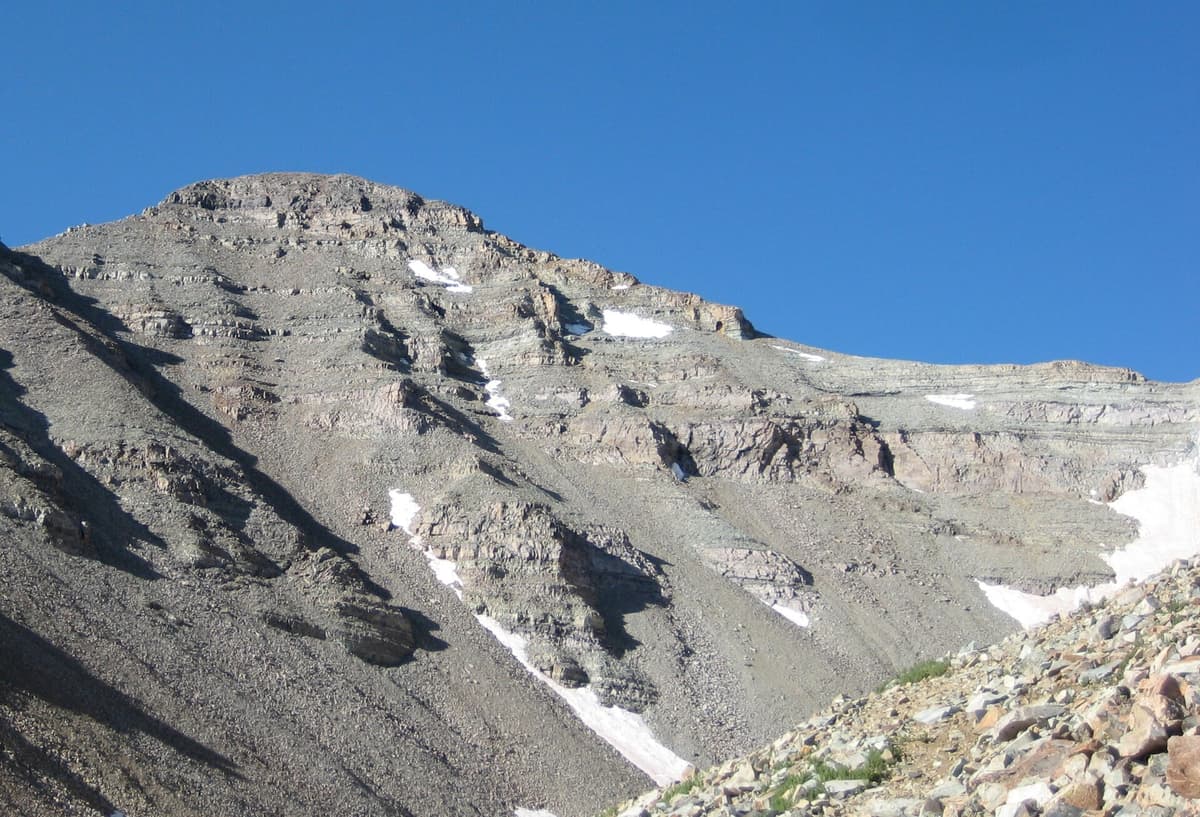
The Maroon Formation that gives the peaks their color also makes them dangerous to climb. The rock is loose, downsloping, and prone to breaking off in your hands. After eight people died in five separate accidents during the summer of 1965, the Forest Service posted a plaque at the trailhead calling them "The Deadly Bells" and warning that the rock is "downsloping, loose, rotten and unstable."
That warning still stands. Both summits are Class 3 and 4 scrambles with serious exposure and rockfall, and route-finding is tricky. These are not beginner 14ers. If you're building toward them, read the individual route notes for Maroon Peak and North Maroon Peak first, and get comfortable on easier peaks before you try either.
The traverse between North Maroon and South Maroon is one of Colorado's hardest classic ridge routes, a committing Class 5 line that belongs to experienced alpinists only. For everyone else, the peaks are best admired from the lake.
Best Time to Visit
Summer (June to early September): Trails are clear, the shuttle runs full schedules, and wildflowers fill the basins in July. Afternoons bring thunderstorms, so hike early.
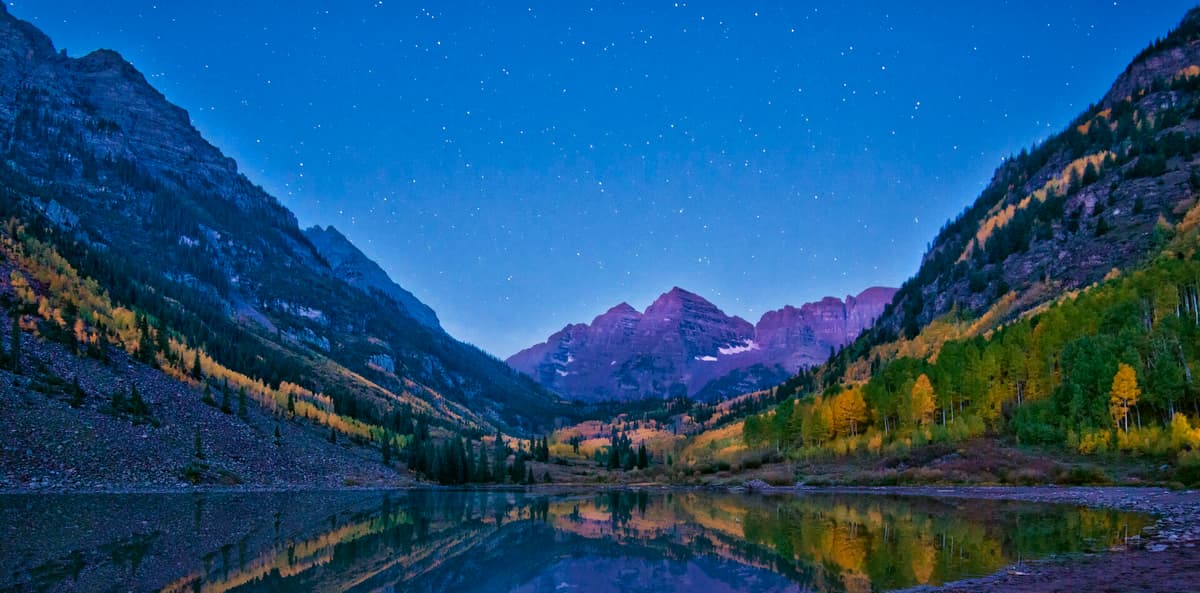
Fall (late September to early October): This is the headline season. The aspens surrounding Maroon Lake turn brilliant gold, usually peaking in the last week of September, and the color against the red peaks is stunning. It's also the most crowded time of year. Reservations for those weekends can book out weeks ahead, and sunrise slots go first.
Sunrise, any season: Come early. The peaks catch alpenglow, the water is calm, and the parking area is quieter. A headlamp lets you set up before first light.
Visiting in Winter
Maroon Creek Road closes to vehicles once the snow flies, usually by mid-November, and stays gated until late spring. That doesn't mean the Bells are off-limits. The closed road becomes a snow route, and you can snowshoe, cross-country ski, or fat-bike the roughly six miles from the winter gate to Maroon Lake.
It's a long day with real avalanche and cold-weather risk, so check conditions and go prepared. The reward is the same iconic view with almost no one around and the peaks dusted white. If you only want a taste, even the first mile or two of the road delivers big scenery. Traction matters on packed snow and ice, so bring microspikes at a minimum.
Altitude and Safety
Maroon Lake sits at 9,580 feet, and Crater Lake is higher. If you flew in from sea level yesterday, you'll feel it, especially on the climb to Crater Lake. Give yourself a day or two in Aspen or Denver first, drink more water than feels necessary, and slow your pace. Our guide to altitude sickness in Colorado covers the warning signs and what to do about them.
Beyond altitude, the usual mountain rules apply. Watch the sky and turn around before afternoon storms. Keep your distance from moose and bears. Stay on the trail to protect the fragile shoreline plants that dozens of photographers trample every morning. And carry the usual safety kit (map, extra layers, water, first aid, and a light) even on the short hikes, because weather at 10,000 feet changes fast.
What to Pack
Even for the Crater Lake day hike, bring more than you think you need:
- Layers. Mornings are cold, afternoons warm, and a packable rain jacket handles the daily storm.
- Water and a snack. Two liters for the day hike, plus a filter if you're going farther.
- Sun protection. The UV at this elevation is intense. Hat, sunglasses, and sunscreen.
- Real footwear. Trail runners or hiking shoes with grip, not flip-flops.
- Camera or phone with room to spare. You'll take more photos than you expect.
Backpackers on the Four Pass Loop need the full overnight kit plus that bear canister and a solid shelter for exposed camps.
Frequently Asked Questions
Do you need a reservation for the Maroon Bells?
Yes, during peak season you need a reservation for either the shuttle from Aspen Highlands or a vehicle parking spot at Maroon Lake, both booked at visitmaroonbells.com. Outside the managed daytime hours you may be able to drive in and pay a day-use fee, but rules and hours change every year, so check before you go.
How hard is the hike to Crater Lake?
It's moderate. The out-and-back is 3.6 miles with about 500 feet of gain on a rocky, rooty trail. Most reasonably fit hikers finish in two to three hours. The elevation near 10,000 feet is the main challenge for visitors coming from lower altitude.
When is the best time to see fall colors at the Maroon Bells?
The aspens usually peak in the last week of September into the first few days of October. That's also the most crowded stretch of the year, so reserve your shuttle or parking well ahead, and aim for a sunrise slot to beat the crowds.
Can you drive to the Maroon Bells?
Sometimes. During peak season, private vehicles are restricted during daytime hours and need a paid parking reservation. Early morning and evening driving is often allowed with a day-use fee. In winter the road is gated and closed to cars entirely.
Why are they called the Deadly Bells?
The peaks are built of loose, rotten sedimentary rock that breaks off easily and slopes downward, which makes climbing them hazardous. After eight climbers died in 1965, the Forest Service posted a warning sign nicknaming them "The Deadly Bells." The hiking trails around Maroon Lake and Crater Lake are perfectly safe; the danger is on the summit routes.
Plan Your Trip
The Maroon Bells reward almost any level of effort, from a 30-minute lake loop to a four-day backpacking circuit. Lock in your shuttle or parking reservation first, aim for sunrise or late September if you can, and give your body time to adjust to the altitude. When you're ready to explore the rest of the area, start with our roundup of the best hikes near Aspen.
Get the Colorado 14er Packing Checklist (free PDF)
Plus a weekly note on the best Colorado trails, gear deals, and seasonal hike picks. No spam, unsubscribe anytime.
We respect your inbox. Unsubscribe anytime.