Colorado Hiking Road Trip: 7-Day Itinerary (2026)
A week in Colorado can cover three mountain regions and four iconic hiking destinations if you plan the driving right. This itinerary takes you from Denver through Rocky Mountain National Park, over the Continental Divide to Aspen, south to Telluride and the San Juans, and back through Durango. The driving is meaningful (about 1,200 miles total) but each day puts you somewhere genuinely worth being.
The single most important thing: acclimatize before pushing into the high country. This itinerary builds altitude gradually. Denver to Estes Park to Aspen, so your body adapts. Skip the gradual ramp-up and you'll spend day 3 with a headache.
Day 1: Arrive Denver, Easy Acclimatization
Drive: Land in Denver (5,280 ft)
Hike: Mount Falcon Park (7.5 mi loop, 1,750 ft gain) OR North Table Mountain Loop (6.4 mi, 700 ft gain)
Land Denver by midday. Pick up your rental car (an SUV is ideal. You'll want clearance for some trailheads later in the trip). Stop at REI or any outfitter for last-minute gear. Hit the trail early afternoon for a moderate hike to start acclimatizing.
Mount Falcon Park is the right balance: enough effort to acclimatize, easy enough that you're not exhausted on day 1. It has the bonus of historic Walker Castle ruins at the top.
Where to stay: Lodging in Denver, Golden, or Boulder. Anywhere in the foothills puts you 1 hour closer to RMNP for day 2.
Where to eat: Snooze for breakfast tomorrow; tonight pick anywhere familiar. Save the splurge meals for later in the trip.
Day 2: Drive to Estes Park, Acclimatize at Altitude
Drive: Denver → Estes Park (90 minutes)
Hike: Emerald Lake Trail (3.6 mi RT, 650 ft gain) OR Lily Lake (1 mi RT, easy)
Morning drive to Estes Park via Highway 36 (the scenic route through Boulder). Aim for RMNP entry by 9 AM. You'll need an RMNP timed-entry reservation booked through recreation.gov 1-2 weeks ahead. Don't skip this.
Once in the park, head to Bear Lake Trailhead. Emerald Lake Trail is the iconic introductory RMNP hike: 3.2 miles round trip past Nymph and Dream Lakes to the iconic Emerald Lake. Crowded but worth the photos.
If you've got energy after Emerald Lake, do Lily Lake (1 mile easy loop) or the Cub Lake Trail (4.6 mi). If altitude is hitting you, return to the visitor center and rest.
Stay in Estes Park for the night. The town is touristy but functional. The Stanley Hotel is iconic and worth seeing (rooms are a splurge), Estes Park Resort and standard chains offer cheaper options.
Day 3: Bigger RMNP Day, then Drive to Granby
Drive: Estes Park → Granby via Trail Ridge Road (3 hours including stops)
Hike: Sky Pond from Glacier Gorge Trailhead (about 10 mi RT, 1,800 ft gain) OR Bierstadt Lake (2.8 mi RT, 600 ft gain)
Big RMNP day. Sky Pond is the area's signature long hike: 8.5 miles round trip past Alberta Falls, The Loch, Timberline Falls, and ending at Sky Pond beneath the Sharkstooth. Plan to start at 6:30-7 AM.
If you're worn out from day 2 or altitude is bothering you, downgrade to Bierstadt Lake (2.8 mi RT). A short but steep climb to a forested lake with Continental Divide views.
After the hike, drive Trail Ridge Road west over the Continental Divide. The highest paved through-road in North America, peaking at 12,183 feet at Rock Cut. Plan multiple stops: Alpine Visitor Center, Forest Canyon Overlook, Milner Pass.
End the day in Granby or Grand Lake on the west side of RMNP. Less touristy than Estes Park, more authentic.
Day 4: Drive to Aspen (the big driving day)
Drive: Granby → Aspen (4 hours via I-70 + Independence Pass)
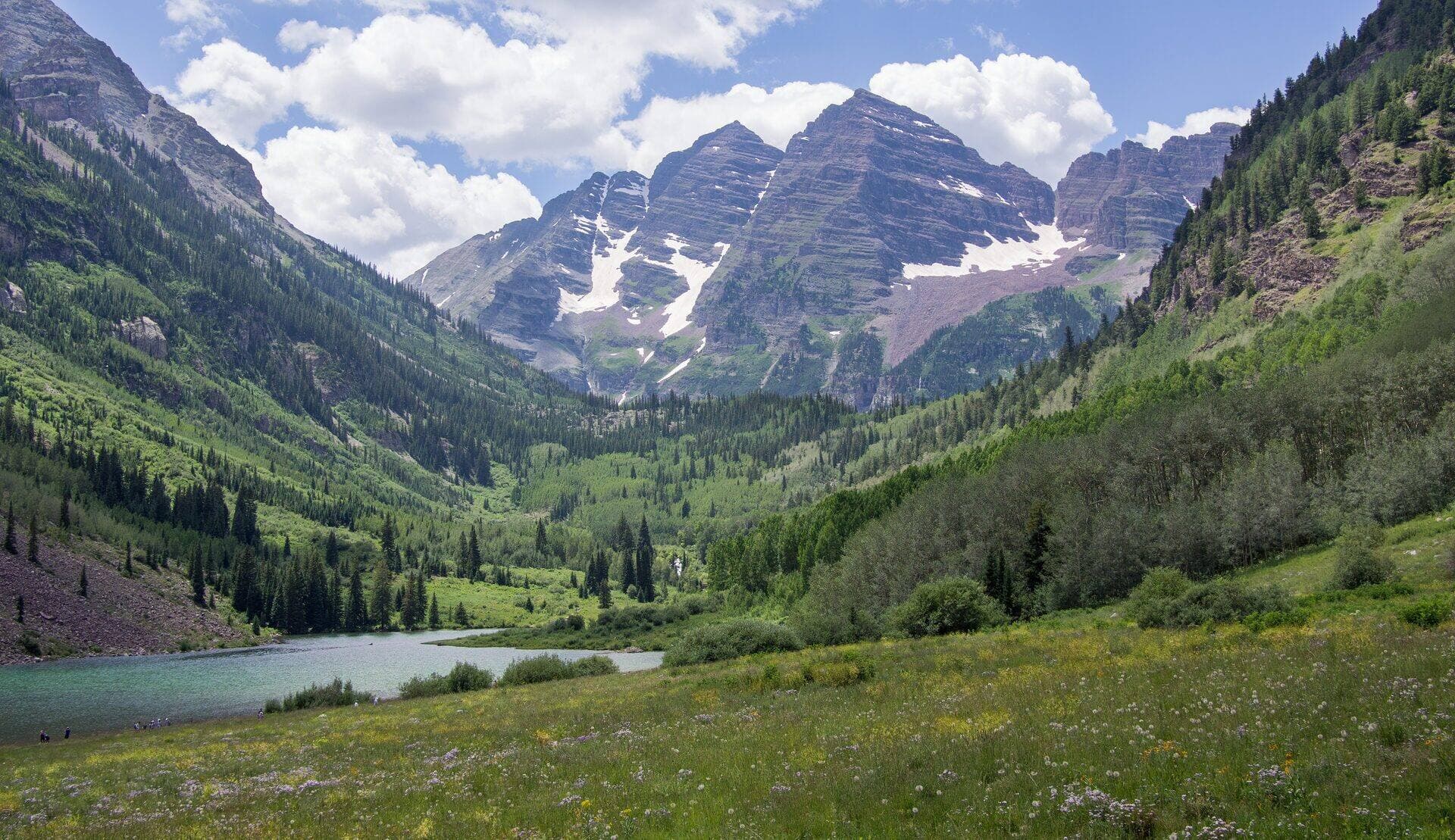
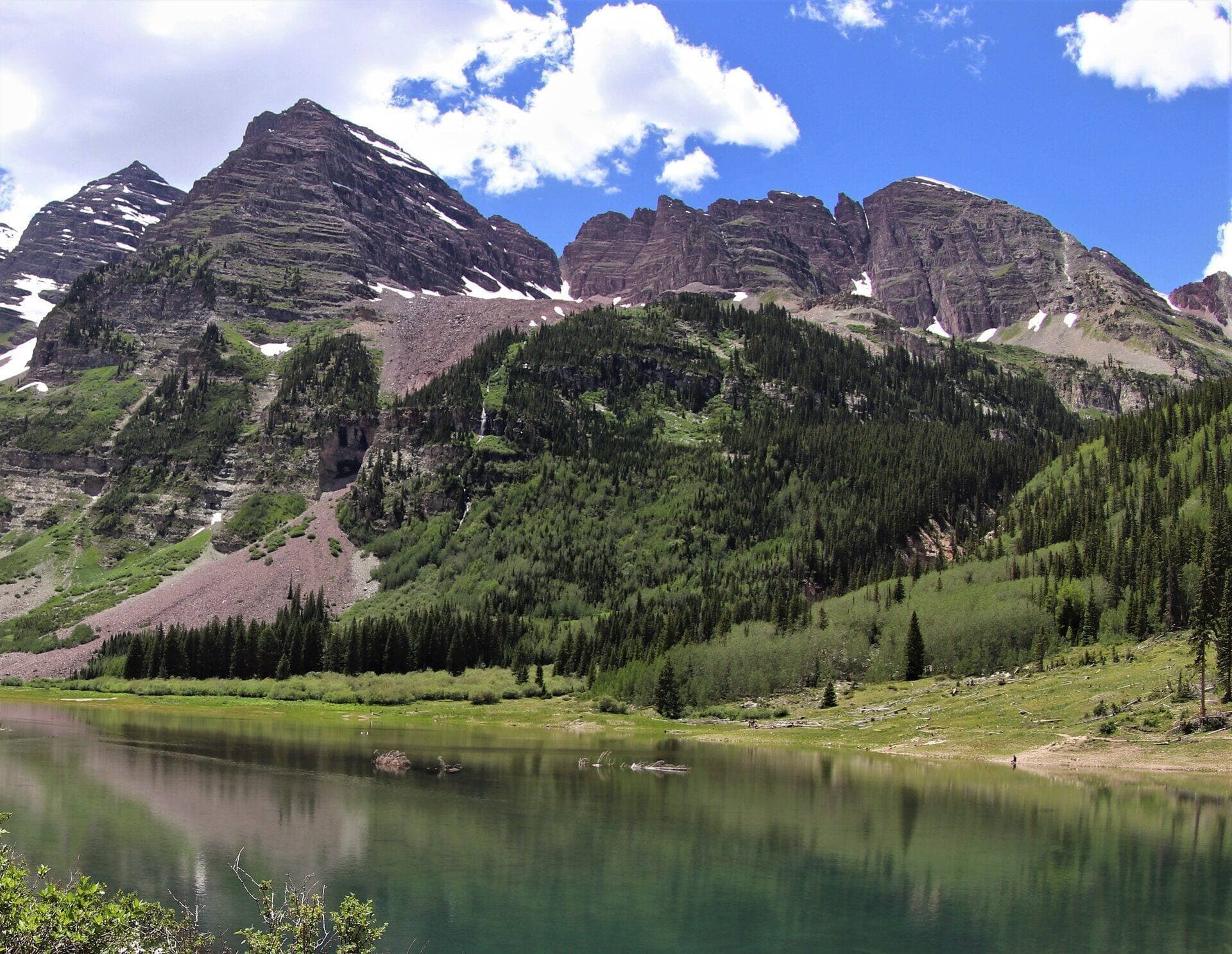
Hike: Maroon Bells (Maroon Lake Scenic Loop, 1.6 mi or Crater Lake 3.6 mi)
The longest driving day. Take I-70 east to Glenwood Springs, then south to Aspen on Highway 82. If Independence Pass is open (summer only), the alternative direct route via Twin Lakes is dramatic but slow.
Plan to arrive in Aspen by mid-afternoon. Check in, take a walk around downtown, then head to Maroon Bells late afternoon if you're up for it. The Maroon Bells parking system requires reservations through visitmaroonbells.com, but late-afternoon shuttle slots (after 4 PM) are sometimes available day-of.
If energy is low or it's late, save Maroon Bells for tomorrow morning.
Where to stay: Aspen lodging is expensive. Snowmass Village (15 minutes away) and Basalt (20 minutes away) are cheaper alternatives. Camping at Maroon Lake Campground requires reservations through recreation.gov.
Where to eat: Big Wrap for fast lunch, Pyramid Bistro for casual dinner, Element 47 if you're splurging.
Day 5: Aspen Day 2
Drive: Around Aspen (minimal)
Hike: Cathedral Lake (5.6 mi RT, 2,000 ft gain) OR Maroon Bells if you didn't do it yesterday
Cathedral Lake is the local favorite that doesn't require reservations. The trailhead is at the end of Castle Creek Road, 14 miles south of Aspen. 5.6 miles round trip with 2,000 feet of gain to a 12,000-foot lake under Cathedral Peak.
Start by 7 AM (parking fills, weather builds in afternoon). Plan 4-5 hours total. The climb is hard. This is your highest-effort day.
If you did Maroon Bells last night, this is the right day for Cathedral. If you saved Maroon Bells for this morning, save Cathedral for next time (or push to day 6).
Stay in Aspen another night. Recovery dinner: Steakhouse No. 316 or Pinons.
Day 6: Drive to Telluride, Light Hike
Drive: Aspen → Telluride (4 hours, via Highway 82 + Highway 50 + Highway 145)
Hike: Bear Creek Falls (5 mi RT, 1,000 ft gain)
Aspen to Telluride goes via Glenwood Springs (north), then Montrose and Ridgway (south). It's a real driving day. Plan to leave Aspen by 7 AM to arrive Telluride by midday.
Once in Telluride, check in and walk Main Street to acclimatize (Telluride is at 8,750 feet, similar to Aspen). Mid-afternoon, hike Bear Creek Falls, accessible from town, manageable on tired legs, beautiful in late-day light.
Where to stay: Telluride proper or Mountain Village. Both are connected by free gondola.
Where to eat: Brown Dog Pizza for casual, 221 South Oak for fine dining.
Day 7: Bridal Veil Falls + Drive to Durango
Drive: Telluride → Durango (2.5 hours via Highway 145 + Highway 550)
Hike: Bridal Veil Falls (2.8 mi RT, 1,200 ft gain)
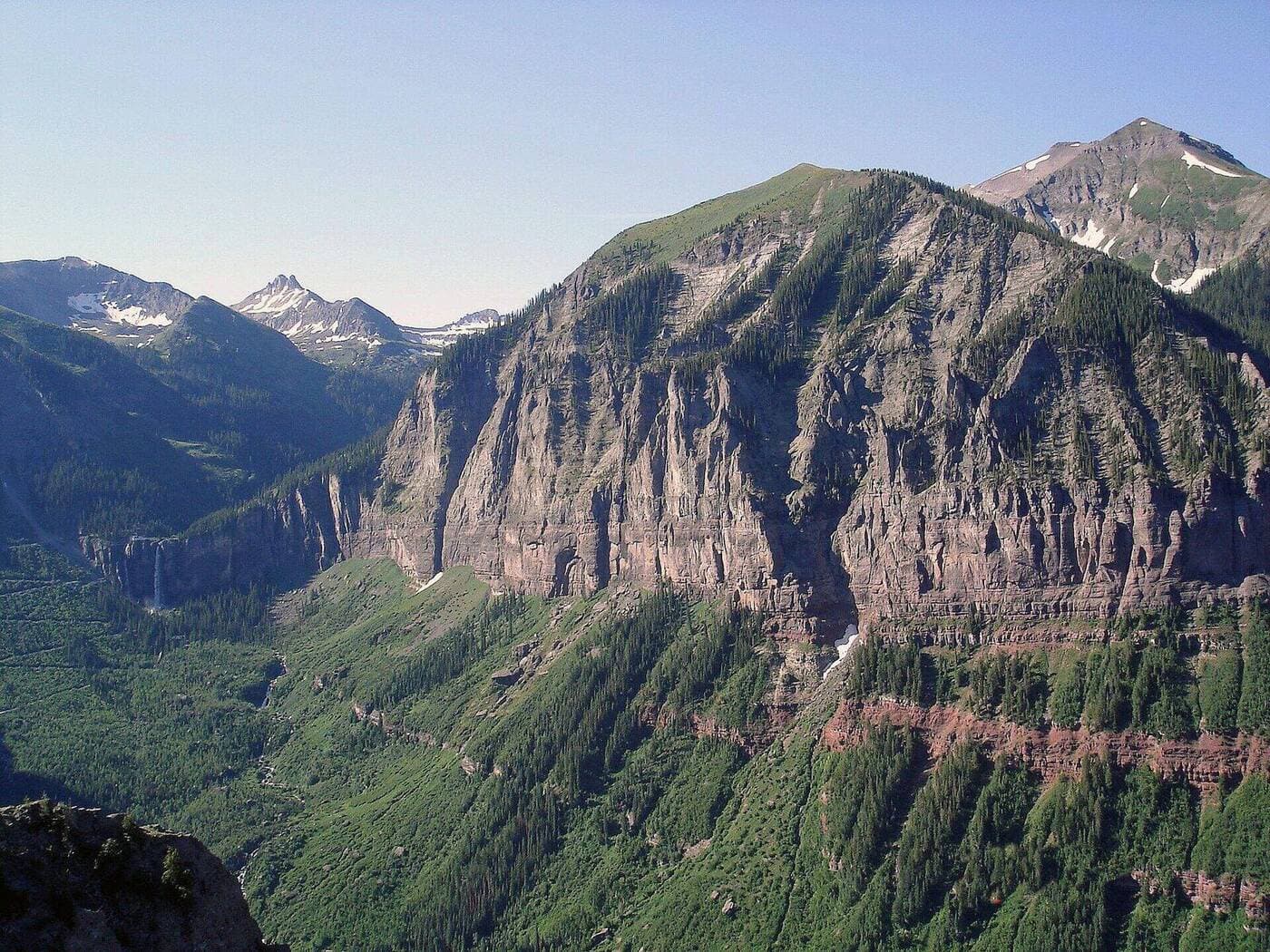
Morning hike to Bridal Veil Falls. Colorado's tallest free-falling waterfall at 365 feet. Walking distance from Telluride. Plan 2-3 hours.
After the hike, lunch in Telluride, then drive south on Highway 550 (the Million Dollar Highway) to Durango. The drive itself is one of the most scenic in Colorado. Stop at Andrews Lake (10 minutes) and Ice Lake Basin Trailhead area on the way.
Arrive Durango late afternoon. If you have time and energy:
- Walk the Animas River Trail (paved, easy)
- Animas Overlook Trail for views back to town
- Dinner downtown
Where to stay: Durango Hotel, Strater Hotel (historic), or any downtown chain.
Where to eat: Steamworks Brewing (casual), Mahogany Grill (mid-range), Ore House (steakhouse).
Day 8 (Optional): Add a day to fly out from Durango, or drive back to Denver
If your itinerary allows an 8th day, fly out from Durango (DRO) directly or do one more San Juan classic:
- Ice Lake Basin (7 mi RT, 2,400 ft gain), premier alpine basin
- Andrews Lake (1 mi easy). Quick roadside walk
- Cascade Falls (0.6 mi easy). Ouray, on the drive back north
If you must drive back to Denver, plan 6-7 hours via Highway 550 + I-70.
Logistics Summary
Total driving: ~1,200 miles over 7 days (or 600 miles if flying out of Durango on day 8)
Lodging strategy: Book Estes Park, Aspen, and Telluride a month or more ahead in summer. Granby/Grand Lake and Durango are easier. Camping is available at most stops but reservations through recreation.gov go quickly.
Permit calendar:
- RMNP timed-entry: book 1-2 weeks ahead (recreation.gov)
- Maroon Bells parking/shuttle: book 1-2 weeks ahead (visitmaroonbells.com)
- All other trails: no reservations needed
What to pack: Hiking boots, trekking poles, rain jacket, light puffy, headlamp, water bottles/bladder, sunscreen + lip balm, first aid kit, maps downloaded offline (Gaia GPS or AllTrails Pro), insulated water bottle.
Altitude: Sleep low when possible. Avoid drinking alcohol the first 48 hours. Drink 3-4 liters of water daily. Read our altitude sickness guide.
When to do this trip: Late June through mid-September. July is peak season; September is the sweet spot for fall colors but unpredictable weather.
Modifications:
- Shorten to 5 days by skipping Telluride (Aspen → Durango directly)
- Add Great Sand Dunes between Aspen and Durango if you have an 8th day
- Add Crested Butte (between Aspen and Telluride) if it's wildflower peak
For region-specific deep dives:
All 58 Colorado 14ers are ranked on our Colorado 14ers hub.
Get the Colorado 14er Packing Checklist (free PDF)
Plus a weekly note on the best Colorado trails, gear deals, and seasonal hike picks. No spam, unsubscribe anytime.
We respect your inbox. Unsubscribe anytime.