7 Best Rain Jackets for Colorado Hiking in 2026
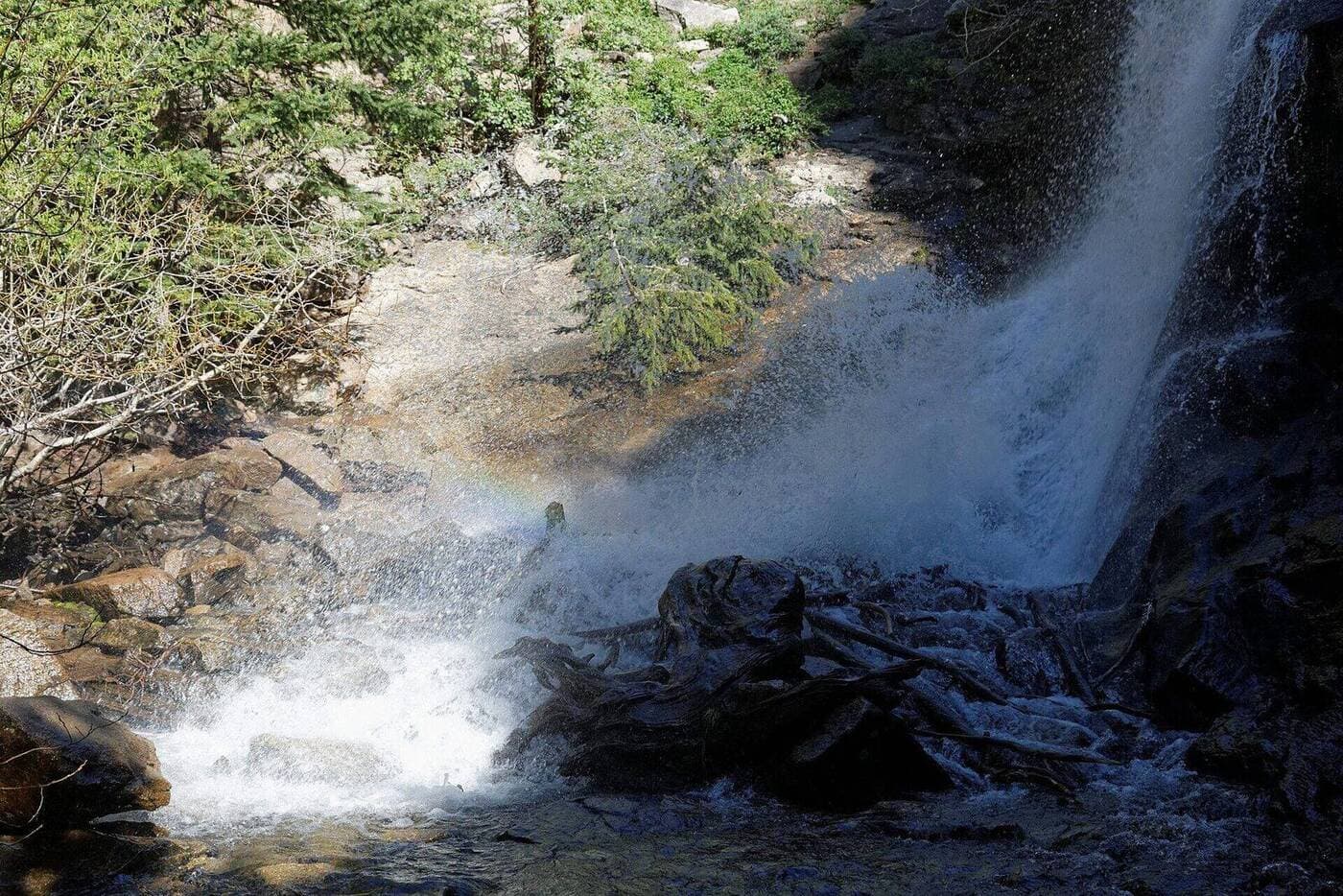
Colorado's monsoon season is one of the most reliable weather patterns in North America. From early July through mid-September, afternoon thunderstorms build over the high country with metronome regularity, usually arriving between 1 and 3 PM, dropping rain and hail for 20 to 60 minutes, and clearing as fast as they came. A rain jacket isn't optional gear in this state. It's the piece of equipment that decides whether your day above treeline ends with a wet hike out or a hypothermia evacuation.
The good news: rain jackets have gotten dramatically lighter, more breathable, and more reasonably priced in the last few years. The seven jackets below cover everything from sub-7-ounce ultralight shells for fastpacking to full-feature mountaineering pieces that will outlast a decade of Colorado weather.
Quick pick — rain jackets for Colorado hiking
| Product | Best for | Price | Weight | Spec | |
|---|---|---|---|---|---|
Outdoor Research Helium Our pickLightest waterproof jacket worth owning | All-around 3-season packable | $185 | 6.3 oz | 2.5L Pertex Shield, fully taped | Check price → |
Patagonia Torrentshell 3L | Heavy use, durability | $180 | 13.5 oz | 3L H2No membrane, pit zips | Check price → |
REI Co-op Rainier | Budget pick | $100 | 12.4 oz | 2.5L Peak proprietary | Check price → |
Arc'teryx Beta LT | Premium / lifetime piece | $450 | 11.6 oz | Gore-Tex Pro, helmet hood | Check price → |
Prices and availability change. As an Amazon Associate, we earn from qualifying purchases.
What You'll Learn
- What Makes a Good Rain Jacket for Colorado?
- Best Overall: Outdoor Research Helium
- Best Heavy-Duty: Patagonia Torrentshell 3L
- Best Budget: REI Co-op Rainier
- Best Premium: Arc'teryx Beta LT
- Best for Backpacking: Montbell Versalite
- Best for Trail Running: Black Diamond Distance Wind Shell
- Best for Women: Patagonia Houdini
What Makes a Good Rain Jacket for Colorado?
Three things separate a Colorado-worthy rain jacket from a $40 hardware-store special:
Real waterproofness. Look for a hydrostatic head rating of 10,000 mm or higher (sometimes labeled "10K"). That's the lab metric for how much water column pressure the fabric resists before leaking. Cheaper jackets at 5,000 mm shed mist and brief drizzle but soak through in a real Colorado monsoon downpour. Most reputable backcountry-class jackets hit 20K-30K.
Breathability. Waterproof fabrics work by being one-way membranes. They keep liquid water out while letting vapor pass through. The catch is that hard exertion (climbing a 14er, hauling a heavy pack uphill) generates sweat faster than even the best membrane can transmit it. Pit zips, mesh-lined back panels, and 2.5-layer or 3-layer construction all help. Avoid PU-coated nylon (the cheap waterproof material in $40 jackets). It's effectively a sweat bag.
Lightweight + packable. A jacket that lives in your pack is a jacket you'll actually carry. The 6-13 ounce range is where the good stuff lives. Above 16 ounces you're carrying a piece of gear that's overkill for most Colorado day hikes.
You don't need waterproof zippers (they add weight without adding waterproofness in real conditions. The fabric does the work). You don't need DWR-rated 100D face fabrics for typical hiking. You don't need helmet-compatible hoods unless you climb. Most marketing features are noise; the three above are what matters.
Best Overall: Outdoor Research Helium
The Outdoor Research Helium is the jacket I'd recommend to anyone hiking Colorado who doesn't already own a rain shell. The updated 2026 Helium UL drops to about 5.7 ounces with a 2.75-layer Dermizax membrane, it packs into one of its own pockets to the size of a softball, and the 20K waterproof rating handles real Colorado monsoon storms without leaking on a 90-minute afternoon thunderstorm.
The trade-off versus the heavier 3-layer jackets is durability. The face fabric is thin enough that you'll wear through the elbows or shoulders after 100+ days of hard pack-strap abrasion. For most Colorado hikers, that's still 4-7 years of use. For thru-hikers covering 30 miles a day with a heavy pack, get the Torrentshell instead.
The hood is adjustable but not helmet-compatible. The pit zips are real (a few competitors at this weight skip them, which is a deal-breaker on a sweaty 14er climb). Cuffs are simple elastic; pockets are minimal.
Best for: Day hiking, fast-and-light overnighters, anyone who wants one rain jacket for the next 5 years.
Weight: about 5.7 oz (Helium UL). Waterproof rating: 20K.
Best Heavy-Duty: Patagonia Torrentshell 3L
If you hike year-round, hit Colorado in shoulder season when storms can last hours, or carry a heavy pack that wears through ultralight fabrics quickly, the Patagonia Torrentshell 3L is the jacket. It uses Patagonia's H2No 3-layer membrane with a 30K rating, a tougher 50-denier nylon face fabric, and real pit zips. The hood is adjustable in three directions and stays put in wind without obstructing peripheral vision.
At about 14 ounces it's more than twice the weight of the Helium. But it'll handle 600+ days of hard use without showing wear, the construction is bombproof at high stress points, and Patagonia's Worn Wear repair program will fix it for cheap when something eventually fails.
Best for: Heavy users, backpackers, shoulder-season Colorado.
Weight: 14.1 oz (men's). Waterproof rating: Patagonia H2No 3L.
Best Budget: REI Co-op Rainier
For new hikers who don't want to spend $180+ on a first rain jacket, the REI Co-op Rainier is genuinely good gear at $100. The 2.5-layer Peak proprietary membrane is real waterproofing (not PU-coated nylon), the fit is roomy enough for a fleece layer underneath, and the pit zips work.
It's heavier than the premium options at 12.4 ounces, the face fabric isn't as durable, and the hood is functional rather than refined. But it'll keep you dry through a thousand Colorado afternoon storms, and the warranty is REI's standard 1-year satisfaction guarantee.
Best for: Beginners, occasional hikers, anyone testing whether they like backpacking before investing in premium gear.
Weight: 12.4 oz. Waterproof rating: 10K.
Best Premium: Arc'teryx Beta LT
If you want a rain jacket that will still be your best piece of gear in 2036, buy the Arc'teryx Beta. It uses standard 3L Gore-Tex (the Beta lineup moved away from Gore-Tex Pro for this tier) wrapped in a 40-denier face fabric with reinforced wear zones. The hood is helmet-compatible and adjusts beautifully. The cut is articulated for climbing motion without binding. Build quality is genuinely heirloom-grade.
At $450 it's not cheap. But Arc'teryx pieces routinely last 15-20 years of hard use, and the waterproof performance after 10 years is better than most new jackets at half the price. If you can stomach the upfront cost, the per-year cost is competitive.
Best for: Climbers, mountaineers, anyone who wants their last rain jacket purchase to be their last.
Weight: about 13.8 oz (men's medium). Waterproof rating: 3L Gore-Tex.
Best for Backpacking: Montbell Versalite
The Montbell Versalite is the backpacker's secret weapon. At 6.4 ounces with a full feature set. Pit zips, adjustable hood, real waterproof membrane, it competes with the Helium on weight while offering a more durable face fabric (15-denier Ballistic Airlight nylon). Made in Japan with the obsessive attention Montbell brings to all their gear, the construction is on par with much heavier jackets.
The fit runs slim. Size up if you're between sizes or plan to layer a thick fleece underneath. The hood is excellent.
Best for: Multi-day Colorado backpacking, the Colorado Trail, fast and ultralight setups.
Weight: 6.4 oz.
Best for Trail Running: Black Diamond Distance Wind Shell
For trail runners and fast-packers who deal with light rain more than monsoons, the Black Diamond Distance Wind Shell is a different category, water-resistant, not waterproof, but it's the right piece for high-output efforts in 30-60 minute showers. At 3 ounces it disappears in a vest pocket.
This isn't your monsoon jacket. It's the jacket you grab for an evening trail run when there's a 30% chance of rain. For dedicated rain hiking, use one of the waterproof options above.
Best for: Trail running, alpine starts, fast-and-light objectives.
Weight: 3.0 oz.
Best for Women: Patagonia Houdini
The Patagonia Houdini is sized and cut specifically for female bodies and is the lightest jacket Patagonia makes that still offers genuine weather protection. At 3.7 ounces it lives in a hip pocket. The fabric is technically water-resistant rather than waterproof, but it sheds Colorado afternoon showers fine for 30-60 minutes.
For longer storms or proper backcountry use, choose one of the waterproof options above in a women's cut. The Helium, Torrentshell, and Beta LT all come in women's sizing with comparable performance.
Best for: Women hikers who want a packable wind/rain layer for shorter exposures.
Weight: 3.7 oz.
How to Use a Rain Jacket in Colorado
A rain jacket isn't gear you wait to put on until you're already wet. The standard Colorado mistake is hiking through the first 15 minutes of a storm hoping it will pass, by which point your base layer is soaked and the jacket can only trap cold wet fabric against your skin.
The rule: at the first drops of rain or distant thunder, stop, put the jacket on, and keep moving. If you're sweating, vent the pit zips. If you're cold, layer a light fleece underneath. The jacket is most effective in the first minute of a storm and least effective once you're already wet.
Above treeline during an active thunderstorm, descend immediately if you hear thunder less than 30 seconds after a flash. Rain jackets don't help when lightning is the threat. Below treeline, the rain jacket buys you the ability to keep moving instead of huddling under a tree.
Final Picks
Buy the Outdoor Research Helium if you want one jacket for the next 5-7 years of Colorado hiking.
Buy the Patagonia Torrentshell 3L if you'll log 80+ hiking days per year or routinely carry a heavy pack.
Buy the REI Co-op Rainier if you're new to hiking and want real performance without the premium price.
Pair your rain jacket with a packable down puffy and a reliable headlamp. Those three pieces plus solid boots are the bedrock of any Colorado hiking kit.
Get the Colorado 14er Packing Checklist (free PDF)
Plus a weekly note on the best Colorado trails, gear deals, and seasonal hike picks. No spam, unsubscribe anytime.
We respect your inbox. Unsubscribe anytime.