3 Days in Aspen: The Hiking Itinerary (2026)
Aspen has more world-class hiking per square mile than anywhere in Colorado, but trying to do it all in a weekend leads to bad decisions: you'll be exhausted on day two, sunburned on day three, and you'll miss the trails that actually matter. This 3-day itinerary is built around what experienced visitors actually do. Pacing yourself so you can hit Maroon Bells, Cathedral Lake, and one quieter local trail without burning out.
The itinerary assumes you're arriving from out of state. The single most important thing: sleep in Aspen (7,908 feet) the night before your first hike. Coming up from sea level without acclimatizing is the fastest way to ruin your trip with altitude sickness. Drink water aggressively the day you arrive, skip alcohol, eat carbs, and you'll feel fine by morning.
Day 0 (Arrival Day): Acclimatize
You'll have flown in to Aspen-Pitkin County Airport (ASE), driven from Denver via I-70 + Highway 82 (3.5 hours), or come in from Glenwood Springs. Whatever the route, plan to arrive by mid-afternoon.
What to do:
- Check into your accommodation
- Walk around downtown Aspen at a leisurely pace (no agenda, just acclimatizing)
- Eat a carb-heavy dinner. Pizza, pasta, anything with sustained calories
- Drink 2-3 liters of water before bed
- No alcohol
- Lights out by 10 PM
If you're staying long enough to spend day 0 doing something active, the easiest option is the Hunter Creek Trail starting right from the east end of town. It's a 5-mile out-and-back through aspen and conifer forest, completely flat for the first mile, then gentle climbing. The trailhead is within walking distance of downtown.
Day 1: Maroon Bells (the iconic must-do)
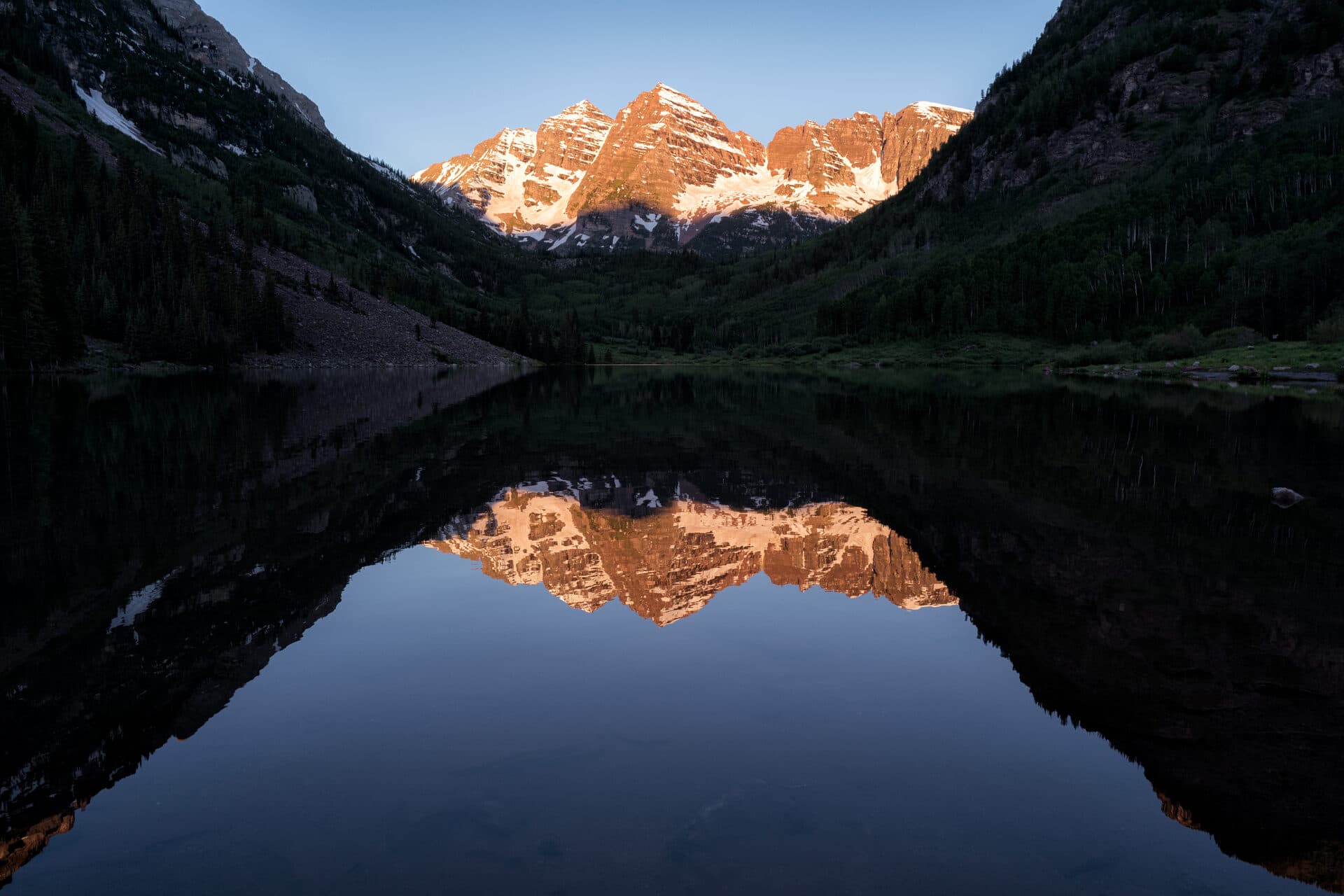
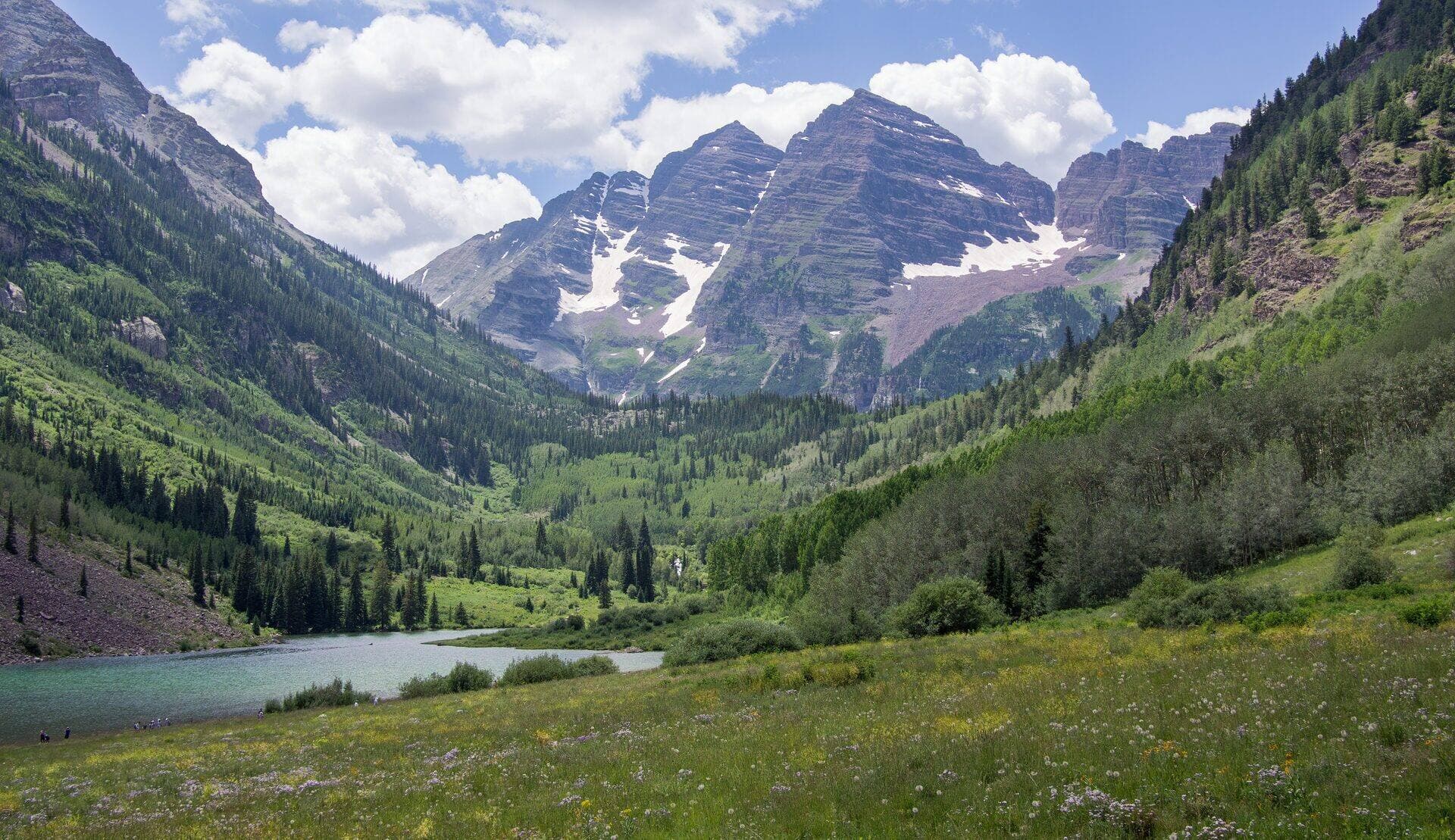
The Maroon Bells are the most photographed mountains in North America. The Scenic Loop Trail around Maroon Lake is 1.6 miles, easy, paved/gravel, with the iconic reflection shot at the lake. The slightly bigger Crater Lake Trail goes another 1.8 miles each way into the wilderness for a closer look at the peaks.
The reservation problem: From mid-May through October, you can't drive to Maroon Lake during the day. You'll need either a reserved parking spot (very limited) or a shuttle ticket from Aspen Highlands. Both are booked at visitmaroonbells.com. Plan 2-4 weeks ahead for weekends.
Best approach:
- Aim for the 6:30 AM shuttle (lake at sunrise, calm water for reflections)
- Walk the Maroon Lake Scenic Loop first (45 minutes)
- Continue to Crater Lake (2-3 hours round trip)
- Back to the shuttle by midday
What to bring: Sun protection (UV is 60% higher at 9,580 feet), 2 liters of water, light jacket for the lake (cold even in July), camera with wide lens.
After the hike: Lunch in Aspen Highlands or downtown. Spend the afternoon recovering. The Aspen Recreation Center has a pool if you want some easy active recovery.
Where to eat: Big Wrap downtown for a fast lunch, Pyramid Bistro for a sit-down dinner. Skip the high-end places on day 1. Save them for day 3.
Day 2: Cathedral Lake (the local favorite)
The Maroon Bells gets all the photos but Cathedral Lake is the hike locals actually do. It's tougher: 2,000 feet of elevation gain over 2.8 miles each way. The reward is a 12,000-foot lake under the spires of Cathedral Peak, way less crowded than the Bells.
Trailhead: End of Castle Creek Road, 14 miles south of Aspen. Free parking (no reservations needed).
Best approach:
- Start by 7 AM (parking fills, weather builds in afternoon)
- Allow 4-5 hours for the full hike
- Bring snacks for the top. Most people eat lunch at the lake
What to bring: Solid hiking boots (the upper switchbacks are loose), trekking poles for the descent, packable rain jacket (afternoon storms are routine), 3 liters of water, sunscreen.
The downside: You'll be tired by the time you get back to town. Plan an early dinner.
Where to eat: Steakhouse No. 316 if you want a sit-down dinner, Brexi Brothers for a casual option, Pinons for the high-end option.
Day 3: Conundrum Hot Springs (or American Lake)
Day 3 depends on how you're feeling. You have three options:
Option A: Conundrum Hot Springs (if you backpack and got an overnight permit)
The hot springs at 11,200 feet are the highest in North America. 8.5 miles one-way through aspen and spruce forest to a high alpine basin with permitless natural hot springs. Permits required for overnight. Booked through recreation.gov, fills 3-4 weeks ahead in summer.
Option B: American Lake (day hike alternative)
4 miles round trip with 1,500 feet of gain to a quiet alpine lake. Trailhead is on Castle Creek Road (same general area as Cathedral Lake). Less famous than Cathedral but easier and quieter. Bring lunch and stay at the lake for a couple hours.
Option C: Independence Pass + Grottos Trail
A scenic drive up Independence Pass (12,095 feet, open summer only) with short alpine stops along the way. The Grottos Trail near the top of the pass is a 30-minute walk through carved granite chambers. Easy on the legs after two big hike days.
For day 3, I'd recommend Option C unless you're a fit hiker who specifically wants more miles. The pass drive itself is one of the most scenic in Colorado, and the Grottos is genuinely interesting geology.
Where to eat for the trip finale: Aspen Tap (downtown, casual), Element 47 (Hotel Jerome, upscale), or Ajax Tavern (Little Nell, mid-range).
Logistics summary
Lodging: Budget options are limited in Aspen proper. Look in Snowmass Village or Basalt for cheaper alternatives (30-45 minute drive). Camping at Maroon Lake, Difficult, and Silver Bell campgrounds requires reservations through recreation.gov.
Parking:
- Maroon Bells: shuttle from Aspen Highlands ($16/person)
- Cathedral Lake: free, fills early
- American Lake: free, less crowded
- Hunter Creek: walk from town
Permits:
- Conundrum Hot Springs (overnight): $10/person/night plus a $6 reservation fee via recreation.gov; summer dates sell out within minutes of release
- Day hiking: no permits needed for any other Aspen trail
Cell service: Spotty above 10,000 feet. Download offline maps via Gaia GPS or AllTrails Pro before you go.
Weather: Summer thunderstorms are reliable July through mid-September, building between 1-3 PM. Be off summits by noon for any hike above treeline. Carry rain shells even on bluebird days.
Altitude: Aspen at 7,908 feet is high but manageable. Cathedral Lake at 12,000 feet is where most visitors feel altitude. Sleep at altitude for at least one night before climbing. Read our altitude sickness guide before the trip.
Fall colors: Mid-September to early October. The Maroon Bells in fall colors is one of the most photographed views in Colorado for good reason. If you can plan around fall colors, do.
When to do this trip
Best months: Late June through mid-September. July and August are peak season (crowds and prices reflect this). September is the sweet spot for fall colors but starts cooling fast.
When to avoid: Mud season (April-May) when high country is still snowy and lower trails are muddy. Late October through May for serious winter (most hikes become backcountry ski tours).
For more Aspen-area trail picks see our complete hikes near Aspen guide. For 14ers specifically, the Aspen-adjacent 14er hub covers Pyramid, Capitol, the Maroon Bells, and Conundrum Peak.
Get the Colorado 14er Packing Checklist (free PDF)
Plus a weekly note on the best Colorado trails, gear deals, and seasonal hike picks. No spam, unsubscribe anytime.
We respect your inbox. Unsubscribe anytime.