Altitude Sickness in Colorado: How to Prevent It & What Works
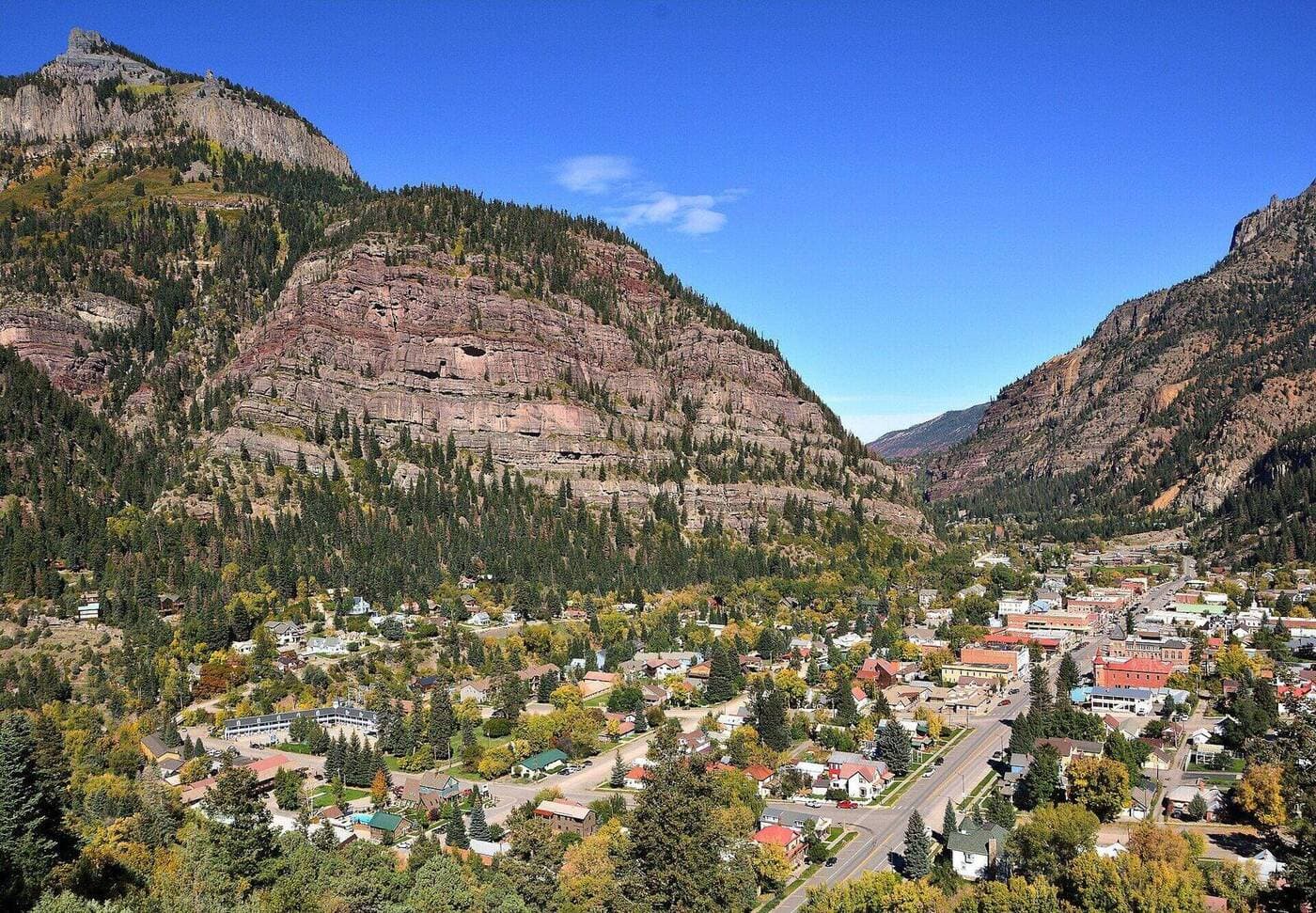
Colorado is one of the highest-elevation states in the U.S. Denver sits at 5,280 feet, Vail at 8,150, Leadville at 10,152, and trailheads above 11,000 feet are routine. If you live near sea level and fly in for a weekend, your body has roughly 48 hours to figure out how to function on 30-40% less oxygen than it's used to. For most people that goes fine. For some, and the difference is unpredictable from one trip to the next, it goes badly. Altitude sickness sends visitors to emergency rooms in Summit County and Eagle County every weekend during ski season.
The good news: altitude sickness is almost entirely preventable, and the few cases that develop are almost always treatable if you catch them early. Here's how to do both.
What Altitude Sickness Actually Is
Altitude sickness. Also called acute mountain sickness (AMS). Is what happens when your body hasn't yet adjusted to lower atmospheric pressure at high elevation. The air at 12,000 feet contains the same 21% oxygen as the air at sea level, but the lower pressure means each breath delivers fewer oxygen molecules to your bloodstream. Your body responds by breathing faster, producing more red blood cells, and shifting fluid balance. The adjustment process is called acclimatization, and it takes 1-3 days for the major changes and weeks for the full adaptation.
When the symptoms exceed what acclimatization can keep up with, you get AMS. There are three severity levels:
-
Acute Mountain Sickness (AMS). Headache, nausea, fatigue, sleeplessness. Roughly 25% of unacclimatized travelers above 8,000 feet get some form of it. Annoying but not dangerous if you stop ascending.
-
High Altitude Pulmonary Edema (HAPE). Fluid accumulates in the lungs. Symptoms include extreme shortness of breath at rest, dry persistent cough, gurgling sounds when breathing, chest tightness. Onset typically 2-4 days after arrival. This is a medical emergency.
-
High Altitude Cerebral Edema (HACE). Fluid in the brain. Symptoms include severe headache that doesn't respond to medication, confusion, loss of coordination (can't walk a straight line), hallucinations. Also a medical emergency.
HAPE and HACE are uncommon for typical Colorado visitors at typical ski-town elevations (8,000-10,500 feet), but they happen often enough that mountain town ERs are practiced at treating both. The risk goes up sharply above 12,000 feet, which is where many 14er trailheads sit.
Symptoms. What to Watch For
Most altitude sickness shows up within 12-24 hours of arrival at elevation. The classic early warning signs:
Headache. Almost universal. Usually frontal, dull, and worse with exertion or lying flat. If ibuprofen doesn't touch it, that's a flag.
Nausea and loss of appetite. You won't want to eat. Eat anyway. Your body needs fuel to acclimatize.
Fatigue and sleeplessness. You'll feel tired but won't sleep well. People often describe waking up gasping for air at 2 AM. This is normal early AMS and usually resolves by night 2 or 3.
Lightheadedness. Mild dizziness when standing. Worse if you've been drinking alcohol or are dehydrated.
These are uncomfortable but not dangerous. The line you need to know:
Stop ascending if symptoms are getting worse. Descend if symptoms are severe or if you see HAPE/HACE signs. That's the entire decision tree. Most altitude trouble comes from people pushing through symptoms instead of pausing or going down.
Prevention. What Actually Works
Ascend gradually
The single most effective prevention is to give your body time. The general rule above 8,000 feet: above your sleeping elevation, gain no more than 1,000-1,500 feet per night, and take a rest day every 3,000-4,000 feet of cumulative elevation gain.
For typical Colorado visitors: spend at least one night in Denver (5,280 ft) before heading to Vail (8,150 ft) or Aspen (7,908 ft). Spend a night at 8,000-9,000 feet before camping at 11,000 feet. Don't fly into Denver and drive straight to a 12,000-foot trailhead the same day, you're stacking the deck against yourself.
Hydrate aggressively
Dry air at altitude pulls water out of you faster than you'll realize. Most people need 3-4 liters of water per day at elevation, not the usual 2. Symptoms of dehydration overlap heavily with symptoms of AMS, which means dehydration both causes and masks the real problem.
A 3-liter hydration reservoir is the simplest fix on the trail. At camp, an insulated water bottle keeps water from freezing overnight and lets you drink first thing in the morning, when hydration matters most.
Skip the alcohol the first 48 hours
This one's not negotiable. Alcohol at altitude hits 2-3x harder, dehydrates you, depresses your respiratory drive (which is exactly what you don't want), and reliably triggers AMS in people who'd otherwise be fine. The mountain town tradition of "drink your way through it" sends a few hundred people to Colorado ERs every winter. Wait until night 3.
Eat carbs
At altitude your body burns through glycogen faster, and a high-carb diet has been shown in multiple studies to reduce AMS severity. The mountain food clichés exist for a reason: pancakes, oatmeal, pasta, rice. Eat them. The traditional alpine breakfast of eggs and bacon is fine but pair it with toast or potatoes.
Sleep low
If your itinerary is flexible: drive up to high elevation for hiking or sightseeing during the day, but sleep at a lower elevation when you can. "Climb high, sleep low" is the mountaineer's mantra and it works.
Medications That Help
Ibuprofen
The most common altitude headache responds well to standard ibuprofen (400-600 mg every 6 hours). One 2012 randomized trial showed prophylactic ibuprofen taken 6 hours before ascent reduced AMS incidence by about 25%. Cheap, no prescription, no real side effects at normal doses.
Acetazolamide (Diamox)
If you've gotten AMS before, or if you can't avoid a fast ascent, ask your doctor about acetazolamide. It speeds up acclimatization by slightly acidifying your blood, which stimulates breathing. Standard preventive dose is 125 mg twice daily, starting the day before ascent and continuing for 2-3 days at altitude. Side effects include tingling in the hands and feet and altered taste (carbonated drinks taste flat). Not a casual prescription. Talk to your doctor first.
Aspirin
Aspirin works similarly to ibuprofen for the headache and has the bonus of mild blood-thinning effects. Some studies suggest a slight benefit over ibuprofen for altitude headache specifically, though results are mixed.
Things that don't work (despite the marketing)
Several products are sold specifically for altitude sickness with little to no clinical evidence behind them. Oxygen cans ($15-25) give you 60 seconds of supplemental O2. Pleasant, useful in the moment, but they don't acclimatize you. Coca leaf products are a long tradition in the Andes but evidence for them in Colorado-style altitude exposure is thin. Most "altitude pills" sold on Amazon contain combinations of vitamins and herbs (ginkgo, rhodiola, vitamin C), the evidence on ginkgo is weakly positive, the rest are mostly placebo.
If you want something low-risk and over-the-counter, ginkgo biloba has some positive trial data at 120 mg twice daily started 5 days before ascent. Iron supplements help women with low ferritin levels acclimatize better. Worth checking your iron status if you struggle at altitude.
Gear That Helps
Altitude doesn't have a single piece of magic gear, but a few items meaningfully reduce the strain on your body during the acclimatization window.
A pulse oximeter ($25-40) clips on your finger and gives a reading of your blood oxygen saturation. Most people are 95-99% at sea level. At 10,000 feet that drops to 88-92%; at 13,000 feet, 82-88%. Persistent readings below 80% during rest indicate worse-than-typical acclimatization and are a signal to descend or stop ascending. Worth carrying on multi-day high-altitude trips.
A solid hydration setup. daypack with a built-in reservoir. Removes the friction from drinking enough water. You sip from the hose every few minutes instead of stopping to pull out a bottle.
Electrolyte tablets keep your sodium, potassium, and magnesium balanced when you're sweating at altitude and drinking lots of water. Hyponatremia (low sodium) from over-hydrating with plain water mimics AMS symptoms and is a real risk on long hike days.
Lip balm with SPF and real sunscreen. UV intensity at 12,000 feet is roughly 60% higher than at sea level. Sunburn is dehydrating and inflammatory. Both of which worsen AMS.
When to Descend
The single most important rule of altitude is: if symptoms are severe or worsening despite rest, go down. Even 1,000-2,000 feet of descent reverses most AMS quickly. Trying to "tough it out" with HAPE or HACE has killed people in Colorado mountains every year for the past century.
You're descending if any of these are true:
- Severe headache not relieved by ibuprofen
- Persistent vomiting
- Confusion, slurred speech, trouble walking a straight line
- Shortness of breath at rest (not just on exertion)
- Persistent cough, especially producing pink or frothy sputum
- Pulse oximeter reading below 75% at rest
For most Colorado visitors, "descending" just means driving back to Denver. If you're on a hike, turning around and walking 2 miles back to the trailhead drops you 1,000-1,500 feet, which is usually enough.
When to Get Medical Help
Mountain town emergency rooms in Vail, Frisco, Breckenridge, and Aspen treat altitude illness daily and are good at it. Call ahead or just walk in. Common treatments include supplemental oxygen, fluids, acetazolamide, and a hyperbaric chamber (a tent that simulates lower elevation). Most patients are stabilized in 2-6 hours and sent home.
Call 911 if someone has confusion, can't walk on their own, or is short of breath at rest. HAPE and HACE move fast and can become life-threatening within hours.
The Short Version
- Acclimatize gradually. Spend a night in Denver before going higher when possible.
- Drink 3-4 liters of water per day.
- Skip alcohol the first 48 hours.
- Carry ibuprofen and use it early for headaches.
- Watch for severe symptoms; descend if you see them.
- Carry a pulse oximeter if you're going above 12,000 feet or staying multiple nights at elevation.
- If you've had bad AMS before, ask your doctor about acetazolamide before your next trip.
Altitude sickness is the most preventable serious problem in Colorado outdoor travel. The vast majority of cases come from compressing acclimatization too aggressively or ignoring early symptoms. Slow down for the first day or two, drink more than you think you need, and your trip will go fine. If you're planning a high-altitude trip, also read our Colorado 14ers guide for elevation-specific preparation tips.
Get the Colorado 14er Packing Checklist (free PDF)
Plus a weekly note on the best Colorado trails, gear deals, and seasonal hike picks. No spam, unsubscribe anytime.
We respect your inbox. Unsubscribe anytime.