Backpacking Checklist for Colorado: What to Pack
Here's the short answer on what to pack for a backpacking trip: the Big Three (pack, shelter, sleep system), the Ten Essentials, a water plan, food, a stove, and clothing layers that handle both a 75-degree afternoon and a 30-degree night. That's the whole backpacking checklist in one sentence. Everything below fills in the specifics, with the parts that matter more in Colorado than almost anywhere else in the lower 48: thin air, afternoon thunderstorms, cold alpine nights, and bear canister rules that are now the law in a lot of the high country.
Print this list, or copy it into your phone, and check items off as they go in the pack. If you're brand new to overnights, start with our Colorado hiking beginner's guide first, then come back here to build your kit. And if you want a head start on the single most expensive purchase, our roundup of the best backpacking backpacks for Colorado covers sizing and fit before you load any of this into it.
What You'll Learn
- The Quick Version (Full Checklist)
- The Big Three
- The Ten Essentials
- Kitchen and Water
- Clothing and Layers
- What Changes for Colorado
- Day Hike vs Overnight
- What to Leave Home
- Your Pre-Trip Checklist
- FAQs
The Quick Version (Full Checklist)
Grouped so you can pack zone by zone. Gear links go to current options if you're still filling gaps.
The Big Three
- Backpacking pack, 50 to 65 liters for most trips
- Backpacking tent or lightweight shelter
- Sleeping bag rated to 20 degrees
- Sleeping pad, R-value 3 or higher
The Ten Essentials
- Map and compass (plus a GPS app)
- Headlamp with spare batteries
- Sun protection: SPF 30+, sunglasses, brimmed hat
- First aid kit
- Knife or multi-tool
- Fire: lighter plus waterproof matches
- Emergency shelter: an ultralight bivy or space blanket
- Extra food (one bonus day's worth)
- Extra water and treatment
- Extra insulation layer
Kitchen and water
- Backpacking stove and fuel
- Cook pot, spork, lighter
- Water filter or purifier
- Water reservoir or two bottles
- Bear canister where required
- Food, roughly 1.5 to 2 pounds per person per day
Clothing
- Merino base layers, top and bottom
- Hiking shirt and shorts or pants
- Insulated jacket (down or synthetic)
- Rain jacket, fully waterproof
- Wool hiking socks, two pairs plus camp socks
- Warm hat and gloves
- Camp shoes (optional)
The rest
- Trekking poles
- Toiletries, toilet paper, trowel, sealed bag for waste
- Phone, battery bank, charging cable
- Permit, ID, cash, car key
- Trash bag (pack it out)
The Big Three
Pack, shelter, and sleep system are the Big Three because they're your heaviest, priciest items and they drive the weight of everything else. Get these dialed and the rest of the list falls into place.
Pack. For a two to four night Colorado trip, a 50 to 65 liter pack is the sweet spot. Smaller and you'll fight to fit a bear canister and cold-weather layers; larger and you'll just carry more than you need. Fit matters more than any feature, so measure your torso and load-test it before a big trip. Once it's chosen, our guide on how to pack a backpacking backpack walks through where each item rides so a 35-pound load sits on your hips instead of pulling at your shoulders.
Shelter. A freestanding two-person tent is the forgiving choice for Colorado, since it pitches on rocky alpine ground where stakes won't bite. Look for something that handles wind and sheds an afternoon downpour. See the best backpacking tents for Colorado for models that hold up above treeline.
Sleep system. Nights in the Colorado high country drop into the 30s even in July, and the 20s are common at 11,000 feet in the shoulder seasons. Carry a bag rated to 20 degrees and a pad with an R-value of at least 3 to block the cold ground. A summer-weight 40 degree bag will leave you shivering. Our picks for the best sleeping bags for backpacking in Colorado and the best backpacking sleeping pads for Colorado are sorted by exactly this problem.
The Ten Essentials
The Ten Essentials is the old Mountaineers safety system, and it earns its keep in Colorado, where weather turns fast and cell service disappears. These are the items that keep a bad afternoon from becoming a rescue.
The ten categories: navigation (map, compass, and a GPS app like a Colorado Trails Illustrated map plus your phone), sun protection, insulation, illumination (a headlamp with backup power), first aid, fire, a repair kit and knife, extra food, extra water, and emergency shelter. Don't skip navigation just because you have a phone; batteries die in the cold, and a paper map weighs almost nothing. For the electronics side, a GPS watch helps, but it backs up the map rather than replacing it.
Kitchen and Water
Stove and food. A canister stove is the easy pick for three-season Colorado trips: light, fast, and simple. Bring a little more fuel than you think you need, because water boils slower and takes longer at altitude. Plan food at roughly 1.5 to 2 pounds per person per day, front-loaded with calories. Our guides to the best backpacking stoves and the best dehydrated backpacking meals for Colorado cover the setup most people land on, and what to eat on the trail breaks down calories per ounce so your food bag doesn't balloon.
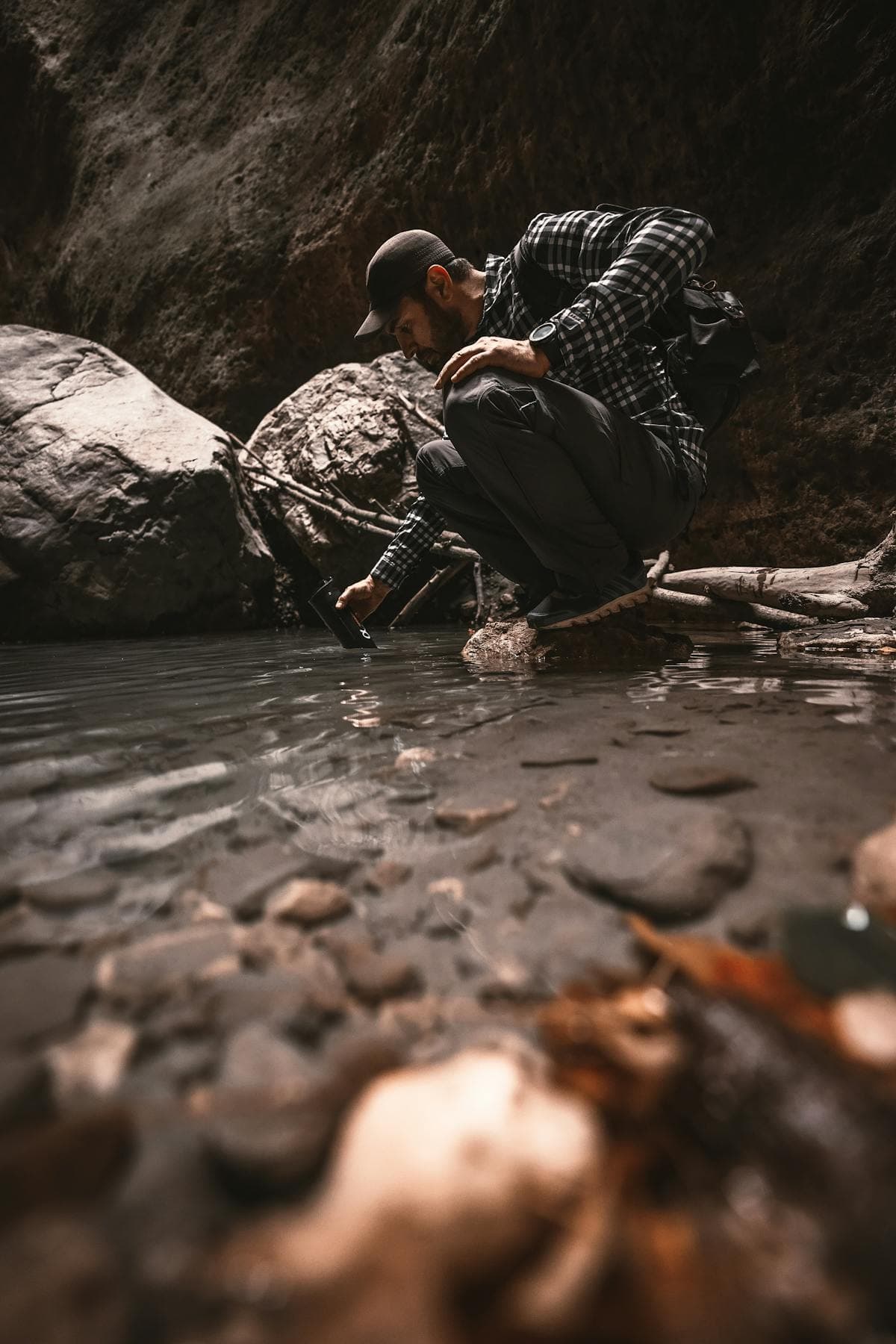
Water. Colorado's creeks look clean and still carry giardia, so treat everything. A squeeze or hollow-fiber filter covers most trips; drops or a purifier make sense for silty snowmelt. Map your water sources before you go, since ridgeline camps can be a long way from the nearest reliable stream. The best water filters for hiking in Colorado compares flow rate and freeze resistance, which matters on cold nights when a wet filter can crack.
Clothing and Layers
Colorado's temperature swing is the thing that catches flatlanders off guard. You can start a climb sweating in a t-shirt and top out in wind that feels like winter. The fix is a layer system, not one heavy jacket.
Build it in three parts. A merino wool base layer manages sweat and dries without stinking. A midlayer or packable down jacket traps warmth for camp and cold passes. A fully waterproof rain jacket blocks wind and the afternoon storm that shows up most summer days. Add a warm hat, light gloves, and two pairs of wool hiking socks plus a dedicated dry pair for sleeping. Leave the cotton at home; once it's wet, it stays wet and pulls heat out of you fast.
What Changes for Colorado
A backpacking list written for the Smokies or the desert won't fully cover a Colorado trip. Four things shift here.
Altitude. Above 10,000 feet the air is thin, and the first night after a big drive can bring a headache and poor sleep. Carry extra water, ease your first day's mileage, and know the symptoms. Our piece on altitude sickness prevention and treatment covers when a headache is normal and when it's a signal to drop elevation.
Afternoon storms. From roughly July through August, thunderstorms build most afternoons. Plan to summit high passes and peaks by late morning and be heading down when the clouds stack up. That single habit prevents most lightning scares.
Cold nights. Even a July trip can freeze the water in your bottle by dawn. This is why the 20 degree bag and the warm hat are on the list, not the optional pile.
Bear canisters. An approved hard-sided canister is now required across a growing list of Colorado backcountry, including much of Rocky Mountain National Park, the Indian Peaks Wilderness, and the Maroon Bells-Snowmass Wilderness. It's bulky and it changes how you pack, so read the best bear canisters for Colorado and confirm the rule for your specific area before you go.
Day Hike vs Overnight
Not every trip needs the full kit. For a day hike packing list, you can drop the shelter, sleep system, stove, and most of the food, but the Ten Essentials stay. That means you still carry navigation, layers, water and treatment, sun protection, first aid, a headlamp, extra food, and a rain shell. A surprising number of Colorado day hikers get caught out by an afternoon storm or a wrong turn because they left the "just in case" items in the car on a bluebird morning.
The simplest way to think about it: a day pack is the Ten Essentials plus lunch and water. An overnight pack is that plus the Big Three, a kitchen, and a change of warm clothes. Trekking poles help on both; see the best trekking poles for Colorado if your knees complain on long descents.
What to Leave Home
Cutting weight is mostly about what you don't bring. Skip the second pair of camp shoes, the full-size toiletries, the folding camp chair, cotton clothing, and the "just in case" gear you've never actually used. A book, a heavy power bank sized for a week, and duplicate cook gear are common dead weight on a two-night trip.
A good test: after your trip, empty the pack and set aside everything you never touched. Most of that stays home next time. New backpackers routinely carry 40-plus pounds for a weekend when 25 to 30 would do the job in comfort.
Your Pre-Trip Checklist
The last hour before you leave the trailhead is where trips go sideways. Run this quick list:
- Permit printed or saved, and parking or reservation confirmed
- Someone at home has your route and your return time
- Water sources and camp spots marked on your map
- Weather and fire restrictions checked that morning
- Phone charged, GPS app maps downloaded for offline use
- Bear canister packed and closed if your area requires one
- Car key stowed somewhere it won't fall out on the trail
Trip planning is half the battle, and a night spent dispersed camping near the trailhead the evening before can help you get an early start and stay ahead of the storms.
FAQs
What are the essentials for a backpacking trip?
The core essentials are the Big Three (pack, shelter, and sleep system), the Ten Essentials safety items, a stove and food, a water filter, and a clothing layer system. In Colorado, add a 20 degree sleeping bag, a rain jacket, and a bear canister where it's required. Everything else is comfort you can trim to save weight.
How much should a backpacking pack weigh?
Aim for a total pack weight, including food and water, of around 20 percent of your body weight or less. For most people that's 25 to 35 pounds for a weekend. New backpackers often hit 40-plus pounds by overpacking; cutting duplicate gear, cotton clothing, and camp luxuries is the fastest way down.
How much food and water do I need per day?
Plan roughly 1.5 to 2 pounds of food per person per day, aiming for high-calorie, low-water-weight items. For water, carry two to three liters between reliable sources and treat all of it. Colorado's ridgeline camps can be far from a stream, so map your water before you go rather than assuming you'll find some.
Do I really need a bear canister in Colorado?
In a growing number of areas, yes, and it's a legal requirement, not a suggestion. Rocky Mountain National Park, the Indian Peaks Wilderness, and the Maroon Bells-Snowmass Wilderness all require an approved hard-sided canister in much of their backcountry. Check the rule for your exact trailhead, because rangers do enforce it and fines are steep.
What's the difference between a day hike and overnight packing list?
A day hike packing list is the Ten Essentials plus lunch and water: navigation, sun protection, first aid, a headlamp, extra layers, a rain shell, and enough water. An overnight list adds the Big Three, a stove and more food, and a change of warm sleep clothes. The safety items are identical; the overnight gear is what changes.
Build your kit once, keep the checklist in your phone, and packing gets faster every trip. Next up, learn how to pack a backpacking backpack so everything you just gathered rides comfortably on the climb.
Get the Colorado 14er Packing Checklist (free PDF)
Plus a weekly note on the best Colorado trails, gear deals, and seasonal hike picks. No spam, unsubscribe anytime.
We respect your inbox. Unsubscribe anytime.