7 Best Sleeping Bags for Backpacking in Colorado (2026)
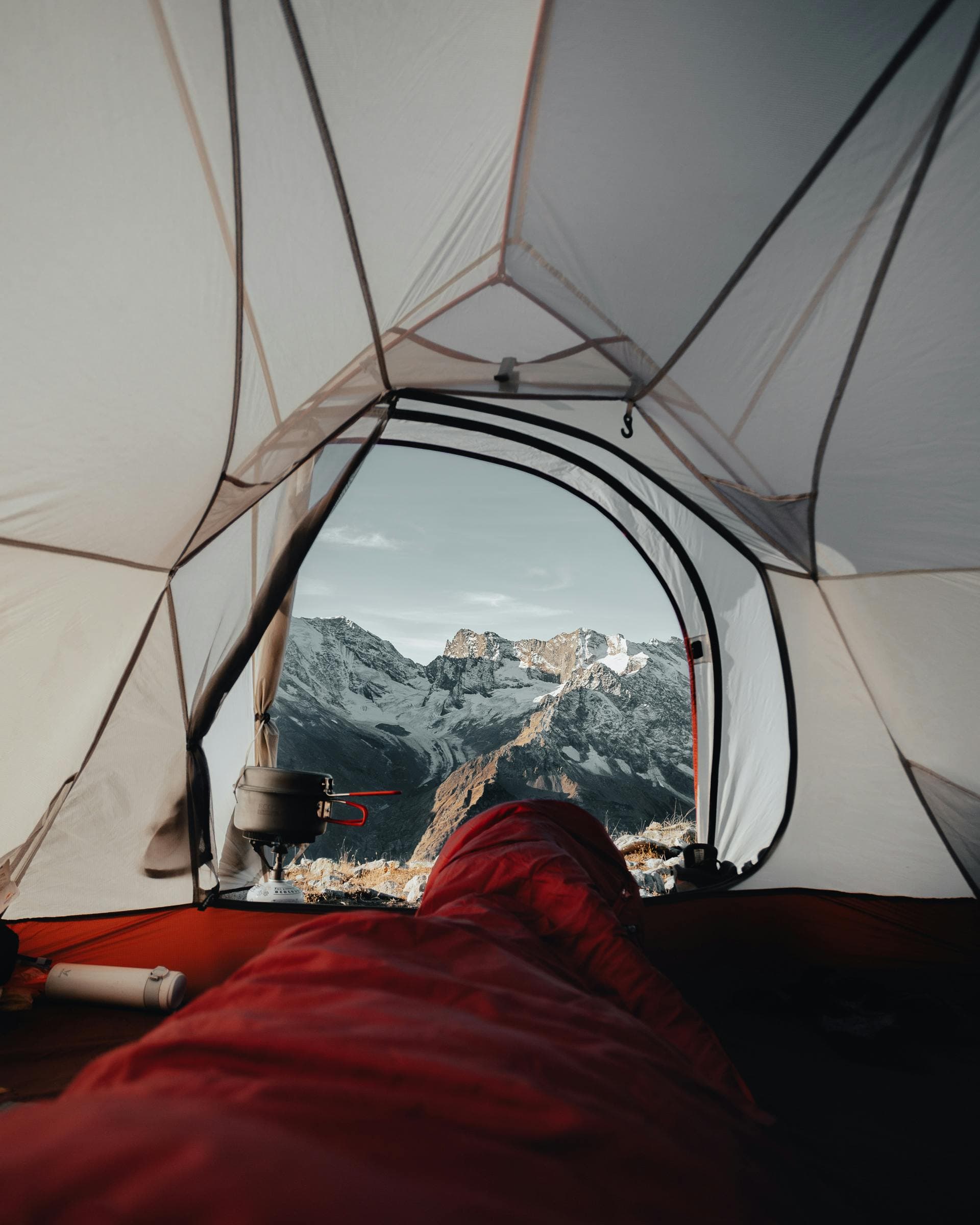
Colorado's backcountry doesn't care what month it is. You can get snow in July above treeline, and nighttime temps at 10,000 feet regularly drop into the 20s even during summer. Picking the right sleeping bag isn't about comfort preferences here. It's about safety.
After researching the top-rated options for mountain backpacking, here are seven sleeping bags that handle Colorado's unpredictable alpine conditions without weighing down your pack.
Our top pick: Kelty Cosmic 20. Reliable 20F down bag at a price that won't wreck your gear budget. Best for most Colorado backpackers.
Quick pick — backpacking sleeping bags for Colorado
| Product | Best for | Price | Weight | Spec | |
|---|---|---|---|---|---|
REI Co-op Magma 15 Our pickBest warmth/weight/price ratio for Colorado | All-around 3-season Colorado | $380 | 1 lb 14 oz | 850-fill goose down | Check price → |
Kelty Cosmic 20 | Budget pick, weekend backpacking | $170 | 2 lb 12 oz | 550-fill down | Check price → |
Western Mountaineering UltraLite | Premium ultralight | $580 | 1 lb 13 oz | 850-fill, 20°F | Check price → |
NEMO Disco 15 | Side sleepers | $300 | 2 lb 10 oz | 650-fill down, spoon shape | Check price → |
Prices and availability change. As an Amazon Associate, we earn from qualifying purchases.
What You'll Learn
- What Temperature Rating Do You Need for Colorado?
- Best Overall: Kelty Cosmic 20
- Best Ultralight: Sea to Summit Spark SP II
- Best for Cold Sleepers: REI Co-op Magma 15
- Best Budget: Teton Sports Tracker Ultralight
- Best Synthetic: NEMO Forte 20
- Best for 14er Basecamp: Mountain Hardwear Phantom 15
- Best Quilt: Therm-a-Rest Corus 20
- Down vs. Synthetic: Which Is Better for Colorado?
- How to Choose the Right Sleeping Bag for Colorado Backpacking
- Frequently Asked Questions
What Temperature Rating Do You Need for Colorado?
This is the first question every Colorado backpacker asks, and the answer depends on when and where you're camping.
Summer (June through August): Nighttime lows at popular backcountry sites between 9,000 and 11,000 feet typically range from 25F to 40F. A 20F bag covers you comfortably. If you're camping above 12,000 feet for a 14er attempt, expect lows in the teens.
Shoulder seasons (May, September, October): Temps can easily hit single digits at altitude. You'll want a 15F bag minimum, or a 20F bag paired with a quality liner.
Winter: That's a different article entirely. Think 0F or below.
For most three-season Colorado backpacking, a 20F rated bag is the sweet spot. It handles summer alpine nights and gives you a buffer for unexpected cold snaps. If you tend to sleep cold, bump down to a 15F.
Best Overall: Kelty Cosmic 20
The Kelty Cosmic 20 keeps showing up on recommendation lists for one reason: it delivers 550-fill DriDown performance at roughly half the price of premium bags.
Key specs:
- Temperature rating: 20F
- Fill: 550-fill DriDown
- Weight: about 2 lbs 7 oz (regular)
- Packed size: 8 x 14 inches
The DriDown treatment means the insulation resists moisture better than untreated down, which matters when Colorado's afternoon thunderstorms roll through and humidity spikes inside your tent. The mummy shape is roomy enough that you won't feel straitjacketed, but snug enough to retain heat efficiently.
It's not the lightest bag on this list, and ultralight purists will notice the extra ounces. But for the price-to-warmth ratio, nothing else comes close. Pair it with a solid sleeping pad and you're set for any Colorado summer trip.
Best Ultralight: Sea to Summit Spark SP II
If you're counting grams for a multi-day traverse through the Collegiate Peaks or the Maroon Bells Wilderness, the Sea to Summit Spark SP II deserves a hard look.
Key specs:
- Temperature rating: 28F
- Fill: 850+ fill Ultra-Dry Down
- Weight: about 1 lb 2 oz (regular)
- Packed size: 6 x 9 inches
Just over a pound for a bag rated to 28F is remarkable. The trade-off is minimal padding on the bottom (you're relying on your sleeping pad for ground insulation) and a slim fit that side sleepers might find restrictive.
This bag works perfectly for Colorado summer backpacking when you're confident about weather windows. For shoulder season trips or if you sleep cold, pair it with a silk liner for an extra 10-15 degrees of warmth. It stuffs down to about the size of a cantaloupe, leaving plenty of room in your daypack for the rest of your kit.
Best for Cold Sleepers: REI Co-op Magma 15
Some people just run cold. If that's you, stop pretending a 20F bag is enough and grab the REI Co-op Magma 15.
Key specs:
- Temperature rating: 15F
- Fill: 850-fill goose down
- Weight: about 2 lbs 4 oz (medium)
- Packed size: 7 x 10 inches
The Magma line is REI's flagship, and the 15F version hits a great balance between warmth and packability. The 850-fill down compresses small, and the bag uses differential cut baffles to prevent cold spots. The draft collar and hood cinch tight enough to keep warmth in when temps plummet.
For Colorado backpackers who camp at high elevation regularly, whether you're setting up at a 14er basecamp or spending a weekend exploring trails near Durango, the extra 5 degrees of warmth over a 20F bag can mean the difference between sleeping soundly and shivering until dawn.
Best Budget: Teton Sports Tracker Ultralight
Not everyone needs to spend $300+ on a sleeping bag, especially if you're just getting into Colorado backpacking. The Teton Sports Tracker Ultralight proves you can get a capable bag for well under $100.
Key specs:
- Temperature rating: 20F
- Fill: Synthetic (hollow fiber)
- Weight: 2 lbs 12 oz
- Packed size: 9 x 15 inches
Yes, it's heavier and bulkier than down alternatives. That's the trade-off at this price. But the synthetic fill has one big advantage in Colorado: it still insulates when wet. If you're camping near one of Colorado's alpine lakes where condensation is constant, or if you get caught in a summer storm, synthetic won't leave you freezing.
The Tracker packs well enough for weekend trips on established trails. It's not what you'd bring on a 50-mile traverse, but for car-to-campsite backpacking and intro-level trips near Fort Collins or Colorado Springs, it gets the job done.
Best Synthetic: NEMO Forte 20
If you want synthetic insulation without the "budget" trade-offs, the NEMO Forte 20 is the best option in its class.
Key specs:
- Temperature rating: 20F
- Fill: Primaloft Silver synthetic
- Weight: 2 lbs 9 oz
- Packed size: 9 x 12 inches
NEMO's design philosophy shows here. The Forte uses a spoon shape rather than a traditional mummy, giving you room to bend your knees and shift positions without fighting the bag. For side sleepers, this is a game-changer.
The Thermo Gills along the top let you vent heat without unzipping, which is clutch during those Colorado nights when it's 25F at midnight but 45F by 6 AM. The synthetic fill handles the moisture fluctuations of Colorado's high-altitude climate without losing loft. It won't compress as small as down, but it's a worry-free option when weather is unpredictable.
Best for 14er Basecamp: Mountain Hardwear Phantom 15
When you're camping at 11,000+ feet the night before a 14er push, you need a bag that takes cold seriously. The Mountain Hardwear Phantom 15 was built for exactly this.
Key specs:
- Temperature rating: 15F
- Fill: 800-fill RDS-certified down
- Weight: about 2 lbs 0.6 oz (regular)
- Packed size: 7 x 9 inches
Mountain Hardwear's water-resistant down treatment performs well in damp conditions. Colorado's dry air keeps down happy most of the time, but tent condensation and unexpected moisture can still compromise untreated fill. The Phantom handles it.
At about 2 pounds for a 15F bag, the weight-to-warmth ratio is exceptional. The continuous baffle construction lets you shift insulation where you need it most. Pair this with a good headlamp for your alpine start and you're ready for any peak in the state.
Best Quilt: Therm-a-Rest Corus 20
Quilts aren't for everyone, but if you've tried one, you probably won't go back. The Therm-a-Rest Corus 20 is the best entry point for Colorado backpackers curious about the quilt life.
Key specs:
- Temperature rating: 20F
- Fill: Nikwax Hydrophobic 650-fill down
- Weight: 1 lb 8 oz
- Packed size: 8 x 10 inches
A quilt eliminates the bottom of a sleeping bag (you're lying on a pad anyway, compressing that insulation into uselessness) and saves significant weight. The Corus attaches to your sleeping pad with elastic straps, preventing drafts while letting you adjust ventilation easily.
For Colorado summer trips where you might kick off covers during warm spells but need real insulation at 3 AM, the quilt format is ideal. You get 20F protection at just 1.5 pounds. The Nikwax-treated down resists moisture without relying on a DWR coating that wears off over time.
Down vs. Synthetic: Which Is Better for Colorado?
Colorado's climate actually favors down for most of the year. The air is dry, humidity is low, and down's superior warmth-to-weight ratio pays dividends when you're hauling gear up mountain passes.
Choose down when:
- Weight and packability matter (multi-day trips)
- You'll be camping in dry conditions
- You want the best warmth-to-weight ratio
- You store your bag properly between trips
Choose synthetic when:
- You're camping in wet areas (lakeside, monsoon season)
- Budget is your primary concern
- You don't want to fuss over moisture management
- You're rough on gear
One thing to know: Colorado's July and August monsoon season brings afternoon storms almost daily in the mountains. Even with a good tent, moisture can accumulate. Treated down (DriDown, Q.Shield, Nikwax) handles this well. Untreated down is a gamble.
How to Choose the Right Sleeping Bag for Colorado Backpacking
Beyond temperature rating and fill type, consider these Colorado-specific factors:
Elevation matters more than season. A July night at 12,000 feet is colder than an October night at 6,000 feet. Know where you're sleeping, not just when.
Pad pairing is critical. Your sleeping bag is only half the insulation equation. An R-value of 4.0+ handles most Colorado three-season conditions. Check our foam sleeping pad guide for recommendations.
Fit affects warmth. A bag that's too big creates dead air space your body has to heat. Too small compresses insulation and creates cold spots. Most brands offer regular and long sizes; some offer women's specific cuts with extra insulation in the torso and footbox.
Packed size adds up. If you're using a 50-liter backpack, a bulky sleeping bag eats into space fast. Down bags compress 30-40% smaller than equivalent synthetic bags.
Care extends lifespan. Store your bag uncompressed (use a cotton or mesh storage sack). Wash with down-specific soap once per season. A well-maintained down bag lasts 10+ years.
Frequently Asked Questions
What temperature sleeping bag do I need for summer backpacking in Colorado?
A 20F rated sleeping bag covers most summer backpacking between 8,000 and 12,000 feet in Colorado. Nighttime lows at popular backcountry sites typically range from 25F to 40F from June through August. If you camp above 12,000 feet or sleep cold, consider a 15F bag.
Is down or synthetic better for Colorado mountain camping?
Down is generally better for Colorado's dry mountain climate. It's lighter, compresses smaller, and provides more warmth per ounce. Choose synthetic if you frequently camp near water sources or during monsoon season (July through August) when moisture is more likely.
How much should a good backpacking sleeping bag weigh?
For Colorado three-season backpacking, aim for under 2.5 pounds. Ultralight options come in under 1.5 pounds but cost more and sacrifice some features. Budget synthetic bags typically weigh 2.5 to 3 pounds. The weight penalty of synthetic is worth it if moisture resistance is your priority.
Can I use a sleeping bag liner to extend my bag's temperature rating?
Yes. A silk liner adds roughly 10 to 15 degrees of warmth and weighs about 5 ounces. A fleece liner adds 15 to 25 degrees but weighs closer to a pound. Liners are a cost-effective way to make a 20F bag work in colder shoulder-season conditions without buying a second bag.
How do I keep my sleeping bag dry while backpacking in Colorado?
Use a dry bag or waterproof stuff sack for your sleeping bag inside your pack. Set up camp and get your bag fluffed up before afternoon storms hit. Air it out in the morning sun when possible. If using down, choose a bag with treated fill (DriDown, Q.Shield, or Nikwax Hydrophobic) for extra moisture resistance.
Planning your next backcountry trip? Check our trail guides near Durango or browse our spring wildflower hikes for overnight camping destinations worth the trek.
Get the Colorado 14er Packing Checklist (free PDF)
Plus a weekly note on the best Colorado trails, gear deals, and seasonal hike picks. No spam, unsubscribe anytime.
We respect your inbox. Unsubscribe anytime.