Mount Elbert Weather: What to Expect Month by Month
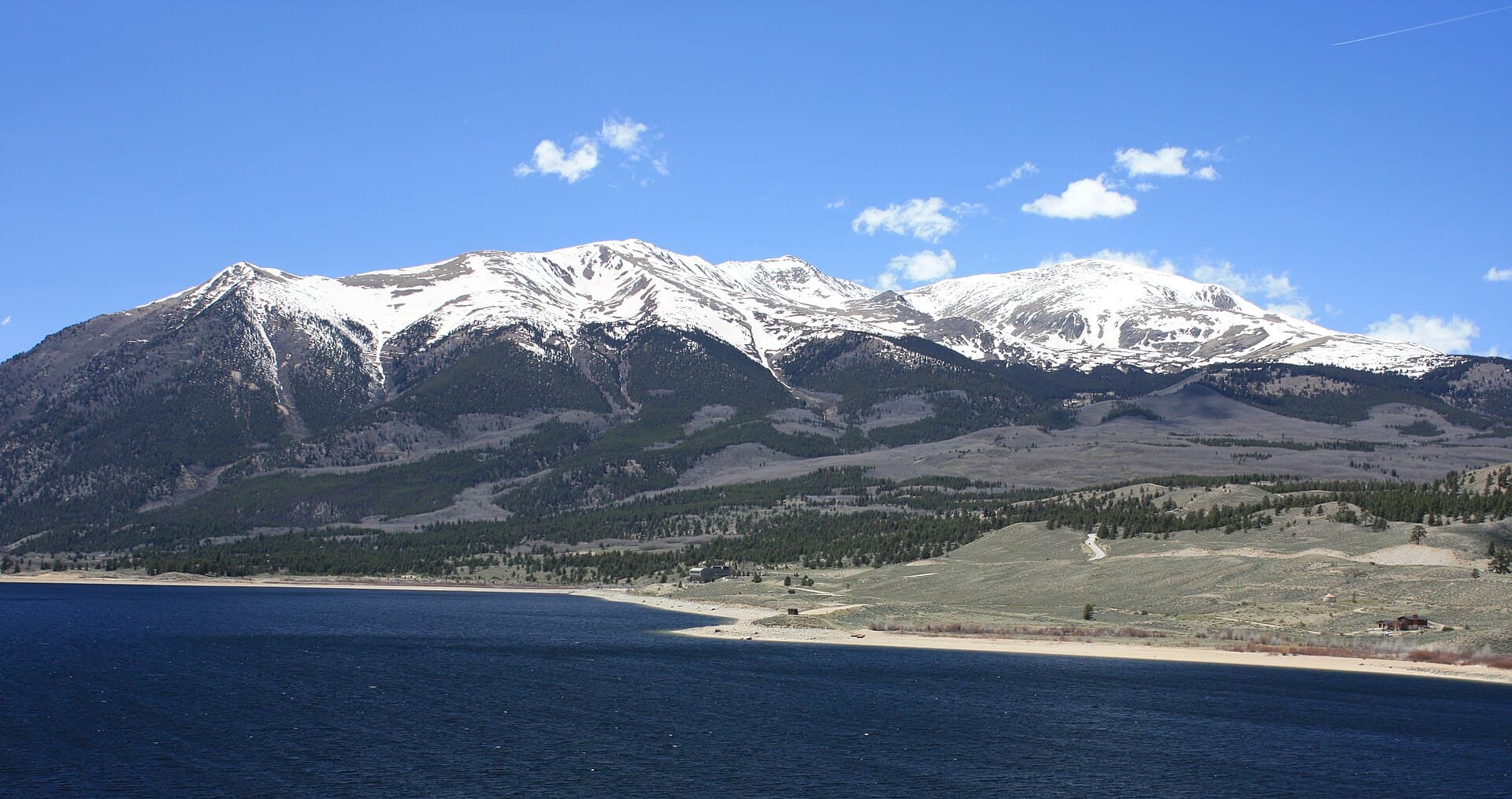
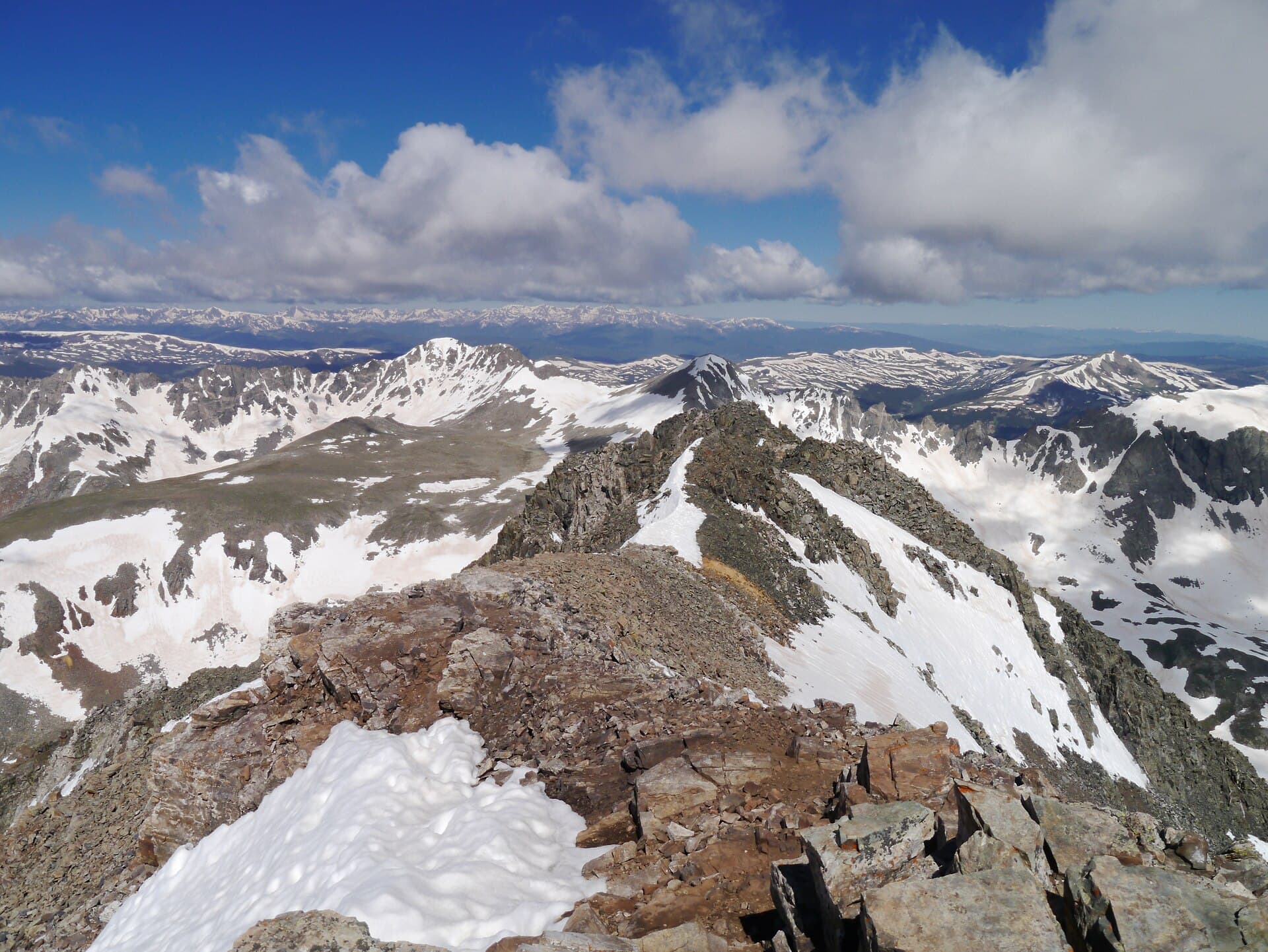
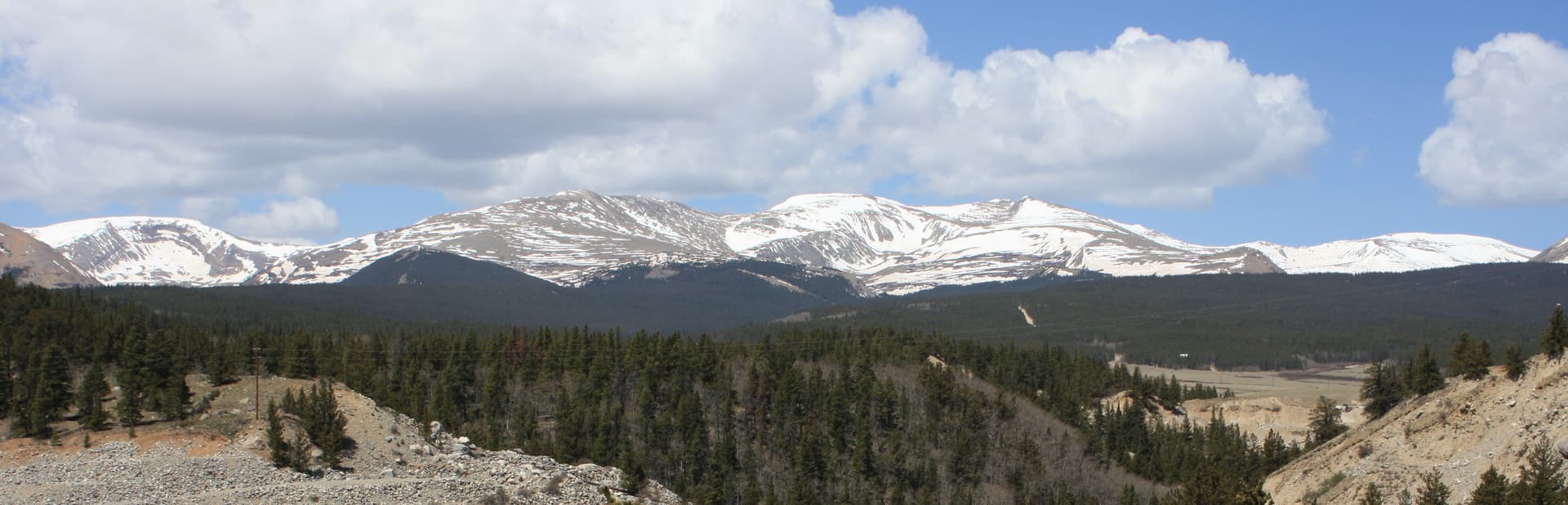
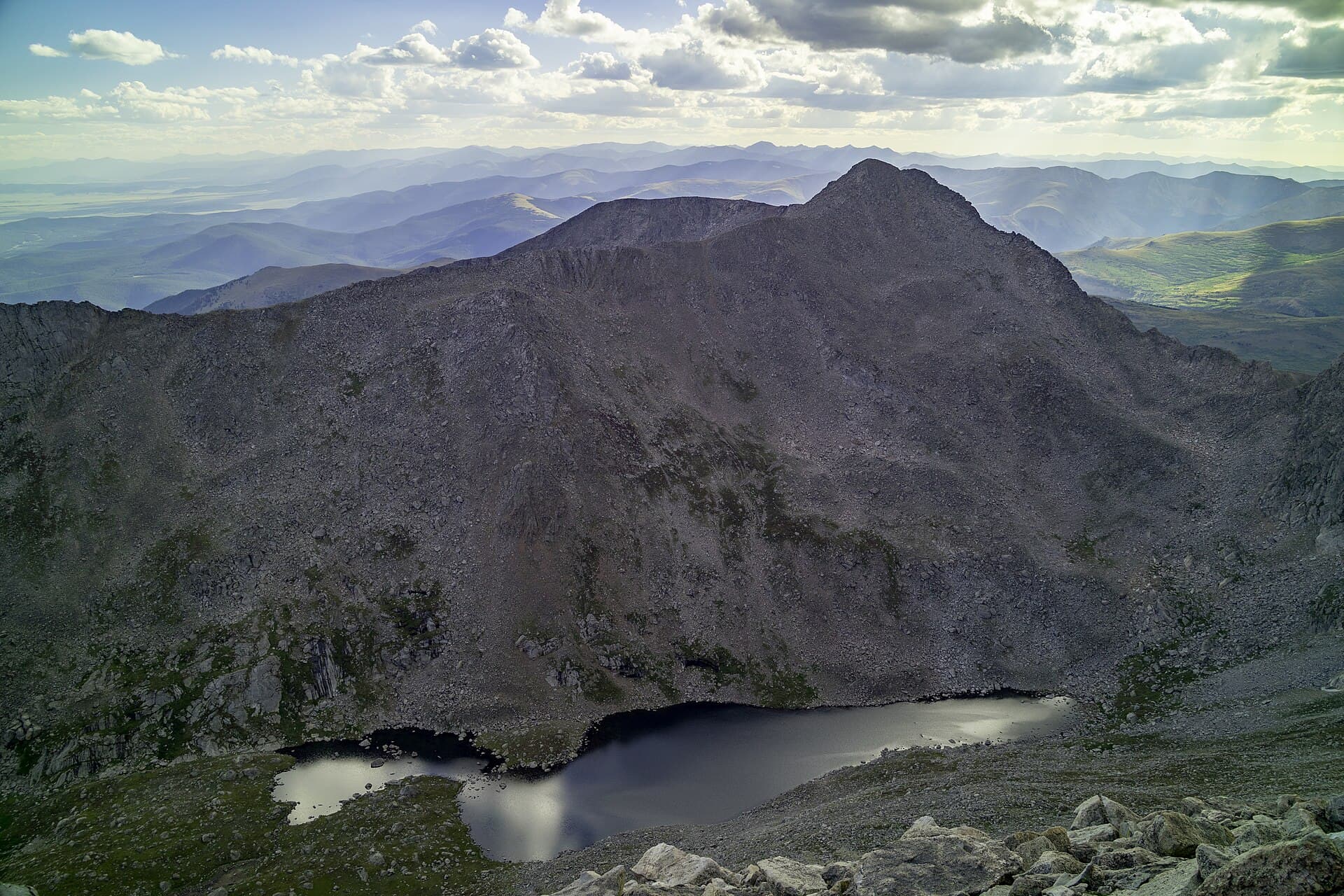
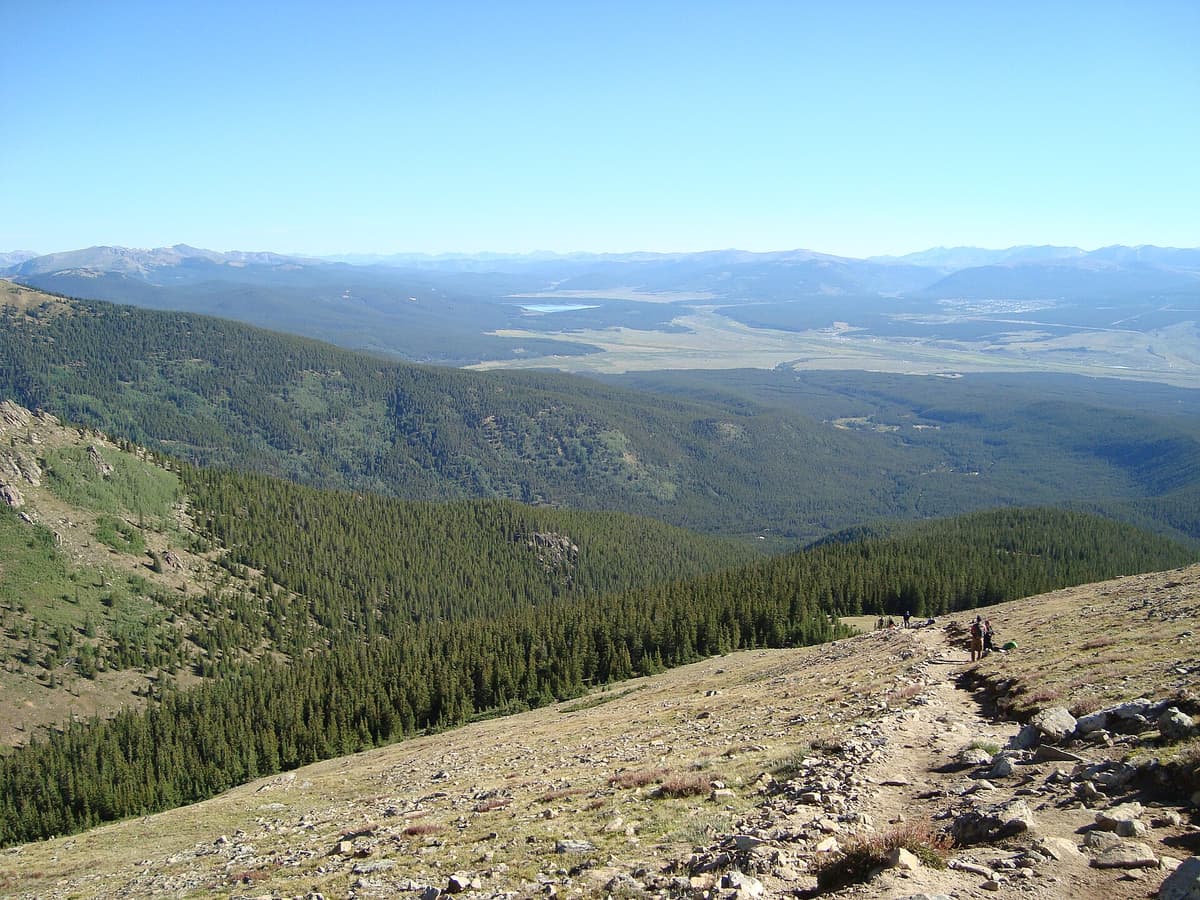
Mount Elbert weather is the thing that decides your day on Colorado's highest peak, and it's colder, windier, and less predictable than the forecast for Leadville makes it look. The summit sits at 14,440 feet in the Sawatch Range, the highest point in Colorado and in the entire Rocky Mountains, and it runs roughly 20 to 25°F colder than town. Snow can fall in any month, including July. Afternoon thunderstorms build fast in summer, and the long summit ridge is fully exposed, so you can leave a 65°F trailhead and top out into freezing wind.
Elbert is the second-most-climbed 14er in the state and a popular pick for a first fourteener, mostly because the standard routes are a straightforward walk-up with no scrambling. That puts a lot of people on the mountain who aren't ready for real alpine weather. They start in shorts at the trailhead and reach the top to find it's 40°F with a hard wind pushing across the ridge. It catches people out all season.
This guide covers what to actually expect on Mount Elbert: temperatures by month, the best time to climb for weather, how conditions shift as you gain elevation, and what to pack so the summit doesn't turn you around early.
What You'll Learn
- Quick Weather Facts
- How Cold Is It on Top of Mount Elbert?
- Mount Elbert Weather by Month
- The Best Time to Climb Mount Elbert
- Summer Weather and Afternoon Thunderstorms
- Winter Weather on Mount Elbert
- Is Mount Elbert Windy?
- Why the Weather Changes as You Climb
- What to Wear and Pack
- How to Check the Forecast Before You Go
- Frequently Asked Questions
Quick Weather Facts
- Summit elevation: 14,440 ft (highest in Colorado)
- North trailhead elevation: about 10,040 ft (Halfmoon Creek)
- South trailhead elevation: about 9,560 ft (near Twin Lakes)
- Summit vs. Leadville: typically 20-25°F colder
- Summit vs. Denver: typically 30-40°F colder
- Summer highs at summit: mid-40s to mid-50s°F (June-August)
- Summer lows at summit: mid-20s to low 30s°F
- Winter highs at summit: 0-15°F (December-February)
- Winter lows at summit: -10 to -20°F, wind chill down to -30°F or colder
- Snow: possible every month; deep snowpack roughly November through May
- Wind: commonly 15-30 mph at the summit, much higher when a front is near
- Best weather window: mid-June through late September
- Clearest month: September
- Wettest stretch: July and August (afternoon monsoon storms)
How Cold Is It on Top of Mount Elbert?
The number worth planning around: the summit runs about 20 to 25°F colder than Leadville and 30 to 40°F colder than Denver. So when your phone shows 75°F in Leadville on a July afternoon, the top of Elbert is sitting somewhere in the low 50s at best. Add wind, and it feels colder than that.
In summer, summit highs land in the mid-40s to mid-50s on a calm, sunny day, and overnight lows drop into the mid-20s to low 30s. That's the reliable warm season, June through August. In winter, daytime highs at the top hover between 0 and 15°F and lows fall well below zero. Wind chills in January and February routinely hit -20 to -30°F, and lower when a storm is moving through.
Wind is the piece most first-timers underestimate. A 40°F air temperature with a 25 mph wind feels closer to 27°F on exposed skin. Elbert's upper ridge has almost nothing to block the wind, so pack as if it'll be breezy on top even when the trailhead is dead calm. More often than not, it is.
Mount Elbert Weather by Month
Here's the rough shape of the year at the summit. Treat these as typical ranges, not promises, because high-altitude weather swings hard from one day to the next.
January-February. The coldest stretch of the year. Summit highs in the single digits to low teens, lows below zero, deep snow, and wind chills to -30°F. Halfmoon Creek Road to the north trailhead is usually unplowed, which adds miles of snow travel to an already serious day.
March-April. Still firmly winter up high. March is one of the snowiest months in the Colorado high country. The valley may feel like spring while the upper mountain stays buried and the approach roads stay closed to cars.
May. A transition month. Leadville starts to thaw, but the summit can still take significant snow and the route holds a deep snowpack. Highs slowly climb toward the 30s on the best days.
June. The reliable warm season usually begins by mid-month. June is drier than July and August, with summit highs pushing into the 40s. It's one of the better weather windows before the monsoon arrives, though lingering snowfields on the upper route are common into early July.
July. One of the warmest months, with summit highs in the upper 40s to mid-50s on good days, and also the start of near-daily afternoon thunderstorms. Mornings are usually clear; afternoons rarely are.
August. Warm but the wettest month, with storms most afternoons and the highest lightning risk of the year. Brief snow or graupel can still surprise you on top in the middle of summer.
September. The sweet spot for most climbers. The monsoon fades, the air dries out, and skies clear. Temperatures stay mild through the first couple of weeks, then cool as the first fall snows return.
October. Crisp and often sunny early on, but winter is moving back in. Early-season snow is common and the first real storms show up.
November-December. Winter conditions return in full. Short days, hard cold, snow, and the start of the deep-snowpack season on the upper mountain.
The Best Time to Climb Mount Elbert
If your goal is the best odds of good weather, September is the best month to climb Mount Elbert. The August monsoon storms die down, the air turns dry and clear, and temperatures stay mild through the first few weeks. You get fewer afternoon storms and the cleanest views the season offers, straight across the Sawatch Range to Mount Massive next door.
For a first 14er or a summer family climb, the window that balances warmth and safety is roughly mid-June through late September. June is drier than the peak monsoon months but can still hold snow up high. July and August are the warmest but bring daily storm risk, so an early start matters most in those months. Whatever you pick, plan to be off the summit by noon. If you're mapping out the climb itself, our complete Mount Elbert guide covers the Northeast Ridge and East Ridge routes, the trailheads, and parking.
Winter climbs (roughly December through April) are possible and draw a steady crowd of experienced mountaineers, since several routes carry low avalanche risk. But that's a different sport, and there's more on it below.
Summer Weather and Afternoon Thunderstorms
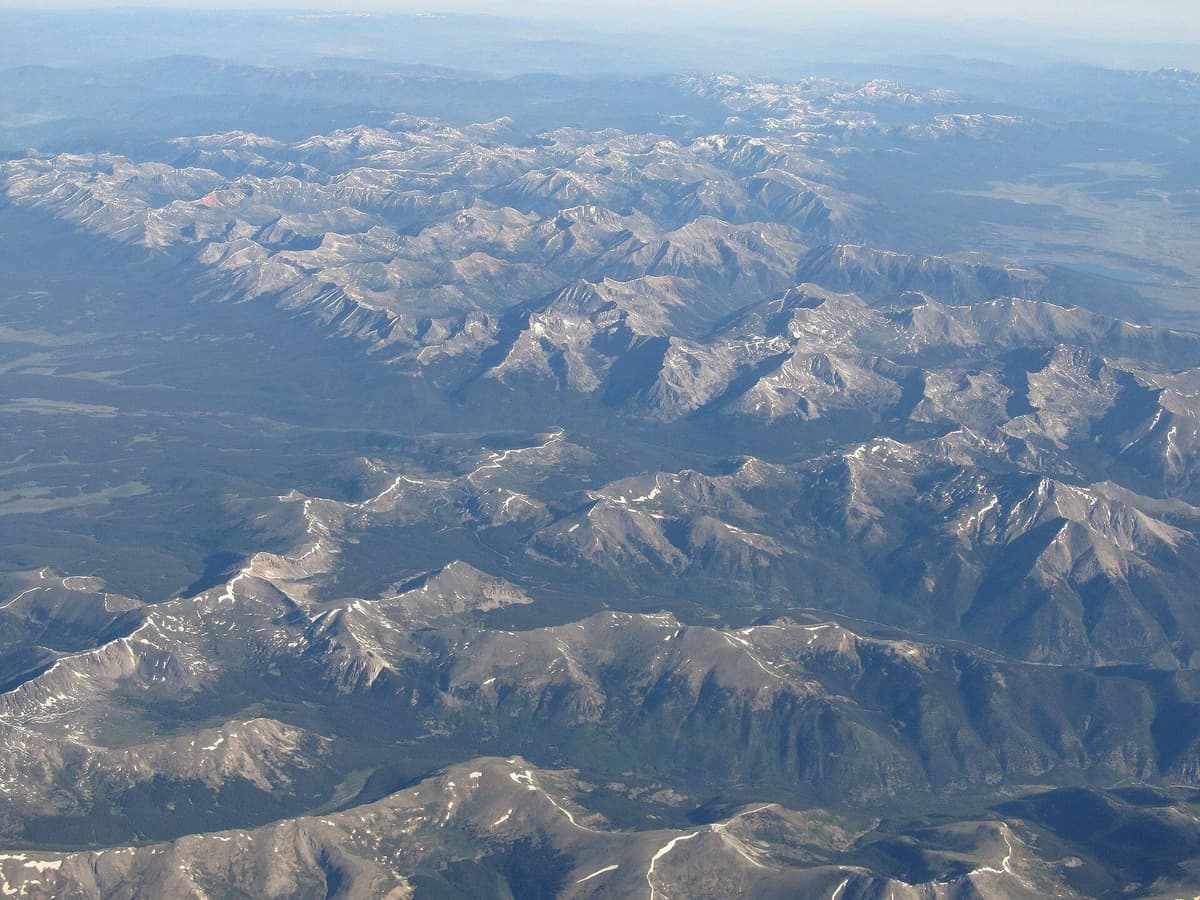
Summer is the busy season, and it comes with the rule that governs every Colorado 14er: be off the summit by noon. Afternoon thunderstorms build almost daily in July and August. They form fast, carry lightning, hail, and sharp temperature drops, and they're genuinely dangerous above treeline where there's nowhere to shelter. Elbert's upper three miles are open alpine terrain with no cover.
The pattern is predictable. Mornings start clear and calm. By late morning, clouds stack over the Sawatch crest. By early afternoon, storms are firing. That's why the standard advice is an alpine start, often 4 to 5 AM from the trailhead, so you summit around 9 or 10 and are heading down before the sky turns dark.
Even on a bluebird July day, a passing cell can drop the temperature 15 to 20°F in minutes and coat the summit in graupel. Lightning is the real threat. If you hear thunder or watch clouds building into towers, turn around and get below treeline. No summit is worth standing on the highest point in the Rockies during a storm. On Elbert the standard routes are out-and-back ridges, so bailing is simple: you just reverse course and lose elevation fast.
Winter Weather on Mount Elbert
Winter on Elbert is a full mountaineering objective. Summit highs sit between 0 and 15°F, lows drop well below zero, and wind chills reach -20 to -30°F in the deep of the season. The upper mountain is fully exposed, and whiteouts roll in quickly when a front arrives.
Elbert draws winter climbers because several routes stay on broad, moderate slopes with limited avalanche danger, and the lower stretches run through wind-protected forest. That does not make it beginner terrain. Halfmoon Creek Road to the north trailhead is not plowed in winter, which can add several road miles each way. Route-finding is harder with the trail buried, the days are short, and cold and wind punish any gear mistake.
If you plan to attempt Elbert in winter, treat it like the alpine outing it is: full insulation, traction, avalanche awareness, and a real willingness to turn around. Check the avalanche forecast at avalanche.state.co.us before you commit. For the gear and decision-making that keep cold trips safe, start with our winter hiking guide for beginners and our microspikes guide. Most first-time 14er climbers should wait for summer.
Is Mount Elbert Windy?
Yes, though the Sawatch Range tends to run a little calmer than the Front Range peaks that catch the full prevailing flow from the west. On a still summer morning, Elbert's broad summit can be pleasant enough to sit and eat lunch, which isn't a given at 14,000 feet.
That said, calmer is relative. The summit is often breezy at 15 to 30 mph, with much stronger gusts when a storm or front is near, and the wide-open upper ridge has nothing to slow the air. Wind is what turns a manageable 40°F into a face-numbing chill. Pack a wind shell every single time, and check the forecast wind speed for summit elevation, not the value for Leadville. If you're weighing which giant to climb first, our easiest 14ers for beginners guide compares Elbert against gentler options.
Why the Weather Changes as You Climb
The reason Elbert's summit feels like a different season from Leadville comes down to elevation. Air cools as you gain altitude, roughly 3 to 5°F for every 1,000 feet. The summit is about 4,300 feet above Leadville and 4,400 feet above the north trailhead, which explains most of the temperature gap before wind and exposure even enter the picture.
Higher up, the air is thinner and drier, the sun is stronger, and there's far less to block the wind. Weather that's calm and mild in town can be cold, gusty, and stormy at the top at the very same moment. You can watch a sunny morning down in the valley while clouds swallow the Sawatch summits.
The thin air does more than chill you. At 14,440 feet you're breathing roughly 40 percent less oxygen than at sea level, which is why some climbers feel lightheaded, headachy, or queasy near the top. That's altitude, not the cold, and it deserves respect. Our guide to altitude sickness in Colorado explains how to spot and prevent it, and why sleeping a night in Leadville or Twin Lakes first helps your body adjust.
What to Wear and Pack
The rule for Elbert: dress for the summit, not the trailhead. Layering is the whole game, because you might start in warm morning air and finish in near-freezing wind. Even in July, the top can be 25°F colder than where you parked.
A working summer kit looks like this:
- Insulating layer. A packable down jacket or synthetic puffy you can throw on at the top and stuff away on the climb.
- Wind and rain shell. A waterproof rain jacket blocks both wind and afternoon storms. See our rain jacket picks.
- Base layer. A merino wool base layer moves sweat on the climb and holds warmth up top. Our base layer guide covers weights.
- Hat and gloves. A warm beanie and lightweight gloves weigh almost nothing and save the summit.
- Sun protection. The high-altitude sun is fierce, and there's no shade above treeline. Bring high-SPF sunscreen and polarized sunglasses.
- Water. Altitude dries you out fast. Carry 3 liters; there's no reliable water above the lower forest.
In winter, scale all of it up: a heavier insulated jacket, warm gloves or mittens, a balaclava, and traction for snow and ice. For sturdy footwear on the upper talus, see our hiking boots guide. Even if you only plan to climb partway, keep a warm layer in your pack. Topping out unprepared is the most common mistake people make on this mountain.
How to Check the Forecast Before You Go
Town forecasts lie about the summit. A weather app pinned to Leadville shows you base conditions, which can be 20 to 25°F warmer and much calmer than the top. Check a forecast built for the elevation instead.
A few reliable sources:
- Mountain-forecast.com has a dedicated Mount Elbert forecast broken out by elevation band, so you can see summit temperature, wind, and snow separately from the base.
- The National Weather Service point forecast (forecast.weather.gov) lets you click the summit or the Twin Lakes area for a mountain-specific outlook.
- avalanche.state.co.us is the Colorado Avalanche Information Center, which you should check for any winter or early-spring attempt.
- 14ers.com posts recent trip reports and condition updates for Elbert, which are useful for knowing how much snow is still on the route.
Check the forecast the night before and again the morning of. In summer, look specifically at afternoon storm timing so you can plan to be down before it hits. In winter, read the wind, the temperature, and the avalanche rating together, since any one of them can call off the day. For the full picture on Colorado's fourteeners ranked by difficulty, see our 14ers guide, and for how Elbert's weather compares to a similar peak, our Quandary Peak weather guide.
Frequently Asked Questions
How cold is it on top of Mount Elbert?
The summit is typically 20 to 25°F colder than Leadville and 30 to 40°F colder than Denver. In summer, expect highs in the mid-40s to mid-50s; in winter, highs between 0 and 15°F with lows below zero. Wind makes it feel colder than the thermometer reads, so pack a warm layer even on a hot day in town.
What is the best month to climb Mount Elbert?
September is the best month for weather. The August monsoon storms taper off, the air turns dry and clear, and temperatures stay mild early in the month. July and August are the warmest but come with daily storm risk, so if you go then, start early and be off the summit by noon.
Does it snow on Mount Elbert in summer?
Yes. Snow can fall on Elbert in any month, including July and August. Summer snow usually shows up as brief flurries or graupel during afternoon thunderstorms and rarely lasts long, but it can drop the temperature fast and catch unprepared climbers off guard. Lingering snowfields are also common on the upper route into early July.
Can you climb Mount Elbert in winter?
Yes, and it's a popular winter 14er because several routes carry low avalanche risk. But winter Elbert is a mountaineering outing, not a casual hike. Summit wind chills reach -20 to -30°F, whiteouts are common, and Halfmoon Creek Road is unplowed, which adds miles to the day. Bring full winter gear and check the avalanche forecast first.
What time should you start climbing Mount Elbert in summer?
Start from the trailhead by 4 to 5 AM in summer so you summit around 9 or 10 and are heading down before noon. Afternoon thunderstorms build almost daily in July and August, and the upper three miles of the route are fully exposed alpine terrain with no shelter from lightning.
Final Thoughts
Mount Elbert weather rewards climbers who plan for the summit instead of the trailhead. Expect it to be 20 to 25°F colder up top, expect afternoon storms in summer, expect snow in any month, and carry the layers to match. September gives you the best odds of clear, mild conditions, and an early start keeps you ahead of the storms the rest of the season.
Check an elevation-specific forecast before you go, dress for cold and wind even on a warm morning, and Colorado's highest peak becomes one of the most approachable big summits in the state. When you're ready to plan the climb itself, start with our complete Mount Elbert guide.
Get the Colorado 14er Packing Checklist (free PDF)
Plus a weekly note on the best Colorado trails, gear deals, and seasonal hike picks. No spam, unsubscribe anytime.
We respect your inbox. Unsubscribe anytime.