Cathedral Lake Trail: Aspen's Steep, No-Permit Climb to a High Alpine Lake
The Cathedral Lake Trail is one of the best short-but-serious hikes near Aspen, a 5.5-mile round trip that climbs about 2,066 feet from a forested trailhead on Castle Creek Road to a deep blue lake at 11,866 feet, tucked in a rock cirque under the spires of Cathedral Peak. It's steep, it's rocky in the middle, and it hands you real Elk Mountains scenery in half a day. Best of all, unlike the Maroon Bells just over the ridge, you don't need a reservation or a shuttle ticket to hike it. You drive up, you park, you go.
That mix is rare in this corner of Colorado. The famous trailheads around Aspen have gone to timed permits and paid shuttles, but Cathedral Lake still runs on the old rules: a small dirt lot, a free self-register box for overnight campers, and first-come parking. The trade is the climb. This trail gains most of its elevation in a punishing middle mile of switchbacks through a boulder field, so it earns its "hard" rating even though it's short.
This guide covers the drive up Castle Creek Road past the Ashcroft ghost town, the hike broken down section by section, the optional push to Electric Pass at 13,500 feet, when to go, and what to pack for a trail that starts near 9,800 feet and only climbs from there.
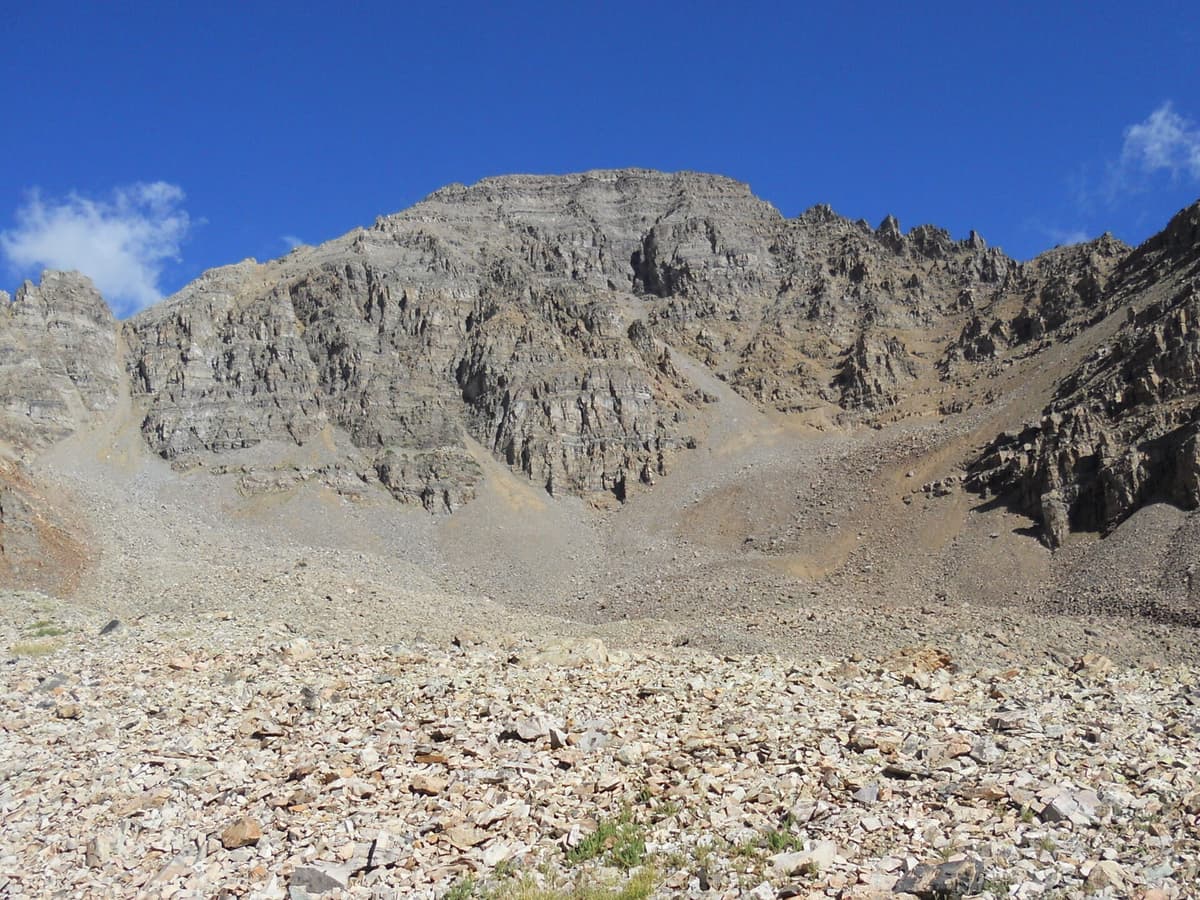
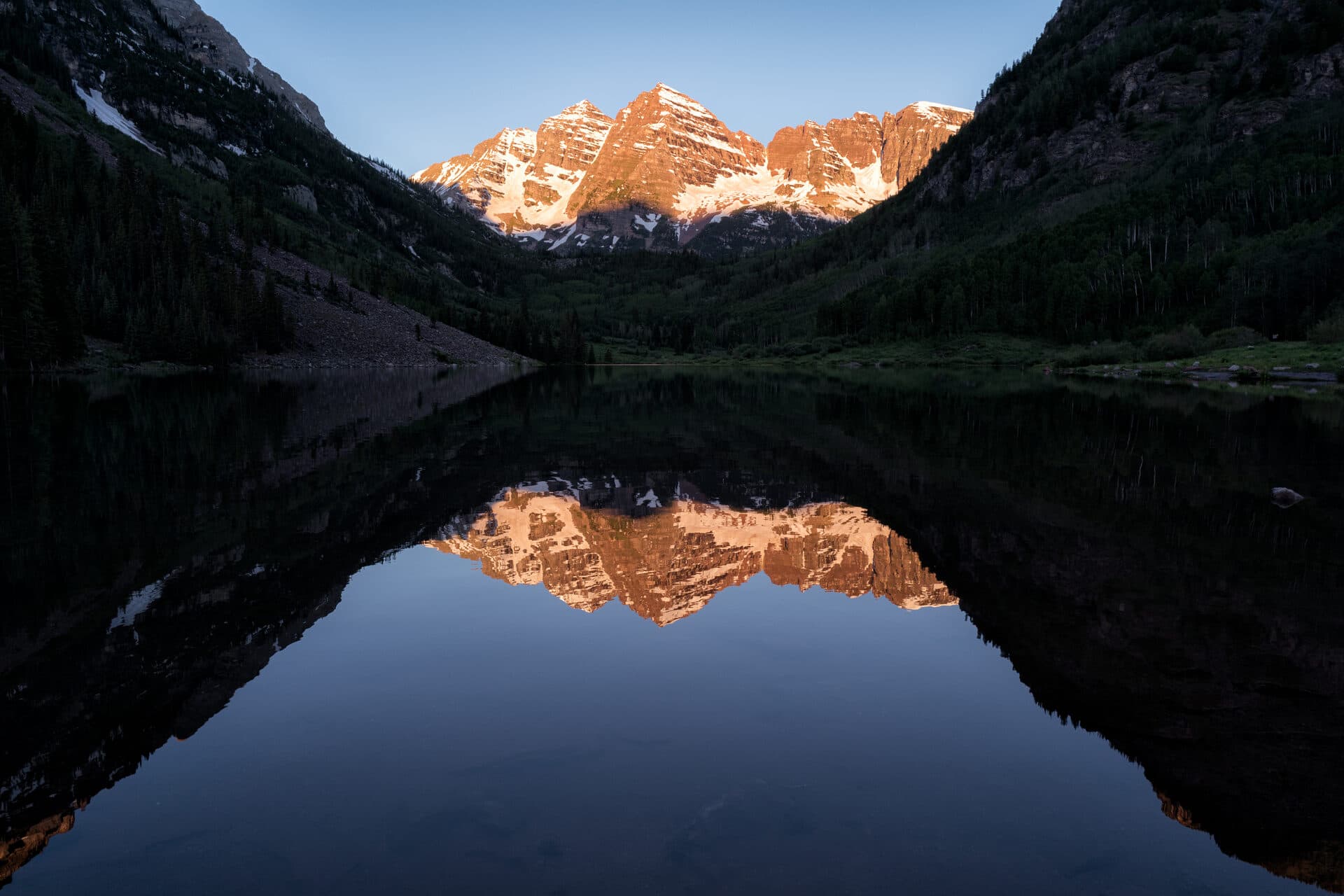
Cathedral Peak, 13,943 feet, is the jagged spire that gives the lake its name and fills the skyline above the cirque.
What You'll Learn
- Quick Stats
- Do You Need a Reservation?
- Getting to the Cathedral Lake Trailhead
- The Hike to Cathedral Lake, Step by Step
- Push On to Electric Pass
- Wildlife and Wildflowers
- Best Time to Hike
- What to Pack
- Frequently Asked Questions
Quick Stats {#quick-stats}
- Distance: about 5.5 miles round trip to the lake
- Elevation gain: roughly 2,066 feet
- Trailhead elevation: about 9,800 feet
- Lake elevation: 11,866 feet
- Difficulty: hard, mostly because of a steep rocky middle section
- Time: 4 to 4.5 hours round trip for most hikers
- Location: end of Castle Creek Road, Maroon Bells-Snowmass Wilderness, White River National Forest, near Aspen
- Permit or fee: none for day hiking; free self-register permit to camp
- Dogs: allowed on leash
Do You Need a Reservation for Cathedral Lake? {#reservation}
No. This is the headline for anyone who's tried to visit the Maroon Bells lately and hit a wall of timed-entry shuttle tickets. Cathedral Lake sits in the same Maroon Bells-Snowmass Wilderness, a few drainages north, but its trailhead has no reservation system, no entrance fee, and no shuttle. You just need a parking spot, which is the only thing in short supply.
If you plan to camp overnight, the White River National Forest asks you to fill out a free self-issued wilderness permit at the trailhead register box. It takes a minute, there's no cost, and rangers do check it in the backcountry. Day hikers don't need to sign anything.
The catch, and there's always one, is the lot. The dirt parking area at the trailhead is small, maybe a couple dozen cars, and on a July or August weekend it fills by 8 a.m. When it's full, people park along the shoulder of the access road below and walk up, which adds a little distance and some road walking on foot. If you want the easy version, treat this like any popular Colorado trail and arrive early. For a wider look at how mountain lots fill and when to show up, see our guide to Colorado trailhead parking.
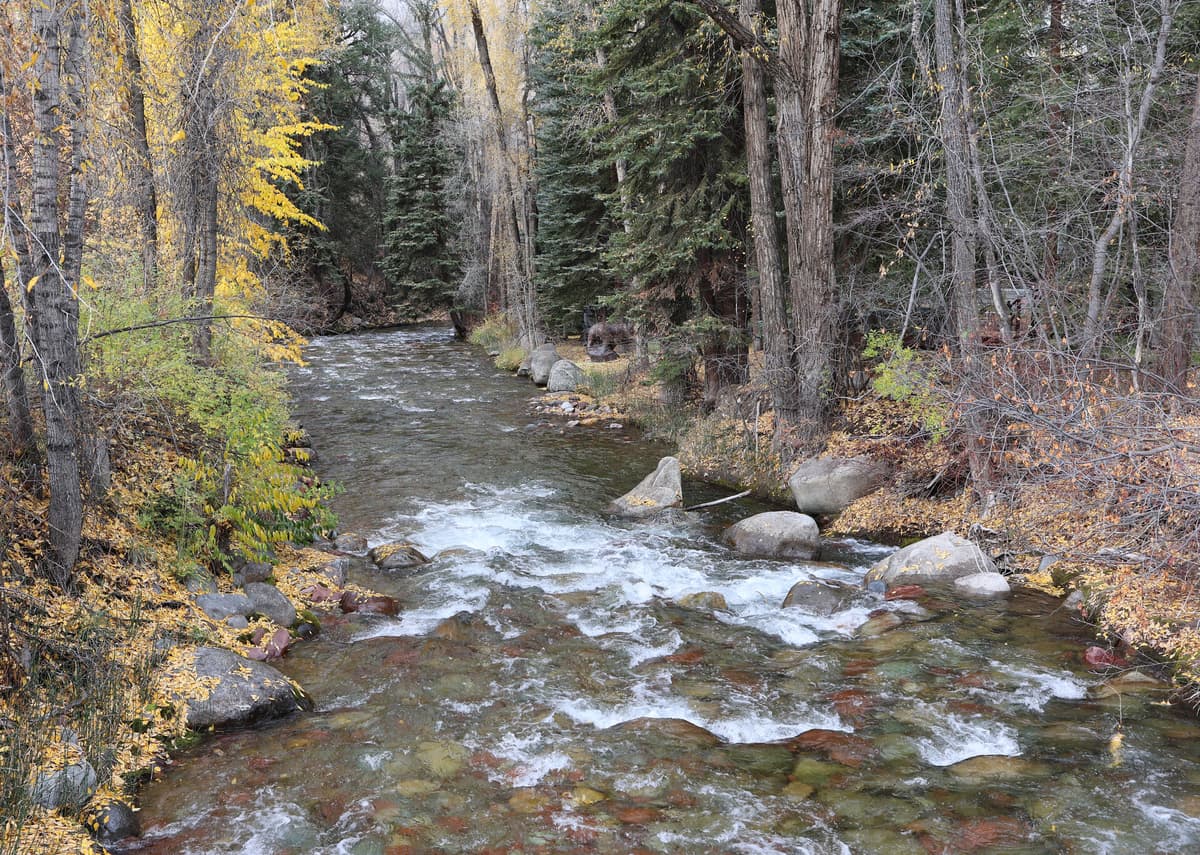
Castle Creek Road follows this valley for 12 miles from Aspen, climbing steadily toward the trailhead at its head.
Getting to the Cathedral Lake Trailhead {#getting-there}
From Aspen, drive about half a mile west on Highway 82 to the roundabout, then take Castle Creek Road (the exit signed for Ashcroft and Ashcroft Ski Touring). Follow the paved road up the Castle Creek valley for roughly 12 miles. You'll pass the old Ashcroft ghost town on your left, a cluster of preserved 1880s silver-mining buildings that's worth a stop on the way down. About half a mile past Ashcroft, watch for a right turn onto a gravel forest road signed for Cathedral Lake.
That last half mile is the only rough part of the drive. It's a rocky, rutted dirt road that climbs to the small trailhead lot. Most cars can make it if you go slow and pick your line, but a car with low clearance will scrape, and after rain it gets slick. If you'd rather not risk the oil pan, park at the bottom of the gravel road and walk up; it's a short, if steep, addition.
Plan on about 40 minutes of driving from central Aspen, more if you stop to photograph Ashcroft. There's no gas, water, or cell service up here, so top off the tank and download your maps in town. If you're building a longer trip, this trail slots neatly into our 3 days in Aspen hiking itinerary and pairs well with the other routes in our best hikes near Aspen roundup.
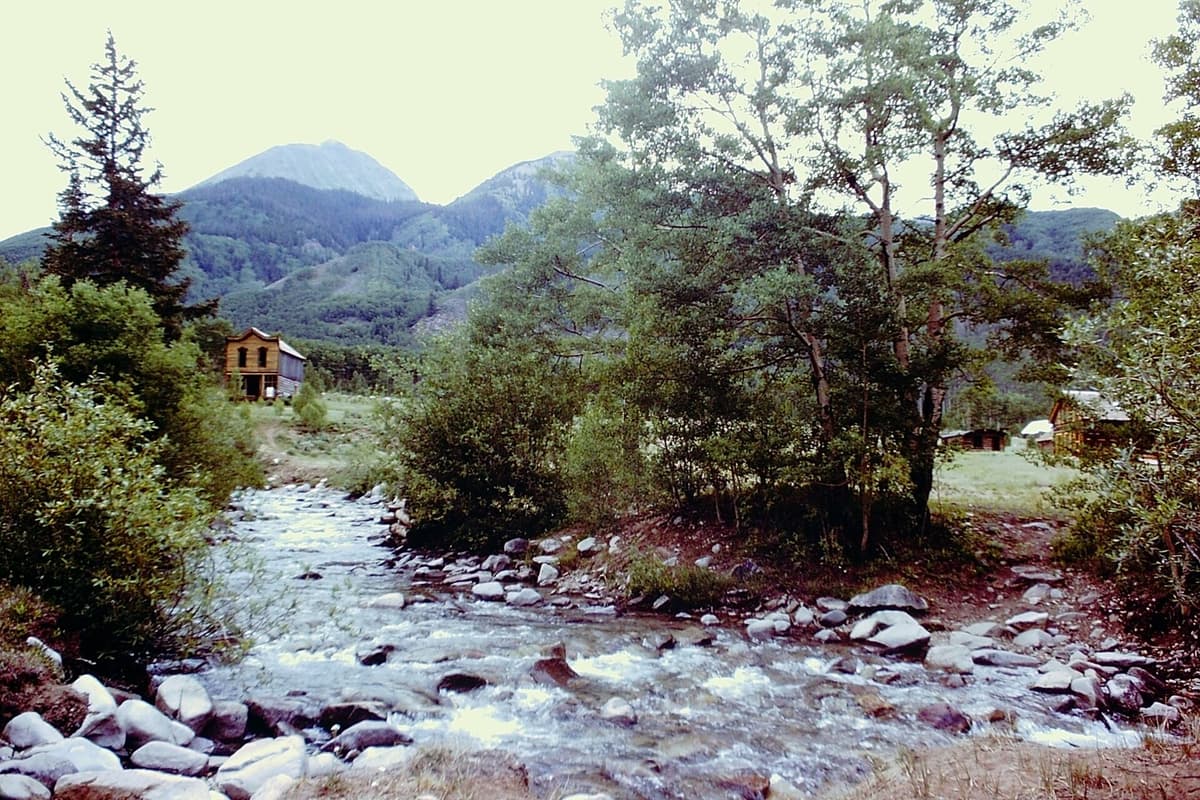
The Ashcroft ghost town, an 1880s silver camp, sits along Castle Creek Road about half a mile below the turnoff.
The Hike to Cathedral Lake, Step by Step {#the-hike}
The trail starts in a mixed forest of aspen and spruce and eases you in gently for the first mile, tracing Pine Creek up its drainage with only moderate climbing. Enjoy it, because it doesn't last. Early morning here is quiet and shaded, and in late September the aspens along this stretch turn gold.
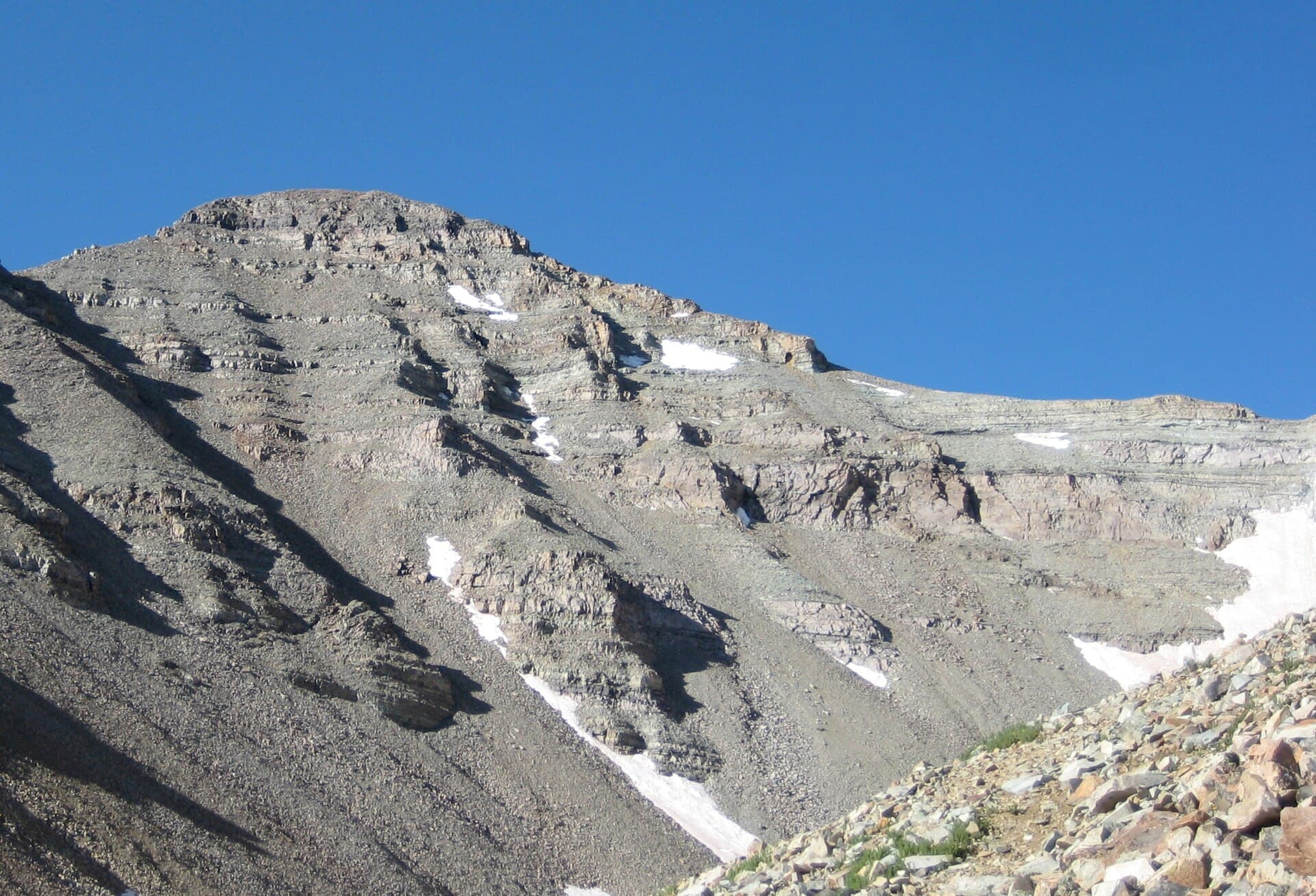
Around the one-mile mark, the trail swings into a steep, rocky drainage and gets down to business. This is the crux: a long series of tight switchbacks that grind up through a talus and boulder field, gaining a couple thousand feet of the day's elevation in not much distance. It's exposed to the sun, the footing is loose in places, and it's where most people slow way down. Snow lingers in this section into early July, so if you're going early in the season, bring traction. Take your time, keep sipping water, and remember you're already above 10,000 feet, where the air is thin enough to make any climb feel harder.
At the top of the switchbacks, the world opens up. The trail levels into a broad willow meadow, and you get your first look at the ragged wall of Cathedral Peak ahead. Around 2.3 miles in, you'll hit a signed junction: left drops the short distance to Cathedral Lake, right climbs toward Electric Pass. Go left first.
The lake sits in a rock bowl at 11,866 feet, a striking sheet of blue-green water backed by the near-vertical face of Cathedral Peak and its 13,943-foot summit. It's the kind of spot that makes the boulder-field slog feel worth it. There are flat rocks for lunch, cutthroat trout cruising the shallows for anyone who packed a rod, and usually a cold breeze coming off the water, so pull on a layer when you stop. For more high-country water like this, our roundup of the best alpine lakes in Colorado has plenty of company.
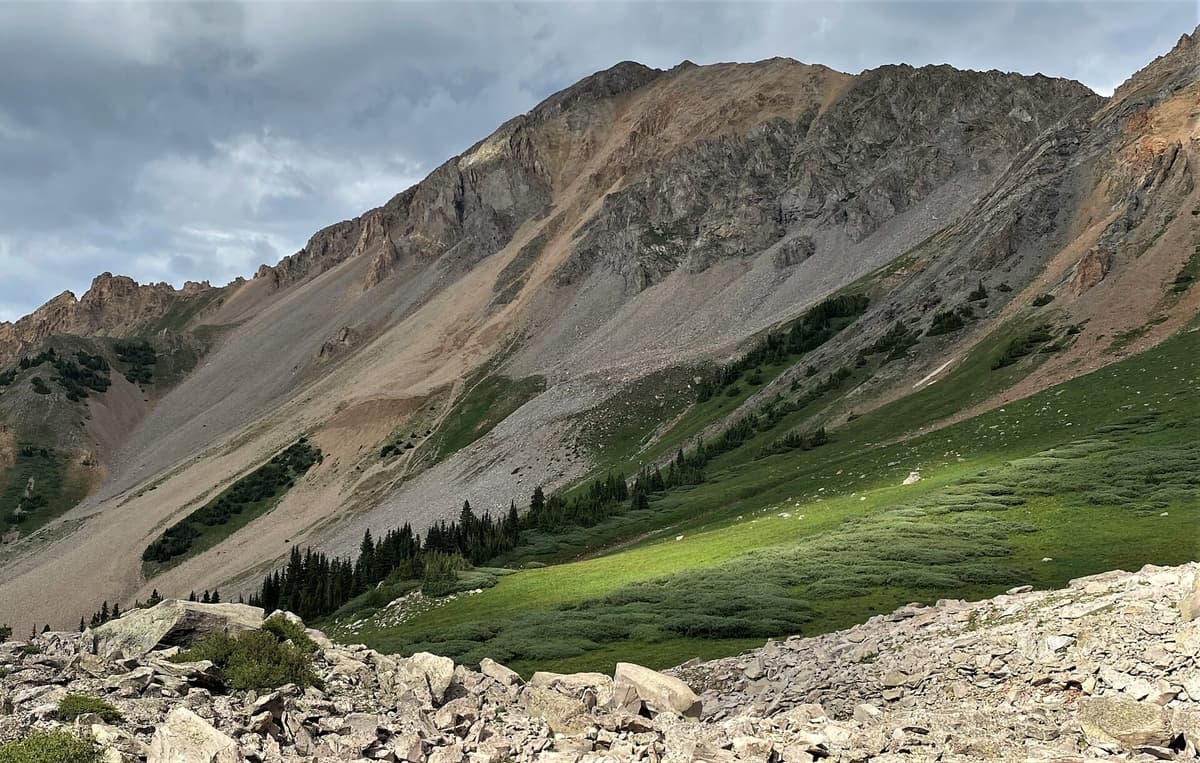
Cathedral Lake sits inside the Maroon Bells-Snowmass Wilderness, a protected range of jagged 13,000 and 14,000-foot peaks.
Push On to Electric Pass {#electric-pass}
If you've got the legs and the weather's holding, take the right fork at that junction and climb to Electric Pass. At 13,500 feet, it's often called the highest named pass in Colorado reachable by trail, and the trail up to it is a steep, relentless grind through open tundra above the lake. Going all the way from the trailhead to the pass and back turns the day into a 9.9-mile round trip with about 3,756 feet of gain, a genuinely hard outing that most hikers need 7 hours or more to finish.
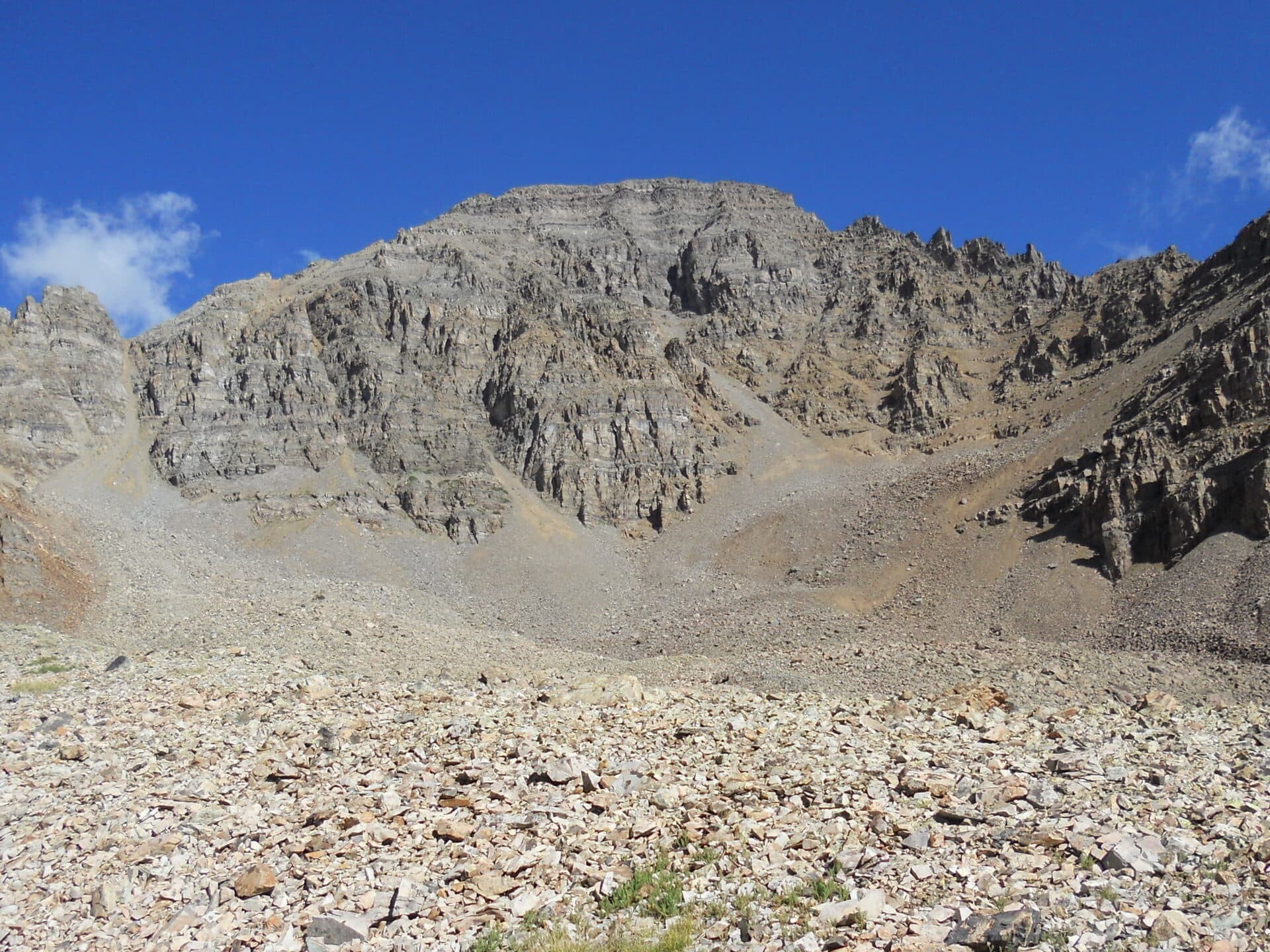
The name is a warning, not a marketing tag. Electric Pass got its name because hikers caught up there in a storm reported the air buzzing and their hair standing on end from the static charge that builds before a lightning strike. That's exactly what you want to avoid. The pass sits on an exposed ridge between Cathedral Peak and 13,632-foot Electric Pass Peak, with nowhere to hide, so this is a summit-early, watch-the-sky objective in the strictest sense. If clouds are building by late morning, turn around at the lake and save the pass for another day.
The reward, on a clear morning, is one of the biggest views in the Elk Mountains: a sea of jagged 13,000 and 14,000-foot summits stretching toward the Maroon Bells and Castle Peak. If you're new to hikes this high, read up on altitude sickness before you commit to the extra 1,600 feet, because the pass tops out well into the range where thin air starts to bite.
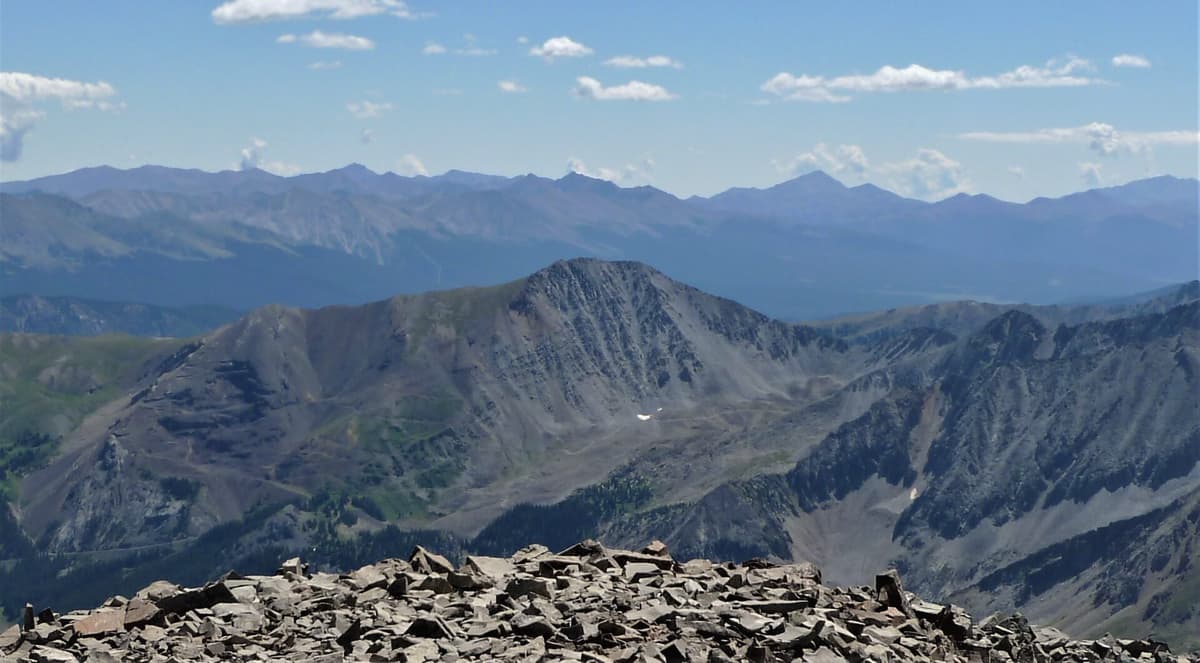
The tundra above Cathedral Lake opens onto a wall of Elk Mountains summits, the payoff for the climb to Electric Pass.
Wildlife and Wildflowers {#wildlife}
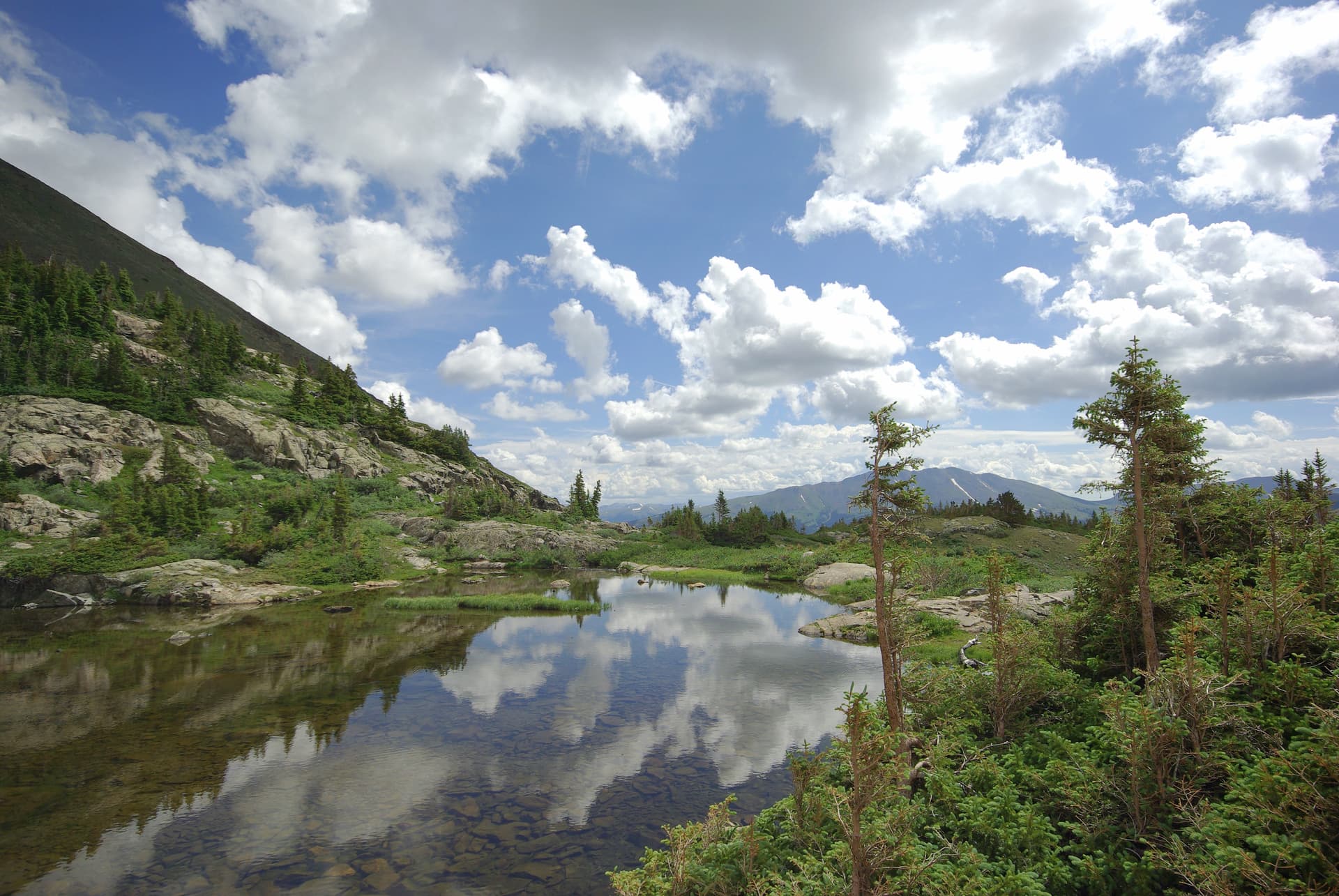
The meadows below and around Cathedral Lake put on a real show from mid-July into August. Columbine, paintbrush, and elephant head fill the willow flats above the switchbacks, and the aspen forest lower down glows gold in late September. If wildflowers are your thing, this trail belongs on the same list as our best spring wildflower hikes in Colorado, just a few weeks later up here at altitude.
On the wildlife side, keep an eye out for yellow-bellied marmots sunning on the talus, pikas squeaking from the rock piles, and mule deer in the lower forest. Black bears move through this whole drainage, so if you're camping overnight, store your food in a bear-resistant container and keep a clean site. Moose have been turning up more often in the willows near the lake, too. Give any moose at least 50 feet and back off the way you came if one's on the trail.
Best Time to Hike Cathedral Lake {#when-to-go}
The sweet spot is mid-July through late September. The trail and the rough access road usually clear of snow by early to mid-July, though that steep boulder field can hold drifts a little longer, so an ice axe or traction is smart on early-July trips. From late July through August you get the wildflowers, the warmest lake temps, and the longest stretch of dry mornings.
Late September is the quiet favorite. The aspens along Castle Creek turn brilliant gold, the summer crowds thin out, and the air is crisp. Just know the days are shorter and the high country can get its first snow anytime, so start earlier and pack warmer.
Whenever you go, treat afternoon thunderstorms as the real hazard here. They build fast over the Elks in summer, and both the lake basin and Electric Pass are badly exposed. Aim to be off the high ground and back into the trees by noon or shortly after. For the bigger picture on hiking this range, our best hikes near Aspen guide lays out how the seasons play out across the valley.
What to Pack {#what-to-pack}
You're starting near 9,800 feet and climbing to almost 12,000, so pack for real mountain weather even on a warm morning in town.
- A comfortable daypack. Room for layers, water, and lunch. See our best hiking daypacks roundup, or browse daypacks on Amazon.
- A rain shell. Non-negotiable for afternoon storms up this high. Grab a packable rain jacket.
- An insulating layer. A light down or synthetic jacket for the cold, breezy lakeshore.
- Trekking poles. Your knees will thank you on that rocky descent. Here are trekking poles.
- Traction for early season. Microspikes if you're hiking before mid-July, when the boulder field still holds snow.
- Water and a way to treat more. Carry two liters and a water filter to refill from the creek.
- Sun protection. The high sun is fierce on the exposed switchbacks, so bring sunscreen and a hat.
Frequently Asked Questions {#faq}
How long and how hard is the Cathedral Lake Trail?
Cathedral Lake is about 5.5 miles round trip with roughly 2,066 feet of elevation gain, and it's rated hard. Most of the climb comes in a steep, rocky middle section of switchbacks. Fit hikers finish in 4 to 4.5 hours, longer if you continue to Electric Pass.
Do you need a permit or reservation for Cathedral Lake?
No reservation or fee is required to day hike Cathedral Lake, which sets it apart from the nearby Maroon Bells. Overnight campers need to fill out a free, self-issued wilderness permit at the trailhead register box. The only real limit is parking, since the lot is small and fills early.
How high is Cathedral Lake?
Cathedral Lake sits at 11,866 feet in a rock cirque below 13,943-foot Cathedral Peak. The trailhead starts near 9,800 feet, so you gain about 2,000 feet on the way up. If you push on to Electric Pass, you top out around 13,500 feet.
Can you drive a regular car to the Cathedral Lake trailhead?
Castle Creek Road is paved all the way to the turnoff, but the final half-mile gravel road to the lot is rocky and rutted. Many cars make it slowly, but low-clearance vehicles risk scraping. If in doubt, park at the bottom of the gravel road and walk the short distance up.
What is Electric Pass and why the name?
Electric Pass, at 13,500 feet, is often called the highest named pass in Colorado you can reach by trail. It's named for the static electricity that builds on its exposed ridge before storms; hikers have reported buzzing air and hair standing on end. That exposure makes it a summit-early, watch-the-weather goal.
Plan the Trip
Cathedral Lake gives you a real Elk Mountains lake, and an optional shot at one of the state's highest passes, without the permit hassle of the Maroon Bells next door. Book nothing, arrive early, climb the boulder field, and be off the high ground before the afternoon storms. When you're ready to keep exploring the valley, our best hikes near Aspen guide maps out where to go next.
Get the Colorado 14er Packing Checklist (free PDF)
Plus a weekly note on the best Colorado trails, gear deals, and seasonal hike picks. No spam, unsubscribe anytime.
We respect your inbox. Unsubscribe anytime.