10 Best Spring Waterfall Hikes in Colorado (Peak Snowmelt Guide 2026)
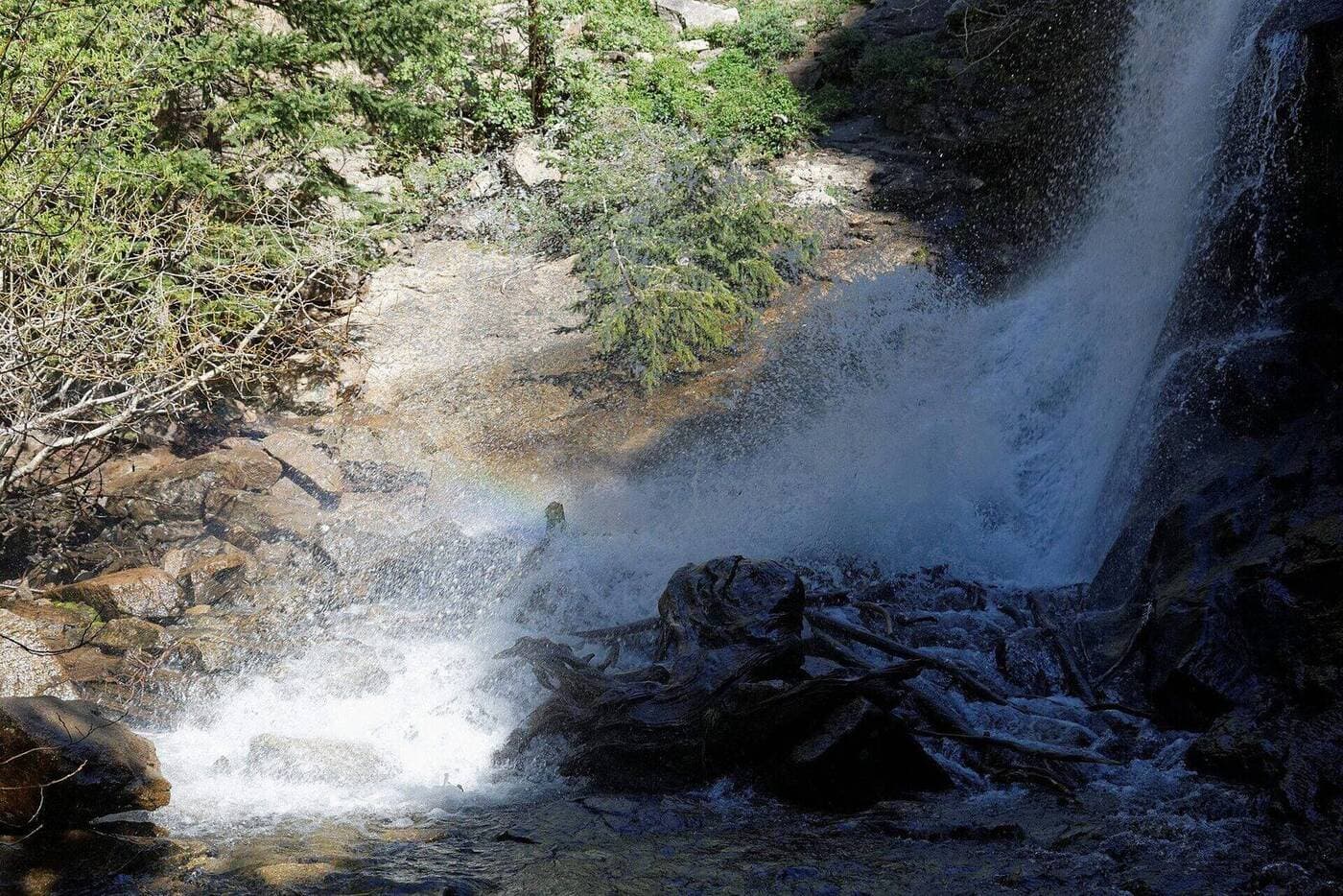
Colorado's waterfalls hit different in spring. Snowmelt from the high country turns every creek and cascade into a full-throttle show from late April through June, and trails that feel sleepy by August are thundering with whitewater during peak runoff. If you've been waiting all winter to chase waterfalls, this is your window.
Here are the 10 best spring waterfall hikes across the state, organized by region so you can plan a weekend trip or a full road trip.
What You'll Learn
- When to go for peak waterfall flow
- Front Range waterfalls (close to Denver)
- Western Slope waterfalls
- Southern Colorado waterfalls
- What to bring
- FAQ
When Is the Best Time to See Waterfalls in Colorado?
Timing depends on elevation and snowpack, but here's the general breakdown:
- Late April to May: Lower-elevation falls (below 8,000 feet) start pumping as the Front Range snowpack melts. Boulder Falls, Helen Hunt Falls, and Rifle Falls are all accessible and flowing strong.
- Late May to June: Mid-elevation falls (8,000 to 10,000 feet) hit their stride. This is prime time for Fish Creek Falls and Zapata Falls.
- June to early July: High-elevation waterfalls like Bridal Veil Falls in Telluride and the cascades around Ouray peak as alpine snowfields melt. Some trails may still have snow on them.
Heavy snow years push everything later by two to three weeks. Check local ranger district websites or the USGS streamflow gauges for real-time conditions before you drive.
Quick pick: If you only have time for one waterfall this spring, make it Hanging Lake. The turquoise water, the permit system keeping crowds manageable, and the Bridal Veil/Spouting Rock combo make it Colorado's most unforgettable waterfall experience.
Front Range Waterfall Hikes
1. Boulder Falls. Boulder Canyon
Distance: 0.2 miles (out and back) | Elevation Gain: 50 feet | Difficulty: Easy
You can see this one from the parking pullout on Highway 119, but a short scramble down gets you close enough to feel the mist. Boulder Falls drops about 70 feet over a granite cliff face, and spring runoff turns it from a trickle into a roaring column of whitewater by late April.
It's the easiest waterfall hike on this list, perfect for families or anyone who wants a quick nature hit without committing to a full day on the trail. The canyon walls frame the falls beautifully, and morning light is best for photos.
Pro tip: The pullout fills up fast on weekends. Arrive before 9 AM or go on a weekday. There's no official trail, and the rocks near the base get slippery from spray, so wear shoes with good grip.
What you'll see: 70-foot cascade, moss-covered granite walls, Boulder Creek whitewater
2. Helen Hunt Falls and Silver Cascade Falls. Colorado Springs
Distance: 3.2 miles (out and back to Silver Cascade) | Elevation Gain: 1,300 feet | Difficulty: Moderate
Helen Hunt Falls sits right off the road in North Cheyenne Canyon Park, making it one of the most visited waterfalls in Colorado. But the real reward is continuing up the trail to Silver Cascade Falls, a more secluded multi-tiered cascade that most visitors skip.
The trail to Silver Cascade follows North Cheyenne Creek through ponderosa pine forest, gaining about 1,300 feet over 1.6 miles. You'll cross several footbridges and pass through sections where the canyon narrows and the sound of rushing water bounces off both walls.
Spring is hands-down the best season here. By mid-May, snowmelt from Pikes Peak feeds both falls at full volume. If you're exploring more hikes near Colorado Springs, this trail pairs well with a visit to Seven Falls (paid attraction) the same day.
What you'll see: Two waterfalls, pine-forested canyon, views over Colorado Springs
Western Slope Waterfall Hikes
3. Hanging Lake. Glenwood Canyon
Distance: 2.4 miles (out and back) | Elevation Gain: 1,200 feet | Difficulty: Moderate
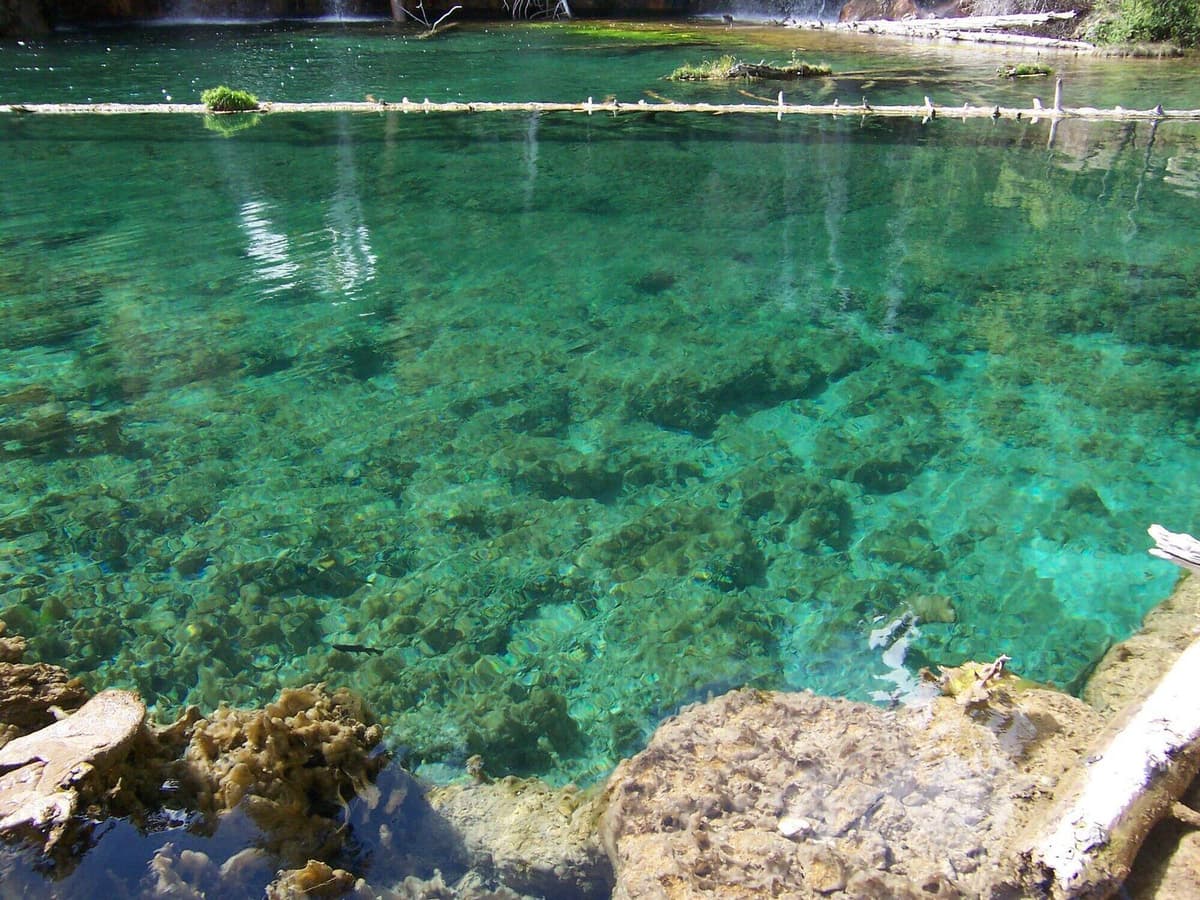
Hanging Lake is Colorado's most famous waterfall hike, and it earns the reputation. The trail climbs steeply through Glenwood Canyon to a turquoise lake perched on a cliff ledge, fed by Bridal Veil Falls flowing through travertine formations. If you continue past the lake, you'll reach Spouting Rock, where water shoots directly out of the cliff face.
You need a permit. The reservation system limits daily visitors to protect the fragile travertine. Book through visitglenwood.com as early as possible; spring dates sell out weeks in advance. Permits cost $12 per person and include shuttle transportation from the visitor center.
The trail itself is steep and rocky with switchbacks and seven bridge crossings. It's not technical, but it's a consistent uphill grind. Trekking poles help, especially on the descent when your legs are tired.
Late May through mid-June is the sweet spot: warm enough that the trail is snow-free, but early enough that snowmelt keeps the falls raging and the lake at its most vivid turquoise.
What you'll see: Turquoise travertine lake, Bridal Veil Falls, Spouting Rock
4. Rifle Falls. Rifle Falls State Park
Distance: 0.3 miles (out and back) | Elevation Gain: Minimal | Difficulty: Easy
Rifle Falls is unlike anything else in Colorado. Three separate streams of water pour over a 70-foot moss-covered limestone cliff, creating a triple waterfall that looks more like something you'd find in Costa Rica than the Western Slope.
The walk from the parking lot is barely five minutes, making this one of the most accessible waterfalls in the state. Behind the falls, limestone caves have formed over thousands of years; you can explore several of them with a flashlight. Spring flow in May and June makes all three channels run full and heavy.
A state parks pass ($10/day) is required. The park also has great camping if you want to make a weekend of it. Pair this stop with Hanging Lake, which is about an hour east on I-70.
What you'll see: Triple waterfall, limestone caves, moss-covered cliff, lush vegetation
5. Bridal Veil Falls. Telluride
Distance: 3.6 miles (out and back) | Elevation Gain: 1,700 feet | Difficulty: Strenuous
At 365 feet, Bridal Veil Falls is the tallest free-falling waterfall in Colorado. You can see it from downtown Telluride, hanging off the cliff at the end of the box canyon like a white ribbon against dark rock. Getting to the base is another story.
The trail follows an old mining road up the valley, gaining elevation steadily as the falls grow larger above you. The last section to the top is steep and exposed. At the summit, you'll find a historic hydroelectric power plant (still operational) and views down the valley that'll make you forget how hard your lungs worked getting there.
Spring timing matters here. The road to the trailhead typically opens in late May, and peak snowmelt in June makes the falls massive. By late July, flow drops significantly. If you're planning a Telluride hiking trip, put this one at the top of your list.
Bring a waterproof daypack since spray near the base can soak your gear, and layers for the cooler temps at the upper viewpoint.
What you'll see: Colorado's tallest waterfall (365 feet), historic power plant, San Juan Mountain views
6. Fish Creek Falls. Steamboat Springs
Distance: 5 miles (out and back to upper falls) | Elevation Gain: 1,000 feet | Difficulty: Moderate
Fish Creek Falls is really two waterfalls in one trip. The lower falls drop 283 feet and sit just a quarter-mile from the parking lot on a paved, wheelchair-accessible trail. You'll hear the roar before you see it during spring runoff.
For a bigger adventure, continue on the trail to the upper falls, a 2.5-mile hike through spruce and aspen forest. The upper falls are smaller but more secluded, and you'll likely have them to yourself even on busy weekends. The trail parallels Fish Creek the entire way, with several spots to stop and watch the whitewater.
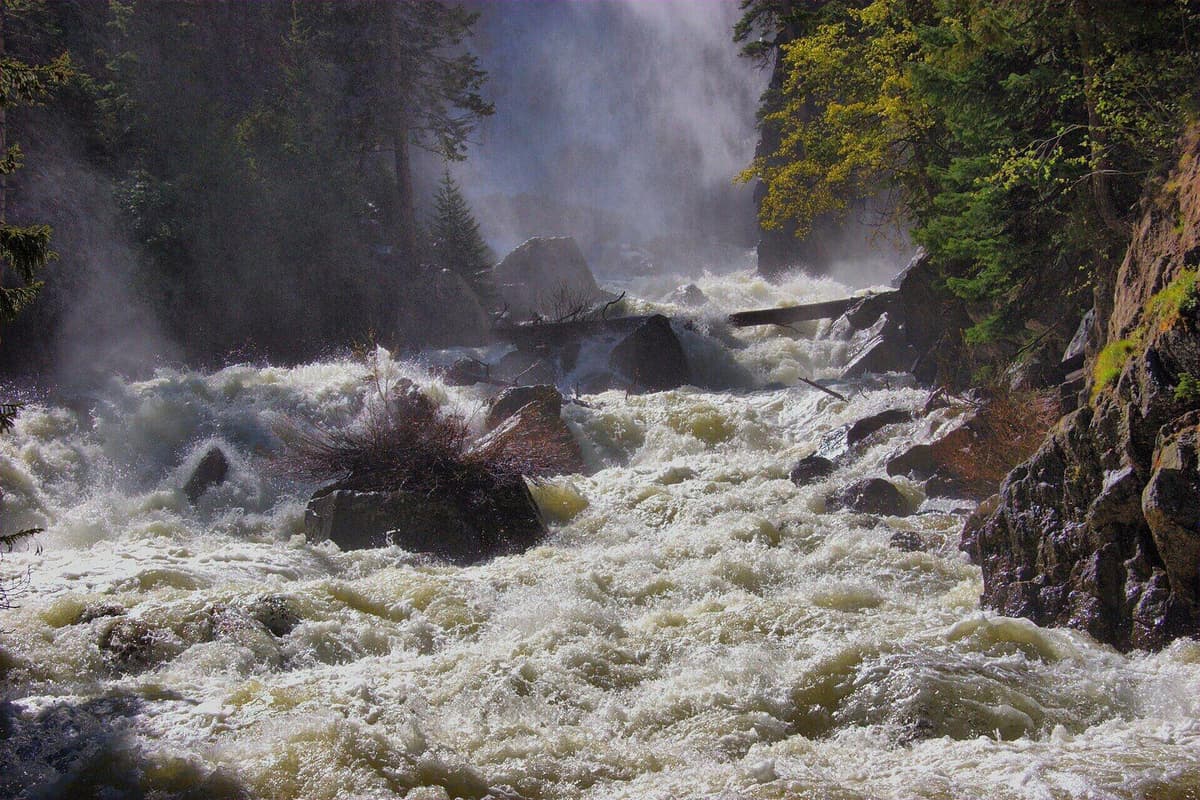
Late May through mid-June is when the lower falls are at their most dramatic. The thundering sound echoes off the canyon walls and mist coats everything within 50 feet of the viewing bridge. It's loud enough that you'll struggle to have a conversation.
What you'll see: 283-foot lower falls, secluded upper falls, spruce-aspen forest
7. North Clear Creek Falls. Creede
Distance: 0.1 miles (viewpoint walk) | Elevation Gain: Minimal | Difficulty: Easy
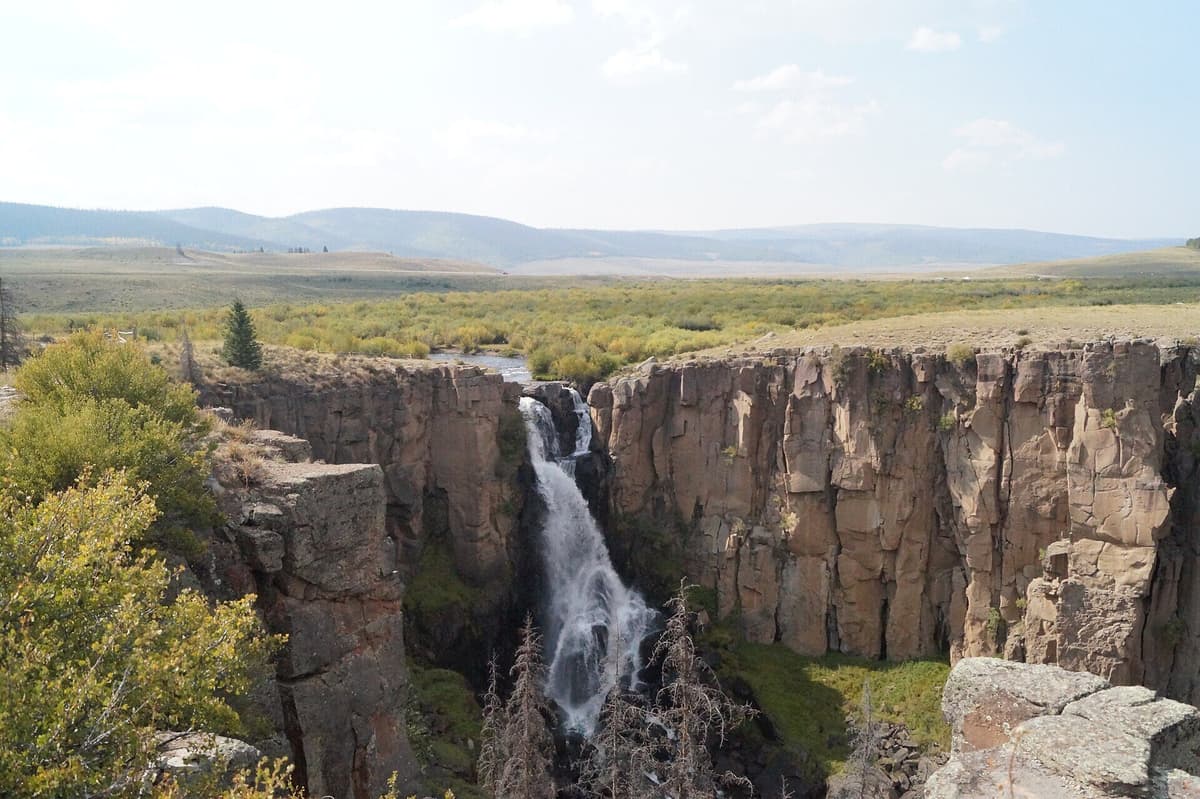
This is the waterfall that catches everybody off guard. North Clear Creek Falls drops 100 feet over a wide volcanic rock ledge in a remote stretch of the San Juan Mountains between Lake City and Creede. It's one of the most photographed waterfalls in Colorado, and when you see it, you'll understand why.
The viewpoint is a short walk from the parking area off Highway 149. You don't need to hike at all. The falls are wide rather than tall, creating a curtain of whitewater that catches the light differently throughout the day. Morning and late afternoon give the best photo conditions.
Spring is peak flow season, typically mid-May through June. The falls run year-round, but the volume during snowmelt is dramatically higher than late summer. If you're driving the Silver Thread Scenic Byway, this is a mandatory stop.
What you'll see: 100-foot curtain waterfall, volcanic rock formations, San Juan Mountain panoramas
Southern Colorado Waterfall Hikes
8. Zapata Falls. Great Sand Dunes
Distance: 0.9 miles (out and back) | Elevation Gain: 200 feet | Difficulty: Easy to moderate
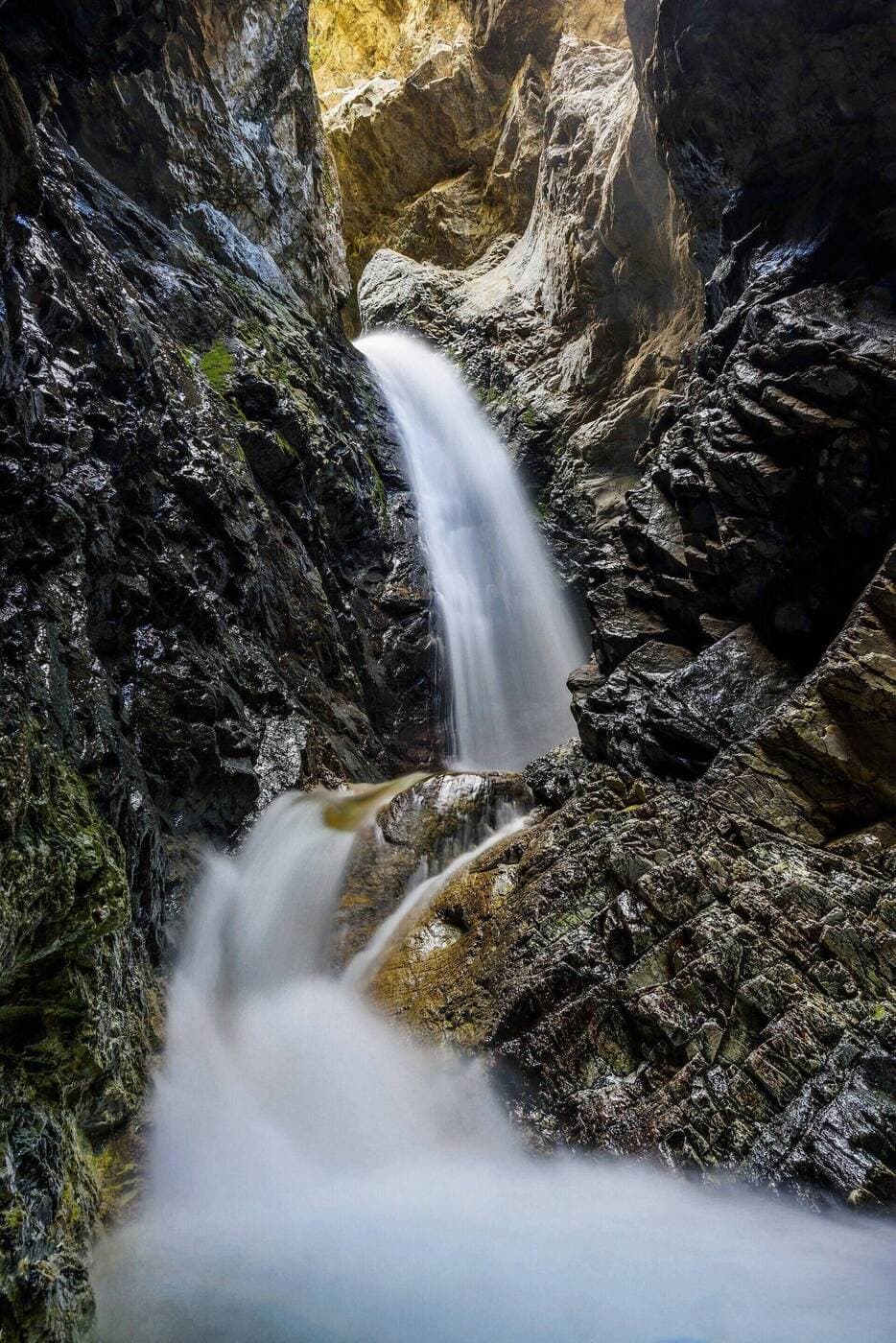
Zapata Falls hides inside a narrow rock grotto on the western flank of the Sangre de Cristo Mountains, just south of Great Sand Dunes National Park. The short hike doesn't prepare you for the payoff: you wade through a shallow creek into a slot canyon where a 30-foot waterfall drops between towering rock walls.
The approach requires a high-clearance vehicle on a rough dirt road (2WD won't cut it in spring mud). Once you're at the trailhead, the hike is short but involves rock-hopping and wading through cold creek water to reach the falls. Bring water shoes or hiking sandals and be ready for cold water, even in May.
Late May through June gives you the best combination of strong water flow and manageable creek temperatures. Pair this with a visit to the Great Sand Dunes, which is 15 minutes north.
What you'll see: Hidden grotto waterfall, slot canyon, Sangre de Cristo views, sand dunes panorama
9. Treasure Falls. Pagosa Springs
Distance: 0.5 miles (out and back) | Elevation Gain: 200 feet | Difficulty: Easy
Treasure Falls is one of the best roadside waterfalls in Colorado. Located right off Highway 160 between Pagosa Springs and Wolf Creek Pass, this 100-foot cascade is visible from the road but worth the short walk to the viewing platform at its base.
The trail climbs through a mixed conifer forest for about a quarter mile to a wooden viewing deck. From there, the falls tower above you, throwing spray across the platform during peak flow. There's a steeper scramble trail that continues to the top of the falls for adventurous hikers, but the main viewpoint delivers the best perspective.
Spring snowmelt from Wolf Creek Pass (which regularly gets 400+ inches of snow per year) feeds Treasure Falls, making late May and June the most impressive months. The rest of the year, it's pretty but subdued. If you're driving to or from the Durango area, this is a perfect 20-minute stop.
What you'll see: 100-foot roadside waterfall, conifer forest, Wolf Creek Pass views
10. Rainbow Falls. Manitou Springs
Distance: 1.5 miles (out and back) | Elevation Gain: 400 feet | Difficulty: Easy to moderate
Rainbow Falls (also called Grizzly Falls) sits at the end of a creek-side trail in the Ute Pass area just west of Manitou Springs. The 30-foot falls aren't the biggest on this list, but the canyon setting and easy access from Colorado Springs make it a solid spring outing.
The trail follows Fountain Creek through a narrow canyon with red sandstone walls. Spring runoff from the Pikes Peak massif pushes the creek high, making the falls impressive from mid-April through May. It's one of the earlier waterfalls to peak in Colorado because of the relatively low elevation.
What you'll see: 30-foot cascade, red sandstone canyon, Fountain Creek whitewater
Gear for Spring Waterfall Hikes
Spring waterfall trails in Colorado have their own challenges: muddy paths, creek crossings, cold spray, and unpredictable weather. Here's what to bring:
- Waterproof hiking boots. Non-negotiable for spring. Trails near waterfalls stay wet and muddy, and creek crossings are common.
- Trekking poles. Slippery rocks near falls are the number one cause of injuries. Poles give you extra stability.
- Rain jacket. You'll get misted at close viewpoints, and spring weather can shift fast in the mountains.
- Microspikes. Early spring trails above 8,000 feet often have icy patches, especially on north-facing slopes. Bring them through mid-May.
- Dry bag. Keep your phone and camera dry near heavy spray zones.
- Extra socks. Your feet will get wet. Pack a dry pair for the drive home.
For a complete packing breakdown, check out our hiking food and snack guide to stay fueled on the trail.
Tips for Spring Waterfall Chasing
Check road conditions before you go. Higher-elevation trailheads (Bridal Veil Falls, Zapata Falls) may have snow-covered or muddy access roads into May. Call the local ranger district or check COTRIP for road status.
Go on weekdays. Hanging Lake, Boulder Falls, and Helen Hunt Falls get slammed on weekends from May through September. Weekday mornings give you smaller crowds and better light for photos.
Respect closures and permits. Hanging Lake requires a reservation. Some waterfalls near Ouray close during spring avalanche season. Don't bypass barriers; they're there because conditions are genuinely dangerous.
Watch for ice. Even in late April, trails above 8,000 feet can have ice patches on shaded sections. Test your footing before committing, especially near cliff edges.
Frequently Asked Questions
What is the tallest waterfall in Colorado?
Bridal Veil Falls near Telluride stands at 365 feet, making it the tallest free-falling waterfall in Colorado. It's most impressive during June snowmelt when the entire face of the cliff runs white with water. You can see it from town, but the 3.6-mile hike to the top is worth the effort.
Do you need permits for waterfall hikes in Colorado?
Most waterfall trails don't require permits. The big exception is Hanging Lake in Glenwood Canyon, which requires a $12 reservation booked in advance. Some falls in state parks (Rifle Falls, Helen Hunt Falls area) require a Colorado State Parks pass at $10/day or $80/year.
Are waterfall hikes safe in spring?
Spring waterfall hikes are generally safe if you use common sense. The biggest risks are slippery rocks near the falls, swollen creek crossings, and icy trail sections at higher elevations. Wear waterproof boots with good traction, bring trekking poles, and don't climb on wet rocks near the falls' edge. Keep kids close at viewpoints.
When is peak snowmelt in Colorado?
Peak snowmelt typically hits between late May and mid-June for most of Colorado, though it varies by elevation and snow year. Lower-elevation falls (Boulder Falls, Helen Hunt Falls) peak in late April to May. High-elevation falls like Bridal Veil and Fish Creek peak in June. Heavy snow years can push everything two to three weeks later.
Can you swim at Colorado waterfalls?
Swimming is prohibited at Hanging Lake to protect the fragile ecosystem. At most other falls, it's technically allowed but rarely comfortable. Snowmelt water temperatures hover around 40 to 50 degrees in spring, and currents near falls can be dangerously strong. If you want to swim, the pools below Rifle Falls and some of the lower cascade pools near Ouray are the safest options once flow calms down in July.
New to hiking in Colorado? Start with our complete beginners guide for everything you need to know about altitude, gear, and trail etiquette before hitting the trail.
Get the Colorado 14er Packing Checklist (free PDF)
Plus a weekly note on the best Colorado trails, gear deals, and seasonal hike picks. No spam, unsubscribe anytime.
We respect your inbox. Unsubscribe anytime.