12 Best Hikes Near Estes Park, Colorado (2026 Trail Guide)
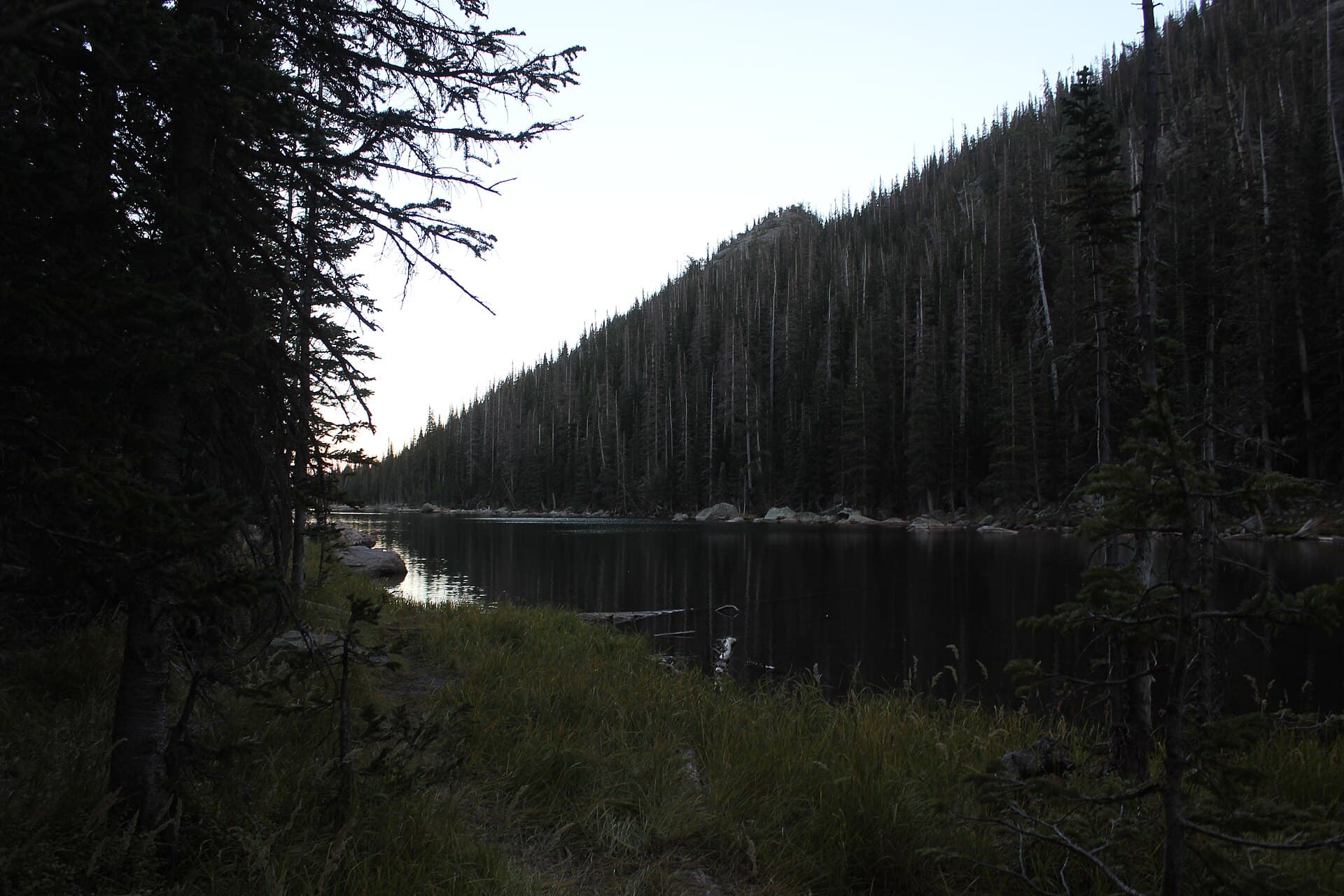
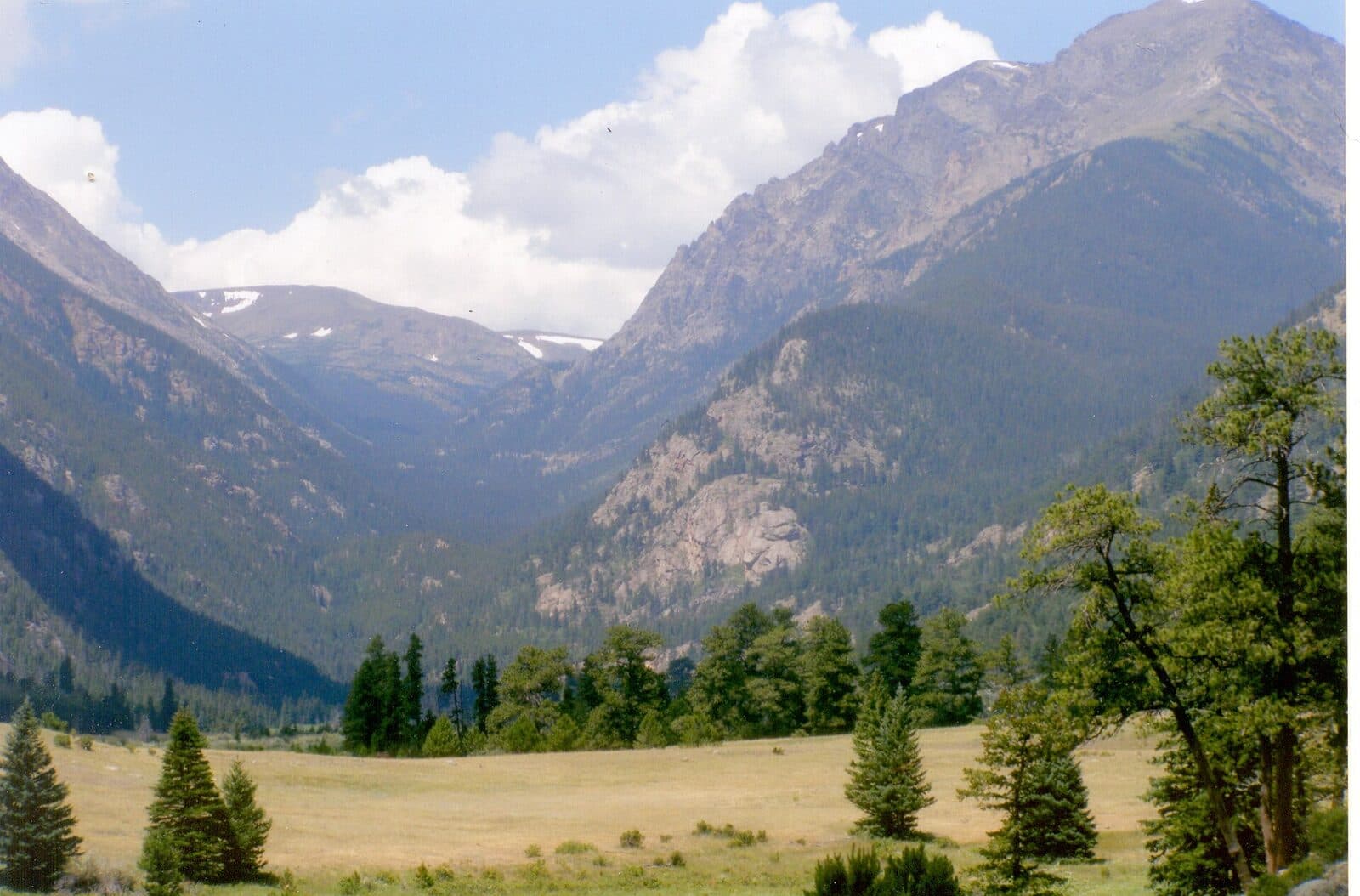
Estes Park is the eastern gateway to Rocky Mountain National Park, and almost every great hike near town sits inside the park boundary. That's both the draw and the catch. You get glacier-carved lakes, granite cirques, and elk grazing in the meadows, but from late May through mid-October you'll need a timed-entry permit to drive in, and the marquee trailheads fill before sunrise. The good news is that the variety here covers everyone, from a paved lakeside stroll the whole family can do to a leg-burning scramble up to a hanging lake below the Continental Divide. Here are the 12 best hikes near Estes Park, what to expect on each, and how to actually pull them off.
What You'll Learn
- Sprague Lake Trail
- Bear Lake Trail
- Lily Lake Trail
- Cub Lake Trail
- Emerald Lake Trail
- Bierstadt Lake Trail
- Deer Mountain
- Mills Lake Trail
- Fern Lake Trail
- Sky Pond via Glacier Gorge
- Chasm Lake
- Crosier Mountain
- Timed-Entry Permits and Beating the Crowds
- What to Bring on Estes Park Hikes
- Frequently Asked Questions
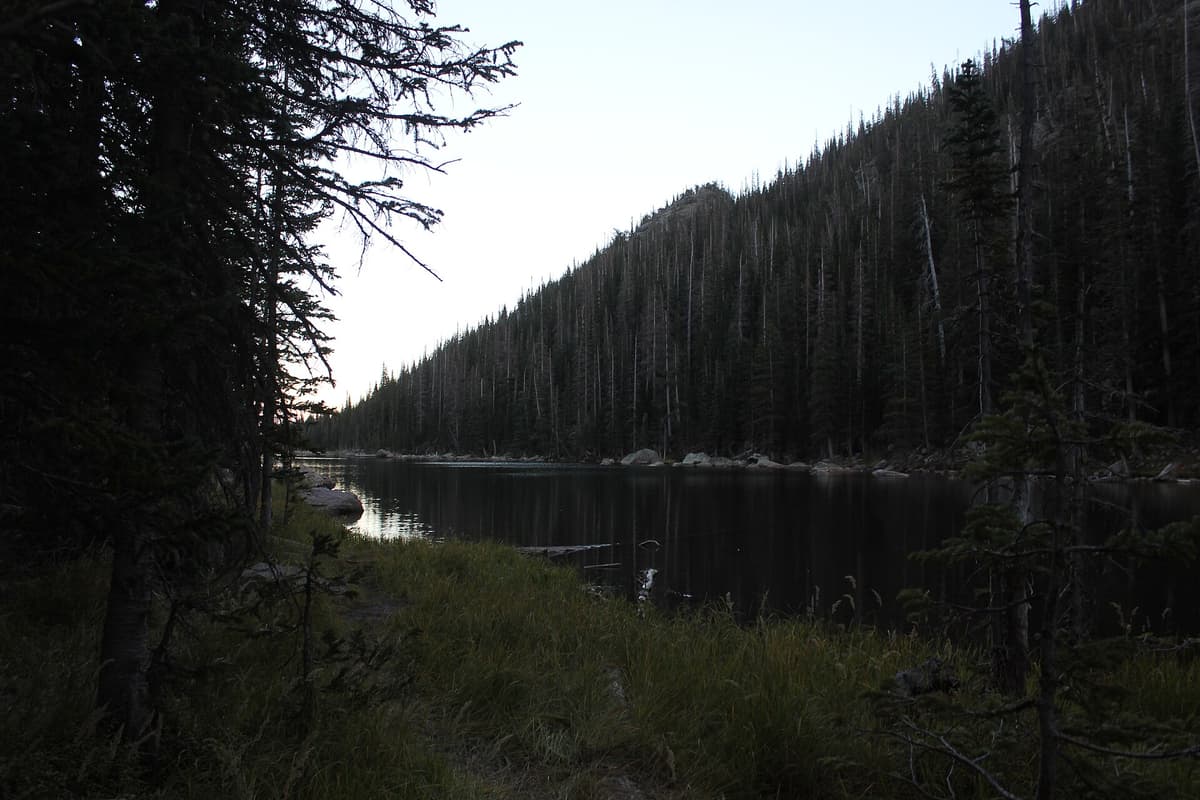
Sprague Lake Trail
Distance: 0.9 miles round trip | Elevation Gain: 15 ft | Difficulty: Easy
If you want the Rocky Mountain National Park experience without any climbing, start at Sprague Lake. The flat, hard-packed loop circles a quiet lake that throws a clean mirror image of the Continental Divide on a calm morning. It's wheelchair and stroller friendly, and the benches along the way make it a favorite for families with small kids or anyone still getting used to the altitude.
Come at dawn and you'll often share the shoreline with elk, and the light on the peaks behind the lake is hard to beat. The trailhead has a decent-sized lot off Bear Lake Road, but it still fills by mid-morning in summer. This is also a smart first-day hike if you've just arrived from sea level, since it gives your body a gentle introduction to 8,700 feet before you tackle anything steeper.
Bear Lake Trail
Distance: 0.8 miles round trip | Elevation Gain: 100 ft | Difficulty: Easy
Bear Lake is the busiest trailhead in the park for a reason. The short loop around the lake delivers a postcard view of Hallett Peak and the Continental Divide with almost no effort, and it's the launching point for a half-dozen bigger hikes. The path is mostly flat and partly accessible, with interpretive signs that explain the glacial history of the basin.
Parking is the whole challenge. The Bear Lake lot fills by 6 to 7 AM on summer weekends, after which you'll need the free park-and-ride shuttle from the Park & Ride lot lower on Bear Lake Road. The shuttle runs frequently and saves a lot of frustration. Even if you only walk the loop, Bear Lake is worth the stop, and it connects to the Emerald Lake and Bierstadt Lake trails if you want more.
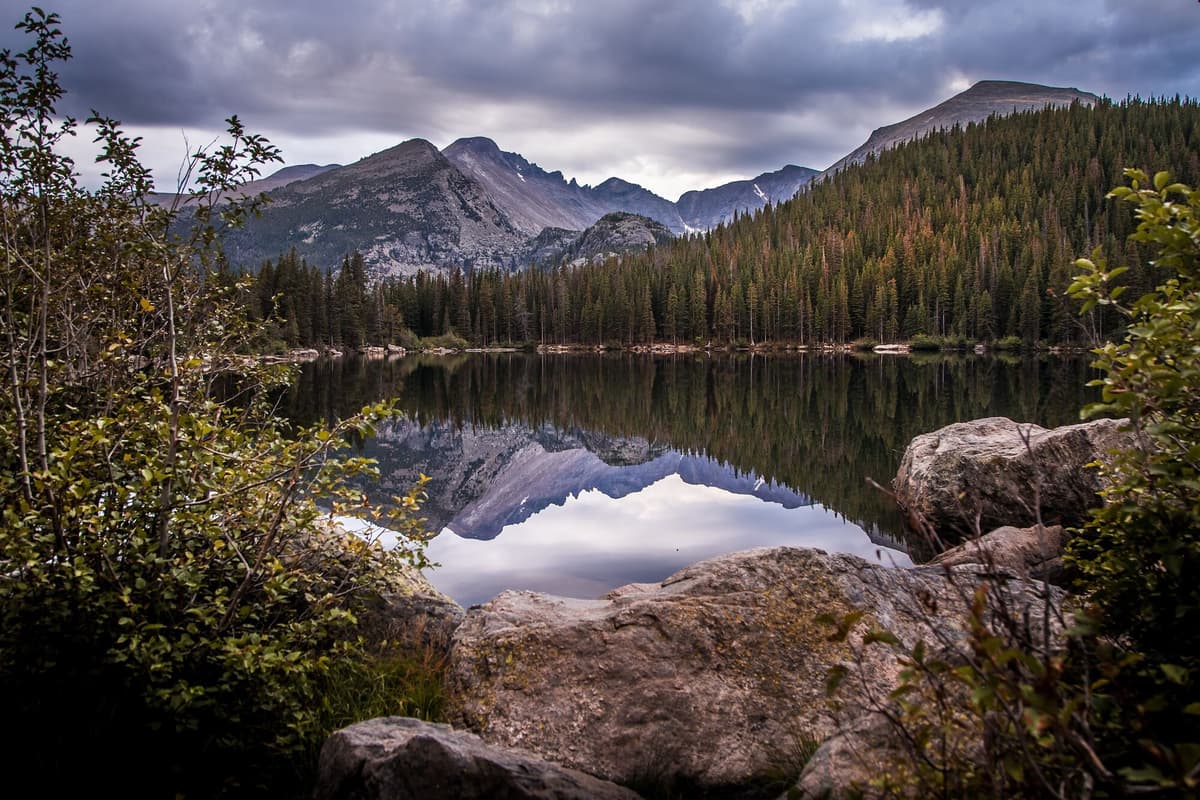
Lily Lake Trail
Distance: 0.8 miles round trip | Elevation Gain: Flat | Difficulty: Easy
Lily Lake sits right off Highway 7 south of town, and it's one of the few RMNP spots you can reach without driving through the timed-entry corridor. The level loop circles the lake with constant views of Longs Peak and the Twin Sisters, and a section of the trail is fully accessible. It's the kind of place you can pull over for 30 minutes and still feel like you got a real mountain fix.
Because it's outside the Bear Lake fee area and has its own parking lot, Lily Lake is a great backup when the rest of the park is jammed. Anglers fish the lake for trout, and the gentle grade makes it ideal for grandparents and toddlers alike. Bring a sun hat, since the loop is wide open with little shade.
Cub Lake Trail
Distance: 4.6 miles round trip | Elevation Gain: 540 ft | Difficulty: Easy
Cub Lake is the antidote to the Bear Lake crowds. Starting from the Cub Lake Trailhead in Moraine Park, the route crosses a wide meadow that's prime elk habitat, then climbs gently through aspen and pine to a lily-pad-covered lake. In summer the lake's surface fills with yellow pond lilies, an unusual sight in the high country.
This is a relaxed half-day hike with modest elevation gain, and the Moraine Park trailheads see a fraction of the traffic the Bear Lake corridor gets. You can extend the day by linking Cub Lake with The Pool and looping back along the Fern Lake Trail for a roughly 6-mile circuit. Watch for moose in the wetter sections near the start.
Emerald Lake Trail
Distance: 3.2 miles round trip | Elevation Gain: 650 ft | Difficulty: Moderate
If you do one hike near Estes Park, make it Emerald Lake. From Bear Lake the trail strings together three alpine lakes in quick succession, Nymph Lake, then Dream Lake, then Emerald Lake itself, tucked into a granite cirque beneath Hallett Peak and Flattop Mountain. The payoff per mile is about as high as it gets in Colorado.
The grade is steady but never brutal, and the trail is well maintained the whole way. Dream Lake, roughly the halfway point, is the famous reflection shot you've seen on a thousand postcards. Get there early, both for the parking and for the still water before the afternoon wind picks up. For the full breakdown of this hike, see our dedicated Emerald Lake Trail guide. A pair of trail shoes with real grip makes the rocky upper section easier on the way down.
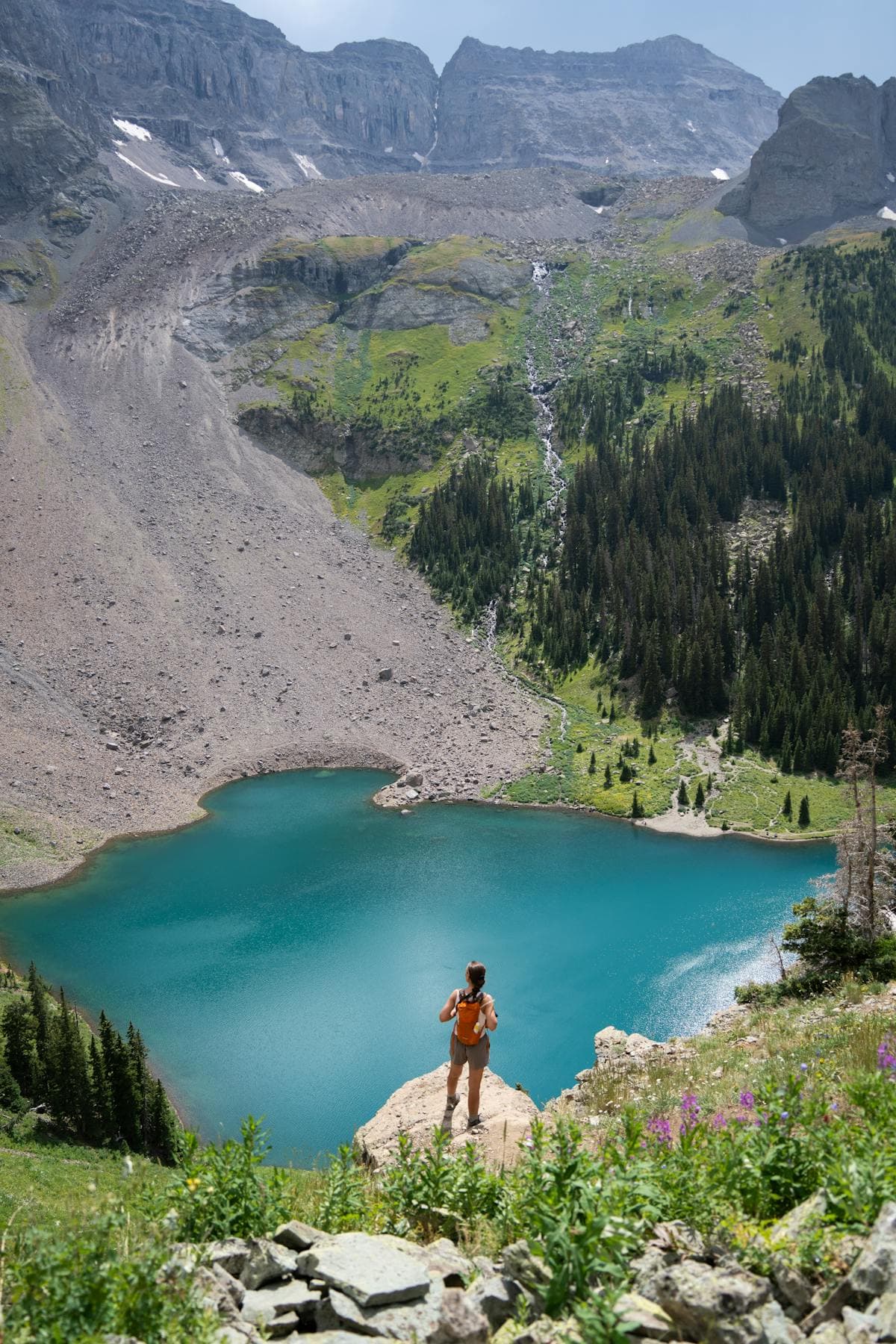
Bierstadt Lake Trail
Distance: 2.8 miles round trip | Elevation Gain: 566 ft | Difficulty: Moderate
Bierstadt Lake rewards a short, switchbacking climb with one of the best panoramas in the park. The lake sits on a forested moraine, and the view across the water takes in the entire Continental Divide skyline from Longs Peak to Flattop. It's a quieter alternative to the Bear Lake corridor lakes, even though the trailhead is right on Bear Lake Road.
You've got options on the route. The shortest version climbs from the Bierstadt Lake Trailhead through aspen groves that blaze gold in late September. You can also start at Bear Lake and descend to the lake, then catch the shuttle back. Either way, the moraine-top setting feels surprisingly remote for how little effort it takes to get there.
Deer Mountain
Distance: 6.0 miles round trip | Elevation Gain: 1,210 ft | Difficulty: Moderate
Deer Mountain is the classic Estes Park summit hike, and its trailhead at Deer Ridge Junction is outside the Bear Lake timed-entry zone. The trail switchbacks up an open, south-facing slope to a 10,013-foot summit with a 360-degree view of the park, Longs Peak, Estes Park town below, and the Mummy Range to the north.
Because it faces south and melts out early, Deer Mountain is one of the first higher trails to open each spring and one of the last to close in fall. The grade is steady and the footing is good, making it an excellent step up for hikers ready to bag their first real summit. The final push to the top is a short spur off the main trail, easy to miss, so keep an eye out for the sign. New to hiking at this elevation? Read our Colorado hiking beginners guide first.
Mills Lake Trail
Distance: 5.3 miles round trip | Elevation Gain: 750 ft | Difficulty: Moderate
Mills Lake might be the most scenic moderate hike in the park. Starting from the Glacier Gorge Trailhead, the route passes Alberta Falls, then climbs into Glacier Gorge to a long, narrow lake framed by the soaring walls of Longs Peak, Pagoda Mountain, and the Keyboard of the Winds. The lakeside slabs make a perfect lunch spot.
The Glacier Gorge lot is tiny and fills before dawn, so plan on the shuttle or an alpine start. The trail is rocky in places but never technical, and the steady stream of waterfalls and views keeps the climb interesting. This is the gateway to Glacier Gorge, so you'll share the lower trail with hikers heading deeper to Black Lake and Sky Pond before the routes split.
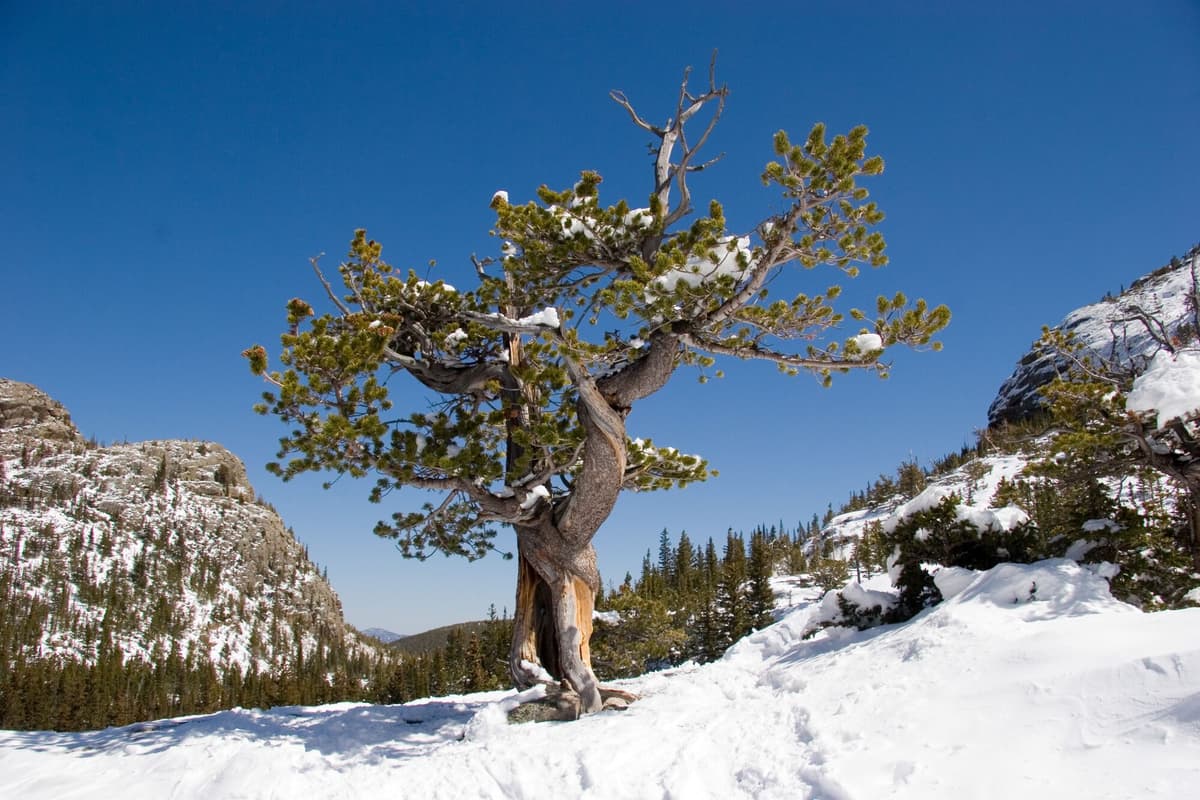
Fern Lake Trail
Distance: 7.8 miles round trip | Elevation Gain: 1,370 ft | Difficulty: Moderate
The Fern Lake Trail is the long, quiet way into the high country, and it's a favorite for hikers who want to escape the Bear Lake scrum. Starting in Moraine Park, the trail follows the Big Thompson River past The Pool, a churning gorge crossed by a footbridge, then climbs past Fern Falls to subalpine Fern Lake. Strong hikers can push on to Odessa Lake or all the way over to Bear Lake for a point-to-point with a shuttle pickup.
This is a bigger day with real elevation gain, but the river, waterfalls, and old-growth forest break it up nicely. The Fern Lake Trailhead requires a short drive on a narrow dirt road, and the small lot fills early like everywhere else here. Bring a way to treat water, since it's a long trip and there's plenty of river access. Our roundup of the best water filters covers the lightweight options worth carrying.
Sky Pond via Glacier Gorge
Distance: 9.0 miles round trip | Elevation Gain: 1,780 ft | Difficulty: Hard
Sky Pond is the trophy day hike of Rocky Mountain National Park. From the Glacier Gorge Trailhead, the route climbs past Alberta Falls and The Loch, then tackles the crux: a steep scramble up the rocks beside Timberline Falls that has you using your hands. Above the falls sits the Lake of Glass, and just beyond it, Sky Pond, ringed by the jagged spires of the Cathedral Wall and Sharkstooth.
This is a full, demanding day with a genuine class 2 scramble at the falls that gets slick when wet or snowy. Save it for a clear morning after the snow clears, usually July through September, and turn back if storms build. The scramble is the only tricky part, but it's enough to make trekking poles worth stashing for the climb. A set of trekking poles earns its keep on the long, rocky descent.
Chasm Lake
Distance: 8.4 miles round trip | Elevation Gain: 2,360 ft | Difficulty: Hard
Chasm Lake sits in a stark, rock-walled cirque directly beneath the 1,000-foot East Face of Longs Peak, and the view from its shore is one of the most dramatic in Colorado. The hike starts at the Longs Peak Trailhead and climbs through forest to treeline, then traverses open alpine tundra past Peacock Pool before a short scramble up to the lake basin.
Because it shares a trailhead with the Longs Peak route, the lot fills in the middle of the night, so an early start is non-negotiable. The trail is exposed above treeline, which makes afternoon thunderstorms a serious hazard, so aim to be heading down by noon. The peak towering over the lake is Colorado's northernmost fourteener; if the summit itself is on your list, read our Longs Peak guide before you commit.
Crosier Mountain
Distance: 7.0 miles round trip | Elevation Gain: 2,000 ft | Difficulty: Hard
When the park is booked solid and you can't get a timed-entry permit, Crosier Mountain is the answer. This trail sits in the Roosevelt National Forest near Glen Haven, just northeast of Estes Park, with no permit, no entrance fee, and a fraction of the crowds. The route climbs through ponderosa and aspen to a 9,250-foot summit with a sweeping view of the Mummy Range, Longs Peak, and the Estes Valley.
It's a steady, honest climb with good footing, and the wildflowers in early summer are excellent. Hunters use this area in fall, so wear bright colors during hunting season. A woman was killed by a mountain lion on this trail on January 1, 2026, and the Forest Service reopened it with permanent warning signs; hike with company, keep dogs leashed and children close, and never run from a lion. Crosier Mountain proves you don't have to set foot in the national park to find a quiet, rewarding summit near Estes Park, which is worth remembering on a busy holiday weekend.
Timed-Entry Permits and Beating the Crowds
From late May through mid-October, Rocky Mountain National Park runs a timed-entry permit system, and you'll need a reservation booked ahead on Recreation.gov to drive in during the day. There are two permit types: a Bear Lake Road permit that covers the whole park including the Bear Lake corridor, and a standard permit that covers everything except Bear Lake Road. The Bear Lake permits sell out fast, so set a calendar reminder for the release dates.
The simplest workaround is timing. Permits are only required during the daytime window, so if you enter before the window opens, usually around 5 AM, you don't need one. Early starts also solve the parking problem, since the marquee lots fill by sunrise. The free park shuttle from the Park & Ride lot serves the Bear Lake corridor and is the smart move once the lots are full. And if you strike out on permits entirely, the Lily Lake and Crosier Mountain trails sit outside the reservation zone.
What to Bring on Estes Park Hikes
Estes Park sits at 7,500 feet and the trailheads climb from there, with summits like Deer Mountain and Chasm Lake pushing well past 10,000 and 11,000 feet. The air is thin, and visitors coming from lower elevations feel it. Take your first day easy, drink more water than feels normal, and watch for the warning signs covered in our guide to altitude sickness prevention.
Afternoon thunderstorms roll in almost daily from June through August, and the exposed tundra above treeline on Chasm Lake, Sky Pond, and Deer Mountain is a dangerous place to be when lightning hits. Start early, plan to be off the high points by noon, and always pack a rain shell. A liter or two of water per person, sun protection, layers, and snacks cover most day hikes here. One thing to note: dogs are not allowed on any trail inside Rocky Mountain National Park, so leave the pup at home for the in-park hikes and save Crosier Mountain for trips with the dog.
Frequently Asked Questions
What is the best hike in Estes Park?
The Emerald Lake Trail is the best all-around hike near Estes Park. It's a 3.6-mile round trip from Bear Lake that passes Nymph Lake and Dream Lake before reaching Emerald Lake beneath Hallett Peak. For a bigger day, Sky Pond and Chasm Lake are the standout hard hikes.
Do you need a permit to hike near Estes Park?
Most hikes near Estes Park are inside Rocky Mountain National Park, which requires a timed-entry permit from late May through mid-October, plus a park entrance pass. You can avoid the permit by entering before about 5 AM, or by hiking Lily Lake or Crosier Mountain, which sit outside the reservation zone.
What is the easiest hike in Rocky Mountain National Park?
Sprague Lake is the easiest hike in the park. It's a flat 0.9-mile loop with only 15 feet of elevation gain, and it's stroller and wheelchair friendly. Bear Lake and Lily Lake are nearly as easy, each a short, mostly level loop with big mountain views.
Can you hike with dogs in Estes Park?
Dogs are not allowed on any trail inside Rocky Mountain National Park, including the entire Bear Lake corridor. For a dog-friendly hike near Estes Park, head to Crosier Mountain in the Roosevelt National Forest, where leashed dogs are welcome on the trail.
When is the best time to hike near Estes Park?
July through September offers the most reliable high-country hiking, once the snow clears from the upper trails. September is the sweet spot, with stable weather, fewer crowds, and golden aspens. Lower trails like Sprague, Bear, and Lily Lake stay accessible through much of the year.
Final Thoughts
Few towns put this much world-class hiking within a 20-minute drive. Whether you've got an hour for the Sprague Lake loop or a full day for the Sky Pond scramble, the trails around Estes Park reward an early alarm and a little planning around permits and weather. Book your timed-entry reservation, get on the trail before the lots fill, and you'll see why Rocky Mountain National Park draws millions every year.
For more Front Range trail ideas, check out our Rocky Mountain National Park guide and our roundups of the best hikes near Fort Collins and the best day hikes near Denver.
Get the Colorado 14er Packing Checklist (free PDF)
Plus a weekly note on the best Colorado trails, gear deals, and seasonal hike picks. No spam, unsubscribe anytime.
We respect your inbox. Unsubscribe anytime.