14 Best Day Hikes Near Denver: The Definitive Guide for 2026
Colorado's Front Range offers some of the best hiking in the country, and you don't need to drive far from Denver to find incredible trails. If you're a beginner looking for a mellow nature walk or an experienced hiker chasing summit views, there's something here for you. Browse our trail directory for even more options across the state.
Here are 14 of the best day hikes near Denver, organized from easiest to most challenging.
1. Red Rocks Perkins Central Garden Trail (Easy)
Distance: 1.4 miles (loop)
Elevation Gain: 300 ft
Trailhead: Red Rocks Park, Morrison
You've probably been to a concert at Red Rocks, but have you hiked it? The Perkins Central Garden Trail loops through the iconic red sandstone formations with views of the amphitheater and the Denver skyline. It's short, sweet, and accessible for almost anyone.
Pro tip: Go early in the morning to beat the crowds and catch golden light on the rocks.
2. Chautauqua Trail to Royal Arch (Moderate)
Distance: 3.4 miles (out and back)
Elevation Gain: 1,400 ft
Trailhead: Chautauqua Park, Boulder
Royal Arch is one of the most rewarding moderate hikes on the Front Range. The trail climbs steadily through pine forest before arriving at a natural stone arch framing the Boulder Valley below. The last stretch involves some rock scrambling, nothing technical, but enough to get your heart rate up.
What to bring: Sturdy hiking shoes with good grip. The rocky descent can be slippery.
3. Mount Sanitas (Moderate-Hard)
Distance: 3.1 miles (loop)
Elevation Gain: 1,343 ft
Trailhead: Centennial Trailhead, Boulder
Sanitas is a local favorite for a reason: it's a legitimate workout with great views, and you can knock it out in under two hours. The east ridge route goes straight up over exposed rock slabs, so save it for a dry day.
4. St. Mary's Glacier (Moderate)
Distance: 1.5 miles (out and back)
Elevation Gain: 600 ft
Trailhead: Fall River Road (I-70 Exit 238)
This is one of the easiest ways to experience alpine terrain near Denver. The short hike leads to a permanent snowfield and alpine lake at 10,800 feet. In summer, people bring sleds for the snow. In fall, the surrounding tundra turns gold.
Note: The parking lot fills up fast on weekends. Arrive before 8 AM or go on a weekday.
5. Herman Gulch (Moderate)
Distance: 7 miles (out and back)
Elevation Gain: 1,700 ft
Trailhead: Herman Gulch Trailhead (I-70 Exit 218)
Wildflower season (late June through July) turns Herman Gulch into one of the most photogenic hikes in Colorado. The trail follows a creek through spruce forest before opening into a massive alpine basin carpeted with columbines, paintbrush, and lupine.
6. Grays Peak (Hard)
Distance: 8.4 miles (out and back)
Elevation Gain: 3,000 ft
Trailhead: Grays Peak Trailhead (off I-70)
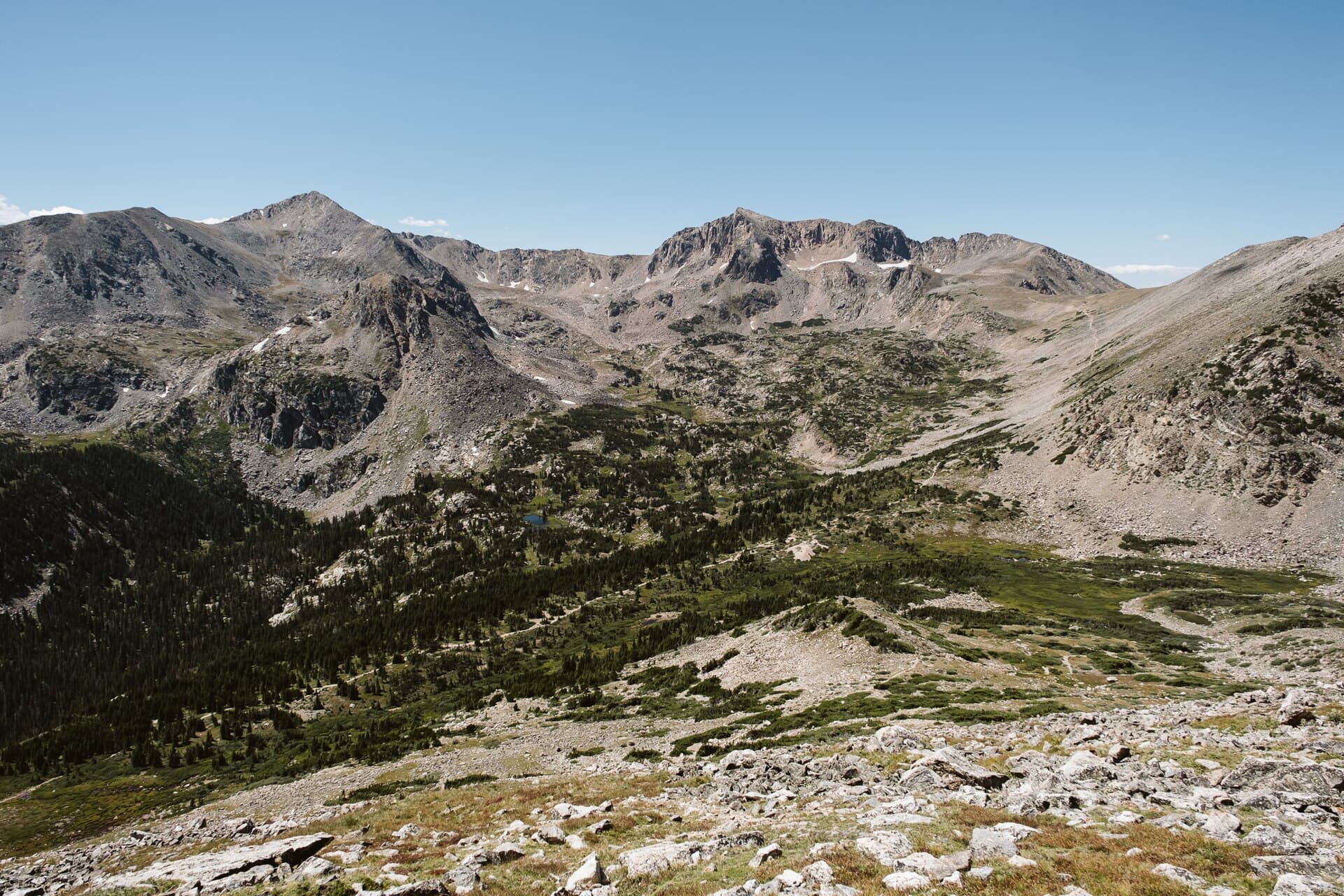
Grays Peak (14,275 ft) is widely considered the most accessible 14er in Colorado. The trail is well-maintained with no technical sections, making it an excellent first fourteener. Start early, really early. Lightning above treeline is no joke, and afternoon storms are common in summer.
Must-have gear: Layers, rain shell, plenty of water, and sun protection. The UV at 14,000 feet will humble you.
7. Longs Peak (Expert)
Distance: 14.5 miles (out and back)
Elevation Gain: 5,100 ft
Trailhead: Longs Peak Trailhead, RMNP
The crown jewel of Front Range hiking. Longs Peak (14,259 ft) is a serious undertaking, most people start between 1 and 3 AM to summit before storms roll in. The Keyhole Route involves exposed scrambling and route-finding through the Trough, Narrows, and Homestretch.
This is not a beginner hike. People die on Longs Peak every year. Be honest about your fitness, experience, and the weather forecast before attempting it.
Planning Your Hike
No matter which trail you choose, a few things are universal for hiking near Denver:
- Start early. Afternoon thunderstorms are a daily occurrence from June through August.
- Bring more water than you think. The dry altitude dehydrates you faster than you'd expect.
- Check conditions. Trail closures, snow levels, and road access can change quickly. 14ers.com and AllTrails are good resources.
- Respect the altitude. If you're visiting from sea level, take it easy for a day or two before hitting the harder trails.
A reliable daypack keeps your water and layers organized, and a good pair of trail shoes will handle the rocky terrain on most of these trails. Don't forget a water bottle. The dry altitude dehydrates you faster than you'd expect.
Happy hiking! 🥾
More Great Day Hikes Near Denver
Looking for more options? These trails are equally worth your time:
8. Green Mountain Trail (Easy)
Distance: 3.2 miles (loop)
Elevation Gain: 500 ft
Trailhead: Green Mountain, Lakewood (20 min from downtown)
Less than half an hour from downtown Denver, this is the closest trail system for many in the city. It's an easy hike around the 6,854-foot mesa with wide-open slopes, prairie grasses, and views of mountains beyond. When other trails become impassable due to bad weather, this trail is usually accessible year-round.
9. Lair o' the Bear Park (Easy)
Distance: 2-4 miles (various loops)
Elevation Gain: 200-400 ft
Trailhead: Idledale (35 min from Denver)
A family-friendly destination along Bear Creek with multiple trail options. The creekside path is nearly flat and perfect for kids, while connecting trails offer more challenge. Dogs allowed on leash. Excellent for summer creek play.
10. Mount Falcon Park (Moderate)
Distance: 4-7 miles
Elevation Gain: 800-1,200 ft
Trailhead: Morrison (35 min from Denver)
Home to the ruins of John Brisben Walker's castle, Mount Falcon offers stunning views of Denver and the Continental Divide. The Castle Trail climbs to the historic ruins while the Tower Trail reaches an old fire lookout. Multiple loop options available.
11. Mohawk Lakes Trail (Moderate)
Distance: 6.8 miles (round trip)
Elevation Gain: 2,000 ft
Trailhead: Near Breckenridge (1 hr 40 min from Denver)
One of the most rewarding moderate hikes accessible from Denver. The trail passes through lodgepole pine forest, crosses a footbridge, and opens to views of Mt. Hellen. Farther ahead you'll find wildflowers, a granite waterfall, and an old mine shaft before arriving at the dazzling Mohawk Lakes with views of the Tenmile Range.
12. Lake Isabelle (Moderate)
Distance: 8.6 miles (round trip)
Elevation Gain: 1,000 ft
Trailhead: Brainard Lake Recreation Area (1 hr 30 min from Denver)
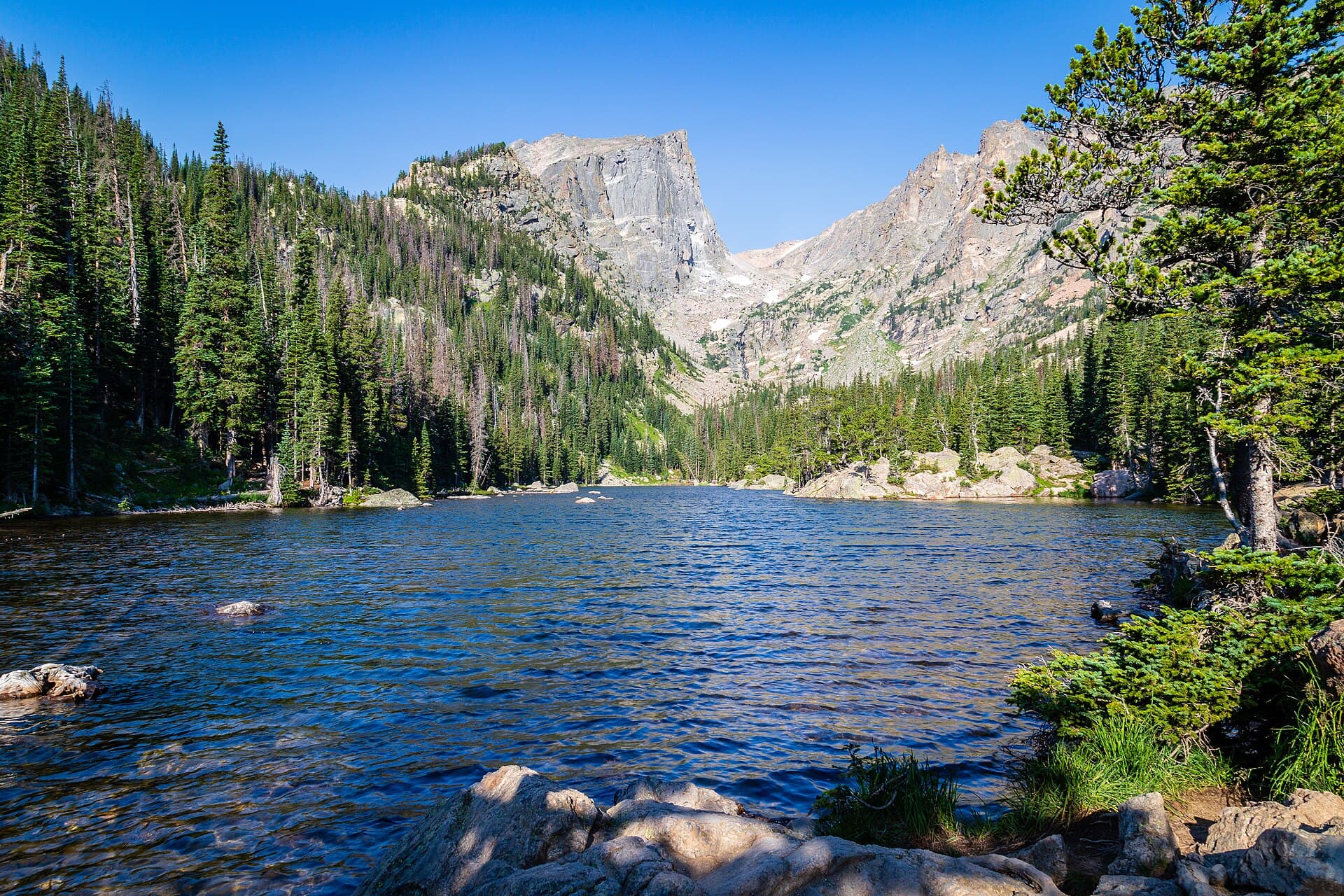
A hike to Lake Isabelle gives you a taste of everything magical about Colorado's outdoors, alpine lakes, snow-capped peaks, waterfalls, and wildflower-filled meadows. The trail enters the Indian Peaks Wilderness and, while long, stays at a moderate difficulty suitable for most hikers.
13. Chief Mountain (Hard)
Distance: 3.6 miles (round trip)
Elevation Gain: 1,500 ft
Trailhead: Near Idaho Springs (45 min from Denver)
A steep climb to a panoramic summit with views of the Continental Divide, Mount Blue Sky (formerly Mount Evans), and the Denver skyline. The trail gains elevation quickly but rewards with outstanding views. The technical finish requires some scrambling.
14. Mount Bierstadt (Hard)
Distance: 7 miles (round trip)
Elevation Gain: 2,850 ft
Trailhead: Guanella Pass (1 hr 15 min from Denver)
The closest "easy" 14er to Denver, Mount Bierstadt makes an excellent first fourteener. Start before sunrise to avoid afternoon storms. The trailhead at Guanella Pass (11,669 ft) gives you a head start on elevation.
Hiking Near Denver by Season
Spring (March-May)
Lower elevation trails become accessible as snow melts. Watch for mud and afternoon thunderstorms. Best trails: Red Rocks area, Roxborough State Park, Castlewood Canyon.
Summer (June-August)
Prime hiking season for higher elevations. Alpine trails above 10,000 feet are typically snow-free by late June. Start early to avoid afternoon thunderstorms. Aim to be below treeline by noon. Best for: 14ers, St. Mary's Glacier, Rocky Mountain National Park.
Fall (September-October)
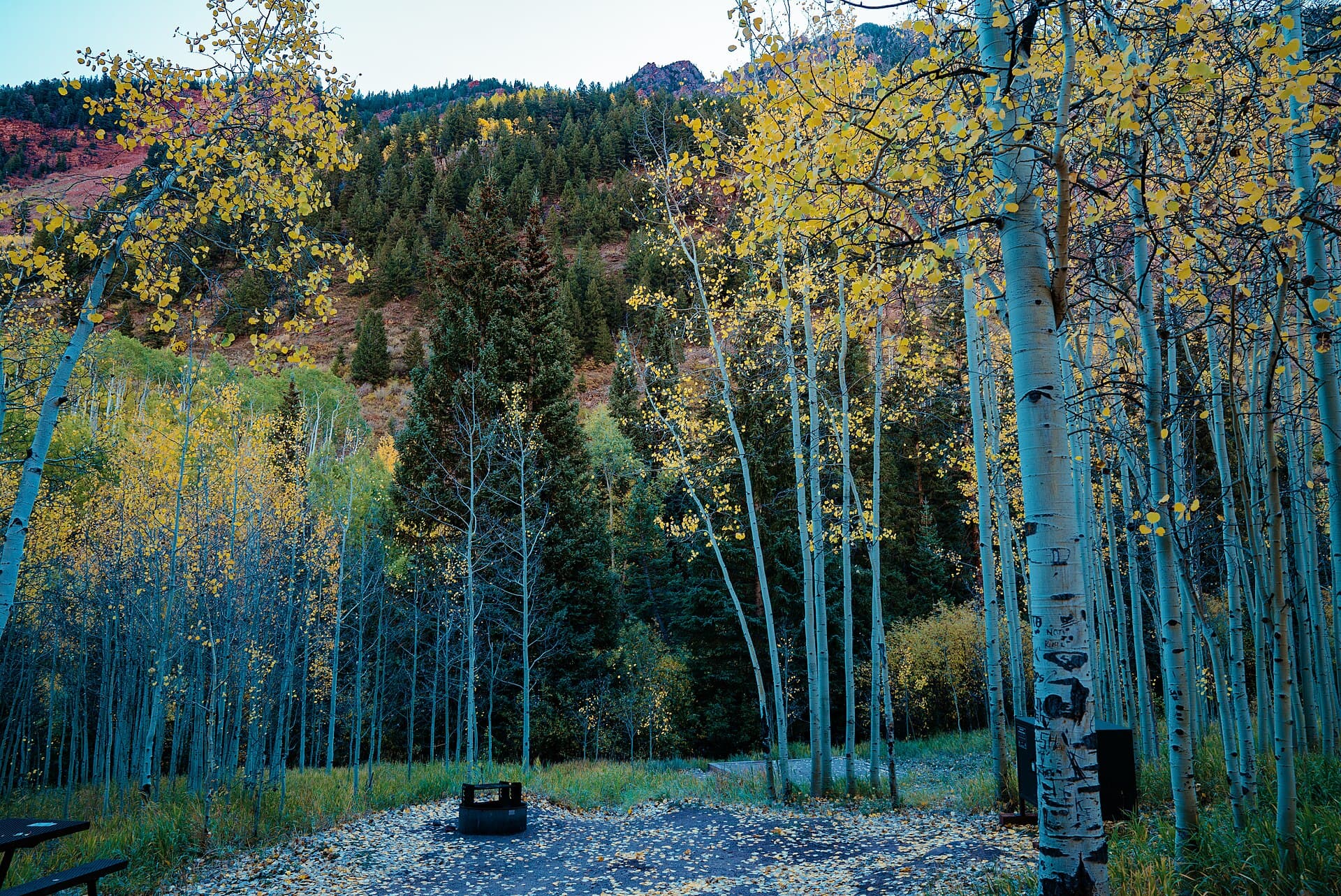
Many hikers' favorite season. Cooler temperatures, smaller crowds, and spectacular fall colors (peak usually late September). Perfect for aspen grove hikes and any moderate-elevation trail.
Winter (November-February)
Many trails remain accessible with proper gear. Lower elevation south-facing trails often stay dry. Bring appropriate footwear and traction devices. Best bets: Red Rocks Park, Roxborough State Park, Matthews/Winters Park.
Altitude Tips for Visitors
Denver sits at 5,280 feet, and many nearby trails reach 8,000-14,000+ feet. If you're visiting from sea level:
- Take it easy your first day or two. Stick to easier trails
- Hydrate aggressively. Drink 3-4 liters per day minimum
- Watch for symptoms. Headache, nausea, and fatigue can indicate altitude sickness
- Descend if needed. The only cure for altitude sickness is going lower
- Avoid alcohol for at least the first 24-48 hours
Frequently Asked Questions
What are the closest hikes to downtown Denver?
Red Rocks Perkins Central Garden Trail, Mount Falcon, and North Table Mountain are all within 30 minutes of downtown. They offer varied terrain and great views without a long drive into the mountains.
Are Denver area trails crowded on weekends?
Popular trails like Hanging Lake and St. Mary's Glacier get packed on summer weekends. Start before 7 AM or go on weekdays to avoid crowds. Lesser-known trails like White Ranch and Alderfer/Three Sisters stay quieter.
Do I need a pass to hike near Denver?
Most Jefferson County and Denver Mountain Parks trails are free. Some trailheads in the national forest require a National Forest Day Pass ($5) or an America the Beautiful Pass ($80/year). Check before you go.
What's the best easy hike near Denver for beginners?
Lookout Mountain Trail in Golden is a great starter. It's 1.4 miles one way with gradual elevation gain and ends at Buffalo Bill's grave with panoramic views. Lair o' the Bear Park is another gentle option. For more beginner advice, check our Colorado hiking beginners guide.
Get the Colorado 14er Packing Checklist (free PDF)
Plus a weekly note on the best Colorado trails, gear deals, and seasonal hike picks. No spam, unsubscribe anytime.
We respect your inbox. Unsubscribe anytime.