Snowshoeing for Beginners: How to Start in Colorado (2026)
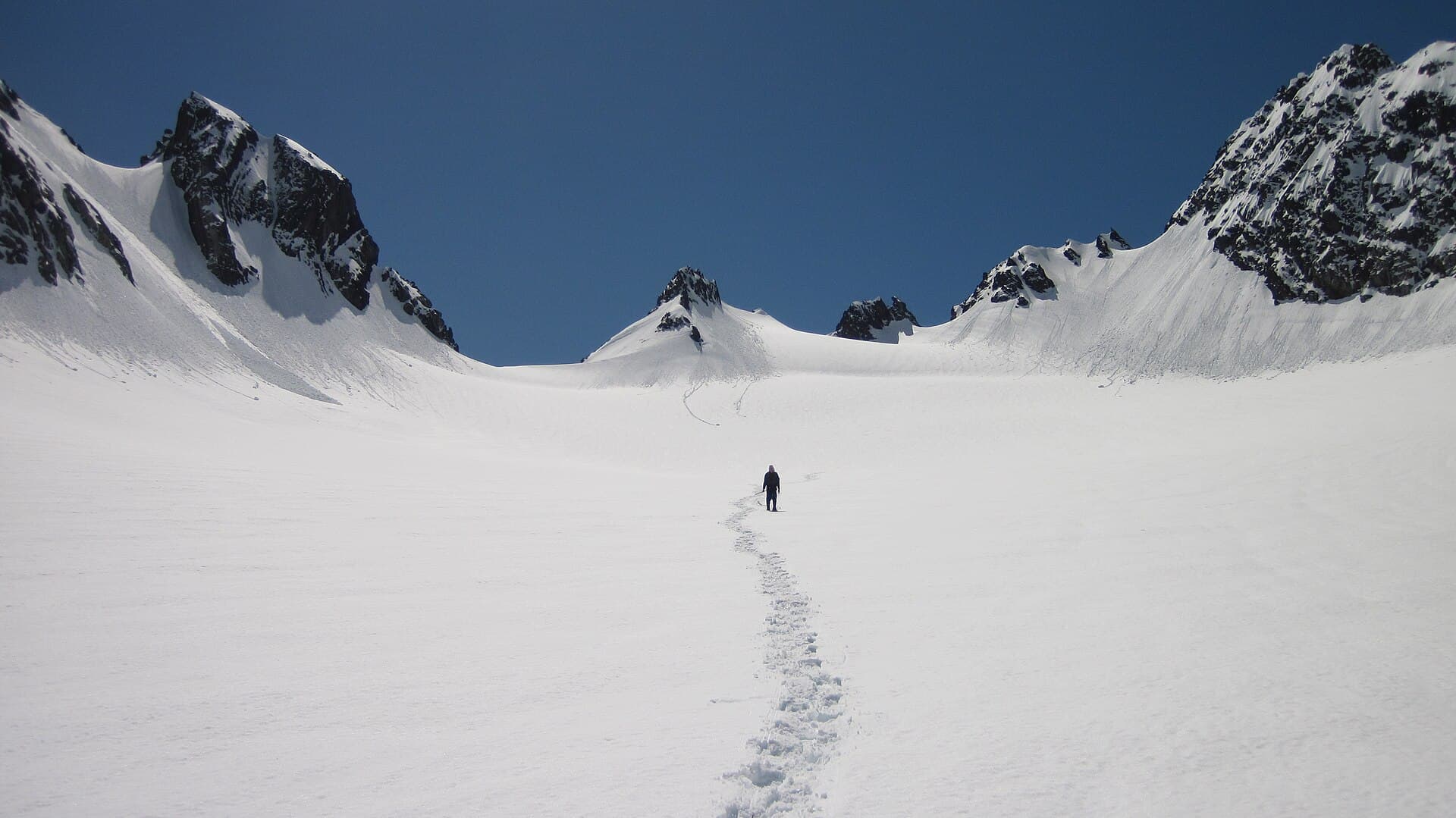
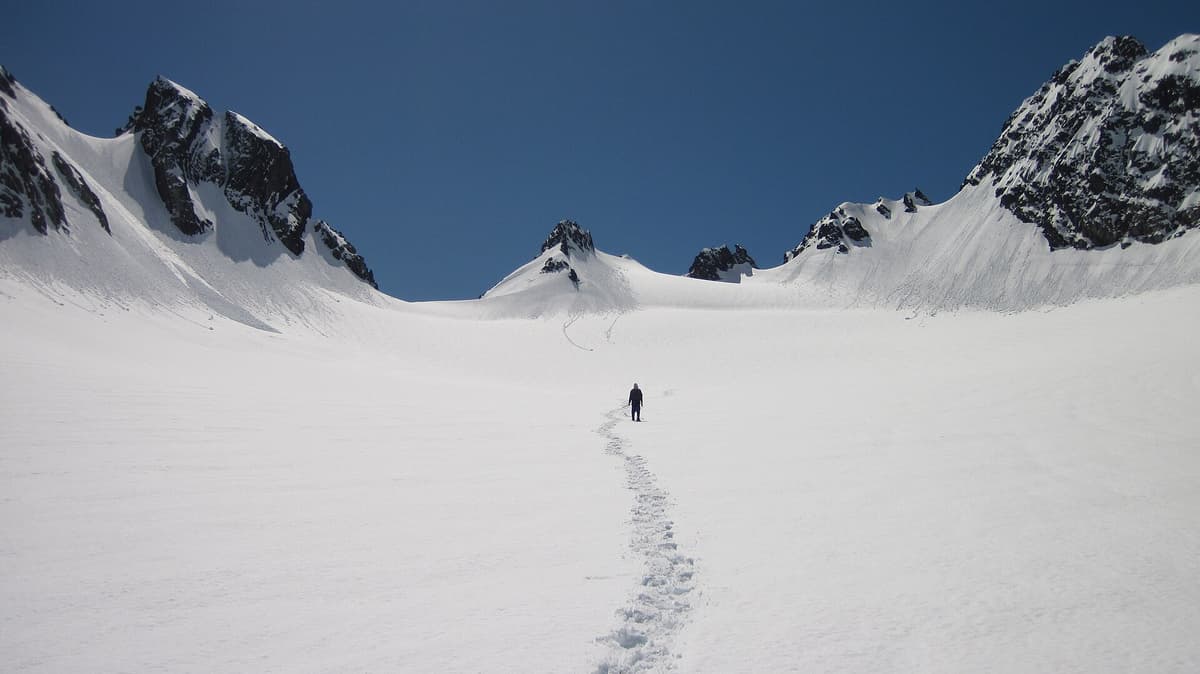
If you can walk, you can snowshoe. That's the honest short version. Snowshoeing is the easiest winter sport to pick up, with no lessons, no lift ticket, and no balance skills to learn first. You strap a wide frame to your winter boots, it spreads your weight so you don't sink to your knees in soft snow, and you walk. Most beginners are moving comfortably within the first ten minutes.
The learning curve is nearly flat. The bigger questions for a first-timer are what gear you actually need (less than you'd think), how to handle hills and deep snow, and which trail won't punish you on day one. This guide covers all three, with a focus on getting a beginner from the car to a good winter view and back without a miserable afternoon. Colorado is one of the best places in the country to start, and a handful of gentle trails near Denver and the Front Range make ideal first outings.
If you're ready to buy your first pair, our roundup of the best snowshoes for Colorado breaks down the models by snow type and budget. You can also grab a solid beginner snowshoe set on Amazon if you want to keep it simple.
What You'll Learn
- Is snowshoeing hard for beginners?
- Gear you actually need to start
- How to walk in snowshoes
- How to pick your first trail
- Best beginner snowshoe trails in Colorado
- Altitude, cold, and avalanche safety
- What to wear
- Common beginner mistakes
- Frequently asked questions
Is snowshoeing hard for beginners?
No. Of all the winter sports, snowshoeing has the shortest path from "never done it" to "having fun." There's no gliding, no edges, and nothing to fall off. You walk with a slightly wider stance than normal to keep the frames from clipping each other, and that's the whole technique on flat ground.
Where it gets tiring, not hard, is effort. Snowshoeing burns roughly twice the calories of regular walking because you're lifting extra weight on each foot and often pushing through soft snow. A flat two-mile snowshoe can feel like a four-mile summer hike. That's not a reason to skip it, it's a reason to pick a short first route and go slow.
The one real skill worth practicing is getting back up after a fall in deep snow, which we cover below. It's more comedy than danger, but knowing the trick saves you a lot of flailing.
Gear you actually need to start
The beauty of snowshoeing is how little you need. Here's the short list, roughly in order of importance.
Snowshoes. For beginners on rolling Colorado terrain, a 25-inch or 30-inch recreational snowshoe with a rotating binding and heel crampons covers almost everything. Bigger people and deeper powder call for the larger size. If you're buying, our best snowshoes for Colorado guide names specific models, or you can browse beginner-friendly snowshoes on Amazon. Renting from an outdoor shop for your first two or three outings is a smart way to figure out the right size before you spend the money.
Waterproof winter boots. Snowshoes bind to your existing boots, so you don't buy special footwear. You want insulated, waterproof boots with a firm sole. Regular hiking boots work on shorter, warmer days if you add gaiters, but true waterproof insulated boots keep your feet warm and dry far longer.
Trekking poles with snow baskets. Poles are close to mandatory for beginners. They give you two more points of contact, help on hills, and make getting up after a fall easy. The key detail is the wide snow basket near the tip, which stops the pole from plunging straight into soft snow. A cheap pair of adjustable poles with snow baskets is a small price for the balance they add.
Gaiters. These wrap from your boot top to mid-calf and keep snow out of your boots. In powder, they're the difference between dry socks and wet ones. A basic pair of hiking gaiters lasts years.
The winter hiking basics. Layers, gloves, hat, sunglasses, water, snacks, and a headlamp round it out. None of that is snowshoe-specific, so your regular winter hiking kit carries over. If you're building that kit from scratch, our beginner's guide to winter hiking in Colorado has the full checklist.
How to walk in snowshoes
The technique is short enough to read in the parking lot. Here's everything you need.
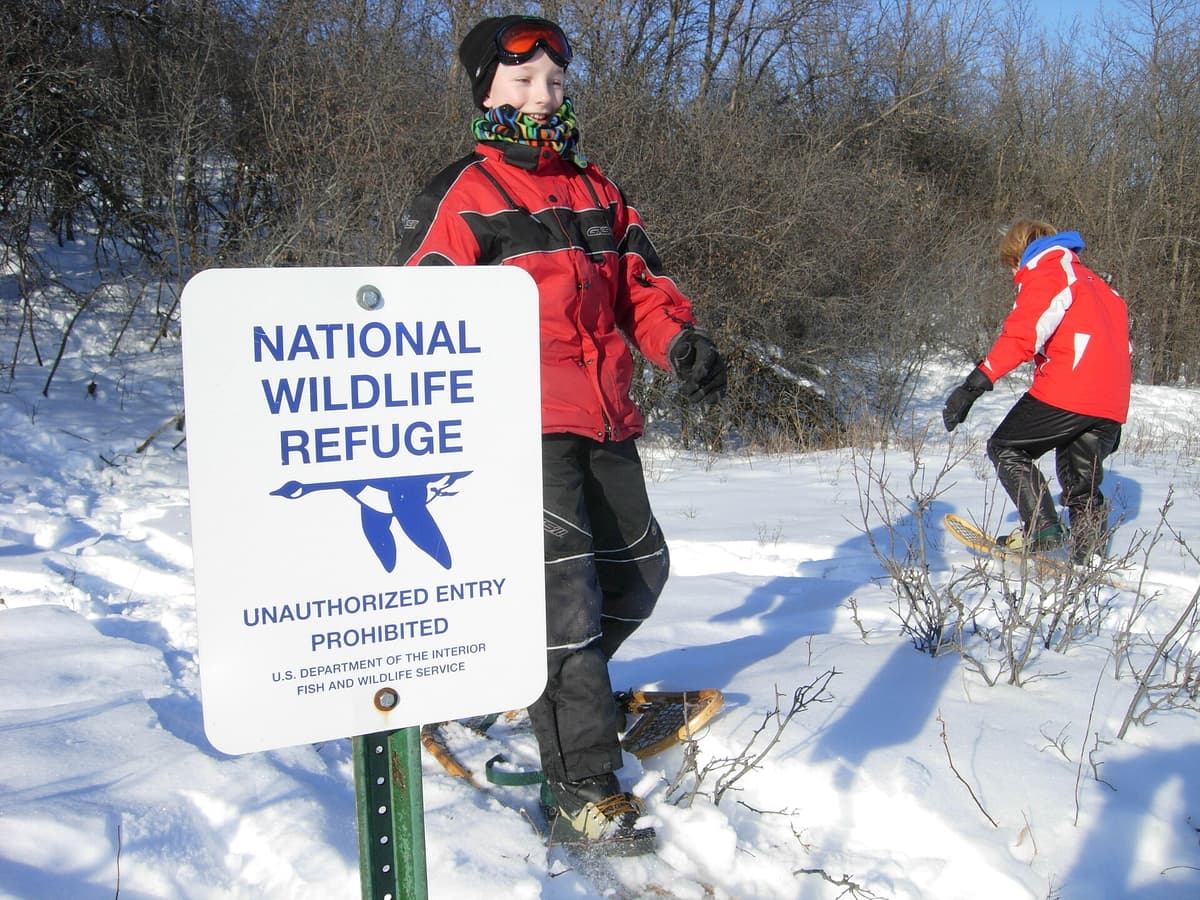
Stance. Walk with your feet a touch wider than normal so the inside edges of the frames don't catch each other. New snowshoers develop a slightly bowlegged waddle for the first quarter mile, then it stops feeling weird. Keep a natural stride. Don't try to lift your knees high or shuffle.
Poles. Plant them opposite your feet, the same rhythm as trekking on a summer trail. On flat ground they're mostly for balance. On hills they do real work.
Going uphill. Most snowshoes have a heel lift, a small bar you flip up under your heel with a pole tip. On steep climbs, raise it. It props your heel so your calf isn't stretched the whole way up, which saves a surprising amount of energy. Kick the front crampons into the slope and step deliberately. Use your poles to push.
Going downhill. Keep your weight slightly back, bend your knees, and take shorter steps. The heel crampons bite as you plant. On gentle grades you can even glissade a little by stomping down flat-footed. Don't lean forward, that's how you pitch onto your face.
Traversing a slope. Kick the uphill edge of each snowshoe into the hillside to make a flat platform, and keep your poles in the uphill hand short and the downhill hand long. On anything steep, it's usually easier to go straight up or straight down than to cut across.
Breaking trail. When you're the first person on fresh snow, you sink deeper and work harder. Rotate the lead with your group every ten or fifteen minutes so nobody burns out. Following an existing set of tracks is dramatically easier, which is one reason popular trails are good for beginners.
Getting up after a fall. Everyone tips over in deep snow eventually. Don't fight it face-down. Roll onto your back, get your snowshoes below you and flat, plant both poles together beside you for a base, and push up. Trying to stand the normal way just sinks your hands and buries you deeper.
How to pick your first trail
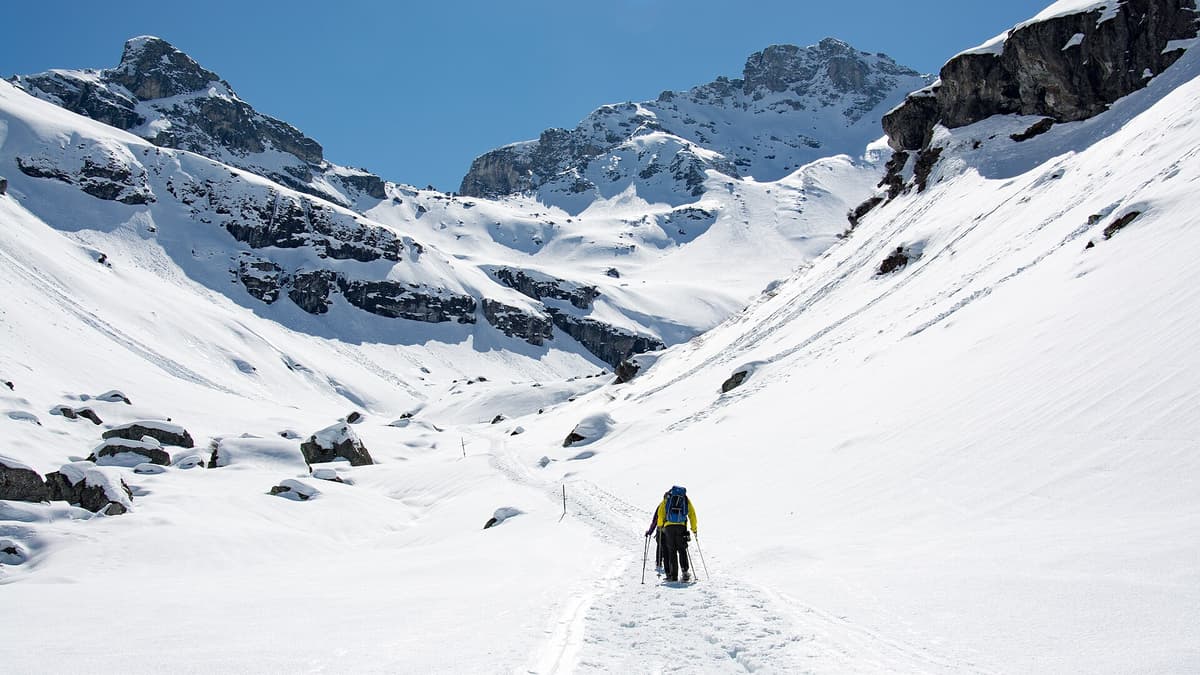
Pick something shorter and flatter than you think you need. A good first snowshoe is one to three miles round trip with modest elevation gain, on a route that's popular enough to have packed tracks but not so steep it crosses avalanche terrain.
Look for these features:
- Low, consistent grade. Old road grades, summer nature trails, and flat lake loops are ideal. Save the steep stuff for later.
- Packed tracks. A trail others have already broken is far less tiring than fresh powder.
- No avalanche exposure. Beginners should stay entirely off slopes steeper than about 30 degrees and out of the runout zones below them. More on that below.
- A short bail-out. Your first trip should let you turn around early without stranding you far from the car.
Many summer trails make excellent winter snowshoe routes once the snow fills in. Some of the gentler options in our best day hikes near Denver roundup become mellow snowshoe outings from December through March.
Best beginner snowshoe trails in Colorado
These are gentle, popular, and reachable from the Front Range. Conditions change constantly in winter, so check the latest reports and avalanche forecast before you go.
Boreas Pass Road, Breckenridge. An old narrow-gauge railroad grade, which means a steady, gentle climb with no steep pitches. You can go as far as you like and turn around whenever, making it close to perfect for a first outing. Big views of the Tenmile Range.
Bear Lake area, Rocky Mountain National Park. The loop around Bear Lake and the short push toward Nymph Lake are flat, scenic, and heavily traveled, so the trail is usually packed. Parking fills early on weekends. See our Bear Lake trailhead guide for logistics that mostly carry over to winter.
Brainard Lake Recreation Area, Indian Peaks. The road and lake loops offer flat, protected snowshoeing under the Indian Peaks. The gate closes in winter, adding distance, but the terrain stays gentle. Our Indian Peaks Wilderness hiking guide covers the area in more depth.
Guanella Pass, Georgetown. The lower sections near the winter closure gate give you open, low-angle meadows with views toward Mount Bierstadt. Stay in the flats and off the steeper slopes.
Echo Lake, near Idaho Springs. A short, flat lake loop at the base of the Mount Blue Sky road, easy to reach off I-70 and a good quick trip if you only have a half day.
For a route with a bit more challenge once you've got a few trips under your belt, St. Mary's Glacier is a popular winter destination, though the final pitch is steeper and busier.
Altitude, cold, and avalanche safety
Colorado adds three things to snowshoeing that a beginner should respect.
Altitude. Most of these trails start above 9,000 feet and climb from there. Thin air makes easy effort feel hard and speeds up dehydration. Go slower than you would at sea level, drink more water than feels necessary, and give yourself a day to acclimate if you've flown in. Our guide to altitude sickness in Colorado covers the warning signs and how to head them off.
Cold. Winter temperatures at trailheads routinely sit in the teens and single digits, colder with wind. The fix is layers you can add and shed, plus a warm hat, real gloves, and hand warmers in your pack. Bring more insulation than you expect to use, because a twisted ankle that turns a two-hour trip into a four-hour one changes the math fast.
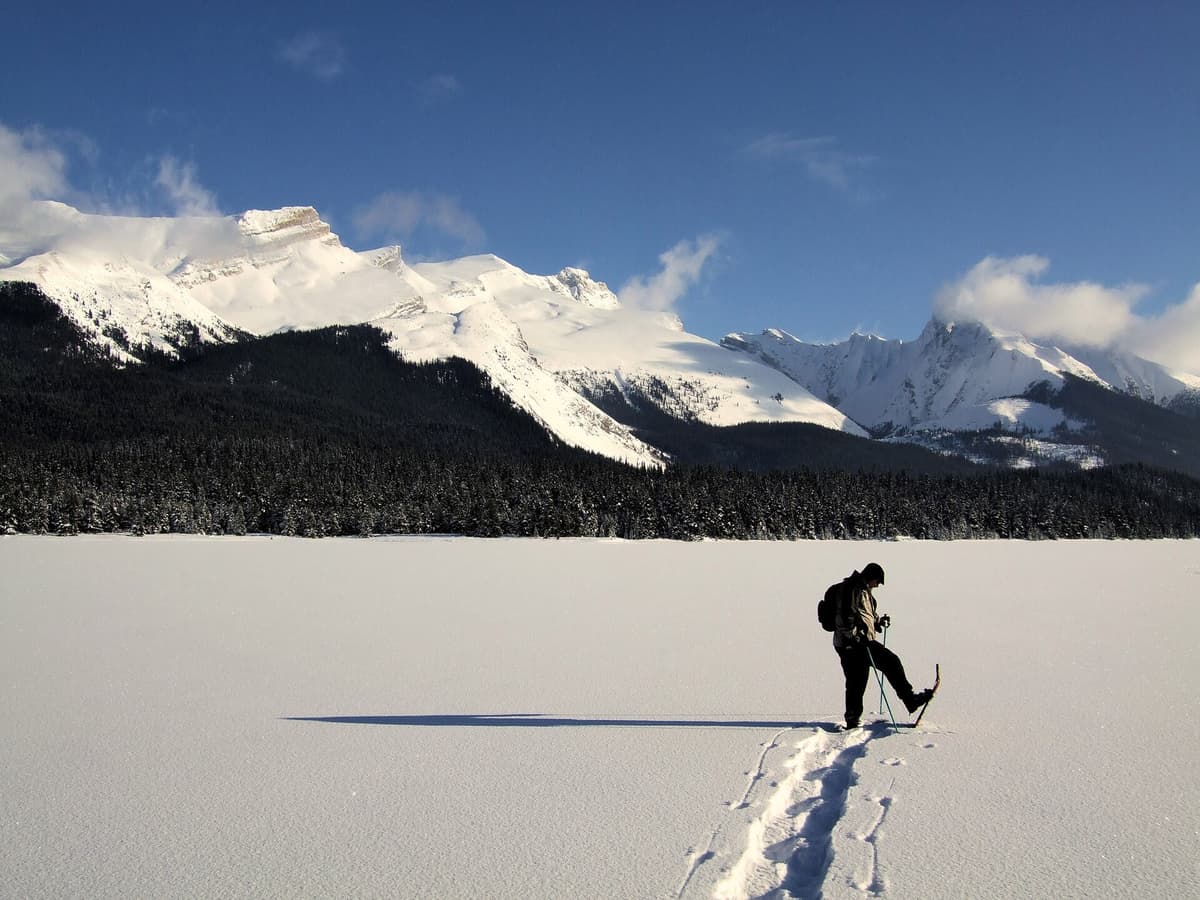
Avalanches. This is the one that matters most, and it's simple for beginners to manage: stay off and out from under steep slopes. Avalanches release on terrain roughly 30 to 45 degrees, so if you keep to flat trails, road grades, and gentle valley bottoms, you avoid the hazard almost entirely. Before any winter trip in the mountains, read the day's forecast from the Colorado Avalanche Information Center at avalanche.state.co.us. If you ever plan to move into steeper terrain, take an avalanche awareness course first and carry a beacon, shovel, and probe. For a first snowshoe on a flat trail, you don't need that gear, but you do need to know where not to go.
What to wear
Dress in layers you can adjust, because you'll heat up fast while moving and cool down instantly when you stop.
- Base layer. A merino or synthetic long-sleeve top and bottoms next to skin. Cotton is the wrong choice, it holds sweat and chills you. See our picks for the best merino wool base layers for Colorado.
- Mid layer. A fleece or light puffy for insulation.
- Shell. A waterproof, breathable jacket to block wind and snow.
- Belay puffy. A warm down jacket that lives in your pack and comes out the moment you stop for a break. This one item prevents more cold-related misery than anything else.
- Extremities. Warm hat, insulated waterproof gloves, wool socks, and sunglasses or goggles. Snow glare at altitude is intense, so don't skip eye protection.
The point is flexibility. You'll probably start cold, warm up within ten minutes, and want to shed a layer, then add two the moment you stop. Plan for all of it.
Common beginner mistakes
Starting too big. A five-mile route that's easy in summer can be a slog in deep snow. Cut your first distance in half and see how it feels.
Skipping poles. Poles make a beginner steadier, save your knees on the way down, and turn a fall from a struggle into a two-second recovery. Bring them.
Wearing cotton. Cotton socks, cotton base layers, and cotton jeans all soak up sweat and snow and leave you cold. Wool and synthetics only.
Underestimating water. Cold, dry, high-altitude air pulls fluid out of you even when you don't feel thirsty. Carry more water than you think, and keep the bite valve or bottle from freezing by tucking it inside your pack against your body.
Ignoring the avalanche forecast. Even if you're only planning flat trails, reading the day's forecast takes two minutes and tells you whether conditions are unusually dangerous.
Going out too late. Winter days are short and it gets cold fast after the sun drops behind the peaks. Start early, and carry a headlamp just in case.
Confusing snowshoes with microspikes. They solve different problems. Snowshoes float you over deep, soft snow. Microspikes grip hard-packed snow and ice on already-broken trails. On a firm, popular trail you may not need snowshoes at all. Our guide to the best microspikes for Colorado explains when to reach for which.
Frequently asked questions
Is snowshoeing hard for beginners?
No. If you can walk, you can snowshoe, and most people are comfortable within ten minutes. It's more tiring than regular walking because you're lifting extra weight and pushing through snow, so pick a short, flat first trail and go slow.
What size snowshoes do I need?
For most beginners on rolling Colorado terrain, a 25-inch snowshoe works, or a 30-inch for heavier people or deeper powder. Sizing is based on your total weight including pack. When unsure, size up, since a larger snowshoe floats better in soft snow.
Do I need special boots for snowshoeing?
No. Snowshoes bind to your existing winter boots. You want insulated, waterproof boots with a firm sole. Regular hiking boots work on shorter, warmer days if you add gaiters to keep snow out.
Do I really need poles?
For beginners, close to yes. Poles add balance, take strain off your knees on descents, and make getting up after a fall in deep snow simple. Use ones with wide snow baskets so the tips don't sink.
How far should a beginner snowshoe?
Start with one to three miles round trip on gentle terrain. Snowshoeing burns roughly twice the calories of the same distance walking, so a short route often feels like plenty on your first few outings.
When is the best time to go snowshoeing in Colorado?
Roughly December through March, once trails have a solid snow base. Go on a clear morning after the avalanche forecast has settled, start early to use the short daylight, and check that your chosen trail actually has snow, since low-elevation trails can melt out mid-winter.
Final thoughts
Snowshoeing is the rare outdoor activity with almost no barrier to entry. Rent or buy a pair, add poles and gaiters, dress in layers, pick a short flat trail, and you're set. Keep your first trips gentle, stay off steep slopes, respect the altitude and the cold, and you'll be looking for longer routes by your third outing.
When you're ready to buy your own gear, start with our best snowshoes for Colorado guide, then read the beginner's guide to winter hiking in Colorado for the full cold-weather kit and safety rules that keep new winter hikers out of trouble.
Get the Colorado 14er Packing Checklist (free PDF)
Plus a weekly note on the best Colorado trails, gear deals, and seasonal hike picks. No spam, unsubscribe anytime.
We respect your inbox. Unsubscribe anytime.