Pikes Peak Colorado Weather: What to Expect Month by Month
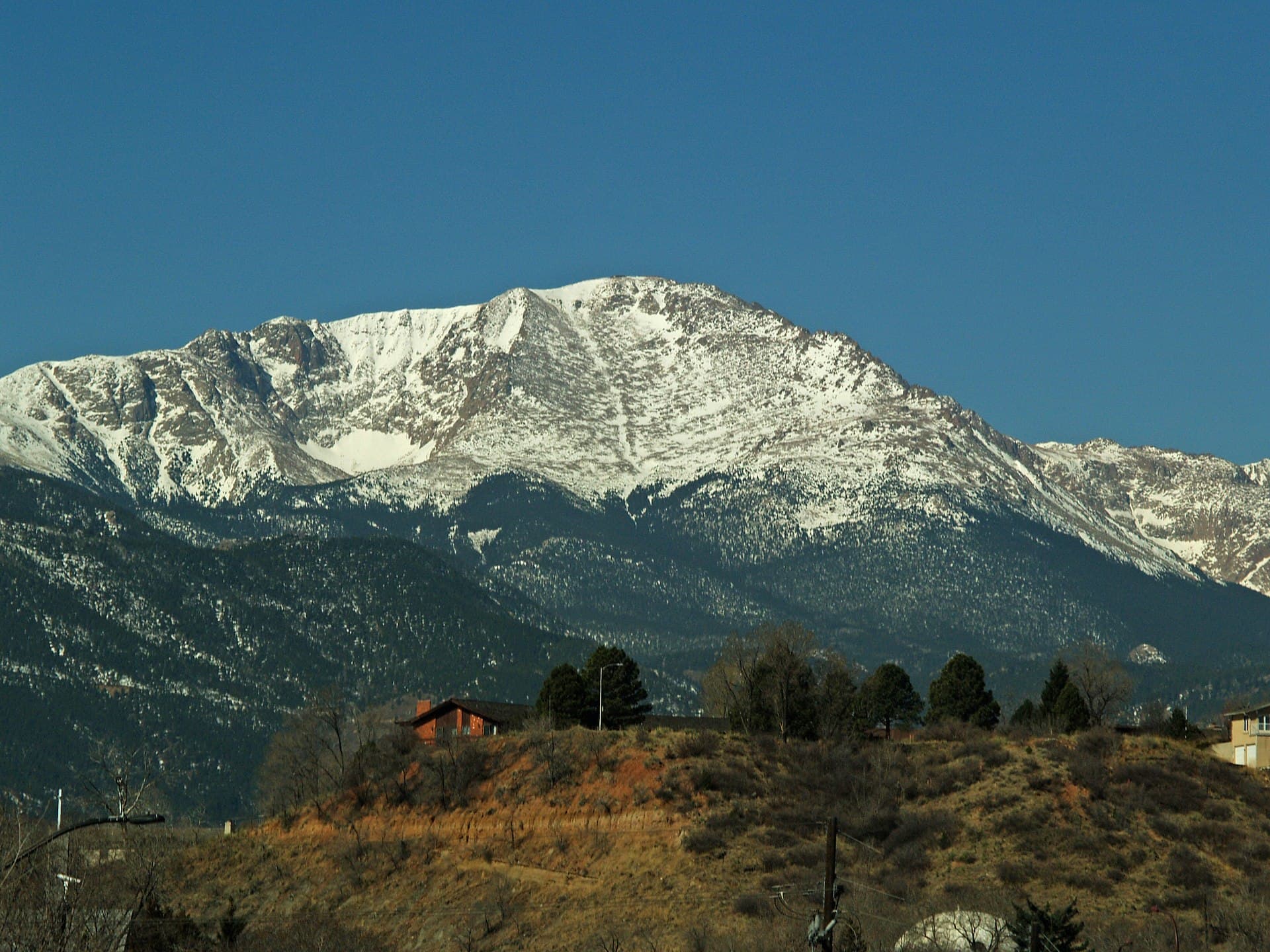
Pikes Peak weather is colder, windier, and less predictable than anything you'll find in Colorado Springs at the base. The summit sits at 14,115 feet, and it runs 30 to 40°F colder than the city below. Snow can fall in any month of the year, including July. Afternoon thunderstorms build fast in summer. Wind at the top regularly tops 40 mph.
If you're driving the highway, riding the cog railway, or hiking the Barr Trail, the weather you packed for in town will not be the weather you get at the summit. People show up in shorts and a t-shirt on an 80°F July morning in Manitou Springs and step out of their car at the top into 40°F air, a stiff wind, and a snow flurry. It happens constantly.
This guide breaks down what to actually expect: temperatures by month, the best time to visit weather-wise, how conditions change as you climb, and what to wear so the summit doesn't ruin your day.
What You'll Learn
- Quick Weather Facts
- How Cold Is It on the Summit of Pikes Peak?
- Pikes Peak Weather by Month
- The Best Time to Visit Pikes Peak
- Summer Weather and Afternoon Thunderstorms
- Winter Weather on Pikes Peak
- Why the Weather Changes as You Climb
- What to Wear and Pack
- How to Check the Forecast Before You Go
- Frequently Asked Questions
Quick Weather Facts
- Summit elevation: 14,115 ft
- Summit vs. Colorado Springs: typically 30-40°F colder
- Summer highs at summit: 45-50°F (June-August)
- Summer lows at summit: 30-36°F
- Winter highs at summit: 15-20°F (December-February)
- Winter lows at summit: -3 to 5°F, with extremes near -40°F
- Record low: about -39°F (December)
- Record high: about 64°F (July)
- Snow: possible every month; heaviest October through April
- Wind: frequently 20-40 mph at the summit, higher in storms
- Sunniest stretch: September through January
- Wettest month: August (afternoon storms)
How Cold Is It on the Summit of Pikes Peak?
The single most useful number for planning: the summit is usually 30 to 40°F colder than Colorado Springs. So when your phone says 85°F in town on a summer afternoon, the top of Pikes Peak is sitting somewhere around 45 to 50°F. Add wind, and it feels colder still.
In summer, summit highs land in the mid-40s to low-50s and overnight lows drop near freezing. That's June through August, the warm season. In winter, daytime highs at the top hover around 15 to 20°F and lows fall well below zero. The coldest readings on record approach -40°F, and that's before you factor in wind chill.
Wind is the part people underestimate. A 30°F air temperature with a 30 mph wind feels like roughly 15°F on exposed skin. The summit is almost always breezy because there's nothing up there to block it. Pack as if it'll be windy, because it usually is.
Pikes Peak Weather by Month
Here's the rough shape of the year at the summit. Treat these as typical ranges, not guarantees, since high-altitude weather swings hard day to day.
January-February. The coldest stretch. Highs in the teens, lows below zero, heavy snow, and brutal wind. The upper highway and cog often close or run limited service. This is mountaineering season, not sightseeing season.
March-April. Still firmly winter up high. March is one of the snowier months. The base may feel like spring while the summit stays buried. Expect closures and icy roads.
May. Transition month. Lower elevations green up, but the summit can still get hit with significant snow. Highs slowly climb toward the 30s.
June. The reliable warm season begins. Drier than July and August, with summit highs in the mid-40s. Many consider early summer one of the better windows before the monsoon kicks in.
July. Warmest month, with record highs into the 60s, but also the start of daily afternoon thunderstorms. Mornings are usually clear; afternoons are not.
August. Warm but the wettest month of the year, with roughly twice the precipitation of September and storms most afternoons. Snow flurries can still surprise you at the top.
September. The sweet spot for most visitors. Storms taper off, skies clear, and temperatures stay mild. Less than half the precipitation days of August.
October. Crisp, increasingly sunny, but winter is moving back in. Early-season snow is common and the first big storms arrive.
November-December. Winter conditions return in full. Short days, cold, snow, and the start of road and railway limitations.
The Best Time to Visit Pikes Peak
If your only goal is good weather, September is the best month to visit Pikes Peak. Storms die down after the August monsoon, the air is dry, and September through January is the sunniest part of the year. You get mild temperatures, fewer afternoon storms, and clearer summit views.
For hiking the Barr Trail, the window that balances warmth and safety is roughly mid-June through late September. June is drier than July and August. September gives you the clearest skies. Avoid August afternoons if storms worry you, and start very early regardless. If you're planning the full 26-mile day, read our Pikes Peak Barr Trail guide for timing and descent strategy.
For the highway or cog railway, late spring through fall is easiest, with summer offering the most reliable summit access. Winter visits are possible but depend entirely on conditions and operating schedules, which change with each storm.
Summer Weather and Afternoon Thunderstorms
Summer is the busy season, and it comes with one rule that's nearly universal in the Colorado high country: be off the summit by noon. Afternoon thunderstorms build almost daily in July and August. They form fast, bring lightning, hail, and sudden temperature drops, and they're genuinely dangerous above treeline where there's nowhere to hide.
The pattern is predictable. Mornings start clear and calm. By late morning, clouds stack up over the peaks. By early afternoon, storms are firing. If you're hiking, that means an alpine start, often 3 to 5 AM, so you summit and start down before the sky turns.
Even on a bluebird July day, a passing cell can drop the temperature 20°F in minutes and dust the summit with graupel or snow. Lightning is the real threat. If you hear thunder or see building clouds, get below treeline. A summit view is never worth standing on the highest point around in a storm.
Driving or riding up doesn't exempt you. Storms can close the upper highway and stop the railway mid-day. Plan summit time for the morning.
Winter Weather on Pikes Peak
Winter on Pikes Peak is serious. Summit highs sit in the teens, lows drop below zero, and wind chills can hit -30°F or colder. Snow is frequent and the upper mountain is fully exposed. The Pikes Peak Highway often closes above a certain point or requires chains, and the cog railway runs a reduced winter schedule.
For most visitors, winter is a drive-partway-and-enjoy-the-view season rather than a summit season. If you do go up, treat it like a winter alpine outing: full insulation, traction, and a willingness to turn around. Conditions change fast and rescue is slow.
If you're hiking anywhere in Colorado this time of year, our winter hiking guide for beginners covers the gear and decision-making that keep cold-weather trips safe.
Why the Weather Changes as You Climb
The reason Pikes Peak weather feels like a different planet from Colorado Springs comes down to elevation. Air cools as you gain altitude, roughly 3 to 5°F for every 1,000 feet. The summit is about 8,000 feet above downtown Colorado Springs, which alone accounts for most of that 30 to 40°F gap.
Higher up, the air is also thinner and drier, the sun is more intense, and there's far less to slow the wind. Weather that's mild and stable at the base can be cold, gusty, and stormy at the top at the exact same moment. You can watch a sunny morning in Manitou Springs while clouds swallow the summit.
The thin air does more than chill you. At 14,000 feet you're breathing roughly 40 percent less oxygen than at sea level, which is why some visitors feel lightheaded, headachy, or nauseous at the top. That's altitude, not the cold, and it deserves respect. Our guide to altitude sickness in Colorado explains how to recognize and prevent it.
What to Wear and Pack
The golden rule for Pikes Peak: dress for the summit, not the base. Layers are the whole game, since you might start in summer warmth and end in near-freezing wind.
A working summer kit looks like this:
- Insulating layer. A packable down jacket or synthetic puffy that you can throw on at the top and stuff away on the climb.
- Wind and rain shell. A waterproof rain jacket blocks wind and the afternoon storms. See our rain jacket picks.
- Hat and gloves. A warm beanie and lightweight gloves weigh nothing and save the summit.
- Sun protection. The high-altitude sun is fierce. Bring high-SPF sunscreen and polarized sunglasses. You burn faster up here.
- Water. Altitude dries you out fast. Carry more than you think you need.
In winter, scale all of that up: a heavier insulated jacket, warm base layers, and traction for ice. Even driving up, keep a jacket in the car. Stepping out at the summit unprepared is the most common mistake people make here.
How to Check the Forecast Before You Go
Town forecasts lie about the summit. A weather app pinned to Colorado Springs or Manitou Springs will show you base conditions, which can be 30 to 40°F warmer and far calmer than the top. Check a forecast built for the elevation instead.
A few reliable sources:
- Mountain-forecast.com has a dedicated Pikes Peak summit forecast broken out by elevation band.
- The National Weather Service publishes a zone forecast for Pikes Peak above 11,000 feet.
- The cog railway website posts current summit weather and operating status, which is handy whether or not you're riding.
Check the forecast the night before and again the morning of. In summer, look specifically at the afternoon storm timing so you can plan to be down before they hit. In winter, check road and railway status, since a storm can close access with little notice.
Pikes Peak is close to several other Colorado Springs area attractions, so if the summit forecast looks ugly, it's easy to pivot. Our things to do near Colorado Springs and the Seven Falls guide cover lower-elevation options that hold up better in bad weather.
Frequently Asked Questions
How cold is it at the top of Pikes Peak?
The summit is typically 30 to 40°F colder than Colorado Springs. In summer, expect highs in the mid-40s to low-50s; in winter, highs in the teens with lows below zero. Wind makes it feel colder than the thermometer reads, so always pack a warm layer even on a hot day in town.
Does it snow on Pikes Peak in summer?
Yes. Snow can fall on Pikes Peak in any month, including July and August. Summer snow usually comes as brief flurries or graupel during afternoon thunderstorms and rarely sticks for long, but it can drop the temperature sharply and catch unprepared visitors off guard.
What is the best month to visit Pikes Peak for good weather?
September is the best month. The August monsoon storms taper off, the skies clear, and September through January is the sunniest stretch of the year. You get mild temperatures, fewer afternoon thunderstorms, and the clearest summit views of the season.
Can you drive up Pikes Peak in winter?
Sometimes, but it depends on conditions. The Pikes Peak Highway often closes above a certain point in winter or requires chains, and access changes with each storm. Check the official road status the morning you plan to go, and be ready for the summit to be closed even when the base is clear.
Why is Pikes Peak so much colder than Colorado Springs?
Elevation. The summit sits about 8,000 feet above the city, and air cools roughly 3 to 5°F per 1,000 feet of gain. The thinner air, stronger wind, and lack of shelter at 14,115 feet all add up to summit conditions that feel like a completely different season.
Final Thoughts
Pikes Peak weather rewards people who plan for the summit instead of the parking lot. Expect it to be 30 to 40°F colder up top, expect afternoon storms in summer, expect snow in any month, and pack the layers to match. September gives you the best odds of clear, mild conditions, and early starts keep you ahead of the storms the rest of the season.
Check an elevation-specific forecast before you go, dress for cold and wind, and you'll get the views people drive across the country for. If you're planning to hike rather than drive, start with our Pikes Peak Barr Trail guide to map out the timing.
Get the Colorado 14er Packing Checklist (free PDF)
Plus a weekly note on the best Colorado trails, gear deals, and seasonal hike picks. No spam, unsubscribe anytime.
We respect your inbox. Unsubscribe anytime.