Rocky Mountain National Park vs Indian Peaks Wilderness for Hiking
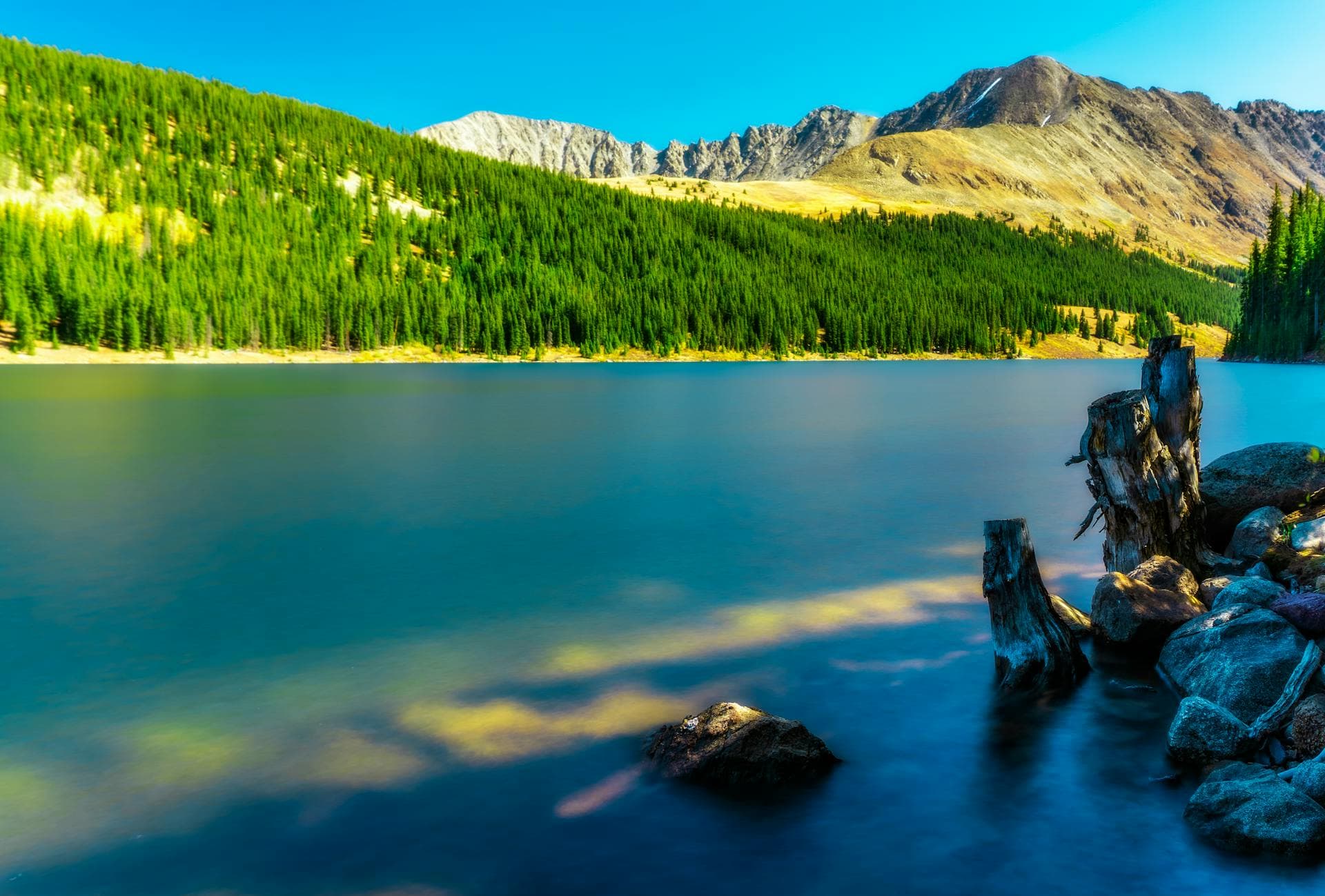
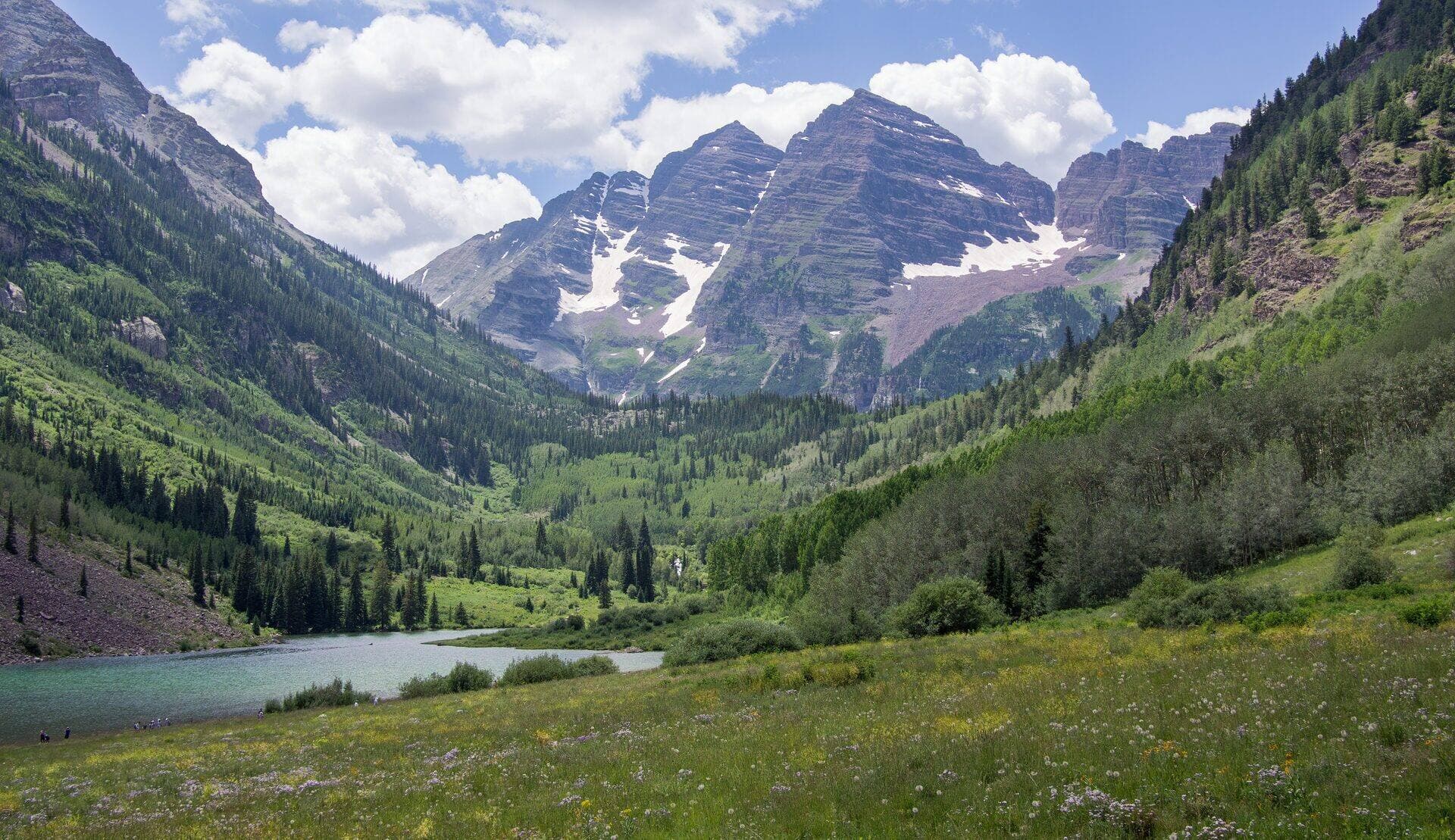
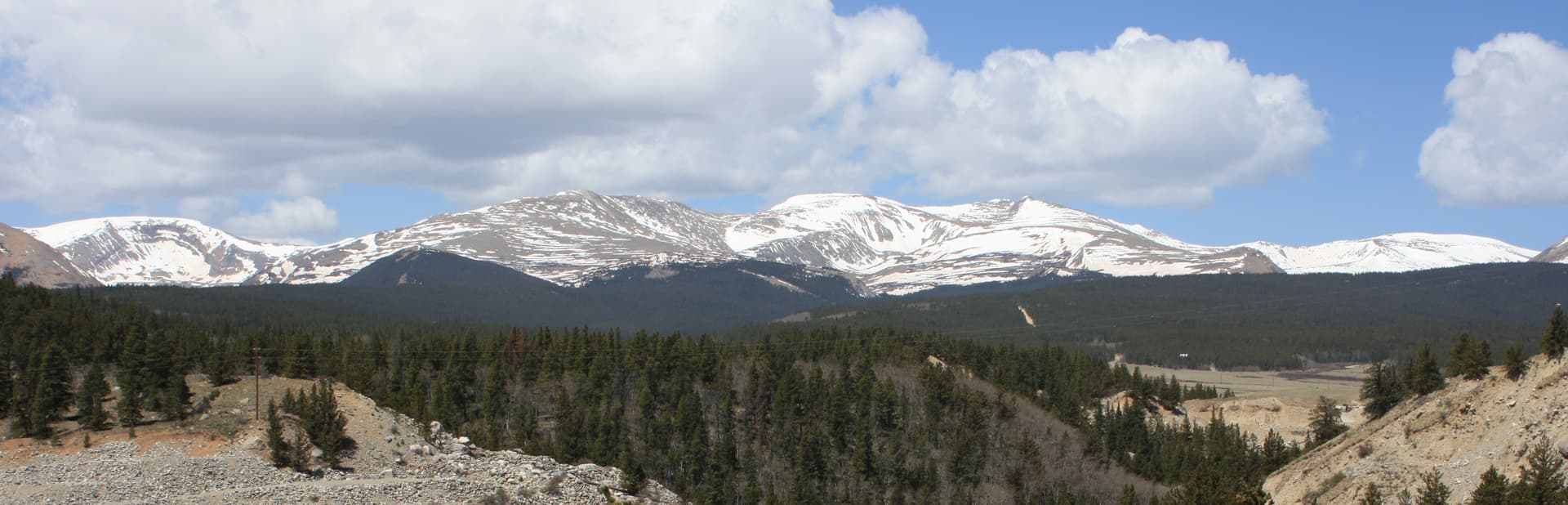
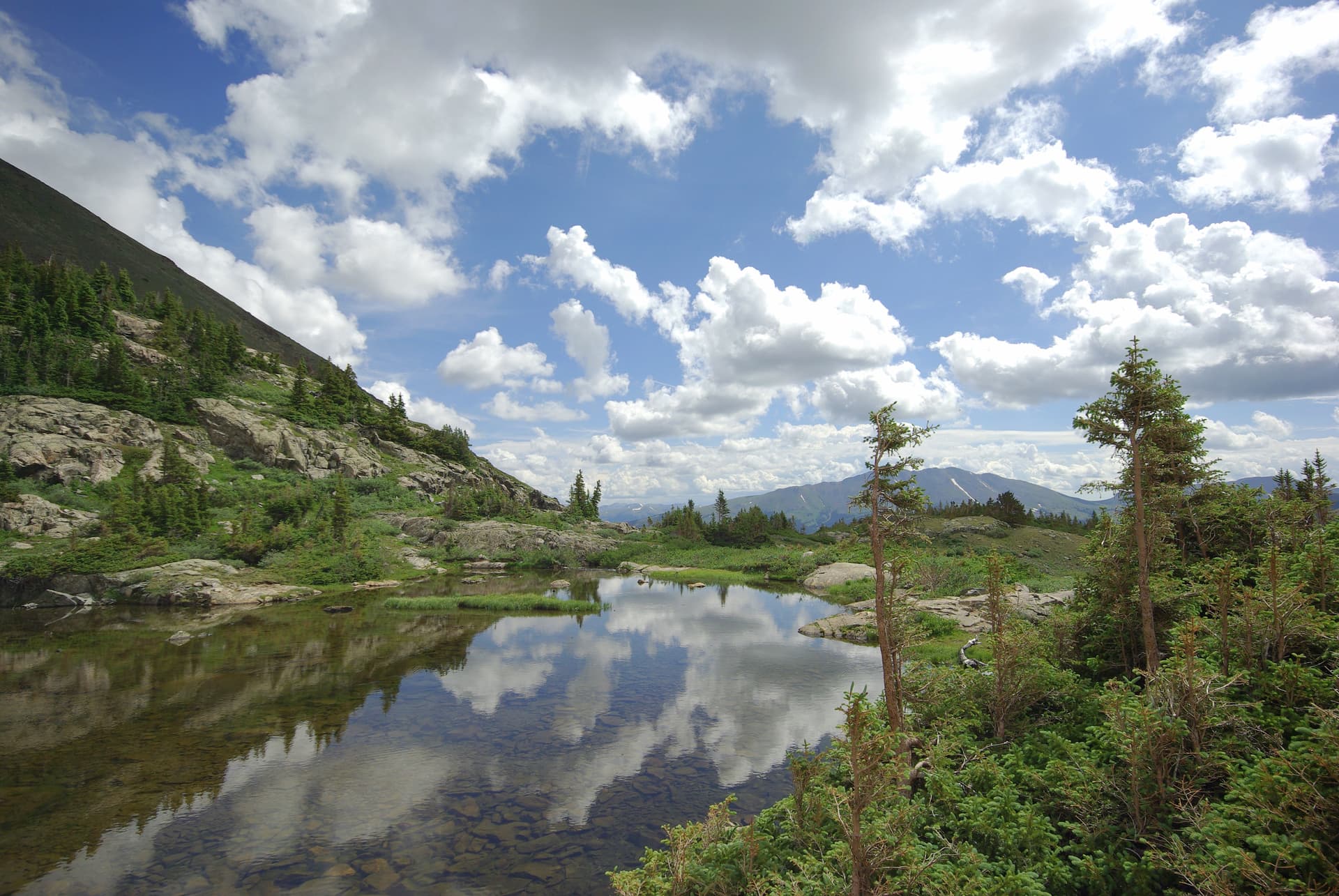
Rocky Mountain National Park and Indian Peaks Wilderness sit side-by-side on the Continental Divide, sharing similar terrain, similar elevations, and similar alpine character. Most Colorado visitors default to RMNP because it's the more famous brand. Most experienced Colorado hikers have shifted toward Indian Peaks for the same hiking with one-tenth the crowds.
If you're deciding between them for your Colorado trip, the answer depends on what you actually want from a wilderness experience. This is the honest comparison.
TL;DR
- Choose RMNP if it's your first Colorado visit, you want named iconic destinations (Bear Lake, Sky Pond, Longs Peak), and you're comfortable working through the timed-entry permit system.
- Choose Indian Peaks Wilderness if you've already done RMNP, you value solitude, or you want similar alpine hiking without national park crowds and rules.
At a Glance
| Spec | Rocky Mountain National Park | Indian Peaks Wilderness |
|---|---|---|
| Area | 415 sq mi | 76,711 acres (120 sq mi) |
| Highest peak | Longs Peak (14,259 ft) | Apache Peak (13,441 ft) |
| Iconic hikes | Sky Pond, Emerald Lake, Longs Peak | Lake Isabelle, Pawnee Pass, Mt Audubon |
| Entry fee | $30/vehicle/week | None |
| Timed entry | Yes (May-Oct) | Brainard Lake area only |
| Backcountry permits | Required for overnight | Required for overnight |
| Dogs allowed | No (on trails) | Yes (on leash) |
| Mountain bikes | No | No (designated wilderness) |
| Annual visitors (2025) | 4.1 million | ~500,000 |
Where Rocky Mountain National Park Wins
Brand and iconic destinations
RMNP has been Colorado's premier national park for over a century. Emerald Lake, Bear Lake, Sky Pond, Longs Peak, Trail Ridge Road, these names carry instant recognition. If you're visiting Colorado for the first time and want to tell people what you did, RMNP destinations land better in conversation.
Indian Peaks Wilderness has the famous Lake Isabelle and Pawnee Pass but neither has the brand power of an RMNP name. For first-time visitors, the marketing value matters.
Advantage: RMNP, especially for first-time visitors.
Infrastructure and facilities
RMNP has visitor centers, paved roads, ranger programs, education facilities, and a solid shuttle system. The Bear Lake corridor is accessible by shuttle from a Park & Ride lot. Restrooms, signage, and information are reliable everywhere.
Indian Peaks Wilderness is designated wilderness. No infrastructure beyond trailhead pit toilets. No shuttle. No visitor center within the wilderness itself (Brainard Lake Recreation Area has a small visitor station). Navigation requires real maps and orientation.
Advantage: RMNP, for accessibility and first-time wilderness visitors.
Iconic 14er climbing
Longs Peak is the only 14er in RMNP, and it's one of the most respected technical 14er climbs in Colorado. The Keyhole Route is 15 miles, 5,100 feet of gain, class 3 with significant exposure. It's a serious objective that's been on bucket lists for a century.
Indian Peaks has no 14ers. The highest peak is Apache at 13,441 feet.
Advantage: RMNP, for technical 14er pursuits.
Trail Ridge Road
The highest paved through-road in North America runs through RMNP, peaking at 12,183 feet. The road provides effortless access to alpine tundra ecosystems, viewpoints, and quick high-altitude experiences without hiking. Closes late October through mid-May.
Indian Peaks has no comparable scenic drive.
Advantage: RMNP, especially for travelers who want easy alpine access without hiking.
Wildlife viewing programs
RMNP has dedicated wildlife biologists, ranger-led wildlife tours, and managed habitat. Elk rutting in fall is a famous spectacle. Bighorn sheep are protected and viewable from Trail Ridge Road. The park manages wildlife visibility intentionally.
Indian Peaks has the same wildlife but without the visibility programs. You'll see less by default.
Advantage: RMNP, for wildlife-focused trips.
Where Indian Peaks Wilderness Wins
Solitude
This is the big one. RMNP gets 4.1 million visitors a year. Indian Peaks gets about 500,000. The Bear Lake corridor in RMNP is often more crowded than a suburban park. Trails in Indian Peaks routinely have miles of empty terrain.
Even popular Indian Peaks destinations like Lake Isabelle and Pawnee Pass see a fraction of the foot traffic of comparable RMNP destinations.
Advantage: Indian Peaks, by a huge margin.
No entry fees
Indian Peaks is free. RMNP charges $30/vehicle per week, plus the timed-entry reservation that requires advance planning. The Brainard Lake Recreation Area within Indian Peaks does have a $16 timed-entry reservation (plus a $2 fee) in summer, but most Indian Peaks trailheads (Fourth of July, Hessie, Buchanan Pass, Long Lake) are reservation-free.
For repeat visits, the cost difference compounds. Boulder/Denver locals who hike the area weekly often choose Indian Peaks specifically to skip the fees and parking hassles.
Advantage: Indian Peaks, decisively.
Dogs allowed
Dogs are allowed on Indian Peaks trails (on leash). RMNP prohibits dogs on most trails (with limited exceptions). For dog owners, this is a deciding factor.
Advantage: Indian Peaks, for dog owners.
Spontaneous trips
RMNP requires timed-entry reservations during peak season. Indian Peaks doesn't (except Brainard Lake). For locals who want a Saturday hike decided Friday afternoon, Indian Peaks works without planning. RMNP requires more lead time.
Advantage: Indian Peaks, for spontaneous visits.
Backcountry camping flexibility
Both require backcountry permits for overnight camping. But Indian Peaks permits are easier to get (smaller volume, fewer designated zones), while RMNP permits for popular zones (Wild Basin, Bear Lake area) book up months in advance.
Advantage: Indian Peaks, for spontaneous backpacking.
Backcountry character
Indian Peaks feels more like real wilderness because it is. No paved roads cut through, no shuttle buses, no visitor centers within the wilderness boundary. The trail experience is more rugged, less manicured.
For visitors who specifically want a wild experience (not a national park experience), Indian Peaks delivers what RMNP can't.
Advantage: Indian Peaks, for wilderness purists.
Where They're Tied
Trail quality
Both areas have well-maintained, well-signed trails. The actual hiking experience. Terrain, views, wildflowers, is comparable. Lake Isabelle vs Sky Pond, Pawnee Pass vs the Continental Divide overlooks, Audubon vs Hallett Peak, the quality of the trails themselves is similar.
Altitude
Both areas span 8,500 to 14,000 feet. Most trails are 9,500-12,000 feet. Same acclimatization requirements, same weather patterns, same monsoon thunderstorm rules.
Wildflowers
July is wildflower peak in both. Both areas have iconic wildflower destinations: American Basin (Indian Peaks adjacent), Lily Lake (RMNP), and dozens of high-alpine basins.
Geology
Both sit on the same Continental Divide granite and conglomerate. The peaks have similar character. Mount Audubon (Indian Peaks) and Hallett Peak (RMNP) are roughly equivalent climbs.
Direct Use-Case Test
First time in Colorado, visiting for the wilderness experience. → RMNP for the iconic names and infrastructure.
Already done RMNP, want something new. → Indian Peaks Wilderness for the comparable hiking without the crowds.
Dog-owner with hiking dog. → Indian Peaks, no question.
Family with non-hiking grandparents who want to see views without hiking. → RMNP for Trail Ridge Road access.
Boulder/Denver local doing regular weekend hikes. → Indian Peaks for the cost and crowd advantage.
Bucket-list Longs Peak summit. → RMNP, only option.
Backpacking-focused trip. → Indian Peaks for permit flexibility.
Wildlife photography trip. → RMNP for managed visibility programs.
Mid-September fall colors. → Either. Both have spectacular aspen color around Brainard Lake (IPW) and Bear Lake (RMNP).
Compromise: Do both in a long weekend
If you have 3 days:
- Day 1: RMNP. Emerald Lake or Sky Pond, plus Trail Ridge Road drive
- Day 2: Indian Peaks. Lake Isabelle or Pawnee Pass from Brainard Lake
- Day 3: RMNP. Longs Peak (if technical class 3 is in your wheelhouse) or Loch Vale
The two areas are 30-60 minutes apart by car. Use Estes Park as your base for both, or use Nederland (gateway to Indian Peaks) for cheaper lodging.
Final Verdict
Pick RMNP if you want the famous Colorado alpine experience, you're a first-time visitor, or you're comfortable with the timed-entry system. The crowds are real but the iconic destinations deliver.
Pick Indian Peaks Wilderness if you've done RMNP, you value solitude, you have a dog, or you're a Boulder/Denver local who hikes the area regularly. The trail quality is equivalent; the experience is meaningfully better.
For full trail picks, see hikes in RMNP and Indian Peaks Wilderness trails.
Get the Colorado 14er Packing Checklist (free PDF)
Plus a weekly note on the best Colorado trails, gear deals, and seasonal hike picks. No spam, unsubscribe anytime.
We respect your inbox. Unsubscribe anytime.