Herman Gulch Trail: A Complete Hiking Guide to One of Colorado's Best Day Hikes
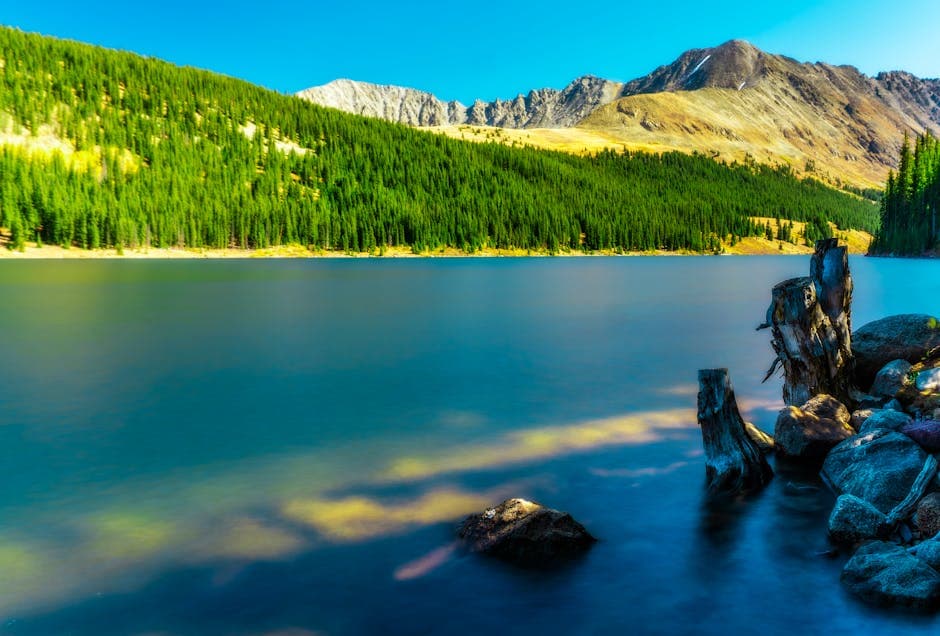
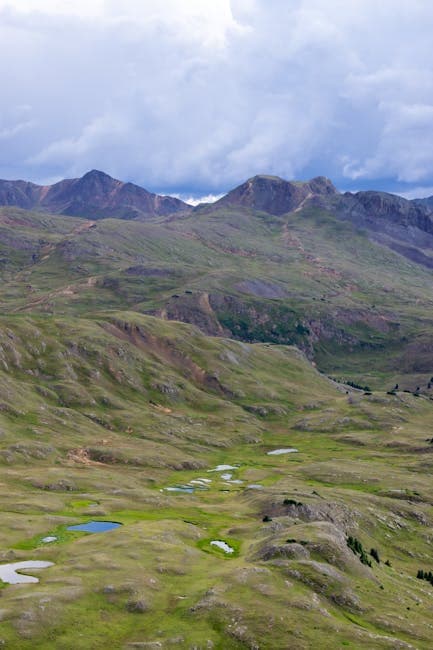
Herman Gulch Trail packs everything you love about Colorado into one 6.4-mile round trip. You'll get wildflower meadows, creek crossings, jaw-dropping views of Pettingell Peak, and a pristine alpine lake sitting at 12,000 feet. It's about an hour west of Denver off I-70, it's free to hike, and it doesn't require a 14er -level fitness commitment. If you haven't done this one yet, it should be next on your list.
Here's the full breakdown so you can plan your trip with confidence.
What You'll Learn
- Trail Stats and Quick Facts
- How to Get to Herman Gulch Trailhead
- What's the Best Time to Hike Herman Gulch?
- What to Expect on the Trail
- Is Herman Gulch Trail Hard?
- What to Bring on the Hike
- Can You Fish at Herman Lake?
- Tips for Hiking Herman Gulch with Dogs
- Frequently Asked Questions
Trail Stats and Quick Facts
Before we get into the details, here's what you're working with:
- Distance: 6.4 miles round trip (out and back)
- Elevation gain: 1,657 feet
- Starting elevation: ~10,300 feet
- High point: ~12,000 feet (Herman Lake)
- Difficulty: Moderate to challenging
- Time: 3 to 5 hours
- Fee: None
- Dogs: Allowed on leash
- Location: Arapaho National Forest, near Georgetown /Idaho Springs
It's not the longest hike you'll do in Colorado, but that elevation gain at altitude makes it legit. You'll feel the burn, especially if you're visiting from lower elevations.
How to Get to Herman Gulch Trailhead
Getting here couldn't be simpler. From Denver, hop on I-70 West and drive for about 55 miles. Take exit 218 (Herman Gulch) and you'll see the parking lot right there on the south side of the highway. There are restrooms at the trailhead, which is a nice bonus.
A few things to know about parking:
- The lot fills up fast on weekends. We're talking 7:30 AM on a Saturday in summer. Get there early or expect to circle.
- Weekday mornings are golden. You'll have way more space and fewer people on the trail.
- No fee required. You don't need a National Forest pass or any other permit for this trailhead.
The GPS coordinates for the trailhead are roughly 39.7117° N, 105.8819° W. Plug "Herman Gulch Trailhead" into Google Maps and it'll take you right there.
What's the Best Time to Hike Herman Gulch?
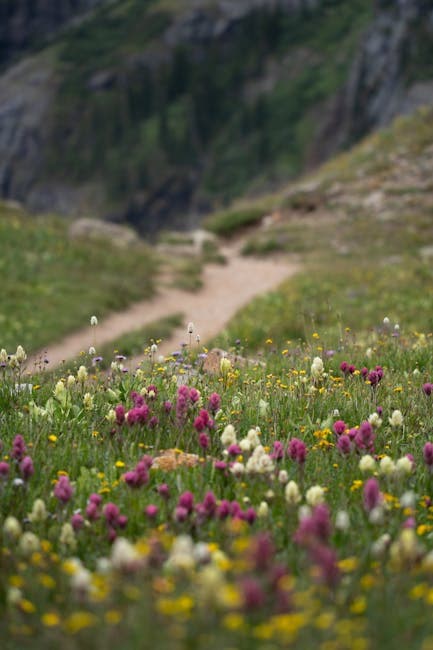
July through September is the sweet spot. The trail is snow-free, the wildflowers are blooming (peak is usually mid-July), and the weather cooperates most mornings.
Here's how each season breaks down:
Summer (June through September): This is prime time. June can still have snow patches above treeline, but by July you're in the clear. Wildflowers explode across the meadows in mid-summer, and it's honestly one of the best wildflower hikes you'll find this close to Denver. Just watch the weather. Afternoon thunderstorms roll in like clockwork from late June through August, so aim to be below treeline by noon.
Fall (October through November): The crowds thin out and you might catch some fall color in the lower sections. Snow can hit any time after late September at these elevations, so check conditions before you go.
Winter (December through March): Herman Gulch is actually a popular snowshoe and winter hiking destination. The trail gets packed down by regular use, but you'll want snowshoes or microspikes . It's beautiful with fresh snow, just be prepared for cold temps and shorter days.
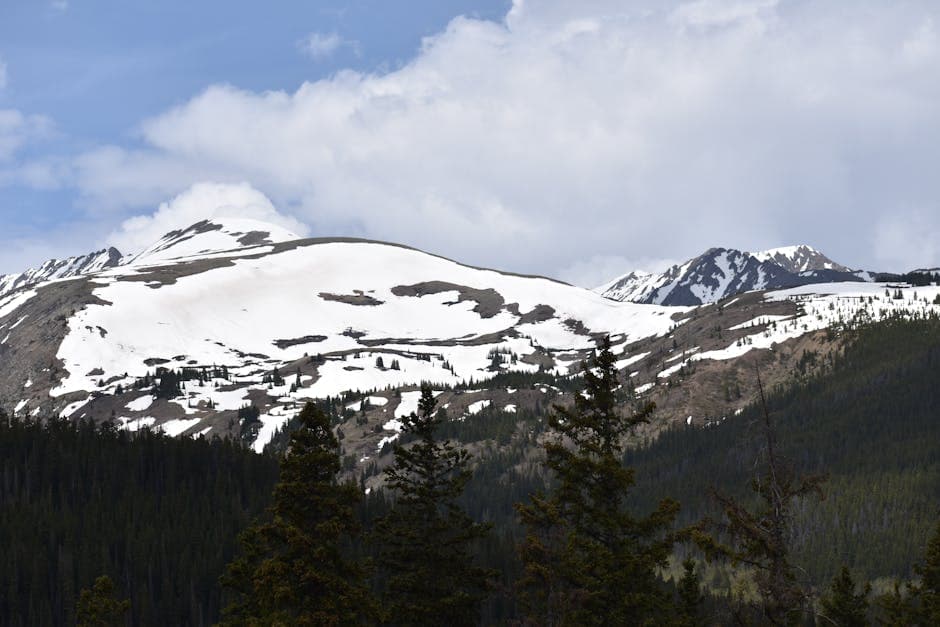
Spring (April through June): This is the trickiest time. Snow lingers well into June above treeline. The lower trail can be muddy and the creek crossings get swollen with snowmelt. Doable but messy.
What to Expect on the Trail
The hike breaks into three distinct sections, and each one has its own personality.
The First Half Mile: Welcome to Altitude
You'll start climbing right away. The trail kicks off with a steady uphill through dense forest, and at 10,300 feet, you're going to notice the thin air fast. This opening stretch weeds out a lot of hikers who underestimate the altitude. Take it slow, find your rhythm, and don't burn yourself out in the first 15 minutes.
The Middle Section: Meadows and Creek Crossings
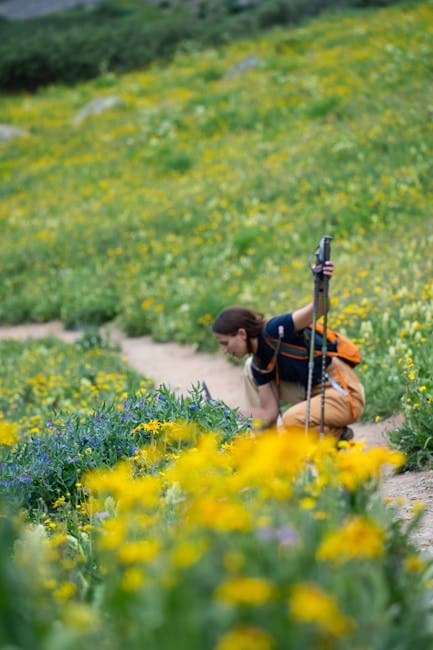
After that initial push, the trail levels out and you'll enter a gorgeous valley. This is where Herman Gulch really shines. You'll walk through open meadows filled with columbine, Indian paintbrush, and dozens of other wildflowers during peak season. Herman Creek runs alongside the trail, and you'll cross it a few times on log bridges or rock hops.
This section feels like a completely different world from the I-70 corridor you just left. It's peaceful, it's green, and on a clear day the views up the valley toward Pettingell Peak are incredible.
The Final Push: Above Treeline to Herman Lake
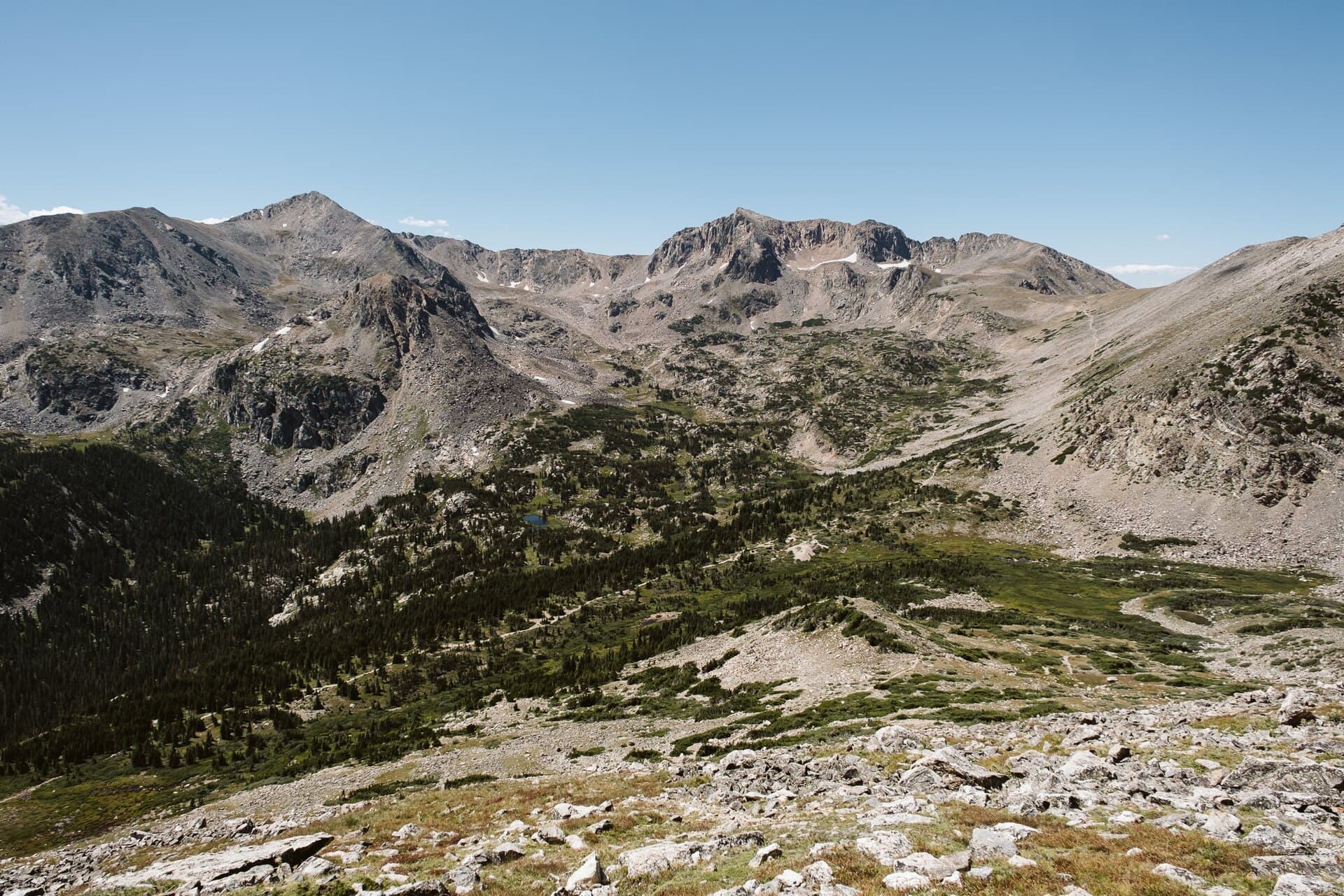
The last mile or so gets steep again as you climb above treeline. You'll gain elevation quickly through a series of switchbacks, and the scenery shifts from meadow to rocky alpine tundra. Stay on the trail here because the alpine vegetation is fragile and takes decades to grow back.
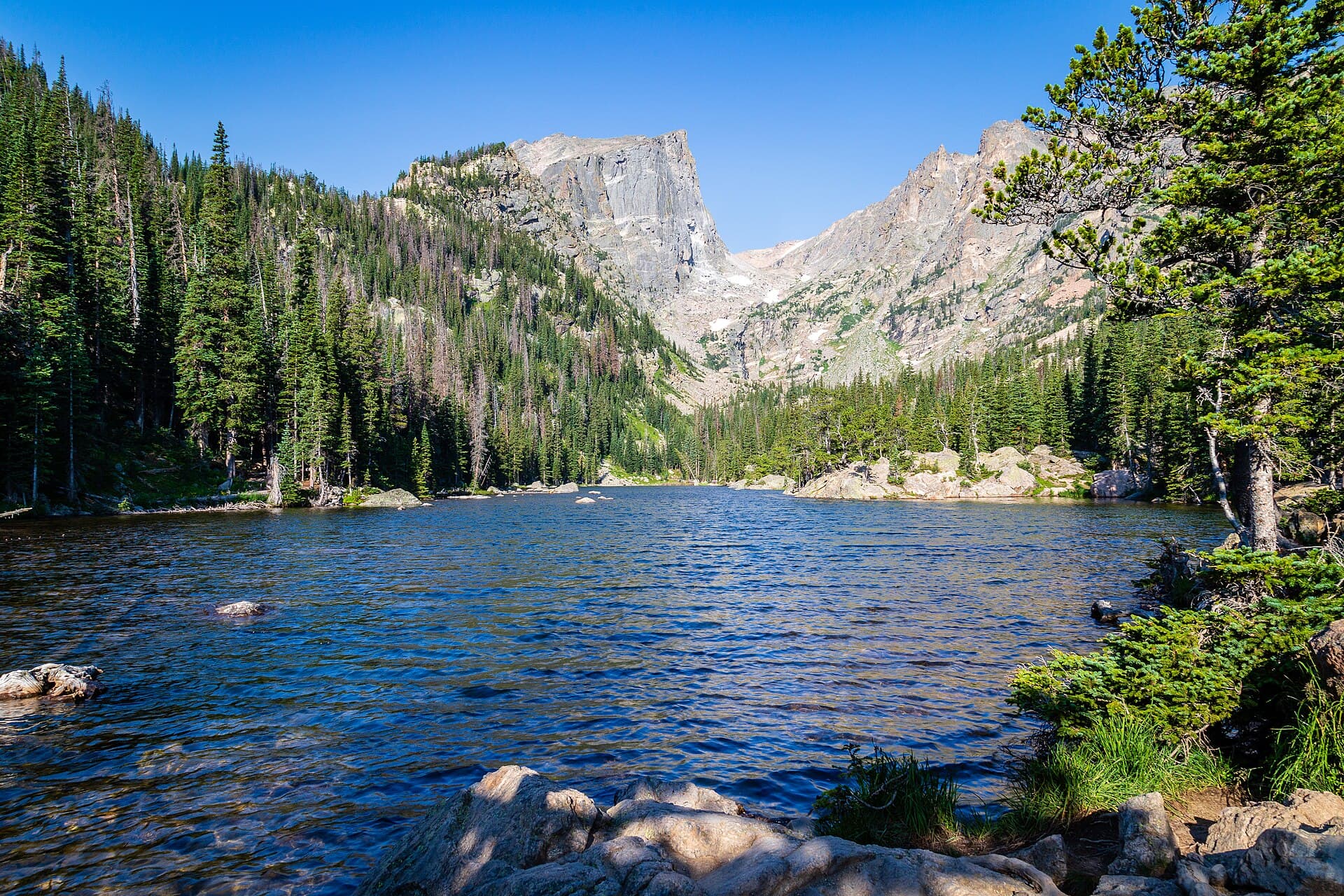
Then you'll crest a rise, and there it is: Herman Lake. It sits in a dramatic cirque below Pettingell Peak (13,553 feet), surrounded by rocky cliffs and scree fields. On a calm day the reflections are unreal. This is your turnaround point unless you're continuing on the Continental Divide Trail.
Is Herman Gulch Trail Hard?
It depends on your fitness level and altitude experience. Most people rate it moderate to challenging. Here's the honest breakdown:
If you hike regularly at altitude, you'll find this manageable. The distance is reasonable and the elevation gain is steady rather than brutal. You'll be done in 3 to 4 hours at a comfortable pace.
If you're visiting from sea level, respect the altitude. Starting at 10,300 feet and climbing to 12,000 feet is no joke when your body isn't acclimated. Drink extra water, take breaks, and don't feel bad about going slow. Altitude sickness can sneak up on anyone.
If you're a beginner, this one might be a stretch for your first Colorado hike. Consider starting with something at lower elevation like Red Rocks or Chautauqua and working your way up. That said, if you're in decent shape and patient with yourself, you can do it.
The trail itself is well-maintained and easy to follow. There aren't any scrambling sections or exposed ridgelines to worry about. It's just a solid uphill workout at altitude.
What to Bring on the Hike
You don't need a ton of gear for this one, but a few things are non-negotiable:
Water: Bring at least 2 liters per person. The altitude and exertion will dehydrate you faster than you'd expect. A water filter is smart if you want to refill from the creek.
Layers: Weather above treeline changes in minutes. Start with a moisture-wicking base layer and pack a lightweight rain jacket even if the forecast looks clear. Morning sun can turn into afternoon hail faster than you'd believe.
Sun protection: You're above 10,000 feet the entire time. Sunscreen, sunglasses, and a hat aren't optional. The UV intensity up here is significantly stronger than at lower elevations.
Trekking poles : Not required, but they'll save your knees on the descent. If you don't own a pair yet, these collapsible poles are a solid budget option. Check out our trekking pole guide for more recommendations.
Snacks and lunch: You'll want fuel for the climb. Trail mix, bars, and a sandwich for the lake are the move.
The Ten Essentials: Navigation (your phone with downloaded maps works), headlamp , first aid kit, fire starter, knife, extra food, extra water, extra clothes, and sun protection. You probably won't need most of them, but the one time you do, you'll be glad they're in your pack. A solid daypack makes carrying all of this comfortable.
Can You Fish at Herman Lake?
Yes, and it's worth bringing a rod if you're into it. Herman Lake holds cutthroat trout, and since it takes real effort to get up there, the fishing pressure is lighter than you'd find at roadside lakes. You'll need a valid Colorado fishing license, which you can grab online from Colorado Parks and Wildlife.
A few tips: the lake is shallow around the edges, so longer casts toward the deeper center tend to produce better. Small flies and lures work best. The fish aren't huge, but catching cutthroat in an alpine cirque at 12,000 feet is an experience that's hard to beat.
Tips for Hiking Herman Gulch with Dogs
Dogs are welcome on Herman Gulch Trail, but they need to stay on leash. This is Arapaho National Forest policy, and it protects both the wildlife and other hikers.
A few things to keep in mind:
- Your dog feels the altitude too. If they're not used to hiking above 10,000 feet, watch for signs of fatigue, heavy panting, or reluctance to keep moving. Turn around if they're struggling.
- Bring extra water for them. Don't count on creek access at every point on the trail.
- The rocky sections near the lake can be tough on paws. If your dog has sensitive feet, consider booties for the final stretch.
- Pack out all waste. Seriously, bring bags. Nobody wants to step in it, and it doesn't belong in the alpine environment.
Nearby Adventures to Add to Your Trip
If you're making a day of it in the area, there's plenty more to explore:
- Bakerville and the Continental Divide Trail: Herman Gulch connects to the CDT, so experienced hikers can extend the trip significantly.
- Georgetown: This historic mining town is just a few exits east on I-70. Great for a post-hike lunch or to explore the Georgetown Loop Railroad .
- Loveland Pass: Drive up to the top for easy above-treeline views without the hike. It's about 15 minutes from the trailhead.
- Nearby hot springs: After a tough hike, nothing beats soaking tired muscles. Check our guide to Colorado's best hot springs for options that aren't far from the I-70 corridor.
If you're looking for more trails in the area, our spring hikes guide and best hikes with epic scenery have plenty of options to keep you busy all season.
Frequently Asked Questions
How long does it take to hike Herman Gulch Trail?
Most hikers finish the 6.4-mile round trip in 3 to 5 hours, depending on pace and how long they spend at Herman Lake. If you're well-acclimated and in good shape, 3 hours is realistic. Budget extra time if you're coming from lower elevation or want to fish and take photos at the lake.
Is Herman Gulch Trail good for beginners?
It's doable for fit beginners, but it's not the easiest first hike in Colorado. The 1,657 feet of elevation gain at altitude makes it a real workout. If you're new to high-altitude hiking, start with a shorter trail at lower elevation and build up. Once you've got a couple of Front Range hikes under your belt, Herman Gulch is a great next step.
Do you need a permit for Herman Gulch Trail?
No permits or passes are required. The trailhead parking is free and there's no entrance fee for this section of Arapaho National Forest. Just show up and hike.
Are there bears on Herman Gulch Trail?
Black bears live throughout Arapaho National Forest, though sightings on this trail aren't super common. You're more likely to spot marmots, pikas, and the occasional mountain goat near the lake. Standard bear country rules apply: don't leave food unattended and make noise on the trail.
Can you camp at Herman Lake?
Backcountry camping is allowed in Arapaho National Forest, but you need to camp at least 100 feet from the lake and any water sources. Practice Leave No Trace principles: pack out everything you bring in, use a bear canister or hang your food, and camp on durable surfaces. There are no designated campsites, so pick a spot that minimizes your impact.
There's something special about a trail that's this close to Denver but feels like true backcountry once you're an hour in. Herman Gulch doesn't get the hype of some flashier Colorado hikes, and honestly, that's part of its charm. Grab your pack, fill your water bottles, and go see that lake for yourself. You won't regret it.
Get the Colorado 14er Packing Checklist (free PDF)
Plus a weekly note on the best Colorado trails, gear deals, and seasonal hike picks. No spam, unsubscribe anytime.
We respect your inbox. Unsubscribe anytime.