12 Best Spring Wildflower Hikes in Colorado (2026 Bloom Guide)
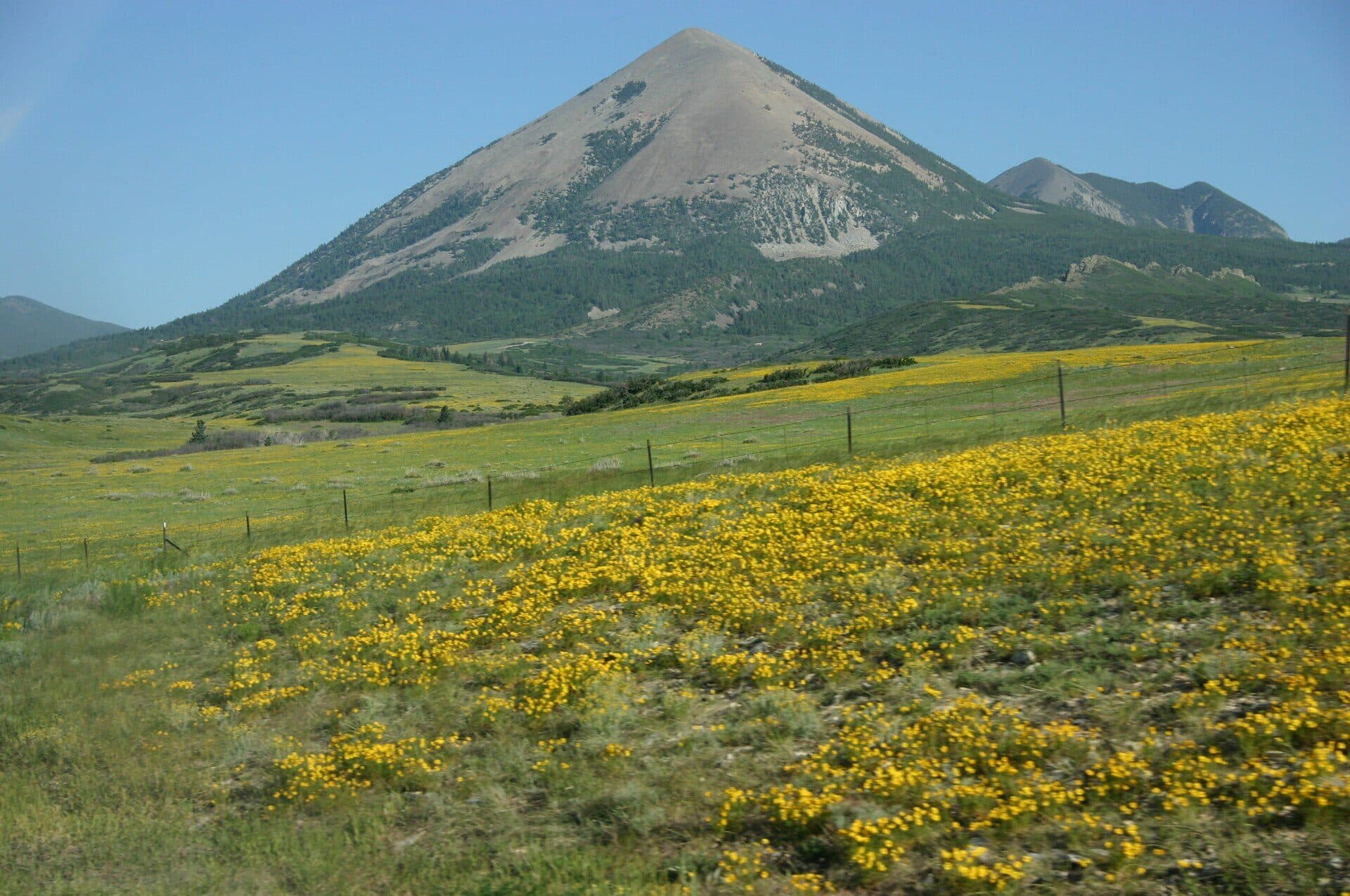
Colorado's wildflower season transforms the state's mountains, meadows, and foothills into some of the most colorful scenery you'll find anywhere in the West. Whether you're chasing columbines in the high country or pasque flowers on the Front Range, there's a trail for every skill level and schedule.
Here's your complete guide to the 12 best spring wildflower hikes across Colorado, organized by bloom timing so you can plan from April through August.
When Do Wildflowers Bloom in Colorado?
Colorado's wildflower season doesn't hit all at once. It rolls uphill with the snowmelt:
- April to May: Lower elevations and foothills (5,000 to 7,000 feet) see the first blooms. Pasque flowers, Easter daisies, and early penstemon lead the way.
- June: Montane meadows (7,000 to 9,500 feet) pop with lupine, Indian paintbrush, and wild iris.
- July to early August: Alpine meadows above 10,000 feet hit peak bloom. This is when Crested Butte and the high passes go off.
Snow years matter. Heavy snowpack pushes bloom timing later by two to three weeks. Check local ranger districts or the Colorado Wildflower Reports Facebook group for real-time updates.
Early Season Wildflower Hikes (April to May)
1. Roxborough State Park. Fountain Valley Trail
Distance: 2.3 miles (loop) | Elevation Gain: 200 feet | Difficulty: Easy
Roxborough is one of the first spots in Colorado to see spring wildflowers, thanks to its low elevation and south-facing red rock formations that trap warmth. By mid-April, you'll spot wild plum blossoms, Easter daisies, and early blanketflower along the Fountain Valley Trail.
The red sandstone fins create a dramatic backdrop that makes every wildflower photo look like a postcard. Dogs aren't allowed in the state park, so it stays peaceful.
What you'll see: Easter daisy, wild plum, pasque flower, sand lily
2. Elk Meadow Park. Meadow View Trail
Distance: 2.8 miles (loop) | Elevation Gain: 350 feet | Difficulty: Easy
Just 30 minutes from Denver in Evergreen, Elk Meadow's open grasslands start blooming in late April. The Meadow View Trail winds through ponderosa pine and wide-open meadows where you'll find golden banner, wild iris, and penstemon. You might also spot the park's resident elk herd grazing among the flowers.
What you'll see: Golden banner, wild iris, penstemon, wild geranium
3. Castlewood Canyon State Park. Inner Canyon Trail
Distance: 2 miles (loop) | Elevation Gain: 200 feet | Difficulty: Easy
South of Castle Rock , Castlewood Canyon doesn't get the attention it deserves. The Inner Canyon Trail drops into a sheltered canyon where moisture collects, creating early wildflower displays by late April. You'll hike past the ruins of an old dam that collapsed in 1933.
What you'll see: Pasque flower, Oregon grape, wild plum, yucca
Mid-Season Wildflower Hikes (June)
4. Golden Gate Canyon State Park. Mule Deer Trail
Distance: 7.2 miles (loop) | Elevation Gain: 1,100 feet | Difficulty: Moderate
Golden Gate Canyon sits at the perfect elevation for June wildflowers. The Mule Deer Trail passes through aspen groves and montane meadows bursting with lupine, Indian paintbrush, and Colorado blue columbine (the state flower). The trail's moderate length makes it a solid half-day outing.
Pack a good pair of hiking boots since the trail can be muddy from snowmelt, especially in early June.
What you'll see: Columbine, lupine, Indian paintbrush, aspen daisy
5. Staunton State Park. Elk Falls Trail
Distance: 4.8 miles (out and back) | Elevation Gain: 600 feet | Difficulty: Easy to moderate
One of Colorado's newer state parks, Staunton sits between Conifer and Pine Junction and doesn't draw the crowds that other Front Range parks do. The Elk Falls Trail leads to a 40-foot waterfall through meadows thick with wild iris, blue flax, and larkspur by mid-June.
What you'll see: Wild iris, blue flax, larkspur, mariposa lily
6. Crags Trail. Pikes Peak Region
Distance: 4 miles (out and back) | Elevation Gain: 800 feet | Difficulty: Moderate
Starting from the Crags Campground west of Divide, this trail climbs through spruce-fir forest into a rocky amphitheater surrounded by wildflower-covered slopes. June brings waves of columbine, paintbrush, and mountain harebell. The granite formations at the end reward you with views of the Sangre de Cristo Range.
If you're also exploring the best hikes near Colorado Springs , the Crags Trail is about an hour west and worth the drive.
What you'll see: Columbine, Indian paintbrush, mountain harebell, stonecrop
Peak Season Wildflower Hikes (July to August)
7. West Maroon Pass Trail. Crested Butte to Aspen
Distance: 10.5 miles (point to point) | Elevation Gain: 3,200 feet | Difficulty: Strenuous
This is it. If you do one wildflower hike in Colorado, make it this one. The West Maroon Pass trail connects Crested Butte to Aspen through some of the most stunning alpine wildflower meadows on the planet. Mid-July brings fields of paintbrush, sunflowers, columbine, and lupine so thick they look painted on.
You'll need a shuttle or two-car setup since it's point to point. Most people start from the Crested Butte (Schofield Pass) side for a gentler ascent to the 12,500-foot pass. Bring trekking poles . The descent into Aspen is steep and loose.
What you'll see: Indian paintbrush, sneezeweed, columbine, lupine, sunflower, larkspur
8. American Basin. Lake City
Distance: 2 miles (out and back) | Elevation Gain: 600 feet | Difficulty: Easy to moderate
American Basin is the wildflower photographer's dream. This compact alpine basin near Lake City sits at 11,600 feet and explodes with color in mid to late July. The short hike means you can spend most of your time actually enjoying (and photographing) the flowers instead of grinding uphill.
Getting there requires a high-clearance vehicle on Cinnamon Pass Road, but the payoff is worth every bump. It's one of the most photographed wildflower locations in Colorado for good reason.
What you'll see: Paintbrush, marsh marigold, columbine, king's crown, rose crown
9. Shrine Ridge Trail. Vail Pass
Distance: 4 miles (out and back) | Elevation Gain: 700 feet | Difficulty: Easy to moderate
Starting from the Shrine Pass Road trailhead near Vail Pass, this trail follows an alpine ridge above 11,000 feet with 360-degree views and wildflower meadows that peak in mid-July. You'll look out over the Gore Range, Mount of the Holy Cross , and carpets of alpine sunflower and paintbrush.
This trail works great as a family hike. It's short, not too steep, and the views start almost immediately. Check out our beginners guide if you're new to alpine hiking.
What you'll see: Alpine sunflower, paintbrush, bistort, alpine avens
10. Rustler Gulch Trail. Crested Butte
Distance: 9 miles (out and back) | Elevation Gain: 2,400 feet | Difficulty: Moderate to strenuous
There's a reason Crested Butte calls itself the Wildflower Capital of Colorado. Rustler Gulch delivers on that reputation with rolling meadows above treeline that rival anything in the Swiss Alps. The trail starts from the Gothic Road area and climbs steadily into a massive alpine basin.
Late July is prime time here. You'll find fields of every color. Purple lupine, red paintbrush, yellow sunflower, blue columbine. Pack a quality daypack since you'll want to carry plenty of water and a camera for this one.
What you'll see: Lupine, paintbrush, sunflower, columbine, monk's hood
11. Butler Gulch Trail. Empire
Distance: 5 miles (out and back) | Elevation Gain: 1,400 feet | Difficulty: Moderate
Butler Gulch is one of the closest alpine wildflower hikes to Denver, making it a popular July weekend option. The trail climbs from a trailhead near Empire through old-growth forest and into a wide alpine basin at 12,000 feet. The upper meadows fill with columbine, paintbrush, and marsh marigold when conditions are right.
It's about 90 minutes from Denver, so you can do it as a day trip without an overnight. Start early to beat afternoon thunderstorms that roll in most summer days above treeline.
What you'll see: Columbine, paintbrush, marsh marigold, alpine avens, bistort
12. Oh Be Joyful Trail. Crested Butte
Distance: 7 miles (out and back) | Elevation Gain: 1,200 feet | Difficulty: Moderate
The name says it all. Oh Be Joyful follows a creek through a lush valley north of Crested Butte with wildflowers lining both sides of the trail from late June through July. You'll cross the creek a few times (bring water-friendly hiking sandals or expect wet boots), and the valley gradually opens into meadows backed by rugged peaks.
What you'll see: Larkspur, columbine, cow parsnip, monkshood, paintbrush
What to Bring on a Colorado Wildflower Hike
You don't need much specialized gear for wildflower hikes, but a few items make the experience better:
- **Water filter **. Many wildflower trails follow streams where you can refill
- Camera or phone with macro mode. You'll want close-up shots of individual blooms
- **Sun protection **. Alpine meadows offer zero shade
- Rain layer. Afternoon storms are almost guaranteed July through August
- **Trekking poles **. Helpful on muddy or steep trails during snowmelt season
- Plant identification app. INaturalist or PictureThis work great for IDing Colorado wildflowers
For a more complete packing list, check out our hiking food and snack guide to keep yourself fueled on longer trails.
Tips for the Best Wildflower Experience
Go midweek if you can. Popular wildflower trails like West Maroon Pass and American Basin get packed on summer weekends. Tuesday through Thursday, you'll often have meadows to yourself.
Start early. Wildflower colors photograph best in morning light, and you'll beat the crowds and afternoon thunderstorms. Aim to be on the trail by 7 AM for alpine hikes.
Stay on the trail. It's tempting to walk into those flower-filled meadows for the perfect photo, but trampling wildflowers destroys next year's blooms. Use a zoom lens instead of your feet.
Check road conditions. Many of the best wildflower spots (American Basin, Gothic Road, Schofield Pass) require high-clearance vehicles and don't open until late June or early July depending on snowpack.
FAQ
Where is the wildflower capital of Colorado?
Crested Butte holds the official title and hosts an annual Wildflower Festival each July. The town's surrounded by some of the densest wildflower meadows in the state, with trails like Rustler Gulch, Oh Be Joyful, and the West Maroon Pass all starting nearby.
Can you see wildflowers in Colorado in April?
Yes, but you'll need to stick to lower elevations. Front Range foothills and parks like Roxborough State Park, Castlewood Canyon, and Elk Meadow see early blooms starting mid-April. Don't expect alpine wildflowers until July.
What is the best month for wildflowers in Colorado?
Mid-July is generally peak bloom for alpine wildflowers above 10,000 feet. But if you're looking at the whole state, you can find wildflowers somewhere in Colorado from April through August. Lower elevations peak in May and June.
Do I need a permit for wildflower hikes in Colorado?
Most trails don't require permits, but you'll need a state parks pass ($10/day or $80/year) for places like Roxborough and Staunton. Some wilderness areas near Crested Butte and Aspen may require free self-issued permits at trailheads during peak season. Always check with the local ranger district before heading out.
Are dogs allowed on wildflower trails?
It depends on the trail. State parks like Roxborough don't allow dogs at all. Most national forest trails allow dogs on leash, including Butler Gulch and Shrine Ridge. Wilderness areas typically require dogs to be under control but not necessarily leashed. Check individual trail rules before bringing your pup.
Planning your first Colorado hiking trip? Start with our complete beginners guide for everything you need to know about gear, altitude, and trail etiquette.
Get the Colorado 14er Packing Checklist (free PDF)
Plus a weekly note on the best Colorado trails, gear deals, and seasonal hike picks. No spam, unsubscribe anytime.
We respect your inbox. Unsubscribe anytime.