Booth Falls Trail in Vail: Parking Is Closed, So Take the Bus
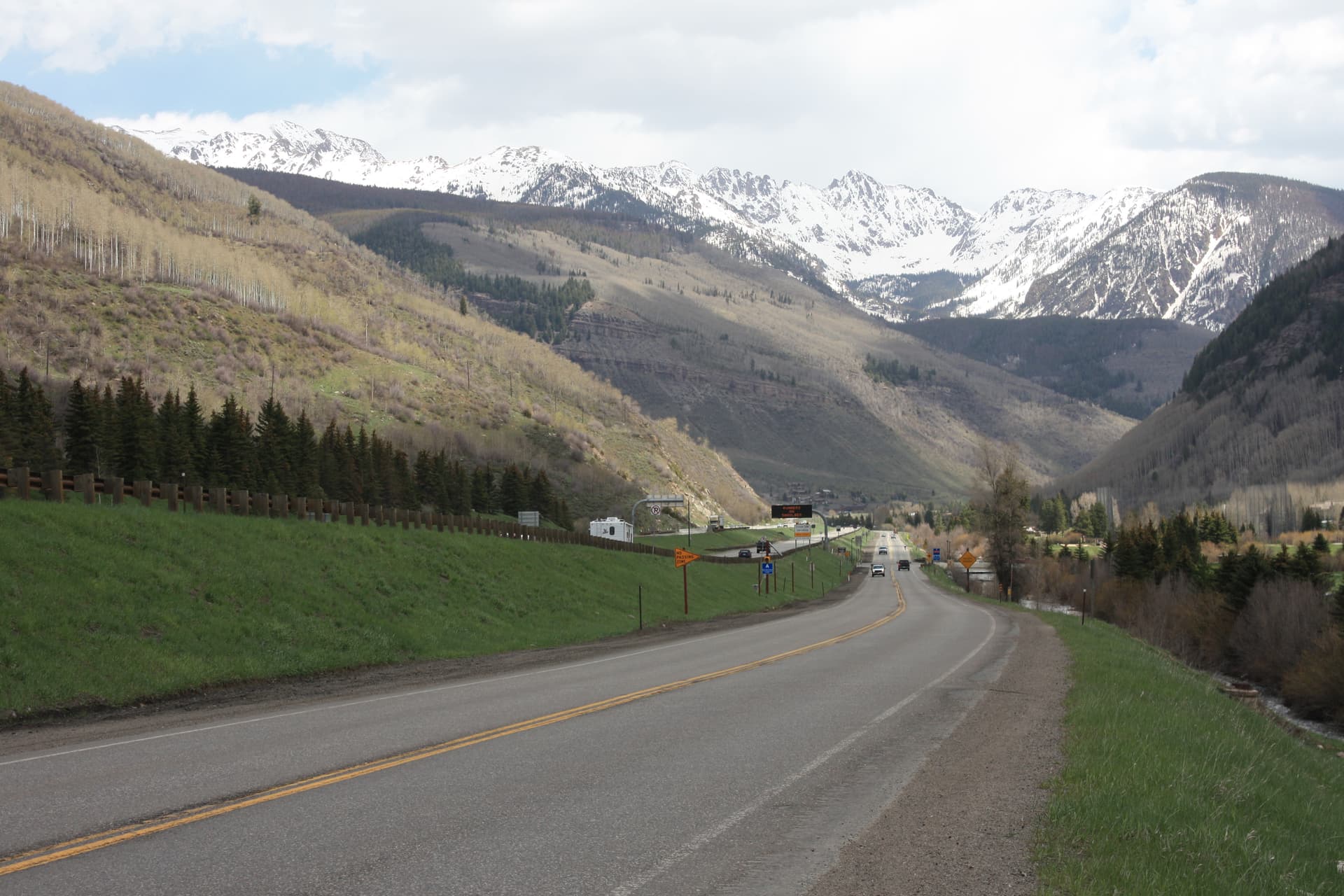
The single most important thing to know about the Booth Falls Trail is that you can't drive to it and park in summer. From late spring through fall, the Town of Vail closes the small trailhead lot to hikers, bans parking in the whole surrounding neighborhood, and tows cars that ignore the signs. If you show up expecting to pull in and walk to the falls, you'll spend your morning circling East Vail looking for a spot that doesn't exist. The fix is easy once you know it: park in town for free and ride the free bus to the trailhead.
That one logistics detail trips up more first-timers on this hike than anything on the trail itself. So this page starts there, then covers the trail. Booth Falls is a 60-foot waterfall about 2 miles up a steep, aspen-lined trail into the Eagles Nest Wilderness above Vail, and Booth Lake sits another 2.5 miles past it under the Gore Range. It's one of the most popular hikes in the valley, which is exactly why the parking rules got so strict.
Quick Facts
- Trailhead: Booth Falls / Booth Lake, East Vail, off the North Frontage Road
- Parking: closed to hikers all summer; no roadside, neighborhood, park, or school parking; violators towed
- How to get there: free Town of Vail bus (East Vail route plus the East Vail Express) from the Vail Transportation Center
- Cost: free trail, free bus, no permit
- Wilderness: Eagles Nest Wilderness, White River National Forest
- To Booth Falls: about 2 miles one way, roughly 1,350 feet of gain
- To Booth Lake: about 4.5 miles one way, roughly 3,000 feet of gain, lake at 11,480 feet
- Trailhead elevation: about 8,400 feet
- Dogs: allowed on the trail, leashed; note the bus only takes service animals
- Crowds: high, especially summer weekends
Can You Park at the Booth Falls Trailhead?
In summer, no. The Town of Vail closes the Booth Falls trailhead lot to hiker parking for the busy season, which runs roughly from late May through the fall. Exact start and end dates shift a little year to year, so check vail.gov before you go, but plan on the closure being in effect any time you'd want to hike this in warm weather.
The ban isn't just the lot. Parking is off limits in the surrounding East Vail neighborhood, in Booth Creek Park, and at the nearby Vail Mountain School. The town enforces it, and the signs mean what they say: cars parked where they shouldn't be get towed, not just ticketed. A tow from East Vail back to an impound lot is a miserable, expensive way to cap a hike.
Vail started this program back in 2021 after years of summer weekends when cars packed the small lot before dawn and then spilled into the neighborhood, blocking driveways and emergency access. The trail is popular enough that the little lot never stood a chance. Rather than build a bigger parking lot in a residential area, the town pushed hikers onto the free bus instead. The slogan they use for it is "Bus It to Hike It," and for Booth Falls it isn't optional advice, it's the only legal way in.
One exception: passenger vehicle drop-off and pick-up at the trailhead is still allowed on a limited basis. So a friend can drop you at the trailhead and come back for you later. You just can't leave a car there.
How to Take the Free Bus to Booth Falls
The Town of Vail runs a free bus system, and two routes serve the East Vail trailheads: the regular East Vail route and the East Vail Express, sometimes called the Hiker Express. Together they give you roughly 15-minute service for most of the day, and they both leave from the Vail Transportation Center in Vail Village, where parking in the structure is free in summer.
Here's the simple version:
- Drive to the Vail Transportation Center (the parking structure in Vail Village) and park for free.
- Catch the East Vail or East Vail Express bus. Service starts around 6 a.m. and runs late into the night.
- Ride to the Booth Falls stop. The bus serves four East Vail trailhead stops: Booth Falls, Falls at Vail, Columbine, and Main Gore / Bighorn.
- From the Booth Falls stop, walk about a quarter mile up Booth Falls Road to the trailhead.
The bus is free, so there's no ticket to buy and no reservation to make. You just show up at the transportation center, check the posted schedule for the next East Vail departure, and go. Because two offset routes cover the same corridor, you rarely wait long in the middle of the day.
Catch an early bus. Booth is a south-facing climb with real exposure once you're above the aspens, and afternoon thunderstorms are the norm in a Colorado summer. A 6 or 7 a.m. start gets you to the falls, or up to the lake, with time to turn around before the sky turns on you. If you're headed all the way to Booth Lake, treat it like any big mountain day and be off the high, open ground by early afternoon.
Where the Trailhead Is
The Booth Falls trailhead sits in East Vail, north of Interstate 70 off the North Frontage Road, at the top of Booth Falls Road near the Vail Mountain School. Coming from the Booth Falls bus stop, you walk up Booth Falls Road a quarter mile to where the pavement ends and the trail begins. There's a trailhead sign and a wilderness registration box; the trail climbs from there.
If someone is dropping you off, they can pull up to the trailhead, let you out, and leave. Arrange a pickup time and spot in advance, because cell service gets patchy once you climb into the drainage. Don't ask them to wait in the lot or on the neighborhood streets while you hike, since that's the parking the town is trying to eliminate.
The trailhead itself is basic. Facilities are minimal, so use a restroom back in town before you catch the bus, and pack out everything you bring in. This is a wilderness trailhead, not a developed picnic area.
How Long Is the Booth Falls Trail?
It depends on your turnaround point, and the two options are very different hikes.
To Booth Falls (the waterfall): about 2 miles one way, or roughly 4 miles round trip, with around 1,350 feet of climbing. Most people call this moderate. It's a steady, sometimes steep grind up through aspen and evergreen, and the payoff is a 60-foot waterfall on Booth Creek. Figure two to three hours round trip at a relaxed pace with a break at the falls. This is the version most families and casual hikers do.
To Booth Lake: about 4.5 miles one way, or roughly 9 miles round trip, with around 3,000 feet of gain to a lake at 11,480 feet. This one is strenuous, a genuine full-day outing. The trail keeps climbing well past the falls, through meadows and then a steep, rocky final stretch to the lake, which sits in a basin under Booth Mountain and Spider Mountain in the Gore Range. Give yourself five to seven hours and treat it like the high-alpine day it is.
The falls make a great turnaround if you want a shorter outing or you're still adjusting to the altitude. There's no rule that you have to push for the lake, and plenty of people are happy stopping at the waterfall and heading back down.
What the Hike Is Actually Like
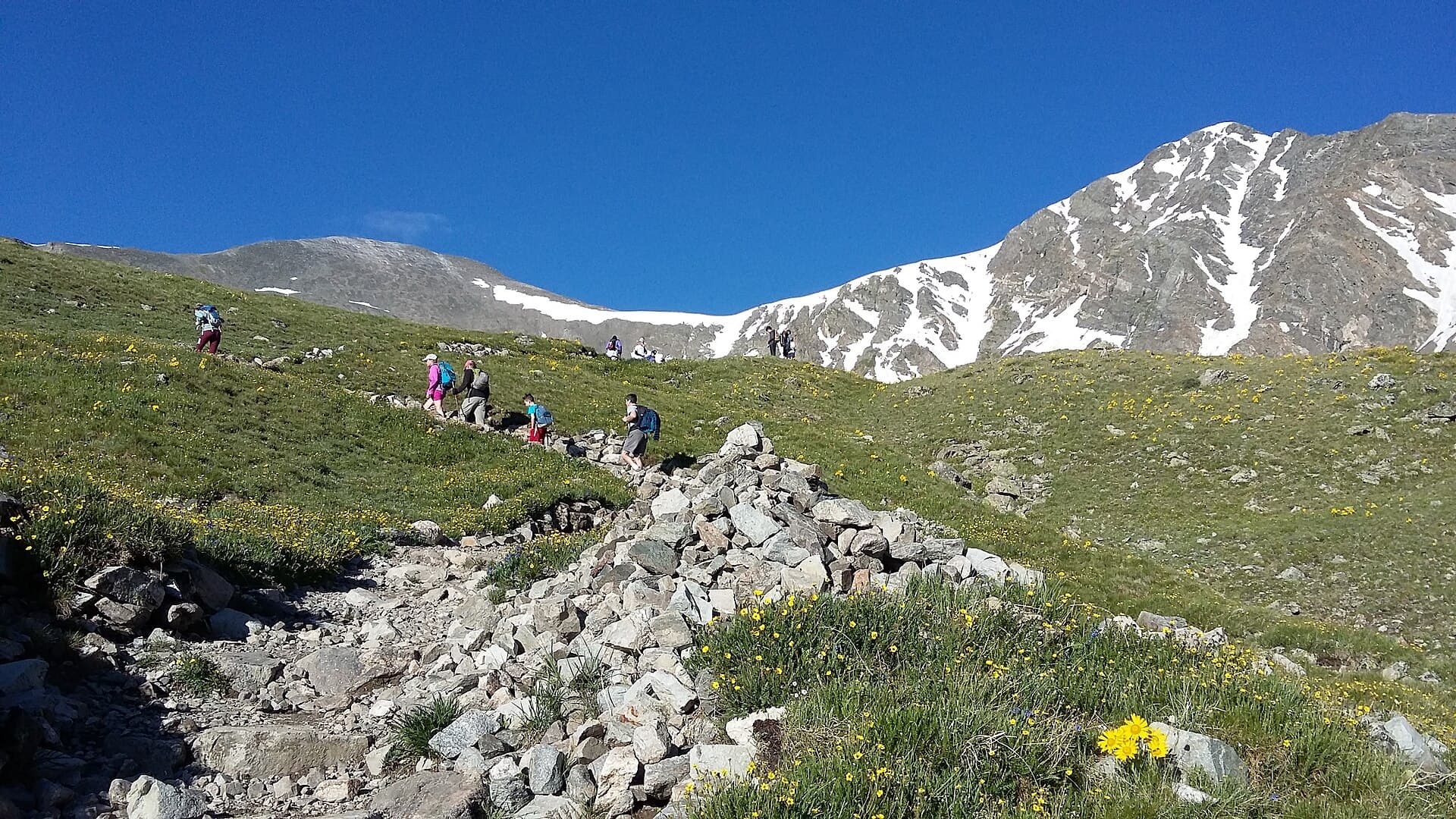
The trail starts climbing right away. The first stretch switchbacks up through aspen groves, which makes this a standout hike in late September when the leaves turn gold across the whole hillside. Higher up, the aspens give way to spruce and fir, and the grade eases in places as you follow Booth Creek up the drainage. Wildflower meadows open up in July.
Booth Creek Falls is the milepost most hikers aim for, a 60-foot cascade tucked into the forest about 2 miles in. It's a natural place to eat a snack, cool off, and decide whether you're continuing. Above the falls, the trail gets rockier and steeper, the trees thin, and you start earning big views back down the Vail Valley and out toward the Gore Range. The last quarter mile to Booth Lake is steep and rough, the kind of finish that makes the lake feel earned.
This is real Colorado high country, not a stroll. You gain a lot of elevation fast, you start at 8,400 feet and top out well above 11,000 if you go to the lake, and the weather can change quickly. If you're visiting from lower elevation, the climb will feel harder than the mileage suggests. Our guide to preventing altitude sickness in Colorado is worth a read before a hike that gains this much this fast.
When to Go, and the Early-Season Wildlife Closure
Summer and early fall are prime. July and August bring wildflowers and reliably open trail; late September is the aspen show, and it's spectacular here. Snow lingers on the upper trail and around Booth Lake well into early summer, so the full hike to the lake usually isn't clear until later in the season than the falls are.
One thing to watch: land managers sometimes recommend avoiding the trail early in the season, into early June, because of wildlife sensitivity during elk calving. It's guidance aimed at protecting animals during a vulnerable window, and it's a good reason to pick a different trail if you're hiking in late May or the first days of June. The Piney Lake trail on the other side of Vail is a gentler early-season option while Booth is still waking up.
Because this trail climbs into the Gore Range, it pairs naturally with the other alpine destinations in the valley. If a high mountain lake is what you're after, Booth Lake earns a spot on any list of the best alpine lakes in Colorado, and the waterfall lands it among the best waterfall hikes in the state.
Bringing a Dog
Dogs are welcome on the Booth Falls Trail, but there's a catch worth planning around. Because this is the Eagles Nest Wilderness, dogs have to be on a physical leash, not just under voice control. That protects wildlife and keeps the peace with the many other hikers on this busy trail.
The bigger wrinkle is getting there. Vail's town buses generally allow only service animals, so you usually can't bring a pet dog on the shuttle that most hikers use to reach the trailhead. That leaves the drop-off option: have someone drive you and the dog to the trailhead and pick you both up later. Bus pet policies can change, so confirm the current rule with the Town of Vail before you count on riding in with a dog.
What to Bring and Where People Go Wrong
The mistakes here cluster around two things: the parking, and underestimating the climb.
- Driving out expecting to park. The number one error. There's no hiker parking at or near the trailhead in summer, full stop. Park in Vail Village and take the bus, or arrange a drop-off.
- Parking in the neighborhood anyway. The side streets, Booth Creek Park, and the school lot are all off limits and enforced with tows. It isn't worth the gamble.
- Bringing a dog without a plan for the bus. Pets can't ride, so a dog means a drop-off. Sort this out before you drive up.
- Starting late. This is an exposed climb with afternoon storm risk. Ride an early bus and get your climbing done in the morning.
- Treating the lake hike as casual. Nine miles round trip and 3,000 feet of gain to 11,480 feet is a serious day. Pack for it.
For gear, the same load works whether you stop at the falls or push to the lake: water and a filter, layers for wind at the lake, sun protection, and food. Sturdy footwear matters on the rocky upper trail, so a broken-in pair of hiking boots beats sneakers here, and a light pair of trekking poles saves your knees on the steep descent. Our day hike packing list for Colorado covers the rest.
Frequently Asked Questions
Can you park at the Booth Falls trailhead?
Not in summer. The Town of Vail closes the trailhead lot to hikers from roughly late spring through fall, and parking is also banned in the surrounding neighborhood, Booth Creek Park, and at Vail Mountain School. Cars that ignore the signs get towed. Ride the free town bus from the Vail Transportation Center instead.
How do you get to Booth Falls without a car at the trailhead?
Park for free at the Vail Transportation Center in Vail Village and take the free East Vail or East Vail Express bus to the Booth Falls stop. Service runs about every 15 minutes for most of the day, starting around 6 a.m. From the stop, walk a quarter mile up Booth Falls Road to the trailhead.
How long is the hike to Booth Falls?
About 2 miles one way to the waterfall, roughly 4 miles round trip, with around 1,350 feet of elevation gain. Most hikers do it in two to three hours. Continuing to Booth Lake makes it about 4.5 miles one way, roughly 9 miles round trip, and a full-day, strenuous outing.
Is the Booth Falls Trail hard?
The hike to the falls is moderate: steep in places but short, and a fair goal for most fit hikers. The hike all the way to Booth Lake is strenuous, gaining about 3,000 feet to 11,480 feet over 4.5 miles. Start early and pace yourself, since you gain elevation quickly from the 8,400-foot trailhead.
Can you bring a dog on the Booth Falls Trail?
Yes, on a physical leash, since the trail is in the Eagles Nest Wilderness. The complication is the bus: Vail's town buses generally allow only service animals, so a pet dog usually means arranging a drop-off at the trailhead rather than riding the shuttle. Confirm the current bus pet policy before you go.
Final Thoughts
Booth Falls is one of the best short-to-medium hikes in the Vail Valley, and the only thing standing between you and a good morning on it is the parking situation. Handle that ahead of time. Park in Vail Village, ride the free bus to the Booth Falls stop, and walk the last quarter mile in. Then it's just you, a steep aspen climb, a 60-foot waterfall, and, if you've got the legs, an alpine lake under the Gore Range.
For more on beating the parking crunch at Colorado's busiest trailheads, see our Colorado trailhead parking overview, and if you're deciding where to base a hiking trip in the high country, our Aspen vs. Vail comparison breaks down what each town offers.
Get the Colorado 14er Packing Checklist (free PDF)
Plus a weekly note on the best Colorado trails, gear deals, and seasonal hike picks. No spam, unsubscribe anytime.
We respect your inbox. Unsubscribe anytime.