11 Best Waterfall Hikes in Colorado You Can't Miss
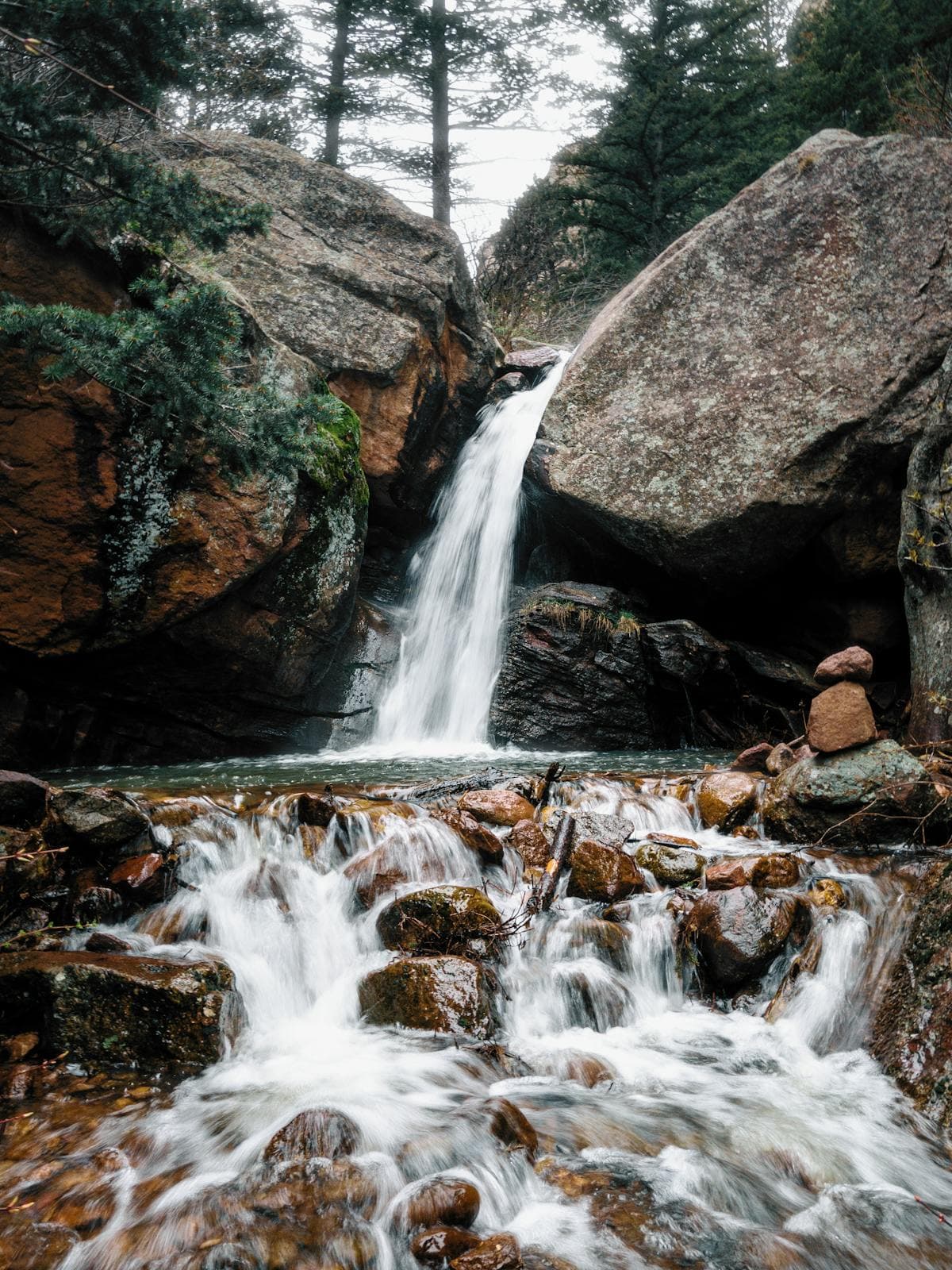
Colorado has hundreds of waterfalls tucked into its mountain canyons, and most of them are at their absolute best from late May through early July when snowmelt sends water crashing down at full volume. I've put together 11 of the best waterfall hikes across the state, ranging from quick 10-minute walks to full-day adventures that'll test your legs.
Here's where to go, how hard each trail is, and when to hit them for peak flow.
What You'll Learn
- Hanging Lake, Glenwood Springs
- Bridal Veil Falls, Telluride
- Alberta Falls, Rocky Mountain National Park
- Treasure Falls, Pagosa Springs
- Seven Falls, Colorado Springs
- North Clear Creek Falls, Creede
- Rifle Falls, Rifle
- Helen Hunt Falls, Colorado Springs
- Fish Creek Falls, Steamboat Springs
- Maxwell Falls, Evergreen
- Zapata Falls, Great Sand Dunes
- When Is the Best Time to See Colorado Waterfalls?
- What to Bring on a Waterfall Hike
- Frequently Asked Questions
Hanging Lake, Glenwood Springs
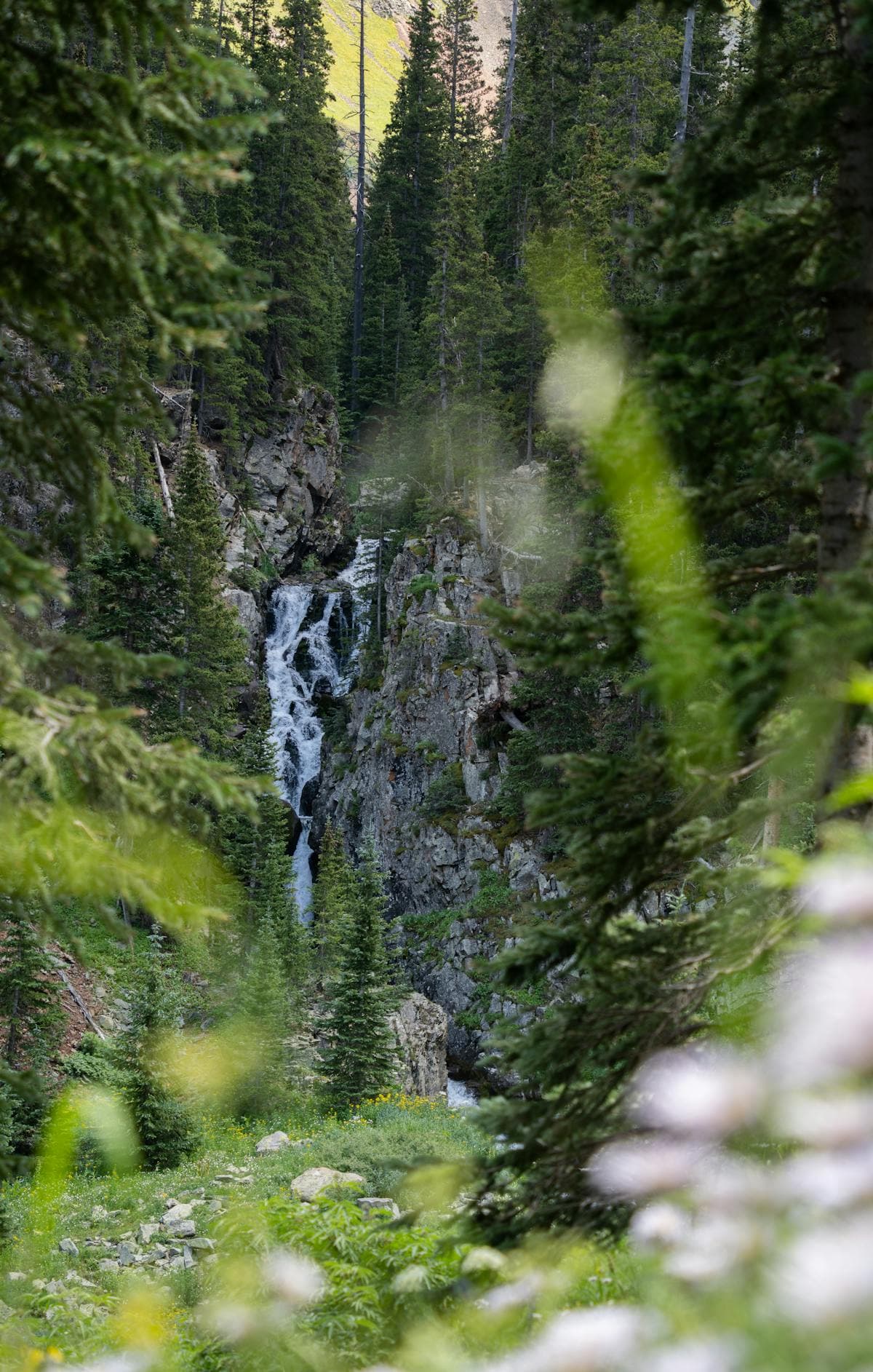
Hanging Lake is probably the most famous waterfall hike in Colorado, and it earned that reputation. The lake sits on a cliff ledge fed by Bridal Veil Falls (not to be confused with the one in Telluride), and the turquoise water looks almost tropical against the travertine rock.
Trail details: 3 miles round trip, 1,020 feet of elevation gain. Rated moderate to difficult because the trail climbs steeply the entire way with rocky, uneven terrain.
What you should know: You need a permit to hike Hanging Lake, and they sell out fast. Permits cost $12 per person and you can grab them at visitglenwood.com starting each spring. There's a shuttle from the Hanging Lake Welcome Center since personal vehicles aren't allowed at the trailhead anymore.
The trail follows Dead Horse Creek through a narrow canyon before climbing sharply to the lake. Don't swim or wade in the lake. It's fragile, and the travertine formations took thousands of years to build up. Stay on the boardwalk and take your photos from there.
Best time to visit: Late May through September. The permit system keeps crowds manageable, but weekdays are still your best bet.
Bridal Veil Falls, Telluride
Bridal Veil Falls is Colorado's tallest free-falling waterfall at 365 feet. You can see it from town, but hiking to the base (or the top) is a whole different experience. The spray from the falls on a hot day feels incredible after the climb.
Trail details: 3.8 miles round trip to the top, with about 1,700 feet of elevation gain. This one's tough. The trail follows a steep 4WD road, and you'll feel the altitude since the trailhead starts around 9,500 feet.
What you should know: The old power plant at the top of the falls is a National Historic Landmark. It still generates hydroelectric power for Telluride, which is pretty cool. You can also drive a high-clearance 4WD vehicle to the top if the road is open, but hiking it is way more rewarding.
Best time to visit: June and July for peak water flow. The road to the top usually opens by late June depending on snowpack.
Alberta Falls, Rocky Mountain National Park
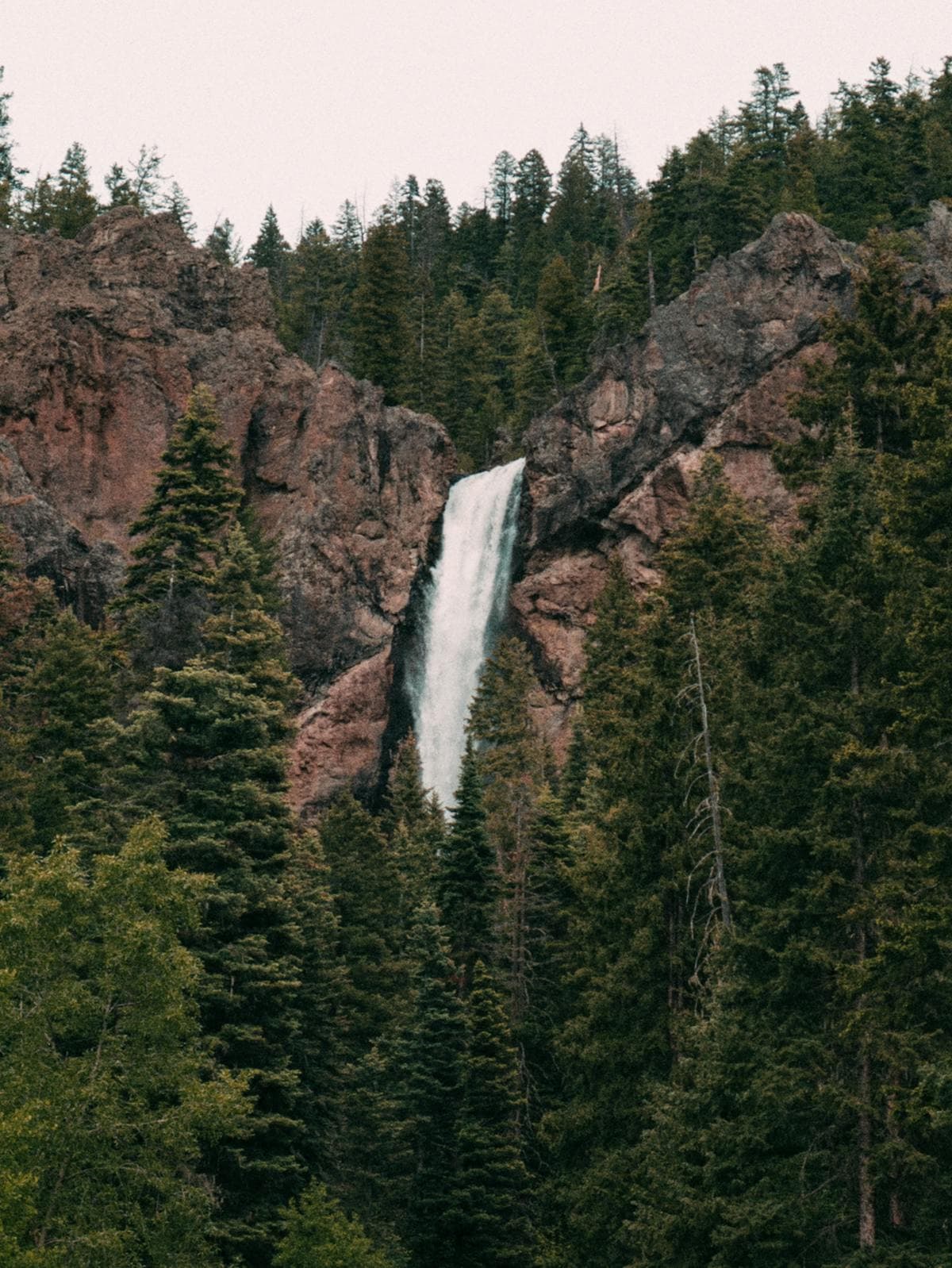
If you want a waterfall hike that doesn't require a full day commitment, Alberta Falls is perfect. It's one of the most popular short hikes in Rocky Mountain National Park for good reason: you get a legit waterfall payoff for minimal effort.
Trail details: 1.6 miles round trip, 200 feet of elevation gain. Easy and family-friendly. The trail is well-maintained with some rocky sections near the falls.
What you should know: You'll need a timed entry reservation for Rocky Mountain National Park during peak season (late May through mid-October). Get your reservation at recreation.gov. The Bear Lake corridor where this trail starts is the busiest area in the park, so arrive early or take the park shuttle.
Alberta Falls drops about 30 feet through a granite gorge. It's not the tallest waterfall you'll find, but the setting is gorgeous with pine forests and mountain views all around. If you want more, keep hiking past Alberta Falls toward The Loch or Sky Pond for bigger adventure.
Best time to visit: June through September. Early morning arrivals avoid the worst crowds.
Treasure Falls, Pagosa Springs
Treasure Falls is one of the easiest waterfall viewpoints in Colorado. You can see the 105-foot cascade from a roadside overlook, or take the short trail to get closer. It's right off Highway 160 on Wolf Creek Pass, making it a perfect stop on a road trip through southern Colorado.
Trail details: 0.5 miles round trip to the upper viewpoint, about 200 feet of elevation gain. The trail is short but steep with some loose rocks.
What you should know: There's a small pulloff parking area along the highway. No fee, no permit, no fuss. The falls are fed by snowmelt from Wolf Creek Pass, one of the snowiest passes in Colorado, so they run strong well into summer most years.
Legend says there's Spanish gold buried near the falls. Nobody's found it yet, but it makes for a good story while you're catching your breath on the trail.
Best time to visit: Late May through July for the strongest flow. Accessible year-round, though ice makes the trail slippery in winter.
Seven Falls, Colorado Springs
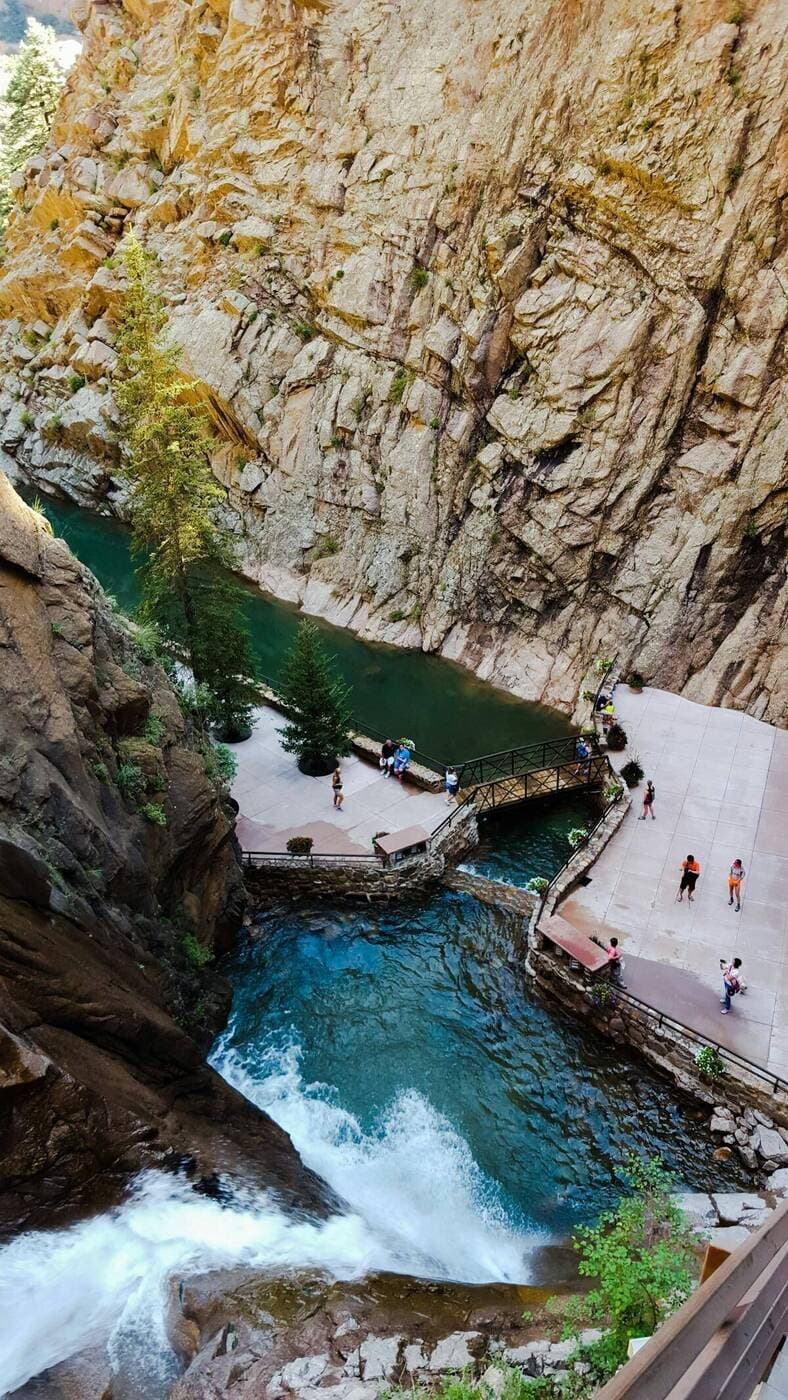
Seven Falls is a series of seven cascading waterfalls dropping 181 feet in South Cheyenne Canyon. It's been a tourist attraction since the 1880s, and the current setup includes a paved walkway, an elevator carved into the rock, and night lighting during summer months.
Trail details: This one's more of a developed attraction than a backcountry hike. You'll walk about 0.5 miles from the parking area to the falls. There's an elevator that takes you to the Eagle's Nest viewing platform, and from there you can hike the Midnight Falls trail (about 1 mile) for more waterfall views.
What you should know: Seven Falls charges an admission fee (currently around $17 for adults). It's owned by the Broadmoor resort and well-maintained. The night lighting runs during summer evenings and turns the falls into a pretty spectacular show. This isn't a wilderness experience, but it's impressive nonetheless.
Best time to visit: Spring and early summer for the best water flow. Summer evenings for the illuminated falls.
North Clear Creek Falls, Creede
North Clear Creek Falls is a 100-foot plunge waterfall on the Silver Thread Scenic Byway between Lake City and Creede. It's one of the most photogenic waterfalls in the state, and you barely have to walk to see it.
Trail details: About 200 yards from the parking area to the overlook. Flat and easy. There's a fenced viewing platform with a head-on view of the falls.
What you should know: The Silver Thread Scenic Byway (Highway 149) is worth driving even without the waterfall stop. The road winds through the San Juan Mountains past incredible scenery. South Clear Creek Falls is nearby too, smaller but you can get much closer to it.
This is a great stop if you're exploring the Creede area or heading to Lake City. Pack a lunch and eat at the overlook.
Best time to visit: June through September. The road closes in winter.
Rifle Falls, Rifle
Rifle Falls State Park is home to a triple waterfall that drops about 70 feet over a moss-covered limestone cliff. It's unlike any other waterfall in Colorado because of the lush green moss and the limestone caves behind the falls that you can actually walk through.
Trail details: 0.4 miles round trip on a paved path from the parking area. Fully accessible and great for families with small kids or anyone who doesn't want a strenuous hike.
What you should know: There's a $10 daily vehicle pass for the state park. The caves behind the falls are small but fun to explore. Bring a headlamp or flashlight. The park also has a campground if you want to stay overnight.
Rifle Falls feels almost tropical, which is wild considering you're in western Colorado. The heavy mist from the falls keeps everything green and mossy even in summer.
Best time to visit: Late spring through fall. The falls run year-round but they're fullest during snowmelt season.
Helen Hunt Falls, Colorado Springs
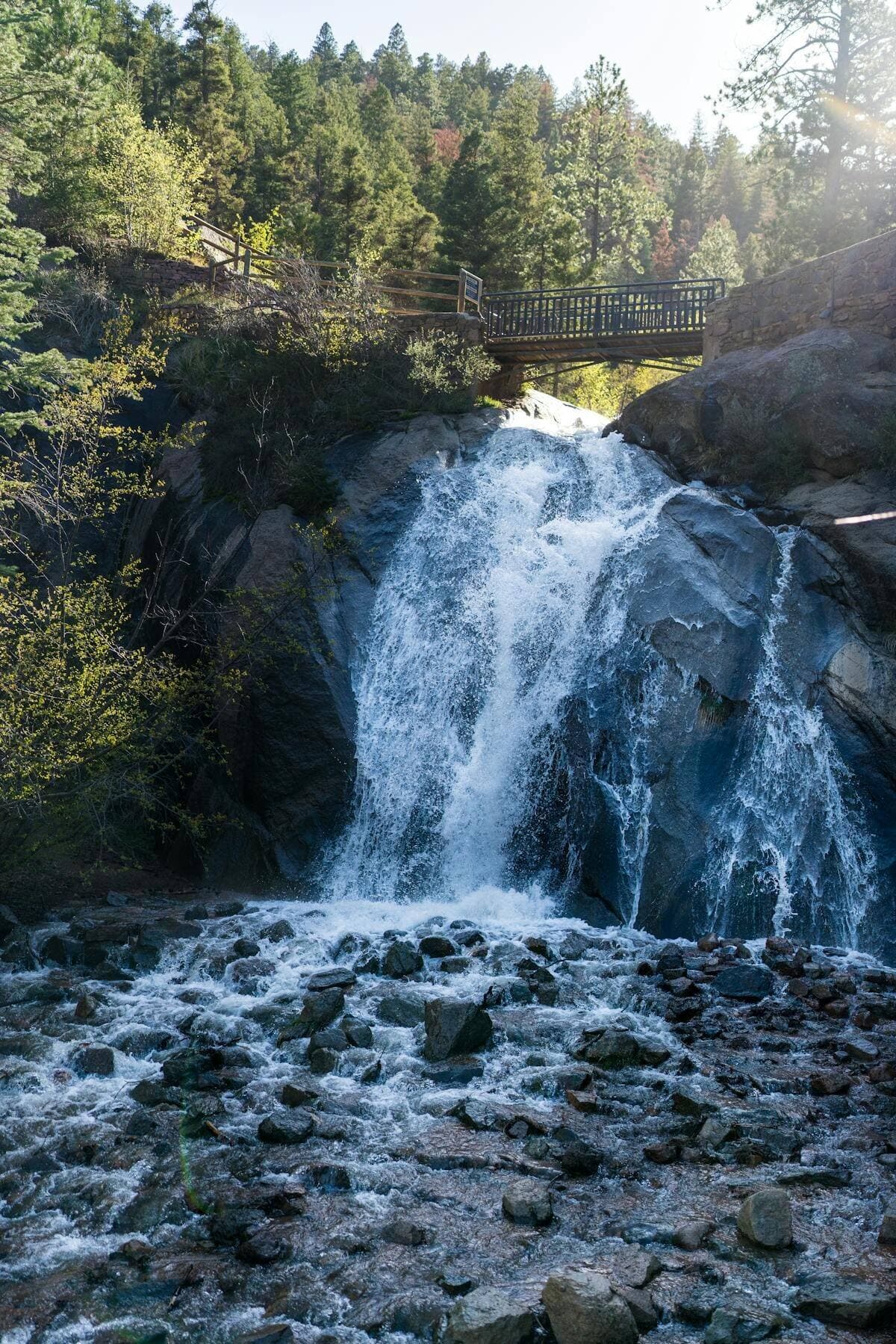
Helen Hunt Falls sits in North Cheyenne Canyon Park and it's one of the easiest waterfalls to reach in the state. You can literally see the 35-foot falls from the parking lot. But don't stop there. The trail system in the canyon offers much more if you want to keep exploring.
Trail details: The falls are steps from the parking area. If you want a longer hike, the Columbine Trail and Mt. Cutler Trail branch off from here, adding 2 to 4 miles of hiking through the canyon.
What you should know: Free parking, no permits needed. There's a visitor center nearby with information about the canyon's geology. The falls are named after Helen Hunt Jackson, a 19th century author who advocated for Native American rights and loved Colorado Springs.
This is a solid pick if you're visiting Colorado Springs and want a quick waterfall fix without committing to a long hike.
Best time to visit: Year-round. Spring has the best flow, but the frozen falls in winter are stunning too.
Fish Creek Falls, Steamboat Springs
Fish Creek Falls is Steamboat Springs' most popular natural attraction, and with good reason. The lower falls drop 283 feet and you can see them from a bridge just a quarter mile from the trailhead. If you want more, a longer trail leads to the upper falls.
Trail details: 0.5 miles round trip to the lower falls viewpoint (easy). 5 miles round trip to the upper falls with about 1,000 feet of elevation gain (moderate).
What you should know: There's a $5 parking fee at the trailhead. The lower falls trail is paved and accessible. The upper falls trail is a proper mountain hike through aspen groves and evergreen forest. Both falls are worth seeing, but the lower falls give you the biggest bang for your effort.
The mist from the lower falls creates a microclimate that supports wildflowers and lush vegetation around the viewing bridge. Bring a rain jacket if you want to get close.
Best time to visit: June and July for peak flow. The lower falls are accessible into October.
Maxwell Falls, Evergreen
Maxwell Falls is one of the closest waterfall hikes to Denver, sitting just outside Evergreen in the foothills. It's a solid after-work hike during long summer evenings, and the trail passes through beautiful pine and aspen forest.
Trail details: 4.2 miles round trip via the lower trail, about 900 feet of elevation gain. Rated moderate. There's also an upper trail option that's slightly shorter but steeper.
What you should know: The falls are seasonal and flow best during late spring and early summer snowmelt. By August, it might be a trickle or completely dry. Time your visit right and you'll see a 40-foot cascade dropping into a rocky grotto. Visit too late and you'll just find damp rocks.
Parking can be tight on weekends. The Maxwell Falls lower trailhead on Brook Forest Road has limited spots, so arrive early or go on a weekday.
Best time to visit: Late May through late June. Don't bother after mid-July in a low snow year.
Zapata Falls, Great Sand Dunes
Zapata Falls hides inside a rocky slot canyon near Great Sand Dunes National Park. You'll wade through ankle-deep cold water to reach it, which makes the whole experience feel like a mini-adventure. The 30-foot falls are tucked inside the narrow canyon walls, and on a hot day the cold spray is amazing.
Trail details: 1 mile round trip, about 300 feet of elevation gain. The trail is short but the access road to the trailhead requires high clearance (a standard SUV usually works fine). You'll need to walk through shallow water in the canyon to reach the falls.
What you should know: Wear shoes you don't mind getting wet, water sandals or hiking sandals work great here. The water is snowmelt cold even in summer. There's no fee for the falls, though Great Sand Dunes National Park nearby charges $25 per vehicle if you visit both.
The views of the San Luis Valley and the Great Sand Dunes from the trailhead parking area are worth the drive alone.
Best time to visit: June through August. The water in the canyon is too cold and potentially icy earlier in the season.
When Is the Best Time to See Colorado Waterfalls?
The sweet spot for Colorado waterfalls is late May through early July. That's when snowmelt from the high peaks sends maximum water volume down the mountainsides. Here's a rough breakdown:
- Late May to early July: Peak flow. Waterfalls are roaring and at their most impressive. Some trails may still have snow at higher elevations.
- Mid-July through August: Flow drops off but most falls are still running. Trails are fully clear and weather is warm.
- September and October: Reduced flow but fall colors add a different kind of beauty, especially near aspen groves.
- Winter: Many falls freeze partially or completely. Frozen waterfalls are gorgeous but trails can be icy and some roads close.
If you can only pick one month, go in June. You'll catch most falls near peak flow and the trails will be clear enough to hike comfortably.
What to Bring on a Waterfall Hike
Waterfall hikes come with a few extras you might not think about for a regular trail:
- Waterproof jacket: Mist and spray near the falls will get you damp, especially at bigger cascades.
- Microfiber towel: Handy for wiping down your camera lens or drying off.
- Water shoes or hiking sandals: necessary for hikes like Zapata Falls where you'll wade through water.
- Camera with a polarizing filter: Cuts glare on wet rocks and water for way better photos. A camera strap keeps your gear secure on slippery rocks.
- Good hiking boots: Most waterfall trails have wet, slippery sections near the falls.
- Layers: Canyons and waterfall areas can be significantly cooler than exposed trails.
A solid daypack keeps everything organized and dry.
Frequently Asked Questions
What is the easiest waterfall hike in Colorado?
North Clear Creek Falls near Creede is the easiest, just 200 yards on flat ground to a viewing platform. Rifle Falls (0.4 miles, paved) and Helen Hunt Falls (visible from the parking lot) are also nearly effortless. Treasure Falls near Pagosa Springs is another quick option at just 0.5 miles round trip.
Do you need permits for waterfall hikes in Colorado?
Most waterfall hikes don't require permits. The big exception is Hanging Lake near Glenwood Springs, which requires a $12 timed permit; permit holders drive themselves to the Hanging Lake rest area. Hikes in Rocky Mountain National Park need a timed entry reservation during peak season. State parks like Rifle Falls charge a vehicle day pass fee.
When do Colorado waterfalls have the most water?
Late May through early July is peak season for Colorado waterfalls. That's when snowmelt from the mountains is at its highest. Waterfalls at lower elevations peak earlier (late May), while high-altitude falls like Bridal Veil in Telluride peak later (late June to mid-July). By August, many smaller falls slow to a trickle.
Are Colorado waterfall hikes safe for kids?
Many of them are. Rifle Falls, Helen Hunt Falls, North Clear Creek Falls, and the lower viewpoint at Fish Creek Falls are all easy enough for young kids. Alberta Falls in Rocky Mountain National Park is family-friendly too. Just watch footing near the falls where rocks get slippery, and keep kids away from cliff edges.
What is the tallest waterfall in Colorado?
Bridal Veil Falls in Telluride is Colorado's tallest free-falling waterfall at 365 feet. If you're counting tiered or cascading waterfalls, Seven Falls in Colorado Springs drops 181 feet across seven distinct cascades. Both are well worth visiting.
Colorado's waterfall season will be here before you know it. Start planning your trips now so you're ready when the snowmelt kicks in. If you're new to hiking in the state, check out our beginner's guide to Colorado hiking to get prepped for the trails. Browse our trail directory for even more hiking options across the state.
Get the Colorado 14er Packing Checklist (free PDF)
Plus a weekly note on the best Colorado trails, gear deals, and seasonal hike picks. No spam, unsubscribe anytime.
We respect your inbox. Unsubscribe anytime.