What to Wear Hiking: A Head-to-Toe Outfit Guide for Every Season

The short answer to what to wear hiking is a layered outfit, not a single perfect jacket: a moisture-wicking base layer against your skin, an insulating mid layer you can add or drop, and a wind and rain shell stuffed in your pack for when the weather turns. Skip the cotton, dress for the trail instead of the parking lot, and you'll stay comfortable through the swings a mountain day throws at you.
That last part matters more than most people expect. A summer hike at altitude can start at 45°F, warm to 80°F by lunch, and drop into a cold, wet hail squall by mid-afternoon. The right hiking outfit isn't about owning expensive clothes. It's about wearing a few pieces that each do one job and adjusting them as the day changes.
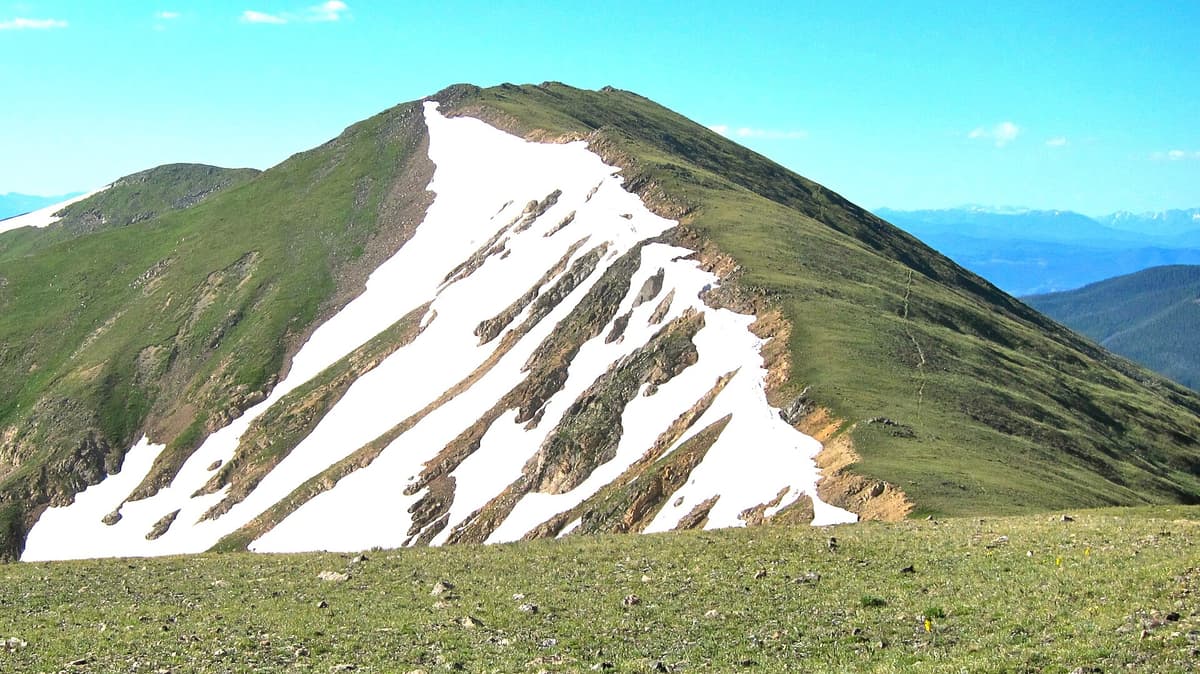
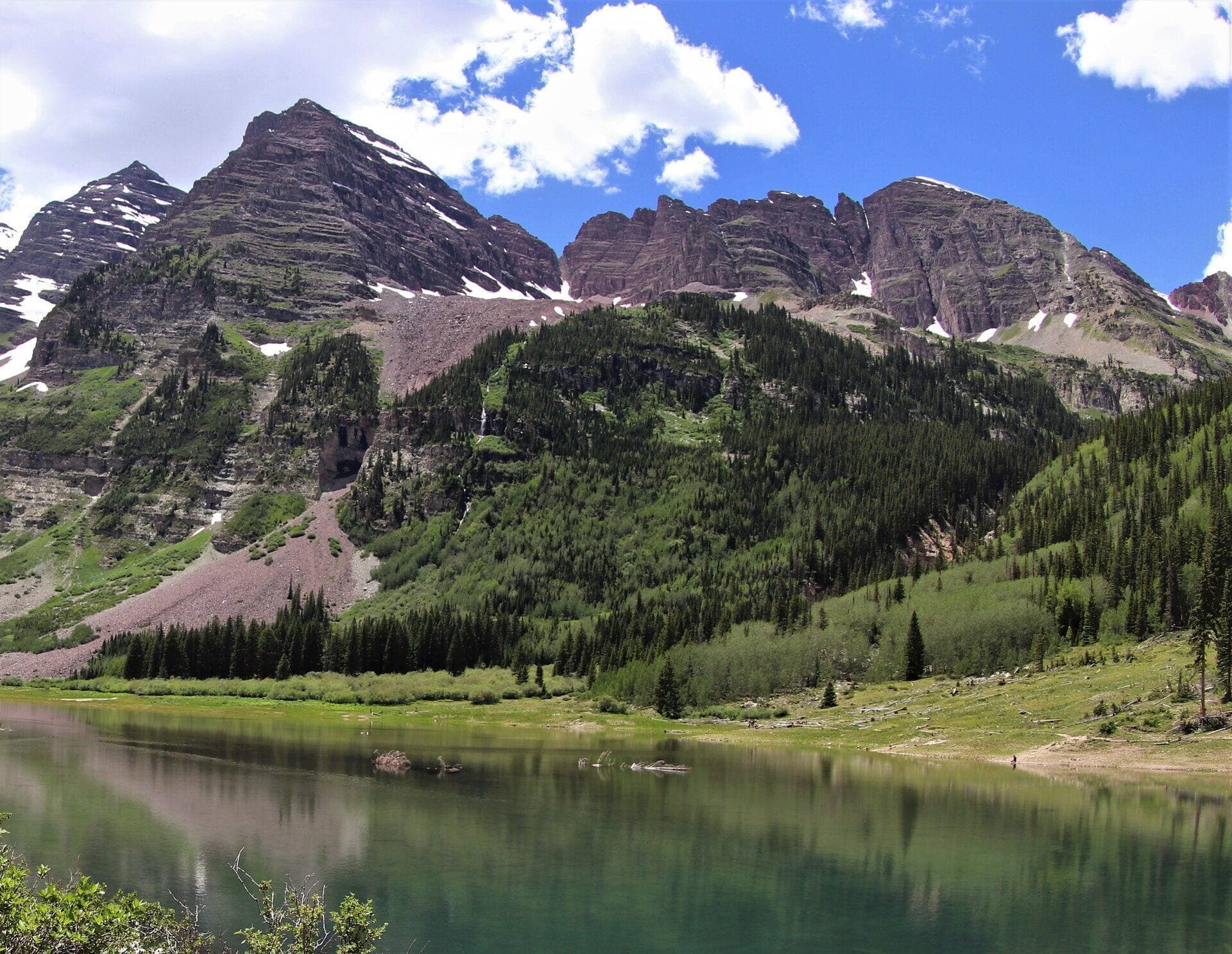
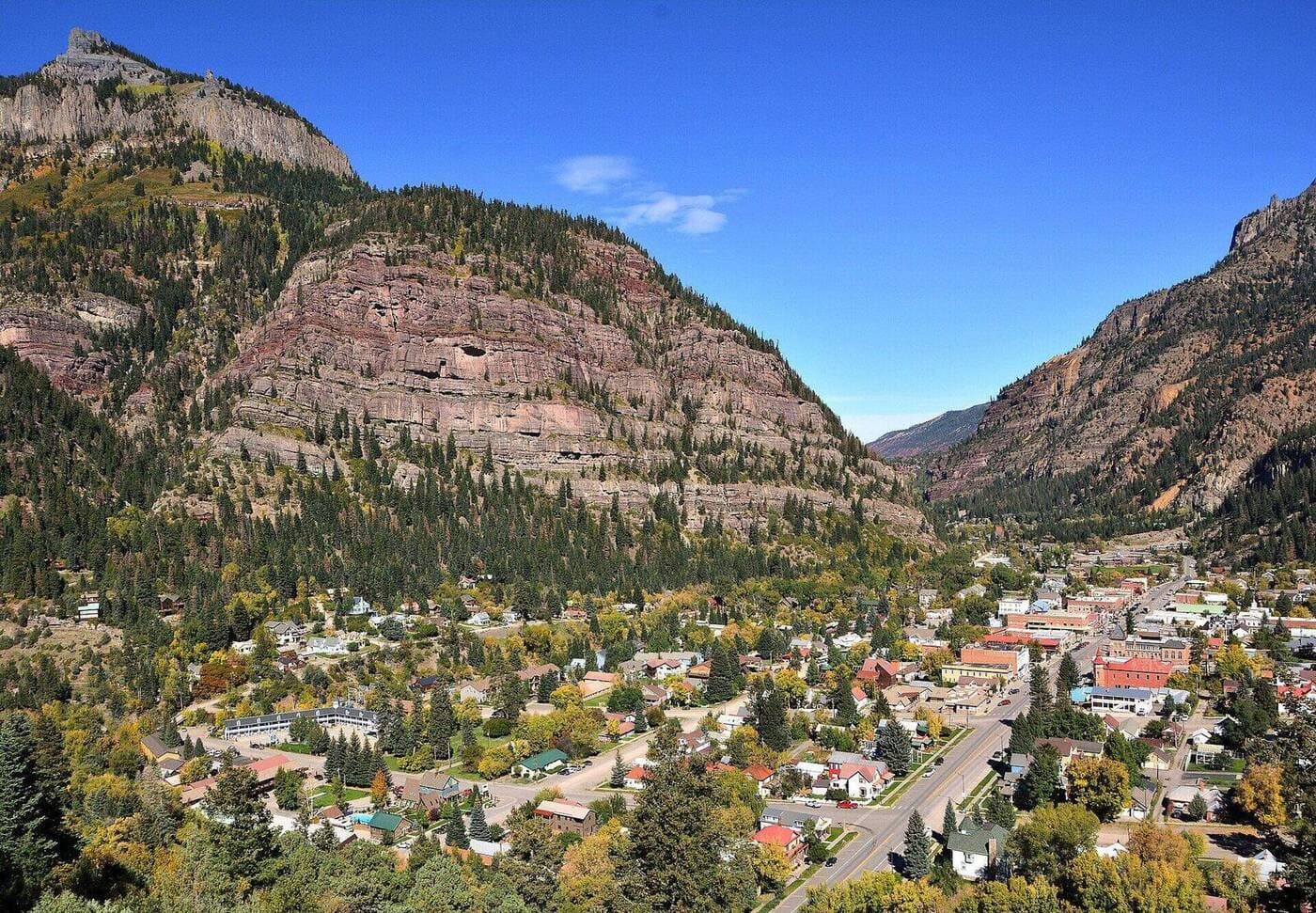
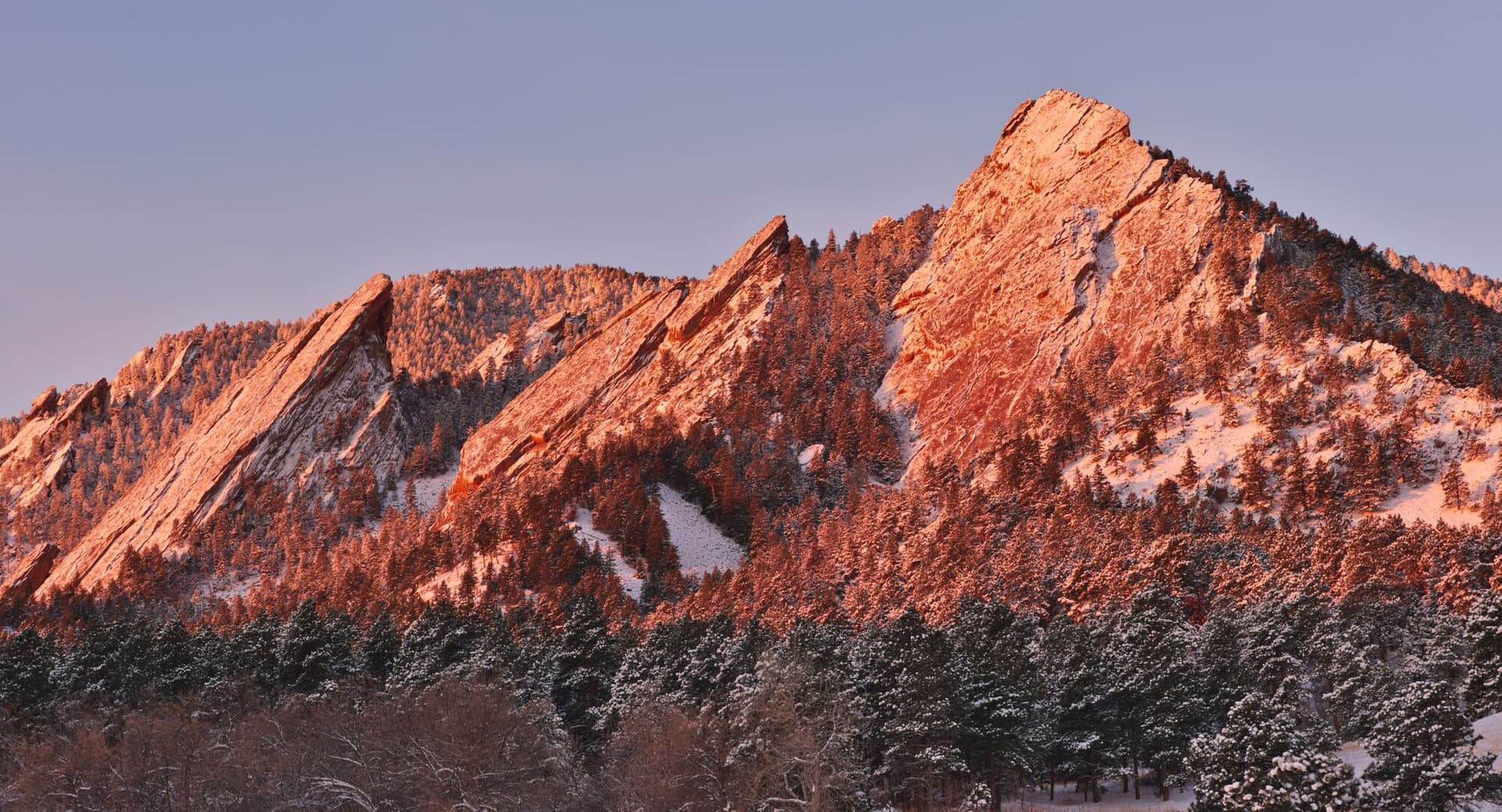
A layered hiking outfit beats any single do-it-all jacket once the weather starts moving.
Quick pick: A synthetic or merino tee, quick-dry hiking pants, a packable rain jacket, and a light fleece cover most day hikes three seasons a year. Start there, then adjust for the forecast.
New to this? Pair this guide with our Colorado hiking beginner's guide, and if you're shopping by category, our merino base layer picks and hiking pants guide go deeper than we can here.
What You'll Learn
- What to Wear Hiking: The Three-Layer System
- Base Layer: What Goes Against Your Skin
- Hiking Pants, Shorts, and Leggings
- Shirts and Sun Protection
- Mid Layers: Fleece and Puffy Jackets
- Rain Shells and Wind Layers
- Footwear and Socks
- Hats, Gloves, and the Small Stuff
- What to Wear Hiking by Season
- What Not to Wear Hiking
- Frequently Asked Questions
What to Wear Hiking: The Three-Layer System
Every good hiking outfit is built on three jobs, and each layer handles one of them.
- Base layer: Sits against your skin and moves sweat outward so you don't get clammy and chilled.
- Mid layer: A fleece or light puffy that traps body heat. This is the piece you add and remove most often.
- Shell: A wind and rain jacket that goes over everything when the weather turns.
On a warm morning you might hike in just the base layer, with the other two riding in your pack. As you climb into thinner, cooler air, or when clouds build, you add the mid layer. When wind picks up or rain starts, the shell goes on top. The system works because you're never carrying more than you might need, and you're never stuck in one fixed amount of warmth.
The one rule that overrides everything: no cotton against your skin. Cotton soaks up sweat, stops insulating the second it's wet, and dries painfully slowly in dry air. A soaked cotton tee at 12,000 feet is how a mild day turns dangerous. Stick to merino wool or synthetic fabrics that keep working when they're damp.
The second rule: carry the layer you think you won't need. The rain shell stays in your daypack even on a clear morning, because the afternoon storm doesn't read the morning forecast.
Base Layer: What Goes Against Your Skin
Your base layer decides whether you spend the day comfortable or miserable, and it costs less than your boots. Two materials win here.
Merino wool regulates temperature in both directions, resists odor so you can wear it for days, and feels soft instead of itchy. The trade-offs are a higher price and slightly slower drying. A midweight merino top in the 150 to 200 gram range is the sweet spot for three-season hiking. Look at merino wool base layers from brands like Smartwool, Icebreaker, and Minus33.
Synthetic base layers made from polyester or polypropylene dry faster and cost less, which makes them strong for sweaty, high-output climbs. They hold odor more than merino, so they suit single days better than multi-day trips. A synthetic base layer top usually runs $20 to $40.
For most three-season hiking, one midweight merino long-sleeve plus one short-sleeve synthetic tee covers the whole range. Add merino bottoms once the shoulder seasons and winter arrive. Our base layer breakdown covers weights and fit in more detail.
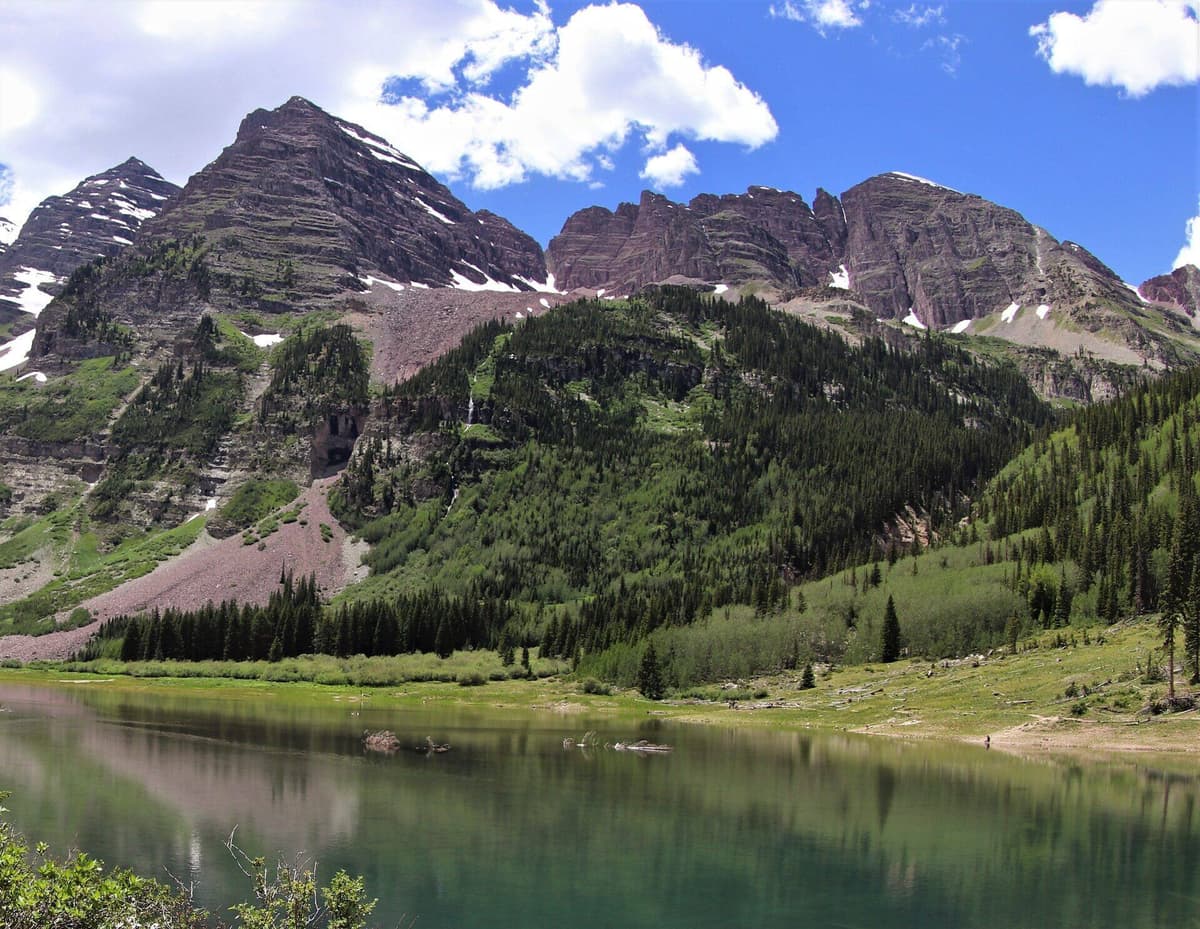
A base layer is the cheapest piece in your hiking outfit and the one that matters most.
Hiking Pants, Shorts, and Leggings
Legwear is where personal preference runs strongest, and the trail gives you room for all three options.
Hiking pants are the most versatile choice. Quick-dry nylon with a little stretch shrugs off scrapes from rock and brush, blocks sun, and keeps ticks and scratchy plants off your skin. Convertible pants that zip into shorts are handy when the day heats up. Browse hiking pants and avoid anything labeled denim.
Shorts are great for hot, lower-elevation trails where you won't push through brush. Pick a quick-dry pair with a liner or pair them with your own, not cotton gym shorts that chafe once they're sweaty. Here are quick-dry hiking shorts.
Leggings and tights work fine for hiking as long as they're made for movement and made from synthetic or wool blends, not cotton. Thicker hiking-specific tights resist abrasion better than thin yoga pairs. A lot of hikers carry shorts for the climb and tights for cold summits. Look at hiking leggings built for the trail.
Shirts and Sun Protection
Above treeline the sun is brutal, and there's a lot less atmosphere filtering it. Your shirt is sun protection as much as it is comfort.
A loose, light-colored synthetic or merino tee breathes well and dries fast. On long, exposed days, a sun hoodie with a UPF rating and thumb holes beats slathering sunscreen on your arms every hour. The hood tucks under a cap and shields your neck and ears, the spots people forget until they're burned.
Whatever you pick on top, keep the no-cotton rule. A cotton shirt feels fine for the first mile, then turns into a cold, wet rag once you sweat through it. Don't forget a brimmed hat, sunglasses, and sunscreen on everything the fabric doesn't cover.
Mid Layers: Fleece and Puffy Jackets
The mid layer traps the heat your body makes, and it's the piece you'll fiddle with all day.
Fleece breathes well, keeps insulating when damp, and is nearly indestructible. A light grid fleece is a workhorse for cool mornings and breezy ridgelines, and it doesn't overheat the way down can when you're working hard. Grab a hiking fleece in a light or midweight.
Puffy jackets pack down small and deliver the most warmth for their weight, which makes them ideal for summit breaks, cold starts, and anytime you stop moving. Down is lighter and packs smaller; synthetic puffies stay warm when wet and cost less. For the difference between them, see our down jacket guide. Compare packable puffy jackets and find one that crushes into its own pocket.
Most three-season hikers carry one light fleece for moving and one packable puffy for stopping. That pair covers a wide range of temperatures without weighing your pack down.
Rain Shells and Wind Layers
The shell is the layer that earns its place in your pack on the day you almost left it home. Afternoon storms build fast at altitude, and getting soaked when the temperature is dropping is genuinely risky.
A packable rain jacket with a hood and pit zips handles both rain and wind. Look for something waterproof and breathable rather than a cheap plastic poncho that traps sweat. It doesn't need to be expensive; it needs to actually keep water out and stuff down small enough that you'll always bring it. Our rain jacket picks sort through the options.
On dry but blustery days, a lighter wind shirt weighs a few ounces and takes the bite off a cold ridgeline without the swampy feel of a full rain shell. It's a nice extra once you've covered the basics.
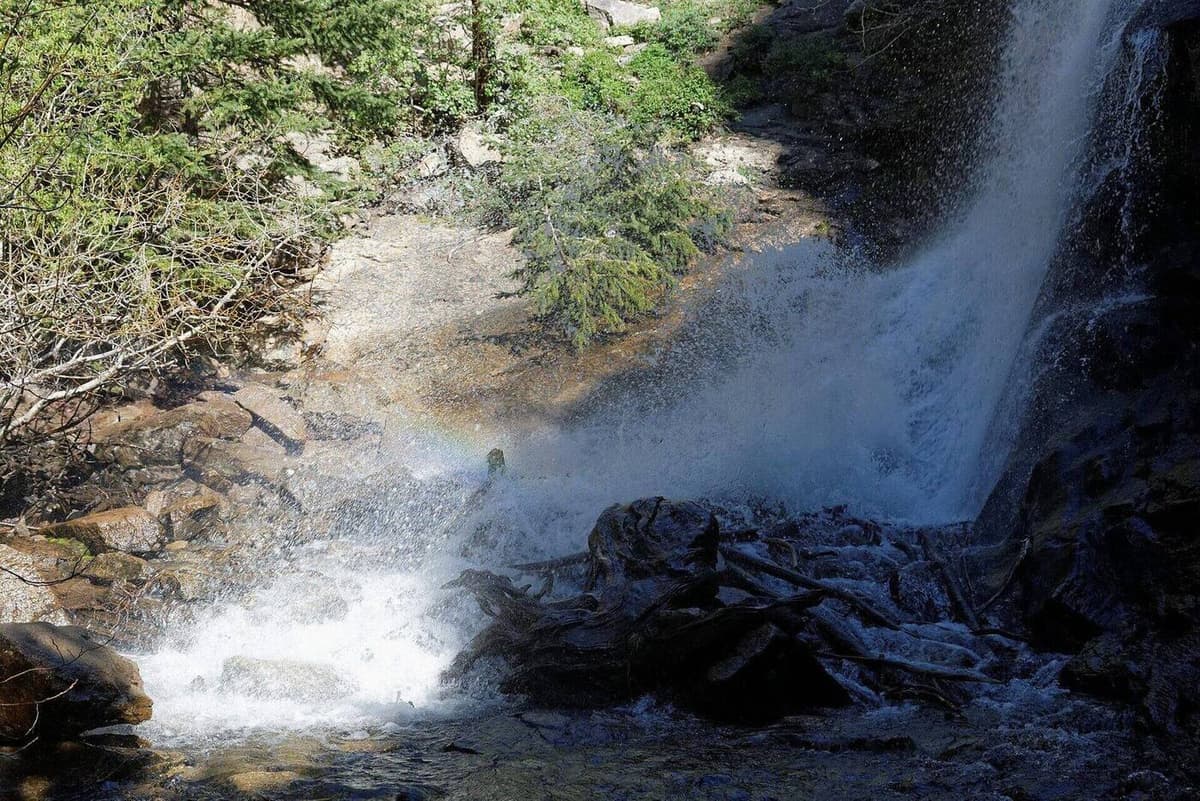
The rain shell that lives in your pack is the one piece you'll be glad you carried.
Footwear and Socks
Your feet carry you the whole way, so this is no place to cut corners or wear something brand-new.
For most trails, a pair of trail runners or light hiking boots handles the job. Trail runners are lighter, breathe better, and need almost no break-in, which is why a lot of long-distance hikers swear by them. Boots add ankle support and protection for rocky, rugged terrain or heavy packs. Either way, break them in on short walks before a big day. Our hiking boot guide helps you choose between the two.
Socks matter as much as the shoe. Wear merino wool or synthetic hiking socks, never cotton, which holds moisture and causes blisters. A cushioned merino hiking sock wicks sweat and pads the miles. Some hikers add a thin liner sock to cut friction further. For hot, easy trails, sturdy hiking sandals are an option too.
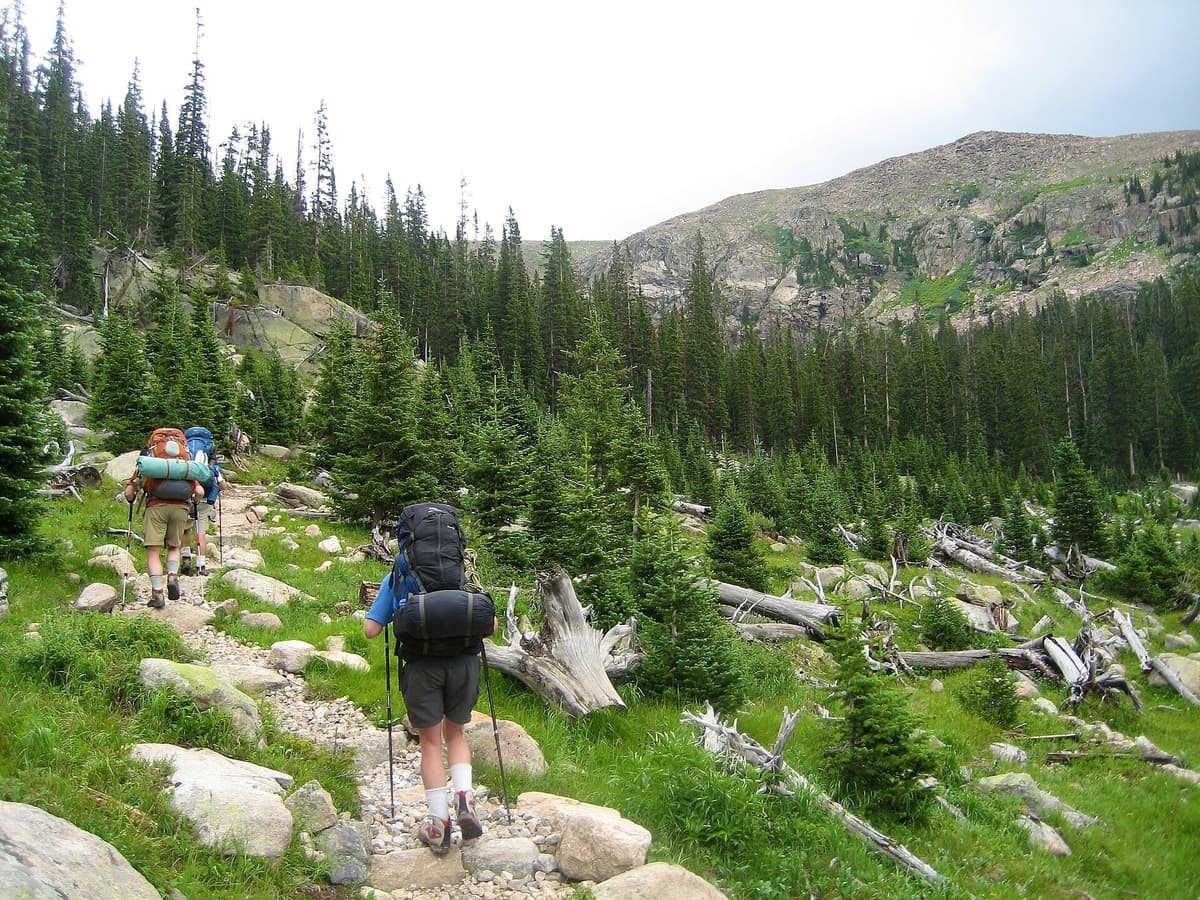
Trail-ready shoes and wool socks prevent the blisters that end good hikes early.
Hats, Gloves, and the Small Stuff
The small pieces punch above their weight, and they're cheap.
- Sun hat or cap: Shades your face and eyes. A wide brim does more than a ball cap on exposed trails.
- Beanie: A light wool or fleece beanie weighs nothing and saves a cold summit. You lose real heat through your head.
- Gloves: Even in summer, a thin pair takes the sting out of windy ridgelines. In colder months they're not optional. See our hiking glove guide.
- Buff or neck gaiter: Doubles as sun cover, dust filter, and an extra warm layer for your neck.
- Sunglasses: Real UV protection matters more at altitude, where the sun is stronger and snow reflects it back at you.
None of this adds much weight, and any one piece can turn a rough stretch comfortable.
What to Wear Hiking by Season
The three-layer system stays the same year-round. You just change how warm each piece is and what you carry.
Spring: The trickiest season, with warm valleys and snowy, muddy upper trails. Carry more than you think you need, including the rain shell and a warm hat. Waterproof footwear earns its keep crossing snowmelt.
Summer: Lightweight base layer, sun protection up top, shorts or breathable pants, and the rain shell always packed for afternoon storms. Start early so you're below treeline before the clouds build. Read up on altitude before you push high.
Fall: Crisp and gorgeous, with big temperature swings between sun and shade. Add the puffy and gloves, and expect to layer up and down often as you move between sunny and shaded slopes.
Winter: A different game. Heavier base layers, an insulated mid, a warm hat and real gloves, plus traction for ice. Our winter hiking guide walks through the full setup, including microspikes and warmer boots.
Winter keeps the same layering logic, just warmer pieces and traction underfoot.
What Not to Wear Hiking
A few common mistakes show up at trailheads every weekend.
- Jeans. Denim is heavy, chafes, soaks up water, and won't dry. Skip them.
- Cotton anything against your skin. Tees, socks, underwear. Once it's wet, it stops working.
- Brand-new boots. A first hike is the worst place to break in stiff footwear. Walk them in first.
- Only one layer. Even on a warm forecast, the shell and a warm layer belong in your pack.
- Fashion over function. Heavy fabrics, slick-soled sneakers, and anything that won't move with you make a long day harder than it needs to be.
If you're a beginner, don't overthink the brands. A synthetic tee, stretchy non-cotton pants, wool socks, broken-in shoes, and a rain jacket will get you up the vast majority of trails comfortably.
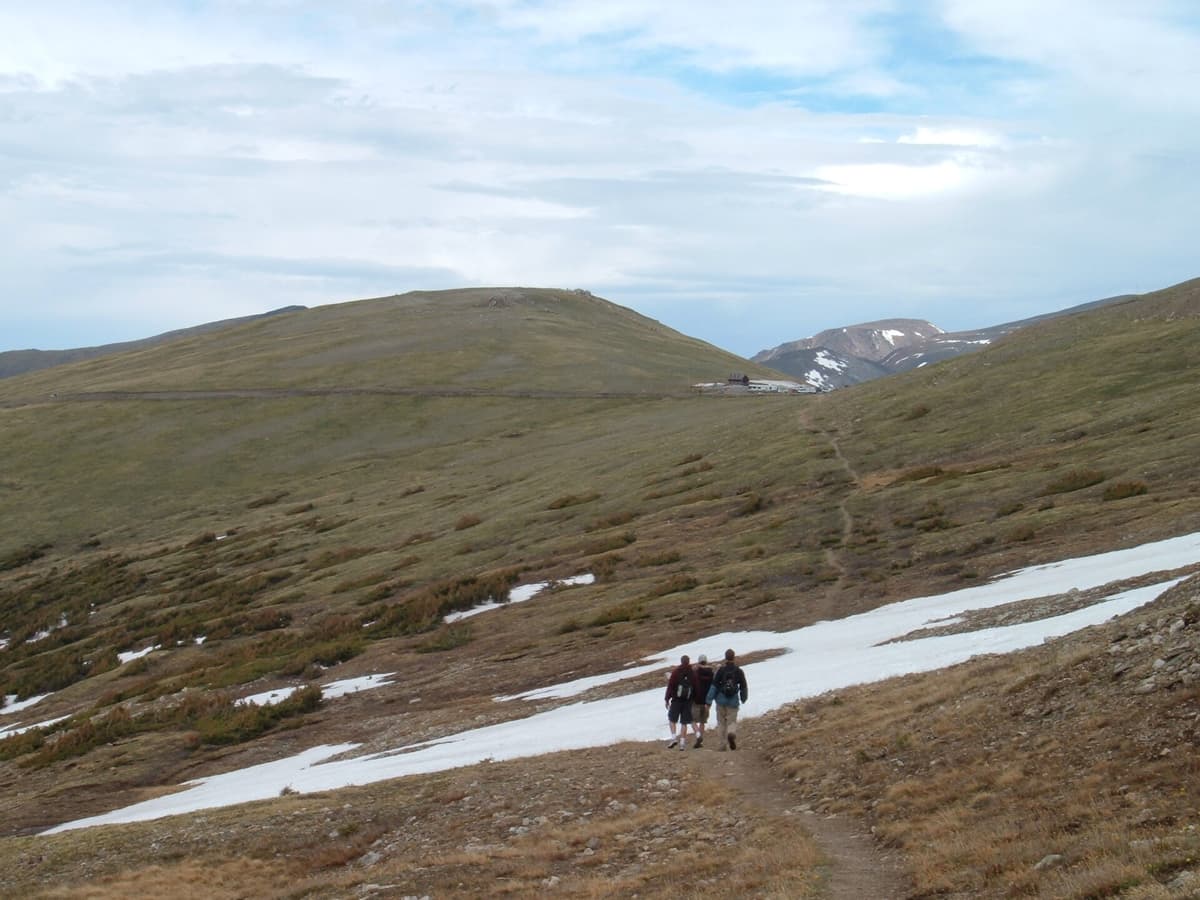
Dress for the whole day, not the trailhead, and the mountain stops surprising you.
Frequently Asked Questions
What should you not wear hiking?
Skip jeans and any cotton clothing against your skin, including cotton socks and tees. Cotton holds sweat, stops insulating when wet, and dries slowly, which leads to chills and blisters. Avoid brand-new, unbroken-in boots on a long hike too.
Can you wear leggings hiking?
Yes, as long as they're synthetic or wool-blend and built for movement, not cotton. Thicker hiking-specific tights resist abrasion better than thin yoga leggings. Many hikers pair them with shorts and carry a rain shell for cold or wet stretches.
What should you wear hiking when it's hot?
Wear a loose, light-colored synthetic or merino tee or a UPF sun hoodie, quick-dry shorts or breathable pants, a brimmed hat, and sunglasses. Start early to beat the heat and afternoon storms, and still pack a light rain shell, since mountain weather changes fast.
Is it OK to wear jeans hiking?
It's not a good idea. Denim is heavy, chafes when wet, holds moisture, and dries slowly, which gets uncomfortable or risky if the weather turns. Quick-dry hiking pants or non-cotton leggings do the same job far better for less weight.
What should a beginner wear hiking?
Keep it simple: a synthetic or merino tee, stretchy non-cotton pants or leggings, wool hiking socks, broken-in trail shoes or boots, and a packable rain jacket. Add a fleece and a warm hat for cool days. That outfit handles most beginner-friendly trails.
The Bottom Line
What to wear hiking comes down to layering smart, ditching cotton, and packing the rain shell you hope you won't use. Get those three things right and your outfit handles almost anything a trail day brings. Ready to put the kit to work? Start with our Colorado hiking beginner's guide and pick a trail that matches your experience.
Get the Colorado 14er Packing Checklist (free PDF)
Plus a weekly note on the best Colorado trails, gear deals, and seasonal hike picks. No spam, unsubscribe anytime.
We respect your inbox. Unsubscribe anytime.