Longs Peak Campground: First-Come Tent Sites, Fees, and the Alpine-Start Edge
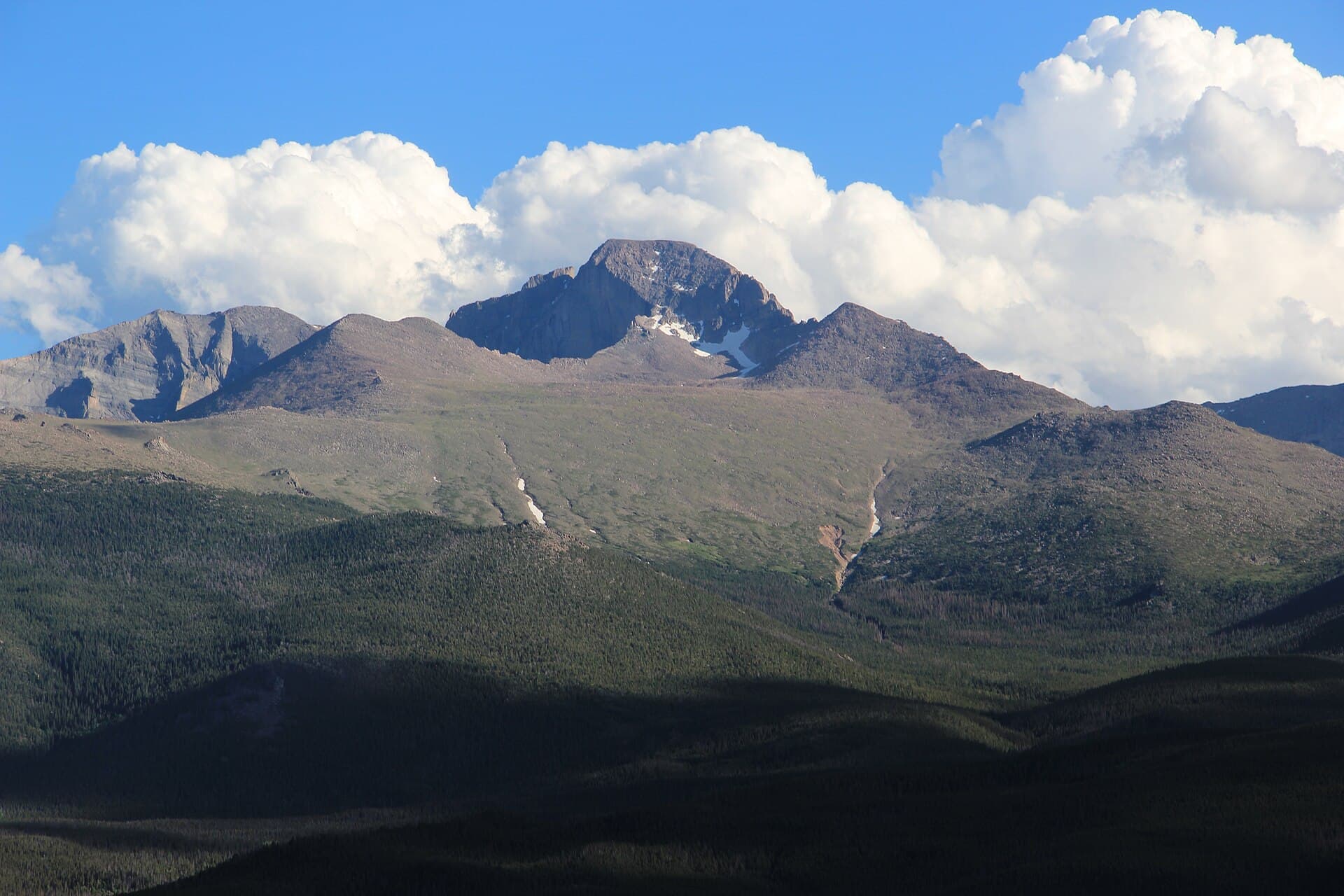
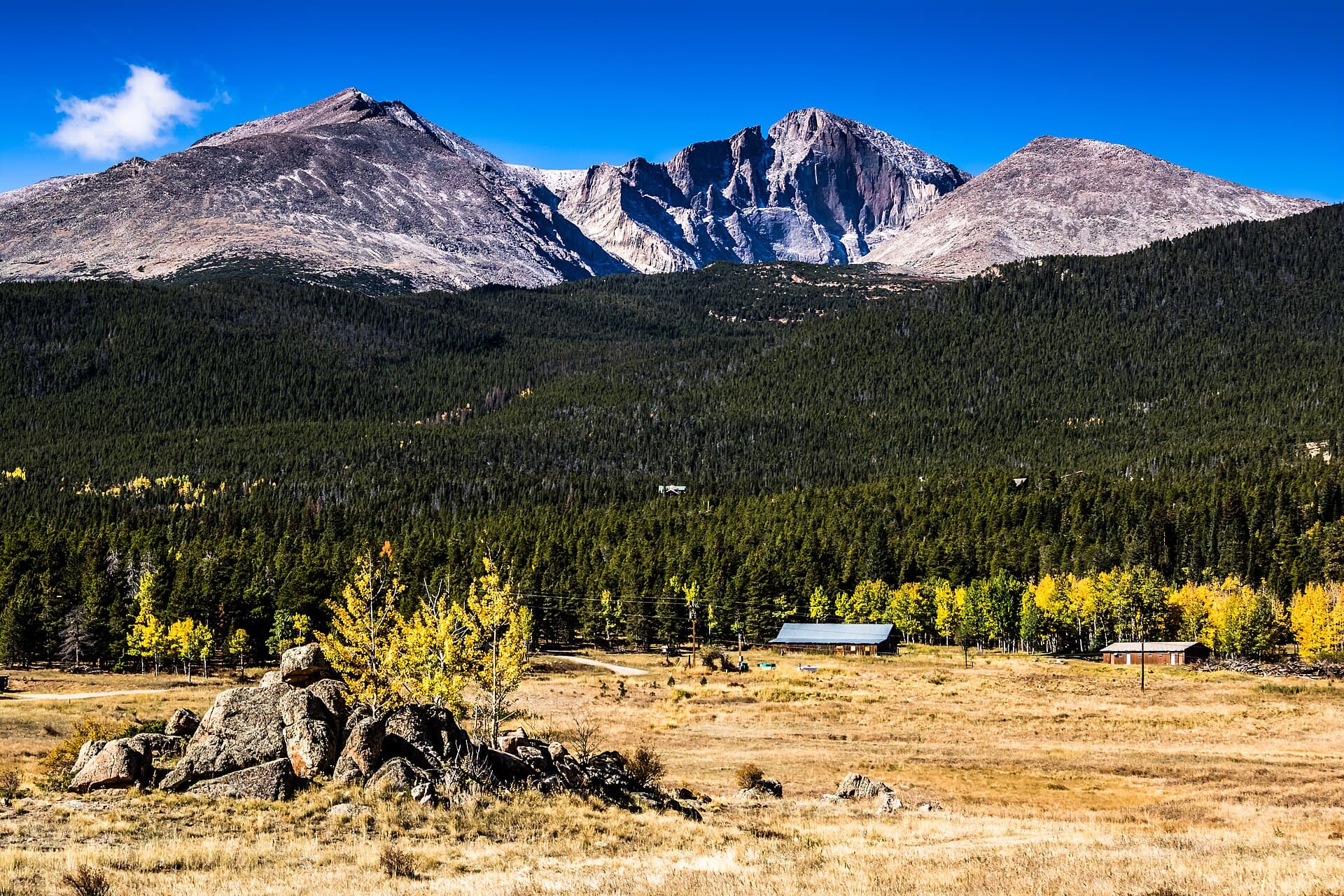
Longs Peak Campground is a small, first-come, first-served tent campground sitting at about 9,400 feet, right at the Longs Peak trailhead in Rocky Mountain National Park. It has 26 tent-only sites, costs $30 a night in 2026, takes no advance reservations, and opens for a short summer window from roughly early July to early September. If you're planning to climb Longs Peak by the Keyhole Route, this campground is the reason a lot of people sleep in a tent instead of driving up from Estes Park at 2 AM.
That's the short version. The longer version matters, because "first come, first served" at a 26-site campground on the flanks of Colorado's most famous fourteener means you can't just show up and expect a spot. This page covers how the sites actually work, what it costs and how you pay, when the campground is open, what's there (and what isn't), the timed-entry question, and what to do when it's full.
What You'll Learn
- Quick Facts on Longs Peak Campground
- Can You Reserve Longs Peak Campground?
- How Much Does It Cost and How Do You Pay?
- When Is Longs Peak Campground Open?
- What the Campground Is Like
- Why Climbers Camp Here: The Alpine Start
- Do You Need a Timed-Entry Permit?
- Sleeping at 9,400 Feet
- If the Campground Is Full: Your Other Options
- Where People Go Wrong
- Frequently Asked Questions
Quick Facts on Longs Peak Campground
- Sites: 26 tent-only sites, no RVs or trailers
- How it works: first-come, first-served, no advance reservations
- Cost: $30 per site, per night (2026)
- Payment: the Recreation.gov app, using Scan & Pay at the site
- Season: about July 2 to September 7, 2026, snow depending
- Elevation: roughly 9,400 feet
- Water: none on site, bring your own
- Toilets: vault toilets, no showers, no hookups
- Location: off Colorado Highway 7, about 9 miles (20 minutes) south of Estes Park, at the Longs Peak Ranger Station
- Timed entry: not needed before 9 AM, which is when most climbers arrive anyway
Can You Reserve Longs Peak Campground?
No. This is the one thing to get straight before you plan around it. Longs Peak Campground does not take reservations on Recreation.gov or anywhere else. Every one of its 26 sites is first-come, first-served, all season. That makes it the odd one out among Rocky Mountain National Park's developed campgrounds, most of which you book months ahead.
So how do you actually land a site? You drive up and grab an open one, then register and pay on the spot. In practice that means arriving early. On summer weekends the campground can fill by midday, sometimes earlier, and the turnover is unpredictable because it's tied to whoever packed up that morning. Your best odds are rolling in on a weekday, or getting there before lunch on a Friday to claim a site for the weekend.
There's a rhythm to it worth knowing. A lot of campers here are climbers doing a single night before a summit attempt, so sites can open up mid-morning once those parties have hiked out and broken camp. If you show up around 9 or 10 AM and cruise the loop, you'll sometimes catch a site being vacated. It's not guaranteed, and on a busy August Saturday you may strike out entirely, which is why you always want a backup plan. More on that below.
How Much Does It Cost and How Do You Pay?
The fee is $30 per site, per night, for the 2026 season. That's a flat rate; there's no weekday or weekend split like you'll find at the Quandary Peak parking lot down in Summit County.
Payment has moved to the Recreation.gov app. Once you've picked an open site, you use the Scan & Pay feature in the app to register and pay for your nights. Download the app and set it up before you leave cell coverage, because service at the trailhead is spotty and you don't want to be standing at your site unable to load the payment screen. If you can't get the app to work, check the campground board for current self-registration instructions, since the park sometimes keeps a paper backup.
One nickel-and-dime note: paying through Recreation.gov can tack on a small processing fee on top of the $30. It's a few dollars, not a dealbreaker, but factor it in if you're counting quarters.
When Is Longs Peak Campground Open?
The 2026 season runs about July 2 to September 7. Those dates shift a little year to year because they depend on snow. This campground sits high, and the access and sites need to melt out and dry before the park opens the gate, so a heavy snow year can push the opening later into July.
That's a narrow window, and it lines up with the busiest climbing months on Longs Peak, which is exactly why competition for sites is stiff in July and August. If you're targeting a shoulder-season climb in June or late September, the campground won't be open, and you'll be looking at other campgrounds or a pre-dawn drive from town. Our Longs Peak weather guide walks through which months actually give you a reasonable shot at the summit, and it's not as wide a range as people hope.
What the Campground Is Like
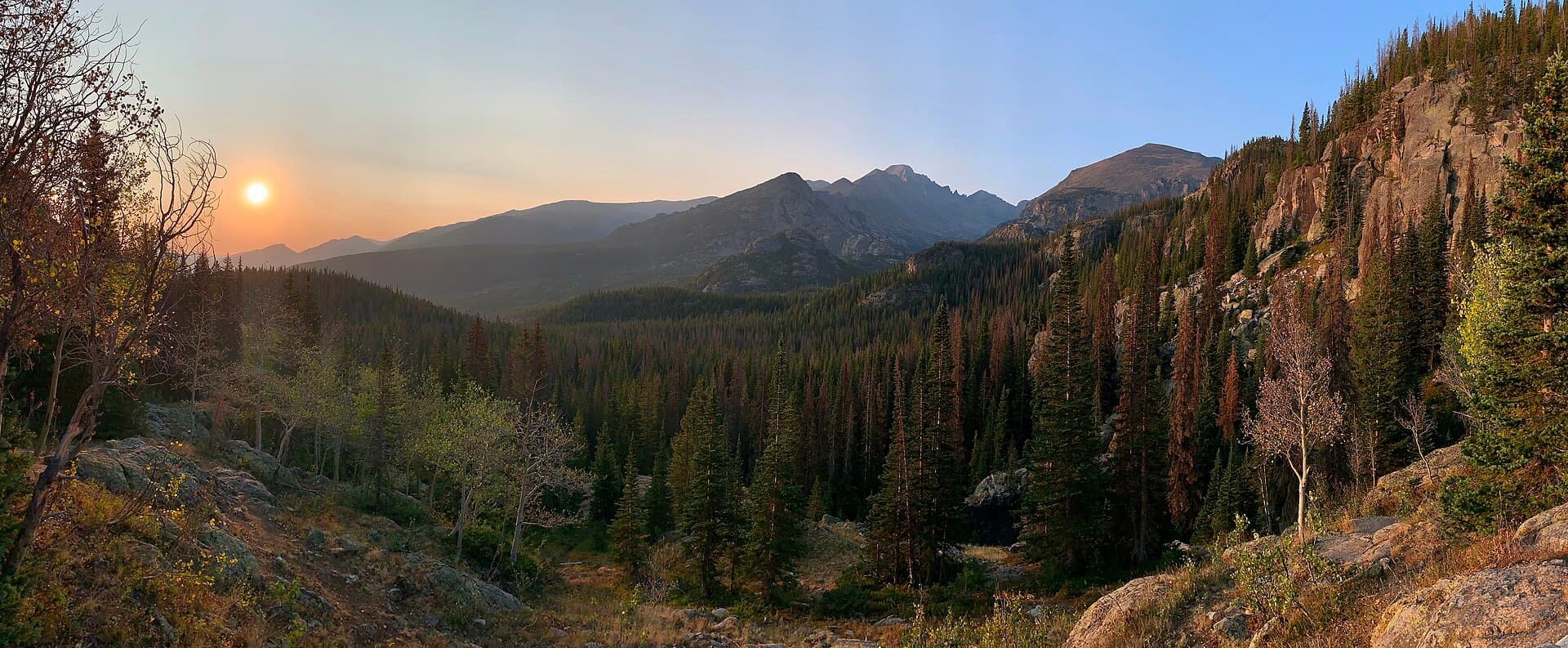
Set your expectations for primitive, not plush. Longs Peak Campground is a forested, tent-only campground with 26 sites tucked into the lodgepole pines below the peak. No RVs, no trailers, no hookups, and no showers. You get a site, a fire ring, a picnic table, and vault toilets nearby. That's the deal.
The big one to plan for: there's no water. None. You bring every drop you'll drink and cook with, or you filter from a natural source and treat it. Don't count on a spigot. Pack in jugs from Estes Park and you'll be fine; forget to, and you're making a 20-minute drive back down the mountain for water.
This is black bear country, so food storage isn't optional. Store all food, trash, coolers, and anything scented in your vehicle, never in your tent. A bear that learns a campground is an easy meal becomes a problem bear, and problem bears get killed, so this rule protects the animals as much as your sandwiches. If you're car camping the night before a climb, it's worth keeping your kitchen simple and your smellables locked in the trunk. A bear-resistant cooler makes that easier, though a hard-sided car trunk does the job for a one-nighter.
Nights are cold up here even in July. At 9,400 feet, a clear summer night can drop into the 30s, and a bad one can flirt with freezing. Bring more sleeping bag than you think you need. A three-season sleeping bag rated to at least 20 degrees is the right call, along with a warm layer for the walk to the toilet at 1 AM.
Why Climbers Camp Here: The Alpine Start
Here's the whole reason this little campground matters out of proportion to its size. Longs Peak is the only fourteener inside Rocky Mountain National Park, its summit sits at 14,259 feet, and the standard Keyhole Route runs about 14.5 miles round trip with roughly 5,100 feet of gain. Most people take 10 to 15 hours car to car. To beat the afternoon thunderstorms that build over the summit almost daily in summer, you have to leave the trailhead between 1 and 3 AM. That's the alpine start, and on Longs it isn't optional.
Now do the math on where you sleep. If you're staying in Estes Park or Denver, that 1 to 3 AM start means waking up at midnight or earlier and driving a dark mountain road half asleep. If you're camped at the trailhead, you roll out of the tent, fill your water, and you're on the trail in fifteen minutes. You also skip the single worst part of a Longs Peak day for most first-timers, which is the parking.
The Longs Peak Ranger Station lot is small and it fills brutally early. On summer weekends it's routinely full by 1 to 3 AM, and latecomers end up parked along the road shoulder, adding distance to an already enormous day and risking a ticket where parking's posted. Camp at the campground and you're already there. That combination, a jump on the parking and a jump on the clock, is why serious climbers book their trip around this campground being open. For the full route breakdown, the scrambling, and the turnaround times, see our Longs Peak Keyhole Route guide.
One more option for climbers who can't get a campground site or want to break the climb into two days: the backcountry campsites up in the Boulder Field at about 12,760 feet. Those put you within an hour of the Keyhole for a very early summit push, but they require a wilderness camping permit from the park, and they book out fast for summer weekends. That's a different system from the drive-up campground, and a much bigger commitment, since you're sleeping near 12,800 feet.
Do You Need a Timed-Entry Permit?
Probably not, given when climbers arrive, but it's worth understanding. In 2026, Rocky Mountain National Park requires a timed-entry permit to enter most of the park, including the Longs Peak area, between 9 AM and 2 PM daily from May 22 through October 12. Outside those hours, no permit is needed.
For climbers, this is a non-issue. You're driving in at 1 to 3 AM for the alpine start, hours before the 9 AM window opens, so you sail in without a permit. Campers arriving the afternoon before a climb are the ones who need to think about it. If you plan to reach the entrance between 9 AM and 2 PM, either grab a timed-entry permit on Recreation.gov ahead of time or time your arrival for before 9 or after 2. The permit carries a small processing fee and books up on Recreation.gov, so don't leave it to the morning of.
Note the wrinkle: campers with a confirmed campground reservation are exempt from timed entry, but Longs Peak Campground is first-come, so there's no reservation to show. That exemption helps you at Moraine Park or Glacier Basin, not here. For the wider picture on park access, hours, and what timed entry covers, our Rocky Mountain National Park guide lays it out.
Sleeping at 9,400 Feet
Camping at the trailhead does double duty: it saves the drive, and it starts your body adjusting to altitude. Spending a night at 9,400 feet before climbing to 14,259 gives you a head start on acclimatization, which is the single best thing you can do to lower your odds of getting sick up high.
It's not a cure, though. A single night helps, but if you flew in from sea level two days ago, one night at 9,400 feet won't fully protect you on a peak where you'll spend hours above 13,000. The people who struggle most on Longs are usually the ones who drove up from a low elevation the day before and went straight for the summit. If your schedule allows, sleep a couple of nights at elevation first, hydrate hard, and know the warning signs. Our guide to altitude sickness in Colorado covers the headache, nausea, and worse symptoms you can't push through.
If the Campground Is Full: Your Other Options
Because you can't reserve it, you need a plan B before you drive up. Here are the realistic ones:
- Reserve a site elsewhere in the park. Rocky Mountain's other developed campgrounds, including Moraine Park, Glacier Basin, and Aspenglen, take reservations on Recreation.gov and book up to six months ahead. They're a longer drive to the Longs Peak trailhead on summit morning, but a guaranteed site beats gambling on a first-come loop. Book early for July and August.
- Grab a backcountry permit for the Boulder Field. As covered above, this puts you high on the mountain for a short summit push, at the cost of a wilderness permit and a night near 12,800 feet.
- Stay in Estes Park. Plenty of lodging 20 minutes north, at the price of a very early wake-up and the trailhead parking scramble. If you go this route, leave town by around midnight on a summer weekend to beat the lot filling.
- Camp for free outside the park. The national forest land around the park allows dispersed camping in places, which costs nothing but comes with no facilities and its own rules. Note that dispersed camping is not allowed inside Rocky Mountain National Park itself. Our dispersed camping in Colorado guide covers how to do it legally and where to look.
Whatever your backup is, sort it out before you leave home. Driving two hours to a full campground with no plan is how a trip falls apart before it starts.
Where People Go Wrong
The same handful of mistakes trip up first-timers here:
- Treating it like a reservable campground. It isn't. There's no site waiting with your name on it. Arrive early or have a backup.
- Forgetting water. No water on site means no water unless you brought it. Fill jugs in Estes Park.
- Showing up with an RV. Tent-only means tent-only. No RVs, no trailers, no exceptions.
- Underpacking for the cold. A 9,400-foot summer night gets down near freezing. Bring a real sleeping bag and a warm layer.
- Cutting acclimatization to zero. One night helps, but a same-day drive from sea level to a 14er summit is asking for altitude sickness.
- Leaving food in the tent. This is bear country. Everything scented goes in the car.
Get those right and the campground does its one job well: it puts you at the trailhead, rested-ish and already at altitude, for the hardest day hike most people will ever attempt. For how the parking and access shake out on other busy Colorado peaks, see our Colorado trailhead parking overview.
Frequently Asked Questions
Can you reserve Longs Peak Campground?
No. All 26 sites are first-come, first-served, with no advance reservations through Recreation.gov or any other system. You claim an open site when you arrive and pay on the spot using the Recreation.gov app. Arrive early, especially on summer weekends, and always have a backup plan in case it's full.
How much does Longs Peak Campground cost?
It's $30 per site, per night, for the 2026 season, paid through the Recreation.gov app with the Scan & Pay feature. A small Recreation.gov processing fee may apply on top. There's no separate weekday or weekend rate.
When does Longs Peak Campground open?
The 2026 season runs roughly July 2 to September 7. The exact dates shift year to year because the high-elevation sites need to melt out first, so a heavy snow year can delay the opening into July. It's closed the rest of the year.
Is there water at Longs Peak Campground?
No. There's no potable water on site, so you have to bring your own or filter and treat water from a natural source. The campground has vault toilets but no showers and no hookups. Fill water jugs in Estes Park before you drive up.
Do you need a timed-entry permit to camp at Longs Peak?
Only if you arrive between 9 AM and 2 PM from May 22 through October 12, 2026, when park-wide timed entry is in effect for the Longs Peak area. Climbers starting at 1 to 3 AM arrive well before that window, so they don't need one. If you'll reach the entrance during those hours, reserve a timed-entry permit on Recreation.gov first.
Final Thoughts
Longs Peak Campground earns its reputation not for the amenities, which are thin, but for the location, which is unbeatable if you're climbing the peak. Twenty-six first-come tent sites, $30 a night, a short summer season, and no water to speak of, all traded for the shortest possible walk to the hardest fourteener in the state. Arrive early, bring your own water, pack for a cold night, and lock in a backup site in case the loop is full.
Once you've got the logistics handled, the mountain is the real challenge. Start with our Longs Peak Keyhole Route guide for the climb itself, and browse the rest of our Rocky Mountain National Park hikes for shorter days to fill out the trip.
Get the Colorado 14er Packing Checklist (free PDF)
Plus a weekly note on the best Colorado trails, gear deals, and seasonal hike picks. No spam, unsubscribe anytime.
We respect your inbox. Unsubscribe anytime.