Longs Peak Deaths: How Many Have Died, Where, and Why
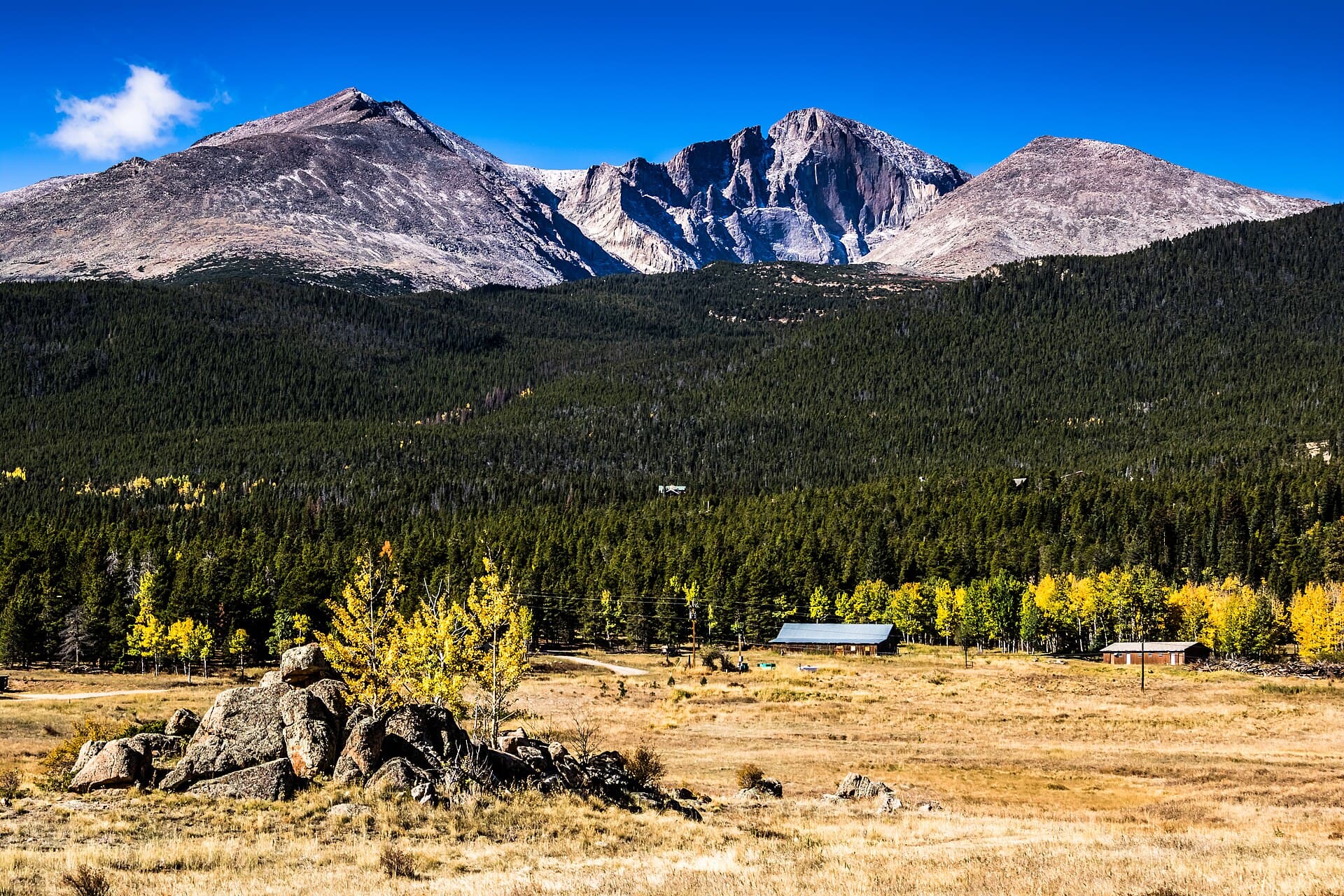
Longs Peak has killed more people than any other mountain in Colorado. Exact counts vary by source and by where you start the clock, but credible estimates put the number of Longs Peak deaths somewhere between about 60 and more than 70, with the first recorded fatality in 1884. Roughly 70 percent of those deaths were falls. That record is why Rocky Mountain National Park stopped calling the standard route "non-technical" and why rangers tell people a slip in the wrong spot can kill you.
None of that means you can't climb it. Thousands of hikers summit Longs every summer and walk back down fine. But the mountain is honest about what it is, and the people who get hurt almost always made one of a short list of mistakes. This page covers how many have died, where on the route it happens, why the descent is the dangerous half, and what the accident record tells you about coming home.
What you'll learn
- How many people have died on Longs Peak
- Why the mountain is so dangerous
- Where people die on the Keyhole Route
- Why the descent kills more people than the climb
- Weather, lightning, and ice
- Who gets in trouble up here
- How to not become a statistic
- FAQs
How many people have died on Longs Peak? {#how-many}
There is no single official running total, which is part of why you'll see different numbers everywhere. Rocky Mountain National Park does not publish a tidy fatality counter for the peak, and sources disagree on where the count begins and what to include.
Here's the range, with sources:
- A 2016 tally compiled by mountaineering writer Alan Arnette put the figure at about 62, with falls making up roughly 60 percent of the deaths.
- A 2025 Denver Gazette feature reported about 67 fatalities associated with Longs Peak, around 70 percent of them from falls, and noted that even that figure left out some recent years.
- Several outlets from 2023 onward describe the mountain as having claimed "more than 70" lives since Rocky Mountain National Park was established.
Put those together and the honest answer is this: somewhere in the 60s to low 70s, climbing steadily, with the great majority caused by falls. The first death on record is usually dated to 1884, when Carrie Welton died of exhaustion and exposure coming down from the summit. One of the route's stone shelters near the Keyhole is named for Agnes Vaille, who died in January 1925 after a winter climb of the east face; the man who went to help her, Herbert Sortland, died too. You walk past that history on the way up.
For scale, Longs sees something on the order of 15,000 summit attempts a year, and only about half of those parties top out. So the death rate per attempt is low. The problem is that the absolute number of people exposed to the hazard is high, and the hazard is real.
Why the mountain is so dangerous {#why-dangerous}
Longs Peak is the only fourteener inside Rocky Mountain National Park, and its standard line, the Keyhole Route, is a Class 3 scramble, not a hike. The summit sits at 14,259 feet. The round trip runs about 15 miles with roughly 5,100 feet of gain, and most people are on the mountain 10 to 15 hours. Our complete Keyhole Route guide walks the whole thing section by section if you want the climbing detail.
The park used to label routes "technical" or "non-technical." It dropped that language on purpose. As the NPS puts it, the ratings are subjective, and "non-technical" should never be read as "safe." The last 1.5 miles, from the Keyhole to the summit, are described by the park as "by far the most difficult, exposed and hazardous portion of the route." Up there you're crossing steep rock faces and narrow ledges, scrambling on all fours, and exposed to rockfall and to weather that can turn in minutes. Snow and ice can show up any month of the year.
The short version: this is a long day at serious altitude on exposed Class 3 terrain where a single bad step has nowhere to go but down. That combination is rare among Colorado's easier-sounding fourteeners, and it catches people who picked Longs as a "next 14er" without reading what changes after the Keyhole.
Where people die on the Keyhole Route {#where}
The deaths cluster in a few specific places, and they're the same places that feel hardest while you're standing in them. The breakdown below comes from Arnette's climber-compiled tally rather than official park data, so treat the exact counts as approximate, but the pattern matches what rangers and climbers describe.
- The Ledges. Right after the Keyhole, the route traverses a series of narrow ledges above a long drop, following red-and-yellow bull's-eyes painted on the rock. Arnette's tally attributes about six fatal falls here. Lose the bull's-eyes and you're off-route and into worse terrain fast.
- The Trough. A long, loose gully that climbs roughly 600 feet. The danger here is rockfall, usually knocked loose by other climbers above you, plus snow and black ice that linger in the shade well into summer. A helmet earns its weight in this section.
- The Narrows. A thin shelf of rock over a sheer face, and one of the most exposed moves on the route. Arnette counts about five fatal falls here. In 2016 a 61-year-old hiker slipped on ice in the Narrows and fell 100 to 150 feet; other climbers that day described the route as frosted and iced with snow in the Trough.
- The Homestretch. The final slabs to the summit, smooth granite you pull yourself up by hand and foot. It's deceptively grippy when dry and treacherous when wet or iced, which it often is early and late in the day.
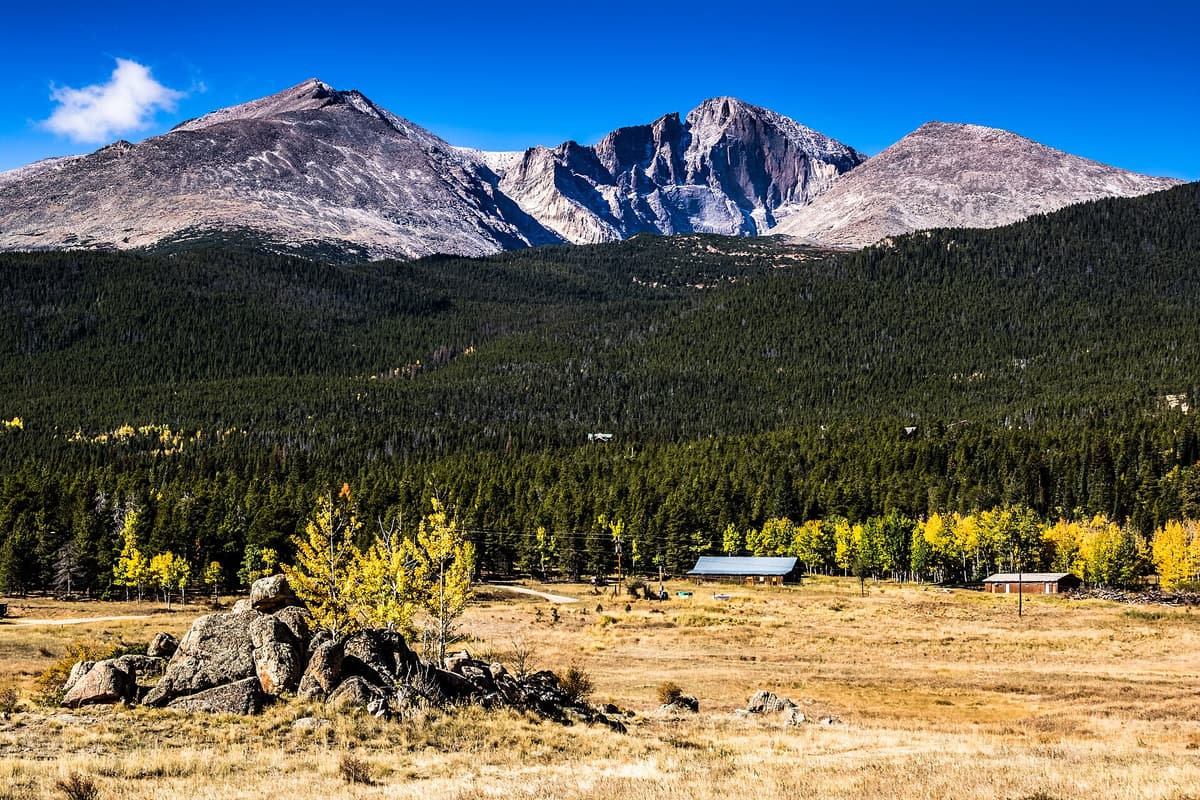
- The Diamond. The sheer east face, the dramatic wall you see from the meadow below. This is a roped technical climbing venue, not part of the Keyhole Route, and it has its own fatal falls, around eight in Arnette's count. Most Keyhole hikers never go near it, but it's part of why the mountain's overall toll runs high.
Why the descent kills more people than the climb {#descent}
If there's one fact worth carrying up the mountain, it's this: the NPS says most accidents on the Keyhole Route happen on the way down. The park blames two things, and they feed each other.
The first is fatigue. By the time you turn around, you've been moving for hours, you're dehydrated, and your legs are cooked. Tired people place their feet worse and catch themselves slower. The second is what the park calls the false assumption that "I've done the hardest part." You summit, the pressure comes off, your attention drops, and the Homestretch and Narrows are still below you. The park's word for the mindset that gets people killed is blunt: "Summit fever is dangerous."
Descending also tempts people to shortcut. The route down the Ledges and Trough is slow and feels indirect, so hikers eye a faster-looking line and leave the bull's-eyes. The park's advice is to stop the moment the markers disappear and retrace your steps to the last one you saw. GPS won't save you here; the park specifically warns against trusting technology to show the route through this terrain. A good headlamp matters for the same reason, because a slow descent can run into dark. Our headlamp roundup covers what to look for.
Weather, lightning, and ice {#weather}
Most of the Keyhole Route is above treeline, and Colorado's high country builds thunderstorms fast on summer afternoons. Lightning on exposed rock at 14,000 feet is a killer, which is the whole reason for the 2 AM start: you want to be off the summit and back below treeline before the storms stack up, usually by early afternoon. The park warns that an afternoon attempt "greatly increases your risk" from weather, darkness, and poor visibility. We go deep on the timing in our Longs Peak weather guide.
Ice is the quieter hazard. Snow and ice can sit on the route in any month, and several of the fatal falls, including the 2016 Narrows slip, came down to a patch of ice on terrain that would have been routine when dry. Early in the season and after any storm, a set of microspikes can be the difference between a careful step and a slide with no runout. Our microspikes guide for Colorado explains when to carry them. The tragedy is that ice makes the easy-feeling spots the dangerous ones, and people relax exactly where they shouldn't.
Who gets in trouble up here {#who}
Read enough accident reports and the patterns repeat. The people who get hurt on Longs tend to be:
- Moving solo or separated from a partner. The park says solo travel is never recommended, and a lot of the serious incidents involve someone who was alone or got split from their group when it mattered.
- Off the marked route. Shortcuts and lost bull's-eyes put climbers onto steeper, looser, higher-consequence rock than the standard line.
- Starting late or moving slow. A late start pushes the summit into storm hours and the descent into the dark, fatigued and rushed.
- Caught by ice they didn't expect. Shoulder-season and early-morning ice on the Ledges, Trough, and Narrows turns a scramble into a fall hazard.
Notice what's not on that list: raw technical climbing difficulty. Most Keyhole fatalities aren't elite climbers pushing a hard line. They're capable hikers undone by weather, timing, ice, or a single lapse in attention on exposed ground. That's genuinely good news, because every item above is a decision you control before and during the climb.
How to not become a statistic {#stay-safe}
The accident record points to a few habits that keep people alive, and none of them require you to be a better climber:
- Start in the dark, really. Leave the trailhead around 2 to 3 AM so you summit mid-morning and are back below the Keyhole before afternoon storms. Camping at the Longs Peak campground the night before makes that start realistic.
- Set a turnaround time and keep it. Pick a hard time to be on the summit, and if you're not there, turn around. The mountain will still be here next year.
- Stay on the bull's-eyes. The second you can't see the next marker, stop and backtrack to the last one. Don't improvise a line.
- Respect ice and bring traction. If the route's iced or frosted, the Narrows and Homestretch are a different animal. Many parties turn back at the Keyhole for exactly this reason, and that's a win, not a failure.
- Acclimatize and watch your body. Altitude dulls judgment, which is how tired people make the shortcut that kills them. Know the warning signs from our altitude sickness guide, and treat them as a reason to go down.
- Build up to it. If Longs is your reach 14er, climb easier ones first. Our 14ers by difficulty breakdown shows where Longs sits, and the Colorado 14ers guide covers the basics before you ever set an alarm for 2 AM.
In the Trough, a climbing helmet is cheap insurance against rock knocked loose from above, and an emergency bivy weighs almost nothing if a storm or an injury pins you down. Gear doesn't make the mountain safe. Good decisions do. The gear just buys you margin when a decision goes sideways.
FAQs {#faqs}
How many people have died on Longs Peak?
There's no single official count, and sources vary. Estimates range from about 62 (a 2016 tally) to more than 70 in recent reporting, with roughly 70 percent of deaths caused by falls and the first recorded fatality in 1884. The real number sits in the 60s to low 70s and climbs most years.
Is Longs Peak the deadliest mountain in Colorado?
Yes, by most accounts. Longs Peak is regularly described as Colorado's deadliest mountain, both because of its high absolute death toll and because its standard route combines serious exposure, altitude, and heavy traffic. Capitol Peak is often called the state's most dangerous fourteener by route difficulty, but Longs has claimed the most lives overall.
Where do most deaths happen on Longs Peak?
In the exposed section past the Keyhole, especially the Ledges, the Narrows, and the Homestretch, where a slip has a long fall beneath it. Most accidents happen on the descent, not the climb, when hikers are tired and their attention drops after the summit.
Why is the Keyhole Route so dangerous if it's not technical?
Because "non-technical" doesn't mean safe. The park dropped that label on purpose. The route is a long Class 3 scramble at 14,000 feet with real exposure, loose rock, afternoon lightning, and ice that can appear any month. A single misstep on exposed ground can be fatal even without roped climbing.
Does Longs Peak still see deaths today?
Yes. The mountain records a fatality in most years, including a climbing death on the technical east face in 2026. The combination of heavy traffic, exposed terrain, and fast-moving weather keeps the risk present every season.
Final word
Longs Peak's death toll isn't a reason to skip the mountain. It's a reason to treat it as the serious climb it is. Nearly every fatality traces back to weather, a late start, lost route markers, ice, or going solo, and those are things you decide before you leave the car and again at every hard spot. Start early, turn around on time, stay on the bull's-eyes, and respect the descent. When you're ready, read the full Keyhole Route guide and plan the climb around the weather window.
Get the Colorado 14er Packing Checklist (free PDF)
Plus a weekly note on the best Colorado trails, gear deals, and seasonal hike picks. No spam, unsubscribe anytime.
We respect your inbox. Unsubscribe anytime.