Handies Peak: A Complete Guide to One of Colorado's Easiest 14ers
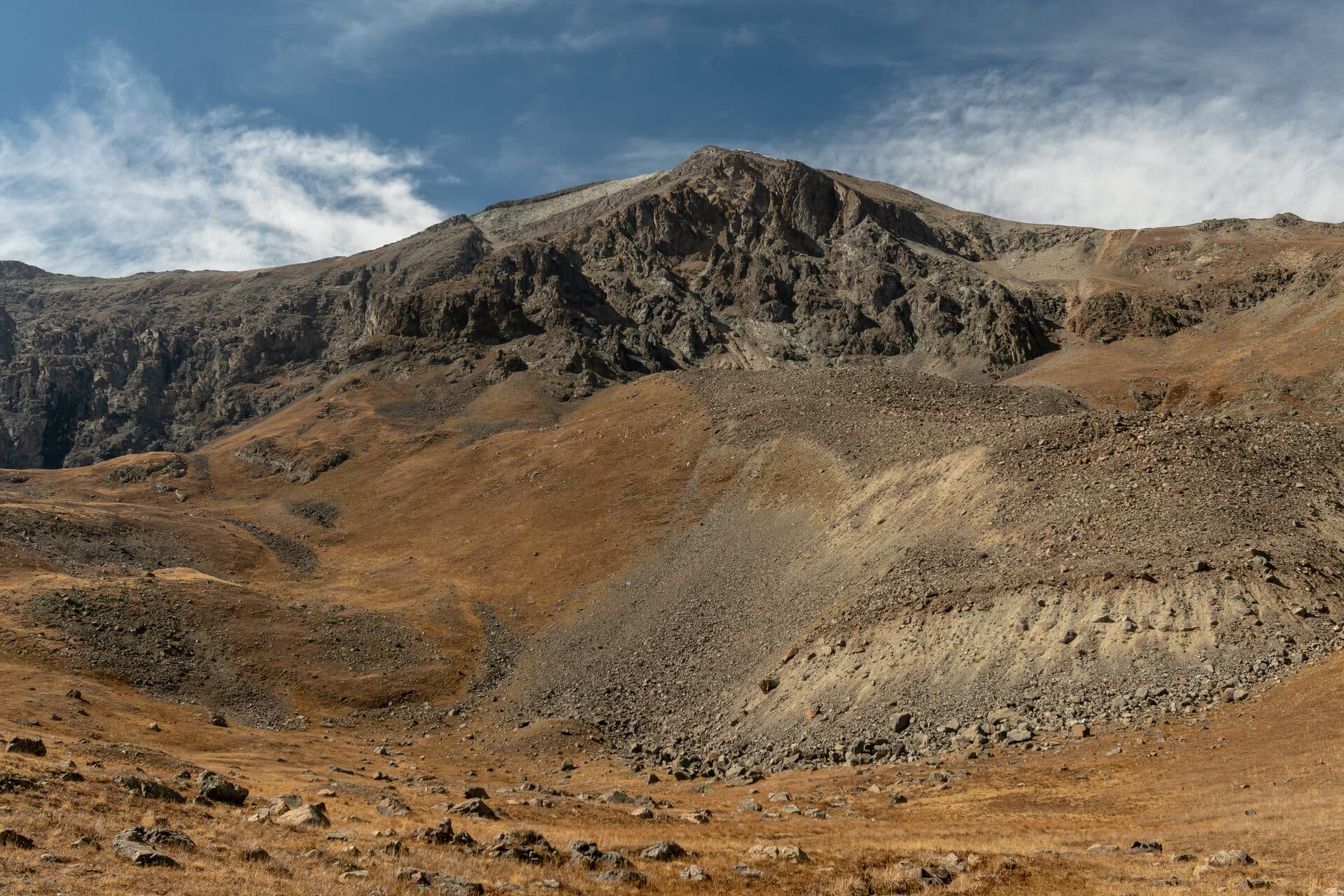
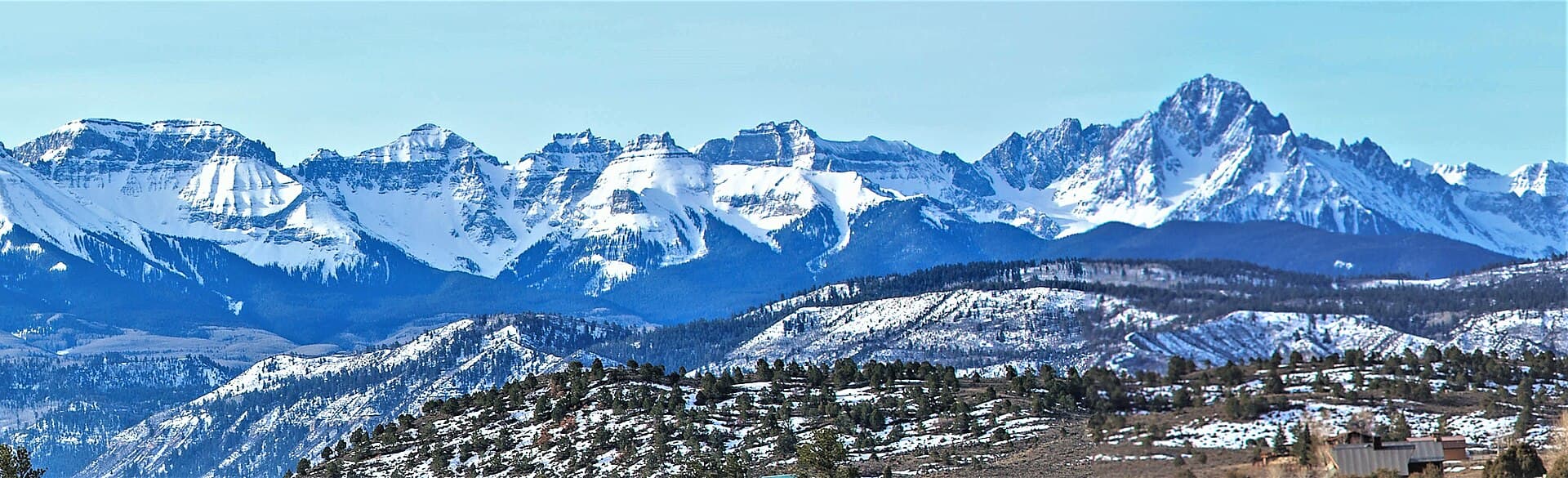
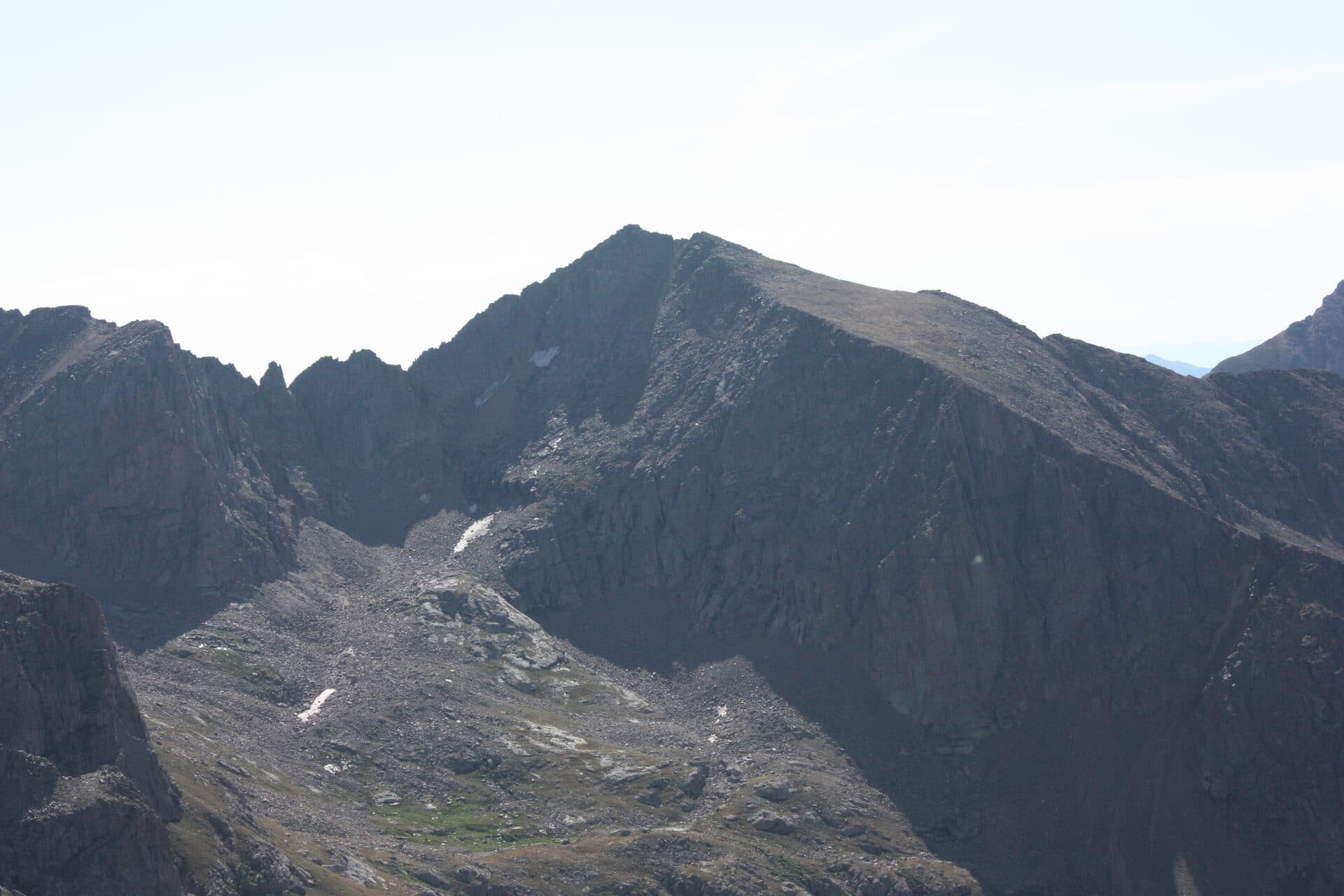
Handies Peak (14,048 ft) is one of the easiest 14,000-foot summits to actually stand on in Colorado, and one of the hardest to reach. The hiking is short and non-technical. The catch is the drive: Handies sits deep in the San Juan Mountains above Lake City, at the end of a rough dirt road that keeps most sedans away. If you can get to the trailhead, the summit is well within reach for a fit beginner.
From the American Basin trailhead, the standard route runs about 5.75 miles round trip with roughly 2,500 feet of gain. That's a gentler day than Longs Peak, Quandary, or even Grays and Torreys. The trail is Class 1 to easy Class 2, meaning you walk the whole way with maybe a little hand-on-rock near the top.
This guide covers both routes up Handies, the road situation that decides your whole day, the gear that matters at 14,000 feet, and how to fold this peak into a San Juan trip.
What You'll Learn
- Quick Stats
- Getting to the Trailhead
- The American Basin Route
- The Grizzly Gulch Alternative
- What to Pack
- Timing and Weather
- When to Climb
- Pairing Handies with Redcloud and Sunshine
- Common Mistakes
- Frequently Asked Questions
Quick Stats
American Basin route (standard, easiest):
- Elevation: 14,048 ft (ranked around 40th in Colorado)
- Round Trip Distance: about 5.75 miles
- Elevation Gain: about 2,500 ft
- Class: 1 to easy 2
- Time: 4 to 6 hours
- Trailhead: American Basin, about 11,600 ft
Grizzly Gulch route (longer, easier road):
- Round Trip Distance: about 5.5 miles
- Elevation Gain: about 3,600 ft
- Class: 2
- Time: 5 to 7 hours
- Trailhead: Grizzly Gulch, about 10,400 ft
Nearest town: Lake City
Best Season: Mid-July through mid-September
Permit: None required
Crowds: Moderate on summer weekends, light midweek
Getting to the Trailhead
The trailheads sit along the Alpine Loop Backcountry Byway (County Road 30, also called Cinnamon Pass Road) southwest of Lake City. This road, not the hike, is what you plan your day around.
From Lake City, follow CO 149 south for about two miles, then turn right onto County Road 30 along Lake San Cristobal. The pavement ends and the dirt begins. It's roughly 14 miles of mountain road from town to the trailhead area, and the surface degrades as you climb.
Here's how the road breaks down for most vehicles:
- Lake City to the Silver Creek/Grizzly Gulch trailhead: A high-clearance 2WD vehicle (think a crossover or truck) can usually reach this point in dry summer conditions. It's rocky and slow, but passable.
- The final stretch up to the American Basin trailhead: This last mile and a half needs high-clearance 4WD. There are rocks, ruts, and a couple of spots that stop stock SUVs. Many people park lower and walk the road in.
- Cinnamon Pass itself (the through-route to Silverton): Serious modified 4WD only. You do not need to cross the pass to climb Handies from the Lake City side.
If you don't have a capable 4WD, park at Grizzly Gulch and take that route (details below), or walk the road to American Basin and add the extra distance. Don't try to force a low-clearance car up the last section. People get stuck, block the narrow road, and wreck oil pans up there every summer.
Drive from Denver: Budget about 5.5 hours to Lake City, then 60 to 90 minutes on County Road 30 depending on your vehicle. This is a peak you sleep near, not one you day-trip from the Front Range.
Restrooms: Vault toilet near the American Basin trailhead. None higher up.
Cell service: None at the trailheads and none on the mountain. Download your maps before you leave Lake City.
The American Basin Route
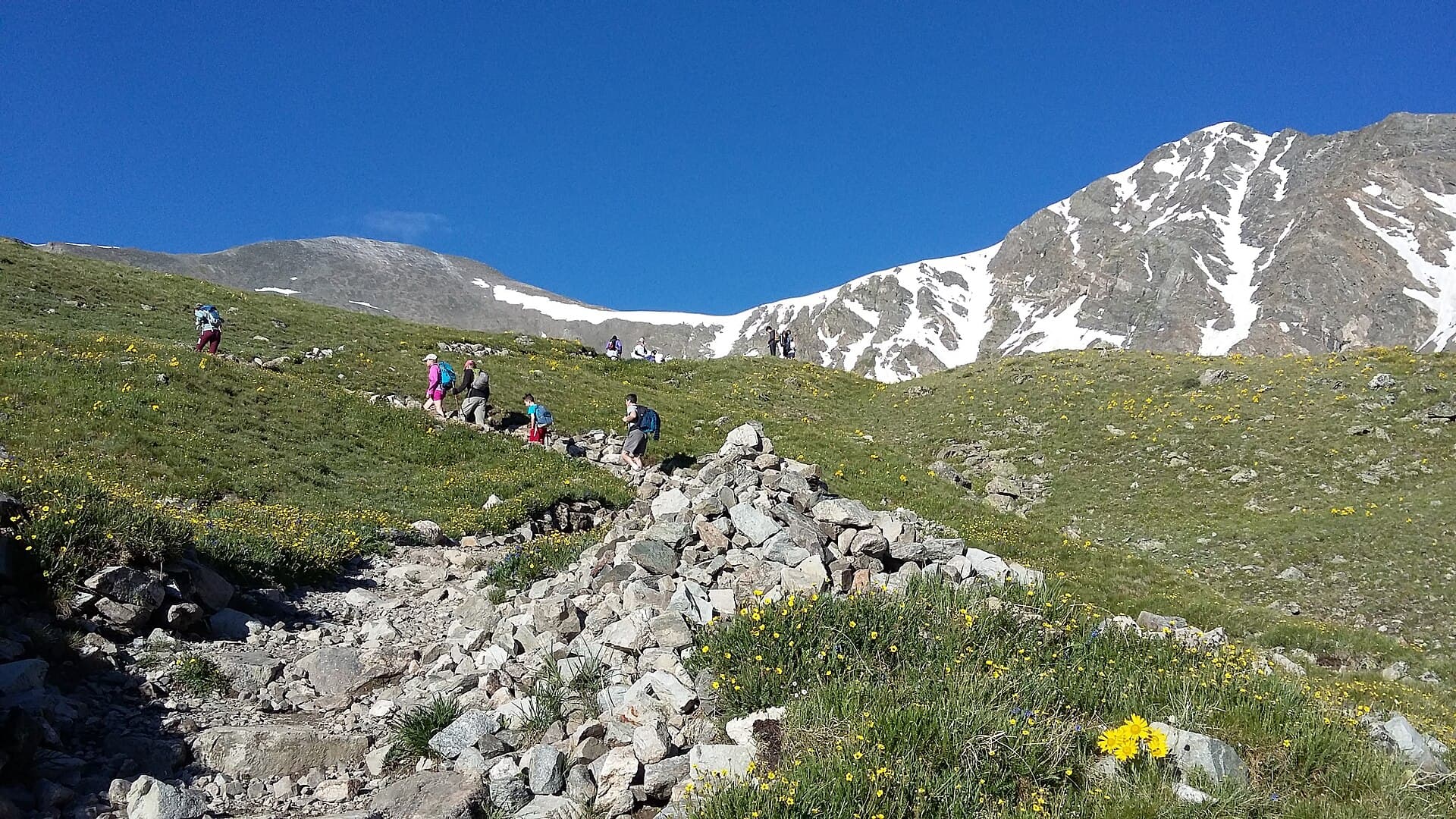
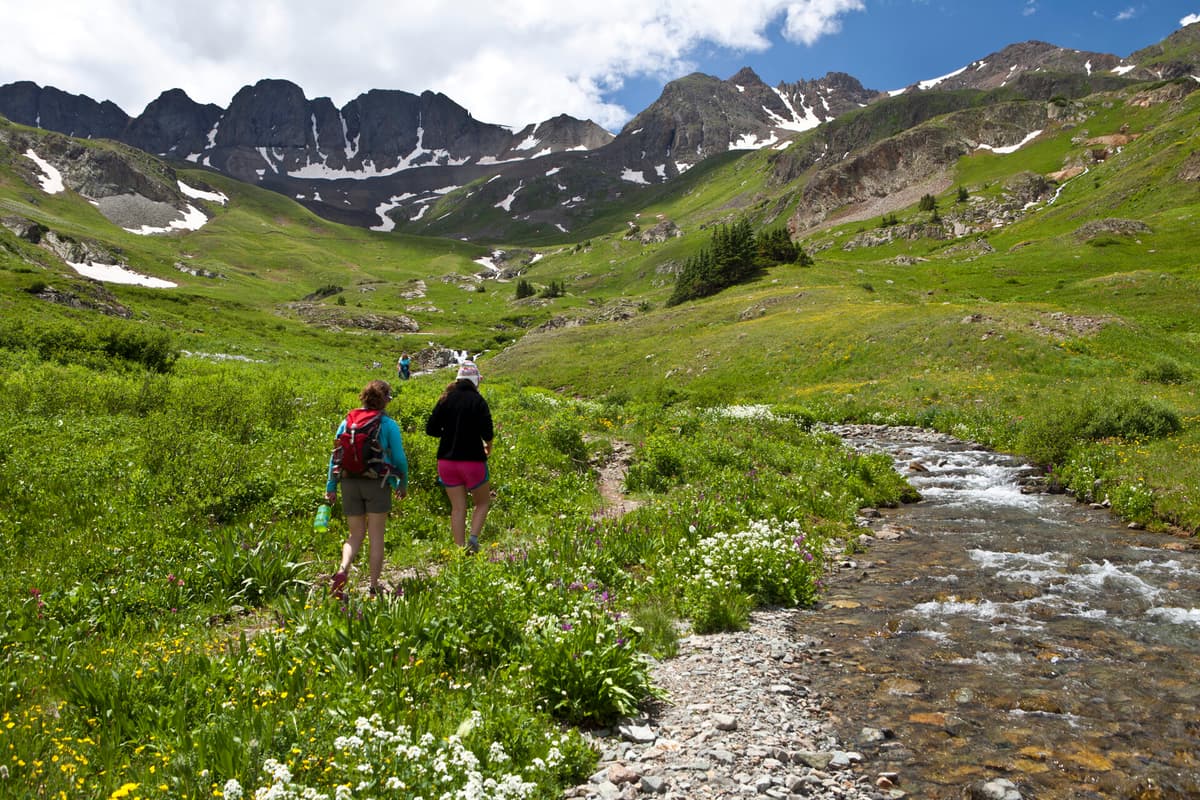
American Basin is the reason Handies has a reputation as a friendly 14er. The basin is a wide green bowl that fills with wildflowers in July, and the trail climbs through it at a steady, forgiving grade.
Section 1: Trailhead to Sloan Lake (Miles 0 to 1.5)
From the American Basin trailhead at about 11,600 ft, the trail heads up-valley through meadows thick with columbine, paintbrush, and larkspur in season. The grade is gentle and the footing is good. You gain a little over 1,000 feet across this stretch.
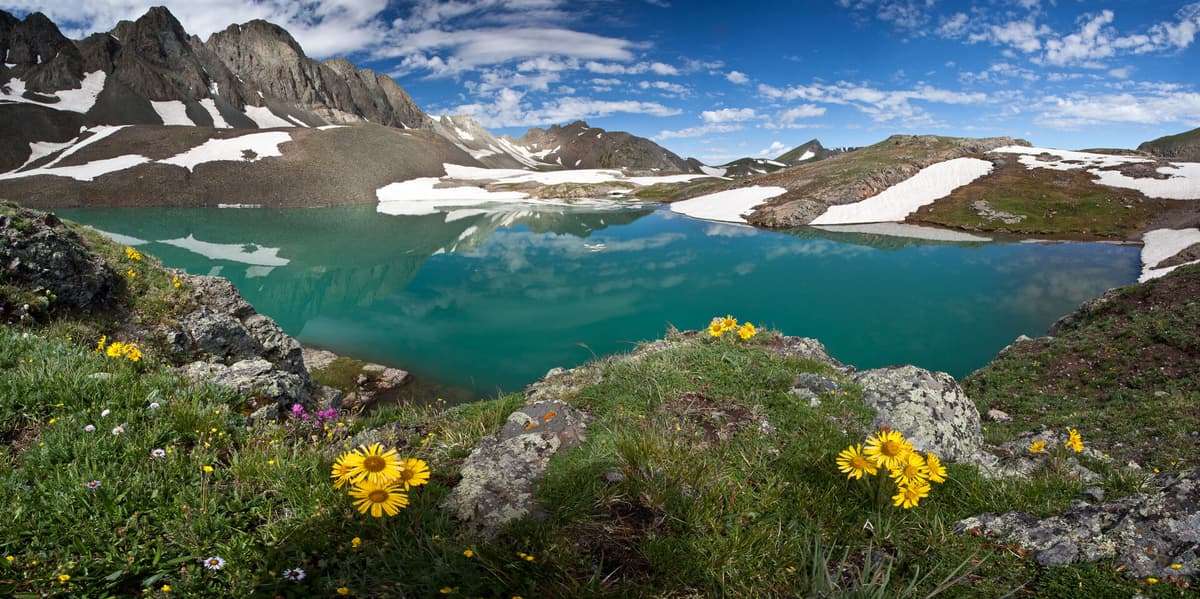
Around mile 1.5 you reach Sloan Lake, a clear alpine tarn sitting near 12,900 ft below the headwall. This is a natural rest and snack stop. Refill water here if you're carrying a filter, and take a look at the slope above, because that headwall is the steepest part of your day.
Section 2: The Headwall to the Ridge (Miles 1.5 to 2.5)
Above Sloan Lake the trail switchbacks up the basin headwall. This is where you feel the altitude. The grade steepens and the air is thin, so slow your pace and let your breathing set the rhythm. The trail stays well-defined the whole way.
You top out on the ridge saddle around 13,500 ft. From here the summit is in sight to your right (north), and the walking eases again.
Section 3: The Summit Ridge (Miles 2.5 to 2.9)
The final push follows the broad ridge to the summit. There's some loose rock and a short stretch where you might put a hand down, but nothing exposed and nothing technical. Take it slow and enjoy the views opening up in every direction.
The summit of Handies Peak is a wide, friendly high point. On a clear morning you can pick out Redcloud and Sunshine to the north, the Grenadier Range to the southwest, and a sea of San Juan summits in between. Sign the register, eat something, and watch the sky.
Section 4: The Descent
Return the way you came. The headwall below the ridge is the section to respect on the way down; loose rock and tired legs are how ankles get twisted. Trekking poles earn their keep here. Once you're back in the basin, it's an easy stroll to the car.
The Grizzly Gulch Alternative
If your vehicle can't make the last push to American Basin, the Grizzly Gulch route is your answer. The Grizzly Gulch trailhead sits lower, around 10,400 ft, and the road to it is friendlier to high-clearance 2WD.
The tradeoff is more work. You climb about 3,600 feet over roughly 5.5 miles round trip, following the gulch up the east side of the mountain and joining the summit ridge from the other direction. It's still Class 2 and non-technical, just longer and steeper overall than the American Basin approach.
Pick Grizzly Gulch if:
- You don't have capable 4WD
- You want a bigger workout
- American Basin is crowded and you want a quieter line
Pick American Basin if:
- You can drive to the upper trailhead
- You want the shortest, gentlest route
- You're here for the July wildflowers
Both routes summit the same peak. Neither one requires scrambling.
What to Pack
Handies is short, but it's still a 14er in a remote range with no cell service. Pack like the weather could turn, because it can.
Quick pick: A set of collapsible trekking poles does more for your knees on the American Basin headwall than any other single piece of gear. Best value upgrade for this hike.
Core kit for a summer summit:
- 2.5 to 3 liters of water, or a filter to refill at Sloan Lake
- 800 to 1,200 calories of trail food
- A layering system: base layer, insulation, and a rain and wind shell
- Sun protection (the tundra offers zero shade)
- A rechargeable headlamp for your alpine start
- Sturdy boots with real tread
- Offline maps downloaded to your phone, plus a paper backup
- First aid basics
For our full picks on the pieces that matter most up high, see our guides to hiking boots for Colorado, rain jackets, and trekking poles. Early season, a set of microspikes helps on lingering snow in the headwall.
Timing and Weather
The rule for every Colorado 14er applies here: be off the summit by noon.
Afternoon thunderstorms build fast over the San Juans in summer, and you do not want to be on an exposed ridge at 14,000 feet when lightning rolls in. Handies is short enough that an early start makes this easy to manage.
A reasonable schedule for the American Basin route:
- Trailhead: 6:00 AM
- Sloan Lake: 7:15 AM
- Summit: 8:30 to 9:00 AM
- Back at the car: 11:00 AM
That gives you a comfortable buffer before storms typically fire. For Grizzly Gulch, start closer to 5:30 AM because you're covering more ground.
Check the mountain forecast for the Lake City / San Juan area the night before, since you won't have signal at the trailhead. Watch for these red flags:
- Storm probability above 30 percent
- Wind above 35 mph at altitude
- Any snow in a summer forecast, which points to unstable air
Because Handies is remote and thin on altitude help, don't shrug off a headache or nausea. Read up on altitude sickness prevention before you go, and sleep at least one night at Lake City elevation (about 8,700 ft) to start acclimating.
When to Climb
Best window: Mid-July through mid-September.
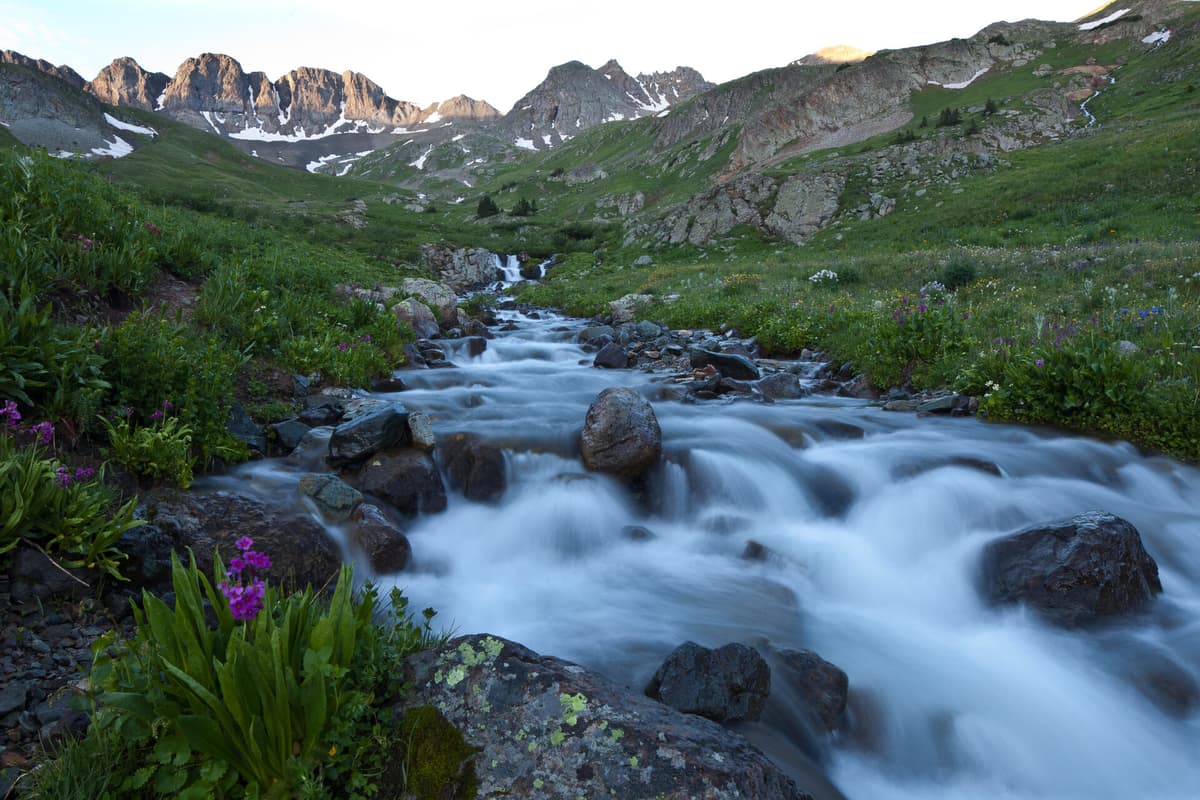
July: Wildflowers peak in American Basin, usually mid-to-late month. This is the prettiest time to climb and the busiest. Snow lingers in the headwall into early July some years, so carry microspikes early in the month.
August: Warm and green, but this is peak monsoon season. Storms build early most afternoons, so a dawn start is not optional.
September: Often the most stable weather of the year, with cool mornings and thinning crowds. The road stays open. First snows can arrive after mid-month.
October through June: The Alpine Loop road closes with snow, turning Handies into a long winter mountaineering objective. That's a different trip entirely. If winter hiking is new to you, start with our winter hiking guide for beginners before considering anything at this elevation.
Pairing Handies with Redcloud and Sunshine
Since you're driving all the way to Lake City, it's worth knowing that two more 14ers sit right next door. Redcloud Peak (14,034 ft) and Sunshine Peak (14,001 ft) are usually climbed together from the Silver Creek trailhead, which is near Grizzly Gulch on the same County Road 30.
Plenty of hikers build a two- or three-day Lake City trip: Handies one morning, Redcloud and Sunshine the next. All three are non-technical, all three are remote, and all three reward an early start. If you're chasing summits efficiently, this corner of the San Juans is one of the best clusters in the state.
New to high peaks in general? Start with our beginner's guide to Colorado hiking and our roundup of the easiest 14ers in Colorado, where Handies earns a spot for its short, gentle trail.
Common Mistakes
Underestimating the road. The hike is easy; the drive is not. Know your vehicle's limits before you commit to the American Basin trailhead, and have a Grizzly Gulch backup plan.
Starting late. "It's only 5.75 miles" lulls people into a 9 AM start. Then storms catch them on the ridge. Treat this like any 14er and start at dawn.
Skipping acclimatization. Coming straight from sea level to a 14,048-foot summit is how people end up sick. Spend a night or two at elevation first.
Carrying no rain shell. San Juan weather turns on a dime. A light shell weighs nothing and can save your day.
Relying on your phone for navigation. There's no signal out here. Download offline maps and bring a paper backup.
Frequently Asked Questions
How hard is Handies Peak?
By 14er standards, Handies is easy. The American Basin route is about 5.75 miles round trip with roughly 2,500 feet of gain, and the trail is Class 1 to easy Class 2 the whole way. A fit beginner who is acclimated can handle it. The hard part is the remote 4WD road to the trailhead.
Do you need a 4WD to climb Handies Peak?
For the American Basin trailhead, yes, you want high-clearance 4WD for the final mile and a half. High-clearance 2WD can usually reach the lower Grizzly Gulch trailhead in dry conditions, and that route also summits Handies. Low-clearance cars should not attempt the upper road.
How long does it take to hike Handies Peak?
Most hikers finish the American Basin route in 4 to 6 hours round trip, including breaks. The longer Grizzly Gulch route runs closer to 5 to 7 hours because it starts lower and climbs about 3,600 feet.
What's the best time to climb Handies Peak?
Mid-July through mid-September. July brings peak wildflowers in American Basin but also monsoon storms, so start at dawn. September usually offers the most stable weather and thinner crowds before the road closes for winter.
Is Handies Peak a good first 14er?
It can be, if you're comfortable with the access. The trail itself is short and non-technical, which makes it beginner-friendly. But the remote location, rough road, and lack of cell service mean it's better as a first 14er for someone who already has some Colorado hiking experience.
Final Thoughts
Handies Peak rewards the effort of getting there. The trail is short and gentle, the American Basin wildflowers in July are some of the best in the state, and the summit views over the San Juans are hard to beat. The whole trip hinges on the road, so match your route to your vehicle and start early.
Plan the drive, sleep near Lake City to acclimate, watch the weather, and give yourself a dawn start. Do that, and Handies is one of the most enjoyable 14,000-foot summits in Colorado.
For more high-country routes, see our Colorado 14ers guide and our beginner's guide to Colorado hiking.
Get the Colorado 14er Packing Checklist (free PDF)
Plus a weekly note on the best Colorado trails, gear deals, and seasonal hike picks. No spam, unsubscribe anytime.
We respect your inbox. Unsubscribe anytime.