Great Sand Dunes National Park: The Complete Visitor Guide
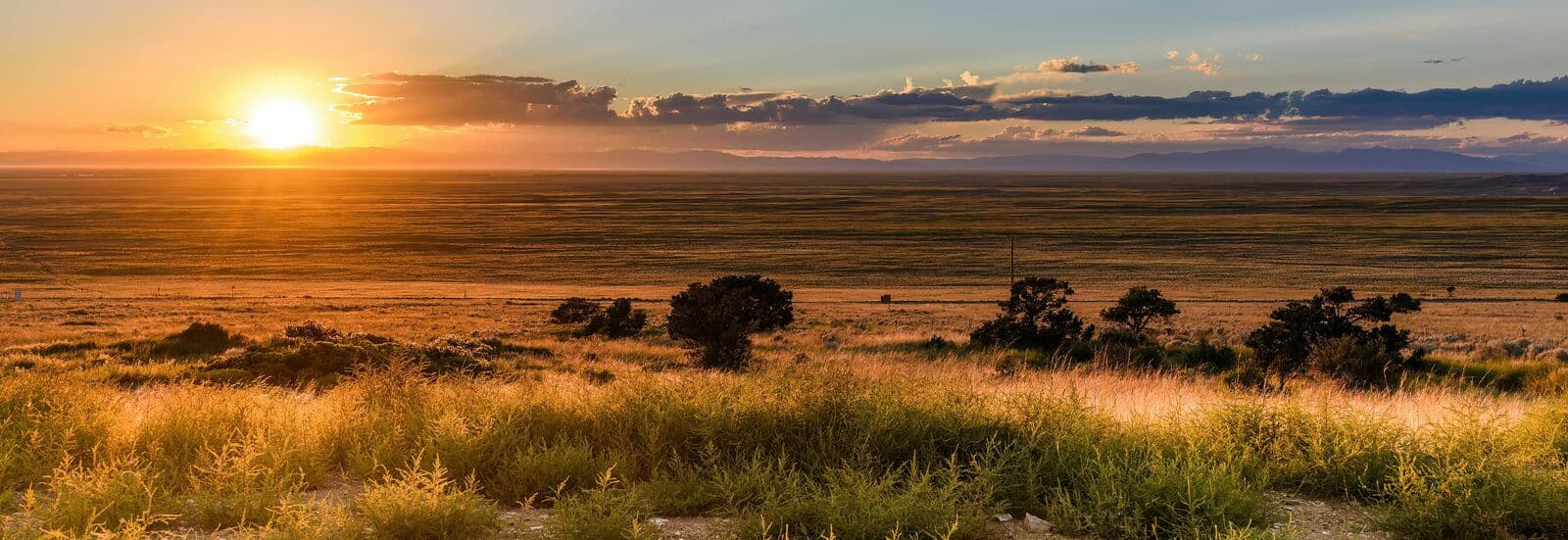
Great Sand Dunes National Park protects the tallest sand dunes in North America. Star Dune rises 750 feet from base to crest. High Dune tops out at 699 feet. The dunefield itself covers about 30 square miles and sits against the western face of the Sangre de Cristo Range in the San Luis Valley of southern Colorado. The park was upgraded from a national monument to a National Park and Preserve in 2004 and draws about 600,000 visitors per year, modest numbers for a National Park that looks this strange from the road.
The experience is unlike anywhere else in the state. There are no marked trails on the dunes. You walk up, down, and across an enormous pile of sand backed by 13,000-foot peaks, and in late spring a wide, shallow creek runs along the dune base and turns the entry area into a beach. This guide covers what you need to plan a real trip: how to get there, where to hike, when to come, and how to avoid the mistakes that send people back to the car with second-degree burns on their feet.
What You'll Learn
- Quick stats at a glance
- Where the park is and how to get there
- Hiking the dunes: the signature experience
- The top hikes in the park
- Medano Creek and the spring beach scene
- Sandboarding and sand sledding
- When to visit
- Sand temperature warning
- What to bring
- Camping options
- Pairing with Zapata Falls
- Common mistakes visitors make
- Frequently asked questions
Quick stats at a glance
- Entrance fee: $25 per vehicle, valid 7 days. America the Beautiful pass accepted.
- Visitor center hours: 9 AM to 4:30 PM most of the year, 8:30 AM to 5 PM in summer
- Location: 11999 State Highway 150, Mosca, CO 81146
- Elevation at dunefield base: 8,200 ft
- Tallest dune: Star Dune, 750 ft (recently confirmed taller than High Dune)
- Park size: 149,028 acres (park and preserve combined)
- Dunefield size: About 30 square miles
- Best time of day: Sunrise or after 5 PM, almost always
- Dog policy: Allowed on the main dunefield (first ridge) and in the day-use area, leash required
- Drone policy: Prohibited in the National Park, allowed in parts of the Preserve
Where the park is and how to get there
Great Sand Dunes sits in the San Luis Valley in southern Colorado, roughly 35 miles northeast of Alamosa and a few minutes off Highway 150. The valley is broad, flat, and a long way from the Front Range, which is part of why the park stays quieter than Rocky Mountain National Park even on summer weekends.
From Denver (4 hours, 240 miles):
- I-25 south to Walsenburg
- US-160 west over La Veta Pass to Blanca
- Highway 150 north for 16 miles to the park entrance
From Colorado Springs (3 hours, 175 miles):
- I-25 south to Walsenburg, then west on US-160 as above
From Alamosa (35 minutes, 35 miles):
- US-160 east to Highway 150
- North on 150 to the entrance station
From Durango (3.5 hours, 165 miles):
- US-160 east the entire way through Wolf Creek Pass
The closest towns are Mosca (a gas station and the Oasis Store right at the park boundary) and Alamosa (the regional hub with full services, hospitals, and the airport that connects to Denver). Most visitors stage out of Alamosa or camp inside the park. For more on the area, see our hikes near Alamosa page.
Cell service is unreliable in the park itself. Download maps before you arrive.
Hiking the dunes: the signature experience
The defining feature of Great Sand Dunes, and the thing that catches first-time visitors off guard, is that there are no marked trails on the dunefield. The wind erases footprints daily. You park at the Dunes Parking Lot, cross Medano Creek (or its dry bed), and walk out onto 30 square miles of open sand. You pick a high point on the horizon, head for it, and find your own line up.
Navigation is by sight. From the parking lot, the closest tall ridge is High Dune, the one most visitors aim for first. Beyond it, Star Dune sits roughly a mile and a half deeper into the dunefield, hidden from the parking lot view. There are no signs, no cairns, and no path. You can walk in any direction across the dunes as long as you can find your way back.
This is also why the dunes are physically harder than the elevation profile suggests. Sand absorbs your step. For every foot up, you slide back a few inches. People in good hiking shape often find that climbing 700 feet of dune takes longer and burns more than climbing 700 feet of mountain trail.
The walk from the parking lot to the first ridgeline (a small dune crest with views back across the valley) takes about 20 minutes. The walk to High Dune takes 2 to 3 hours round trip. The walk to Star Dune takes 6 or more.
The top hikes in the park
High Dune (2.5 miles round trip, 700 ft of gain, 2-3 hours)
The most popular destination on the dunefield. High Dune is the tall, prominent ridge you can see from the parking lot, the obvious target. It's not technically the tallest dune in the park (Star Dune is taller by 42 feet) but it's the most visible from the entry area and a satisfying objective for a first visit.
The route: cross Medano Creek, head straight toward the high ridge on the horizon, and work your way up. Most people angle along ridgelines because walking on sloping sand is easier than walking straight up loose faces. Allow 2 to 3 hours round trip. There is no real trail, so add time for picking your line and stopping to catch your breath.
Star Dune (8 miles round trip, 1,000 ft of gain, 6+ hours)
The actual tallest dune in North America. Star Dune sits deeper in the dunefield, hidden behind several false summits. The route is roughly: hike to High Dune, then continue west and north into the heart of the dunefield following the highest ridgeline you can see. The total trip is 8 miles round trip with about 1,000 feet of cumulative elevation gain and a lot of secondary climbs and descents.
Plan 6 to 8 hours. Start before sunrise in summer; the sand will cook your feet by 10 AM. Bring 3+ liters of water, real food, and a way to find your route back to the car (GPS pin on the parking lot is the simplest insurance). This is a serious half-day commitment, not a casual stroll.
Sand Creek Lakes (10 miles round trip, 2,200 ft of gain, hard)
A backcountry route that leaves the dunefield and climbs into the Sangre de Cristo Wilderness on the park's eastern side. Reaches Lower Sand Creek Lake at 11,500 feet. This is a real alpine hike, not a sand walk, and requires a 4WD vehicle to reach the Sand Creek trailhead via the Medano Pass Primitive Road. For experienced backcountry hikers only.
Mosca Pass Trail (7 miles round trip, 1,500 ft of gain, moderate)
A historic wagon route that climbs from the Montville trailhead through the foothills to Mosca Pass at 9,737 feet on the Sangre de Cristo crest. Starts in pine forest, opens up to high meadows, and gives you the only east-side view of the dunefield from above. The trailhead is on the park road near the visitor center. About 4 to 5 hours. A good rainy-day or hot-day alternative when the dunes themselves are roasting.
For other Colorado trail picks at lower elevation, see our best hikes near Alamosa guide.
Medano Creek and the spring beach scene
Medano Creek is the seasonal creek that runs along the western edge of the dunefield, fed by snowmelt out of the Sangre de Cristos. From late April through June (peak in late May), the creek runs wide and shallow across a sand-bottomed channel. The combination of warm sand, cold flowing water, and a dramatic dune backdrop turns the entry area into something close to a beach in the middle of the Rockies.
The creek is famous for a hydrological quirk called "surge flow." Sand dams build up underwater, then collapse and release, sending small waves down the channel every 20 seconds or so. Kids love it. Families set up canopies and beach chairs along the bank.
Peak flow: late May to early June (varies by snowpack year).
Typical depth: ankle to thigh deep at peak flow.
By July: the creek is usually dry or down to a trickle.
By August: dry sand most years.
If a beach scene with kids is the trip you're planning, time your visit for Memorial Day weekend through mid-June. If you'd rather avoid crowds, come in September when the creek is gone but the dunes are quieter and the weather is cooler.
Sandboarding and sand sledding
You can sled or board down the dunes. The park itself doesn't rent equipment, but two reliable outfitters do:
Oasis Store (just outside the park entrance on Highway 150). Sandboards and sand sleds available for daily rental. Walk-up rentals; first-come, first-served. The closest option, perfect if you're already on your way in.
Kristi Mountain Sports (in Alamosa). Full outdoor shop with sandboard and sled rentals, slightly cheaper than the Oasis Store. Worth a detour if you're staying in town anyway.
A few notes that will save you frustration:
- Regular snow sleds, cardboard, and saucer sleds do not work. Sand has too much friction. You need a board or sled specifically waxed for sand.
- The boards and sleds come with bars of sled wax. Wax the bottom before every run.
- Dry sand is much faster than damp sand. Boarding after a rainstorm or in early morning when sand is damp from dew is slow.
- The walk back up is the hardest part. Pick a dune you can climb in 10 to 15 minutes if you want to get more than two runs in.
The dunes closest to the parking lot get the most sled traffic. For better runs and fewer people, walk 15 minutes deeper into the dunefield and pick a clean face.
When to visit
Each season at Great Sand Dunes is genuinely different. Pick based on what kind of trip you want.
Late April to mid-June: Medano Creek is flowing. Family beach scene. Sand temperatures are still mild. Wildflowers in the grasslands. This is peak season for a reason. Expect crowds Memorial Day weekend.
Mid-June to August: Summer. Sand temperatures hit 150°F+ in the afternoon. Medano Creek is mostly dry by July. Afternoon thunderstorms common. Dunes hiking requires a 5 AM start or a 6 PM start. Avoid mid-day on the sand.
September to October: The best month for serious dune hiking. Cool temperatures, no creek crowds, fall color in the cottonwoods and aspens around the foothills. Star Dune is achievable mid-day in September without burning your hands.
November to February: Winter. Yes, the dunes get snow, and a snow-dusted dunefield against the Sangres is one of the strangest sights in Colorado. The visitor center stays open. Crowds disappear. Dress for winter mountain conditions; the dunes hold cold air at the base.
March to early April: Variable. Mud season in the campground. Creek hasn't started flowing. Wind can be intense.
If you're in town any month other than midsummer, check our altitude sickness guide; the dunefield base is at 8,200 feet and that catches people off guard.
Sand temperature warning
The single most underestimated hazard at Great Sand Dunes is sand temperature. On a 90°F summer day, the surface of the dunes regularly hits 150°F. Park rangers measure 140°F as a typical July afternoon reading. That's hot enough to cause second-degree burns through thin socks and to burn dog paws within minutes.
Rules of thumb:
- Before 10 AM: Sand is comfortable. Hike anything you want.
- 10 AM to 4 PM in summer: Stay off the sand or stick to wet creek-bed areas. Dogs should not be on the dunes at all.
- After 5 PM: Sand cools quickly. Evening hikes are pleasant.
- Cloudy days: Sand stays much cooler. Mid-day hiking is fine.
Closed-toe shoes are required if you're on the dunes after 10 AM in summer. Many visitors hike barefoot or in sandals at sunrise (the sand is fun on bare feet at 7 AM) and switch to boots when the heat builds.
If you bring a dog, keep them on the wet creek margin or carry them in a pack. Burned paws are the most common veterinary emergency the Alamosa clinics see in summer.
What to bring
The dunes kit differs from a standard Colorado hike. Plan for sun, wind, sand intrusion, and dramatic temperature swings.
Water. 2 liters minimum for High Dune. 3+ liters for Star Dune. There is no water on the dunefield and the creek (when running) is not safe to drink untreated.
Sun protection. SPF 50, sunglasses (critical, sand reflects UV at you from below), wide-brim hat, and a buff or neck gaiter for the back of your neck. Sunglasses are not optional. Snow-blindness is a real risk from reflected sand glare.
Footwear. Closed-toe shoes for any mid-day hiking. Hiking boots or trail runners with good ankle support handle the sand better than low sneakers. Gaiters keep sand out of your shoes; cheap running gaiters work fine. See our best hiking boots for Colorado guide for picks.
Layers. The valley swings 40 degrees from sunrise to noon in spring and fall. Start with a base layer and a wind shell; strip down as the day warms.
Rain shell. Afternoon thunderstorms build over the Sangres from June through August. A packable rain jacket lives in the daypack year-round in Colorado.
Sand-proof bag for electronics. Phones and cameras hate fine dune sand. A simple zip-top bag works for casual carry; a dry bag is better.
Snacks. No services on the dunefield. Bring food.
Headlamp. For sunrise starts or evening hikes.
Towel and change of clothes. Especially in Medano Creek season. You will get wet and sandy.
Camping options
Three real options for sleeping near the park.
Piñon Flats Campground (in the park). 88 sites, mid-April through October. Reservable on recreation.gov. Sites split between Loop 1 (tent and small RV) and Loop 2 (RV-friendly with longer pads). Restrooms with flush toilets and drinking water. No hookups. Sites book out 4 to 6 months ahead for Medano Creek season; September weekday sites are usually available.
Dispersed camping (Medano Pass Primitive Road, in the National Preserve). Free dispersed camping along the 4WD primitive road that climbs from the park into the Sangres. Requires high-clearance 4WD; the road has deep sand and creek crossings. Designated sites along the road, first-come, no reservations. Permit required from the visitor center (free).
Zapata Falls Campground (BLM, 15 minutes south). 23 first-come sites at the base of the Zapata Falls trail. $11 per night. Vault toilets, no water, no hookups. A solid fallback when Piñon Flats is full. The campground is at 9,100 feet so nights are cool even in July.
For backcountry overnight on the dunes themselves, the park allows backpacking with a free wilderness permit issued at the visitor center. You walk past Star Dune into the dunefield wilderness and pitch camp in any low area out of sight of other visitors. The night sky is some of the darkest in Colorado.
Pairing with Zapata Falls
Zapata Falls is the natural pairing with a Great Sand Dunes trip. It sits 15 minutes south of the park entrance, off a dirt access road that climbs to a trailhead at 9,100 feet. The hike is half a mile each way and ends at a slot canyon with a 30-foot waterfall tucked inside a narrow gap in the rock.
The catch: to actually see the falls, you have to wade into the creek and climb up the slot. The water is ankle to knee deep and ice-cold. In winter, the falls freeze into a massive ice column and the slot becomes a popular ice-climbing destination.
It pairs perfectly with the dunes as a half-day side trip: do the dunes at sunrise, drive 15 minutes south, hike to Zapata Falls in the cool of the morning, and you're back in Alamosa for lunch. The trailhead access road is rough dirt but passable in any vehicle with reasonable clearance.
For more on Zapata Falls and other Colorado waterfall hikes, see our best waterfall hikes in Colorado guide.
Common mistakes visitors make
Hiking the dunes at noon in summer. Surface temperatures over 140°F. Real burn risk. Hike at sunrise or after 5 PM, or pick a cloudy day, or visit September through May.
Bringing only one liter of water. Dunes feel harder than expected. The sun is at 8,200 feet of elevation. Two liters is the minimum, not the ideal.
Wearing wrong shoes. Sandals burn your feet in summer. Sneakers fill with sand instantly. Hiking boots with ankle support and gaiters are the right answer most of the year.
Expecting trails. First-time visitors sometimes stand at the parking lot looking for a trailhead sign. There isn't one. You walk straight out onto the sand and pick a high point.
Underestimating the walk back. People hike out to High Dune feeling great, take photos at the top, then realize the descent back to the car still takes 45 minutes through soft sand. Save energy for the return.
Bringing dogs on hot sand. Dog paws burn faster than human feet. If you bring a dog in summer, keep them on the creek margins or carry them.
Skipping the visitor center. The park rangers post current sand temperature, water level in Medano Creek, and weather alerts every morning. Five minutes in the visitor center saves you from bad decisions on the dunefield.
No sunglasses. Sand reflects UV from below as well as from above. The glare is brutal without sunglasses and can cause temporary snow-blindness.
Cardboard sleds. They don't work. Rent a real sandboard or sled from the Oasis Store or Kristi Mountain Sports.
Driving Medano Pass Primitive Road in a 2WD. The deep sand sections trap regular cars. Either rent a high-clearance 4WD or stick to the paved park road.
Frequently asked questions
How much does it cost to visit Great Sand Dunes National Park?
$25 per vehicle for a 7-day pass. America the Beautiful interagency pass is accepted ($80 annual, free for fourth graders, free for active military, $80 lifetime for seniors). Pedestrian and bike entry is $15 per person.
What are the park hours?
The park itself is open 24 hours a day, year-round. The visitor center is open 9 AM to 4:30 PM most of the year and 8:30 AM to 5 PM in summer. The dunefield is freely accessible at all hours, which is part of why sunrise visits are so easy to plan.
Can you go sandboarding at Great Sand Dunes?
Yes. The park doesn't rent equipment, but the Oasis Store just outside the entrance and Kristi Mountain Sports in Alamosa both rent sandboards and sand sleds. Cardboard, snow sleds, and saucers do not work; sand needs a waxed bottom.
Can you swim in Medano Creek?
Medano Creek is a wading creek, not a swimming creek. Even at peak flow in late May, the water is rarely more than thigh deep. Kids love it for splashing, floating, and surge-watching. It's safe to wade and play in; just don't drink the water without treatment.
Can you camp in the park?
Yes. Piñon Flats Campground inside the park has 88 sites, reservable on recreation.gov, open mid-April through October. Backcountry dunes camping is allowed with a free permit from the visitor center. Dispersed camping is also allowed along the Medano Pass Primitive Road in the Preserve (high-clearance 4WD required).
Are dogs allowed?
Yes, on leash, on the main dunefield (first ridge area, day-use area, picnic spots) and in the campground. Dogs are not allowed on the Mosca Pass Trail or in backcountry wilderness. In summer, the sand can burn dog paws; keep them on wet sand or carry them.
Is Great Sand Dunes worth visiting?
For most Colorado visitors who can spare the drive, yes. The combination of the tallest dunes in North America, the Sangre de Cristo backdrop, Medano Creek in late spring, and the dark night sky make it a one-of-a-kind park. The trip is a real commitment from the Front Range (4 hours each way from Denver, so plan an overnight) but the experience is unlike anywhere else in the state.
Final thoughts
Great Sand Dunes rewards visitors who plan around the sand, the sun, and the season. Time the trip for late May or September, start hikes at sunrise, bring real water and the right shoes, and you'll have a day that looks like nowhere else on the continent. Skip the planning and you'll get a sunburn, a face full of sand, and a memory of how quickly the dunefield gets hot at noon.
The keys to getting it right: pick your season, start early, bring the gear, and pair the dunes with Zapata Falls for a full day in the San Luis Valley. For more area trails, see our hikes near Alamosa page. For the trip wardrobe and pack setup, see our guides to hiking boots, rain jackets, and the altitude sickness primer before you head into the San Luis Valley.
Get the Colorado 14er Packing Checklist (free PDF)
Plus a weekly note on the best Colorado trails, gear deals, and seasonal hike picks. No spam, unsubscribe anytime.
We respect your inbox. Unsubscribe anytime.