Women's Hiking Apparel: What to Wear on Colorado Trails by Season
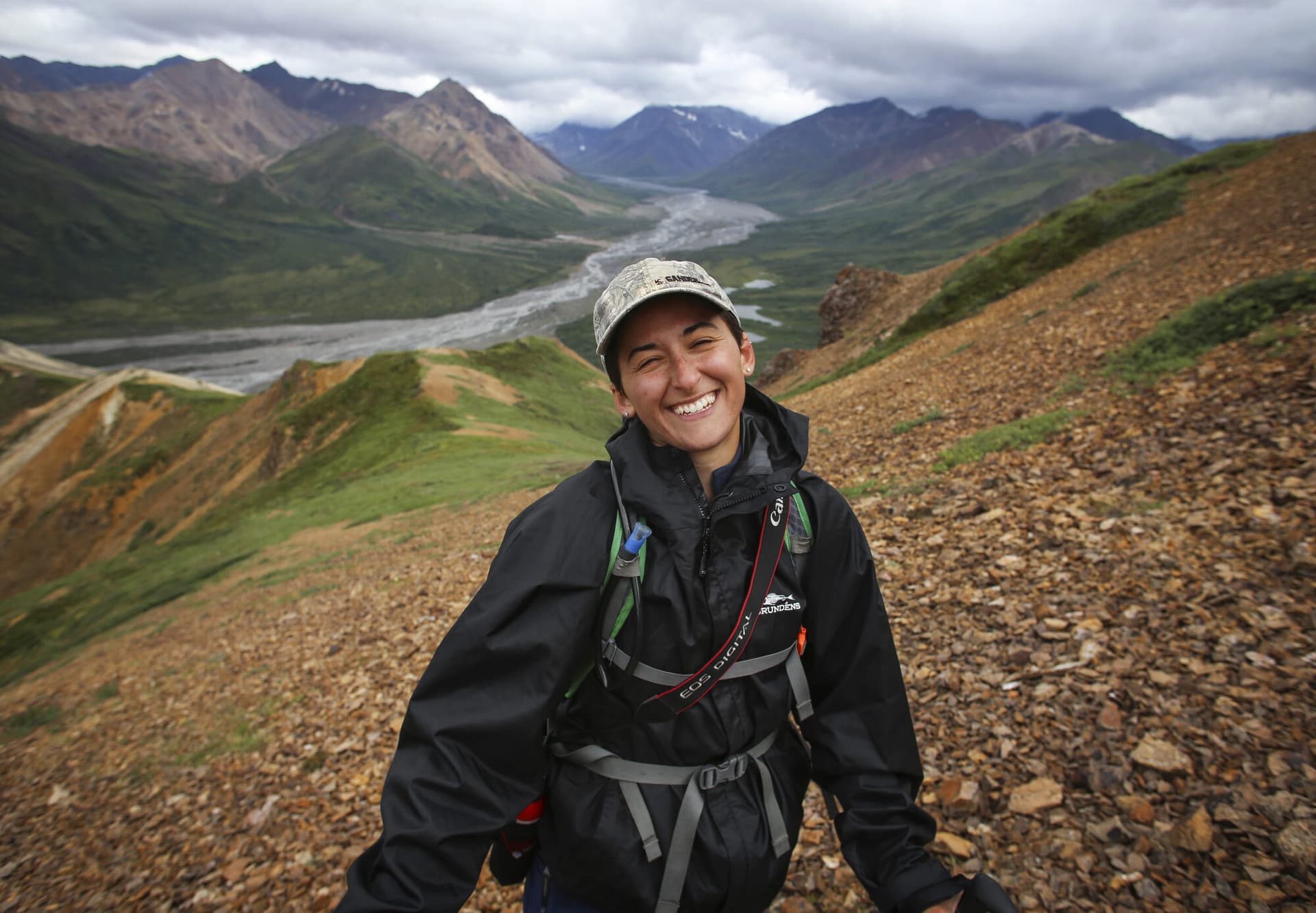
The fastest way to ruin a Colorado hike is dressing for the trailhead instead of the trail. Good women's hiking apparel is built around layering, not a single perfect jacket, because a July morning at 9,000 feet can start at 45°F, hit 80°F by noon, and drop into a hail squall by 2 p.m. Get the layers right and you stay dry, warm, and blister-free. Get them wrong and you're shivering in a soaked cotton tee waiting out a storm.
This guide walks through every layer, from the sock up, with specific picks you can grab on Amazon. The focus is Colorado conditions: thin dry air, brutal sun, big temperature swings, and afternoon thunderstorms you can set your watch by.
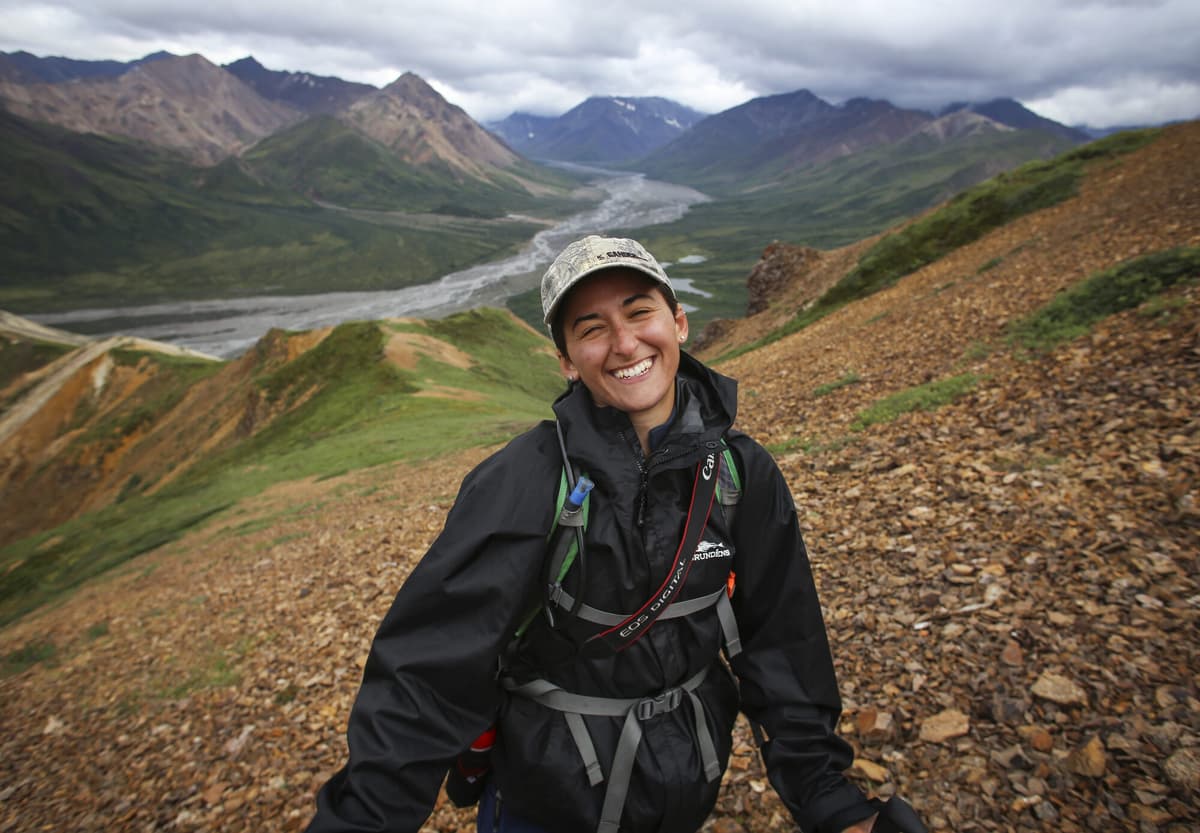
Colorado's trails reward layered women's hiking apparel over any single do-it-all jacket.
Quick pick: A merino base layer, quick-dry hiking pants, a packable rain shell, and a light puffy cover roughly 90% of Colorado day hikes. Start there, then add for the season.
Planning your kit? Pair this with our women's hiking boots picks, our merino base layer guide, and the Colorado hiking beginner's guide.
What You'll Learn
- How to Layer Women's Hiking Apparel for Colorado
- Base Layers: Your Next-to-Skin Foundation
- Hiking Pants, Tights, and Shorts
- Hiking Shirts and Sun Hoodies
- Insulation: Fleece and Down
- Rain Shells and Wind Layers
- Socks, Sports Bras, and the Small Stuff
- What to Wear Hiking in Colorado by Season
- Frequently Asked Questions
How to Layer Women's Hiking Apparel for Colorado
The whole system rests on three jobs: move sweat away from your skin, trap warm air, and block wind and rain. Each layer does one job well, and you add or shed them as the day changes.
- Base layer: Sits against your skin and pulls sweat outward so you don't get clammy and chilled.
- Mid layer: Fleece or a light puffy that traps body heat. This is the layer you take on and off the most.
- Shell: A wind and rain jacket that goes over everything when the weather turns.
The one rule that matters above all others in Colorado: no cotton next to your skin. Cotton soaks up sweat, stops insulating the moment it's wet, and dries painfully slowly in dry mountain air. A wet cotton shirt at 12,000 feet is how mild days turn into hypothermia. Stick with merino wool or synthetic fabrics that keep working when damp.
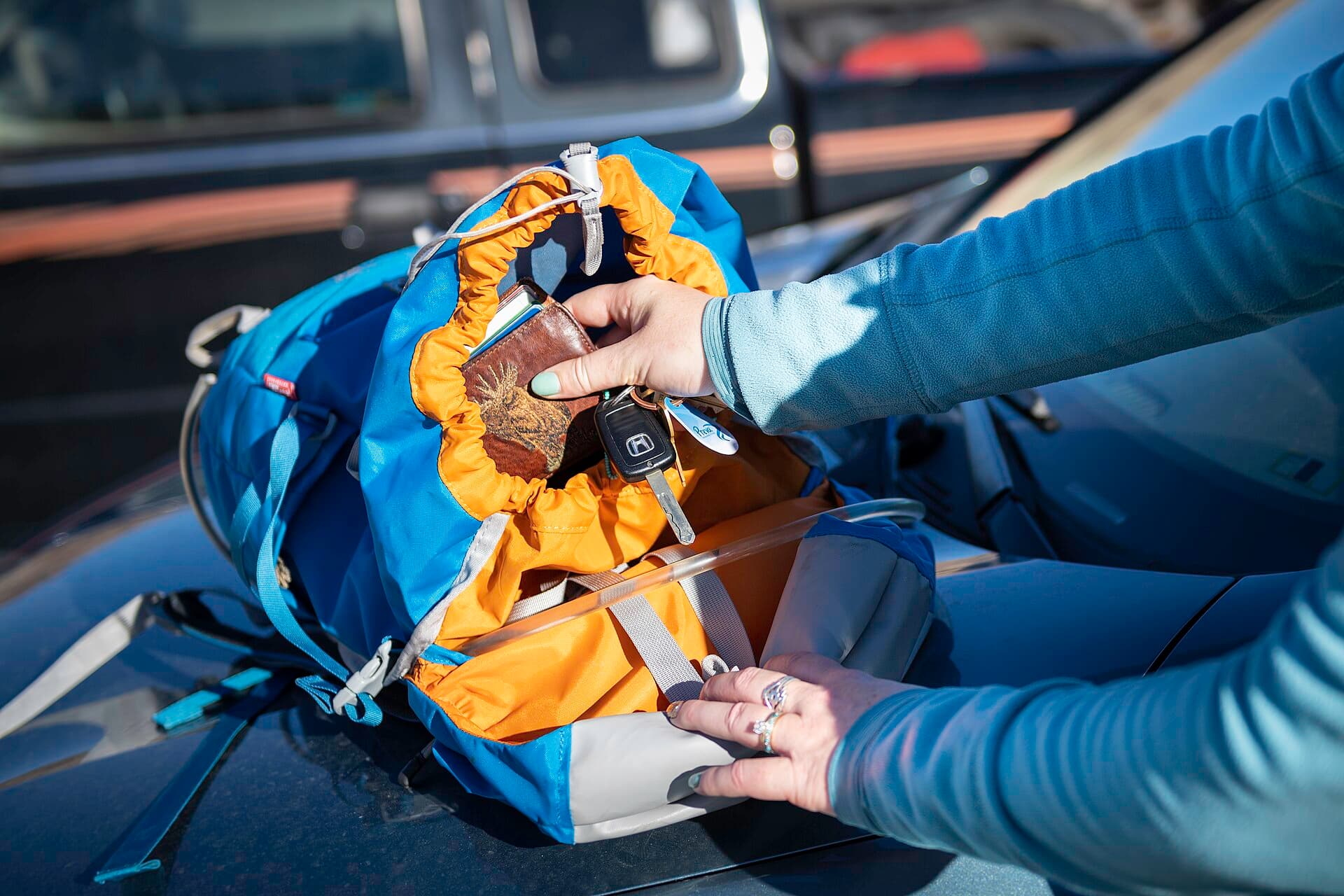
The second rule: pack the layer you think you won't need. The rain shell stays in your daypack even on a bluebird morning, because the afternoon storm doesn't care about the morning forecast. Stuff a packable rain jacket in your bag and forget it's there until you need it.
Base Layers: Your Next-to-Skin Foundation
Your base layer is the piece that decides whether you're comfortable or miserable, and it costs less than your boots. Two materials win here.
Merino wool regulates temperature in both directions, resists odor so you can wear it for days, and feels soft against skin without the itch of old-school wool. The downside is price and slightly slower drying. A midweight merino top in the 150 to 200 gram range is the sweet spot for three-season Colorado hiking. Browse women's merino wool base layers and look for brands like Smartwool, Icebreaker, and Minus33.
Synthetic base layers (polyester or polypropylene blends) dry faster and cost less, which makes them a strong pick for high-output days and sweaty summer climbs. They hold odor more than merino, so they're better for single days than multi-day trips. A women's synthetic base layer top runs $25 to $45.
For most women hiking Colorado spring through fall, one midweight merino long-sleeve and one short-sleeve synthetic tee cover the range. Add merino bottoms for shoulder-season and winter days. Our full merino base layer breakdown goes deeper on weights and fit.
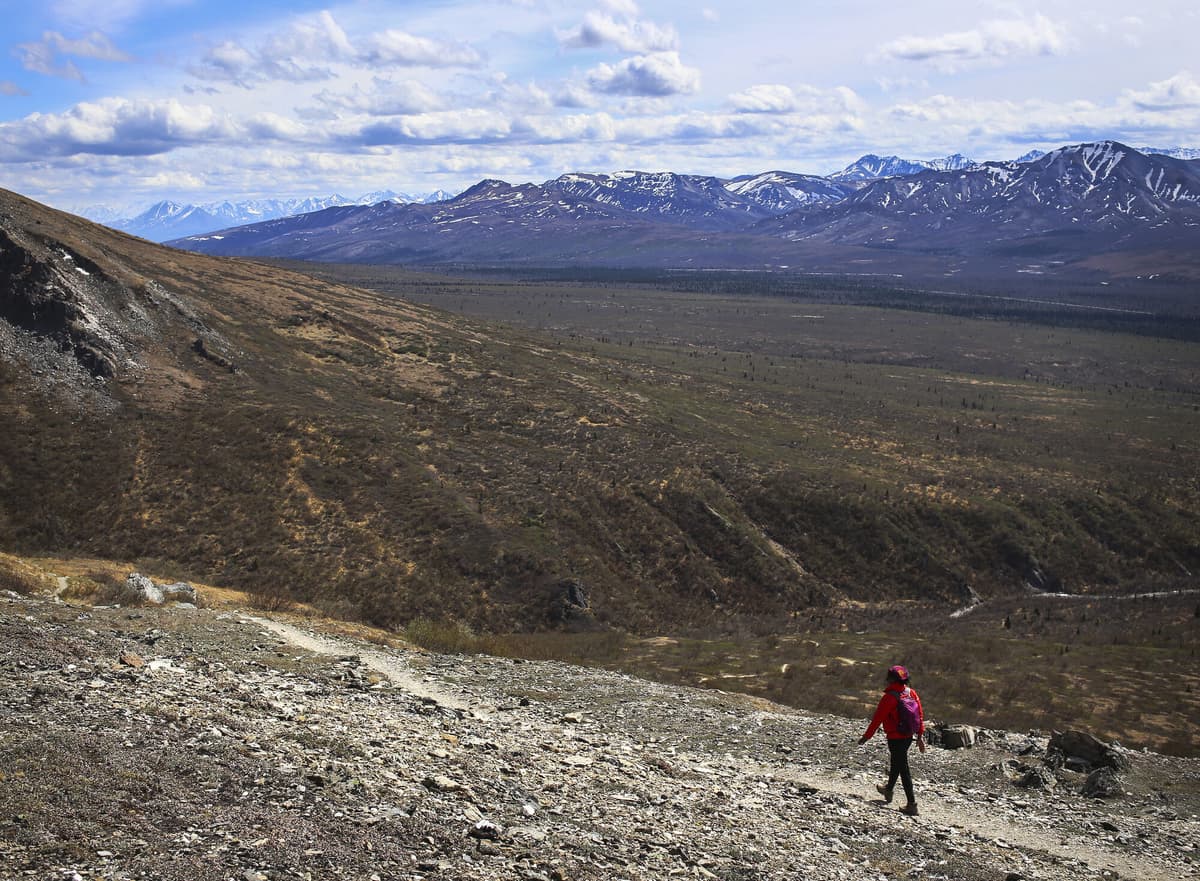
Mid layers come on and off all day as you climb into thinner, cooler air.
Hiking Pants, Tights, and Shorts
Legwear is where personal preference runs strongest, and Colorado trails give you room for all three options.
Hiking pants are the workhorse. Look for a nylon or nylon-spandex blend that's quick-drying, stretchy enough to scramble in, and treated with a DWR finish to shed light rain. Roll-up or convertible styles let you adjust as the day warms. Many women's pairs run small in the hip, so check reviews on sizing. Shop women's hiking pants from Prana, Columbia, REI Co-op, and The North Face. Our hiking pants guide covers fit and fabric in detail.
Hiking tights and leggings have become the go-to for a lot of women, and for good reason: they move with you, dry fast, and feel less restrictive on steep climbs. Skip cotton athleisure leggings and pick a pair built for the outdoors, ideally with side pockets deep enough for a phone. Women's hiking leggings with a high waist and squat-proof fabric hold up to a full day on trail.
Shorts make sense for hot lower-elevation hikes around Denver, Colorado Springs, and the canyons. Pair them with sun sleeves or plan to reapply sunscreen, because the Colorado sun at altitude burns faster than people expect. Women's hiking shorts with a 5 to 7 inch inseam balance coverage and freedom.
Hiking Shirts and Sun Hoodies
Above the waist for warm weather, you want sun protection and fast drying more than warmth.
A sun hoodie is the most useful summer top most hikers own. It's a thin, hooded, long-sleeve shirt with a UPF rating (look for UPF 50+) that covers your arms, neck, and the back of your hands without trapping heat. On exposed ridgelines and 14er approaches above treeline, it beats slathering sunscreen on every hour. Grab a women's UPF sun hoodie and you'll reach for it on most summer hikes.
For cooler or shaded trails, a simple women's quick-dry hiking shirt in merino or synthetic does the job. Avoid heavy cotton flannels for active hiking; save those for camp.
Insulation: Fleece and Down
The mid layer traps your body heat, and you'll add and drop it constantly as you climb and descend. Two families to choose from.
Fleece breathes well, keeps insulating when damp, and shrugs off abuse. A light grid fleece (think Polartec Power Grid) is ideal for active hiking because it dumps heat when you're working hard and warms you on breaks. A women's hiking fleece is hard to wear out and works as your everyday mountain layer.
Down and synthetic puffies pack down small and deliver the most warmth for their weight, which makes them the layer you stuff in your pack for summit breaks and storm waits. Down is warmer and lighter; synthetic keeps working when wet, a real advantage in Colorado's surprise hail and rain. A women's packable down jacket in the 800-fill range crushes to the size of a water bottle. Our down jacket guide ranks picks by warmth-to-weight.
For three-season hiking, a grid fleece plus a light puffy covers nearly every situation. You hike in the fleece and throw the puffy on the second you stop moving.
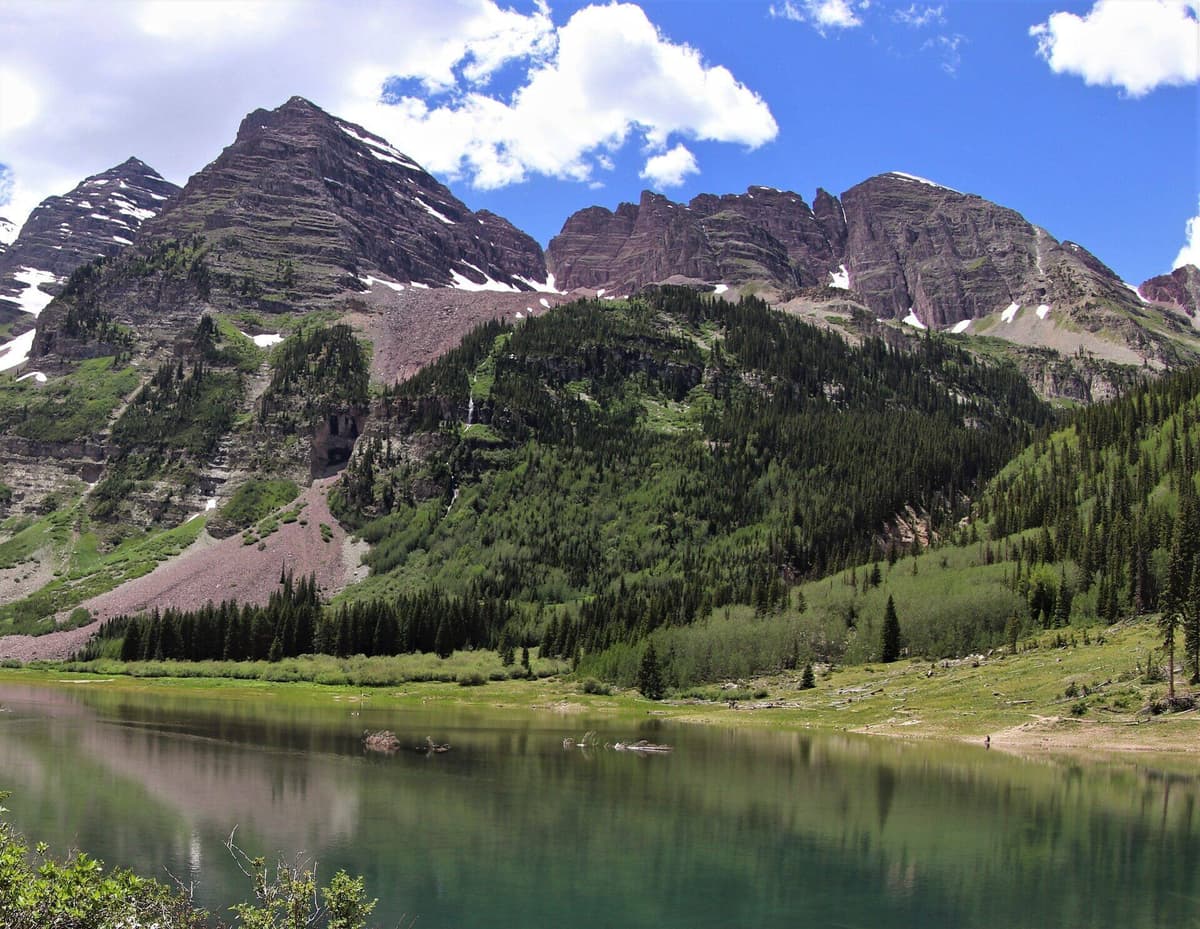
A packable puffy is the layer you carry for summit breaks and surprise storm waits.
Rain Shells and Wind Layers
This is the layer Colorado hikers skip and regret. Afternoon thunderstorms build fast from June through August, and being above treeline in a downpour without a shell is genuinely dangerous, both from cold and from lightning exposure while you scramble down.
A rain shell should be waterproof, breathable, and light enough that carrying it costs you nothing. Look for pit zips to vent heat on climbs and a hood that fits over a hat. You don't need a $500 jacket; a solid women's waterproof rain jacket in the $80 to $150 range handles typical Colorado storms. Our rain jacket guide breaks down membranes and breathability.
A wind shirt is the underrated bonus layer. It weighs a couple of ounces, blocks the wind that cuts through fleece on exposed ridges, and breathes better than a rain shell for dry-but-windy days. If you hike a lot of high country, a women's wind shirt earns its spot.
A packable rain shell weighs a few ounces and is the layer Colorado hikers regret skipping.
Socks, Sports Bras, and the Small Stuff
The details decide whether you finish the hike smiling or limping.
- Socks: Merino wool hiking socks prevent blisters, manage moisture, and last for years. Never wear cotton socks hiking. See our hiking socks guide, then grab women's merino hiking socks.
- Sports bra: Pick a moisture-wicking band over cotton, and watch for chafe points under pack straps. A women's high-impact sports bra with flat seams keeps long days comfortable.
- Sun hat: A wide brim shades your face and neck where altitude sun is harshest. A women's wide-brim hiking hat packs flat in a side pocket.
- Gloves and beanie: Even in summer, a thin pair of liner gloves and a light beanie weigh nothing and save a cold morning above treeline. Toss in lightweight liner gloves.
- Buff or neck gaiter: Sun protection, dust filter, and warmth in one tiny piece of fabric.
None of these costs much, and together they're the difference between a good day and a long, cold slog.
What to Wear Hiking in Colorado by Season
Colorado hiking splits into rough seasons, and your women's hiking apparel shifts with each one. Here's a starting kit for each.
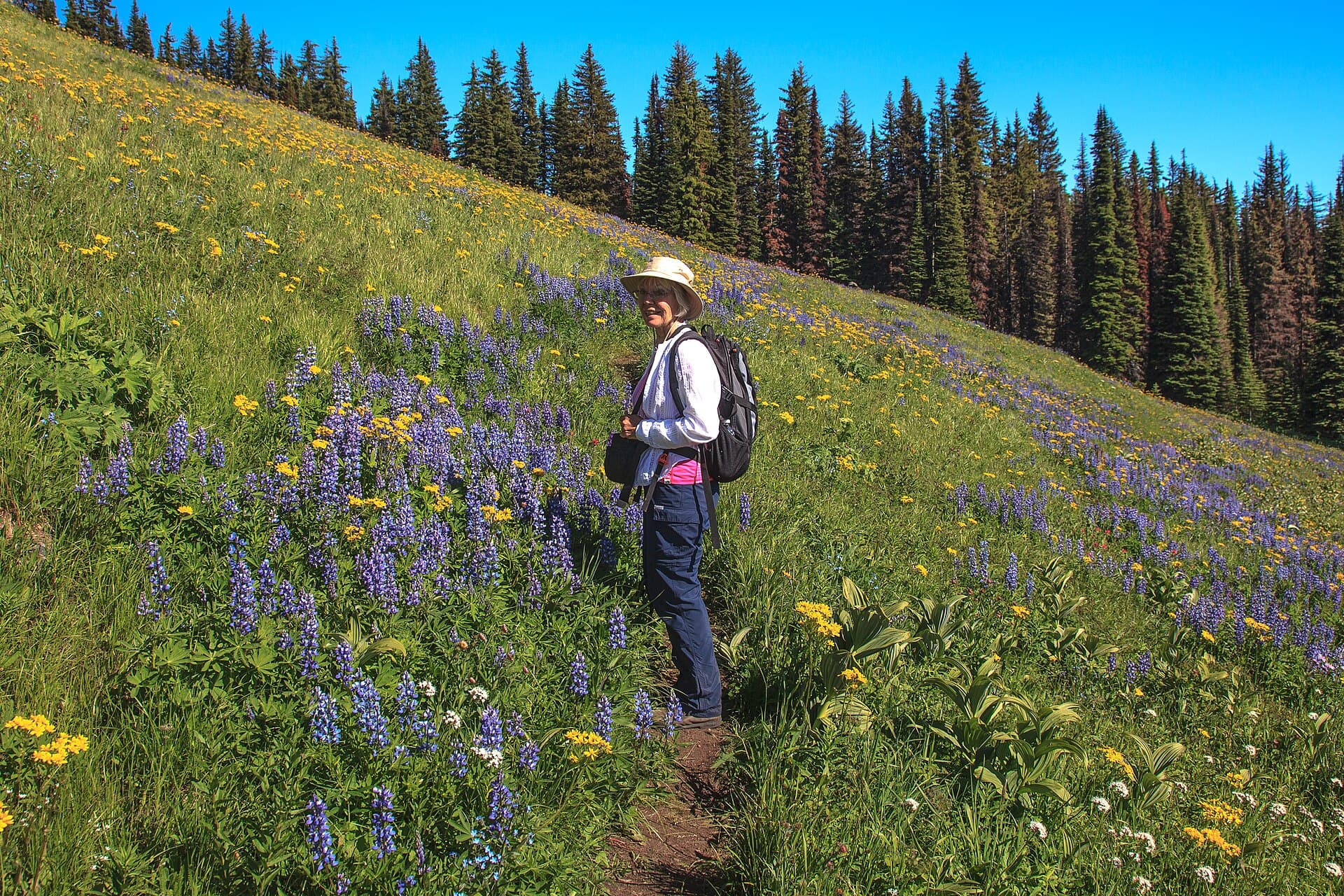
Summer (June to August): Sun hoodie or quick-dry tee, hiking pants or leggings, merino socks, sun hat. In your pack: rain shell and a light puffy, always. Mornings above 10,000 feet start cold, so a long-sleeve base layer earns its space.
Fall (September to October): This is prime hiking season with golden aspens and fewer storms. Add a midweight base layer and your grid fleece to the summer kit. Days are warm; mornings and shade are cold. A beanie and gloves live in the pack.
Winter (November to March): Layering goes serious. Merino base top and bottom, fleece mid layer, a warmer insulated jacket, and a hardshell. Add insulated gloves, a warm hat, gaiters, and traction like microspikes. Cotton anywhere is a no.
Spring (April to May): The trickiest season, swinging from snow to mud to sun in hours. Treat it like fall with extra waterproofing and a willingness to turn around when snowmelt makes creek crossings sketchy. Waterproof boots and gaiters keep your feet dry.
For where to put all this gear to use, see our roundup of the 8 best Colorado hiking trails and the best day hikes near Denver.
Frequently Asked Questions
What should a woman wear hiking in Colorado?
Layer it. Start with a merino or synthetic base layer (never cotton), add quick-dry hiking pants or leggings, and carry a fleece, a light puffy, and a waterproof rain shell. Top it off with merino socks, a sun hat, and sunscreen. The layers let you adjust as temperatures swing 30 or more degrees in a single day.
Are leggings or hiking pants better for women?
Both work, and it comes down to preference. Leggings move freely, dry fast, and feel less restrictive on steep climbs, but offer less protection from brush and abrasion. Hiking pants shield your legs better, carry more in their pockets, and handle scrambling. Pick outdoor-specific versions of either, not cotton athleisure.
What is the no-cotton rule for hiking?
Cotton absorbs sweat and rain, stops insulating once wet, and dries very slowly. At Colorado altitudes, a wet cotton layer can pull heat from your body fast enough to cause hypothermia even in summer. Choose merino wool or synthetic fabrics for everything that touches your skin, including socks and underwear.
How much does a women's hiking apparel setup cost?
A solid three-season kit runs roughly $250 to $400: about $60 for a base layer, $70 for hiking pants, $90 for a rain shell, $80 for a fleece or puffy, and $40 for socks and accessories. Buy quality base layers, socks, and a rain shell first, since those matter most, and add the rest over time.
Do I really need a rain jacket on a sunny day?
Yes. Colorado afternoon thunderstorms build quickly from June through August, often from a clear morning sky. A packable rain shell weighs a few ounces and protects you from cold, wet conditions and the dangerous chill that follows a storm above treeline. It's the one layer most hikers regret leaving behind.
Build your kit from the skin out, prioritize the base layer, socks, and rain shell, and add insulation as the season demands. Once your clothing is dialed, point it at the right trail with our Colorado hiking beginner's guide.
Get the Colorado 14er Packing Checklist (free PDF)
Plus a weekly note on the best Colorado trails, gear deals, and seasonal hike picks. No spam, unsubscribe anytime.
We respect your inbox. Unsubscribe anytime.