Best Hiking Gloves for Colorado in 2026
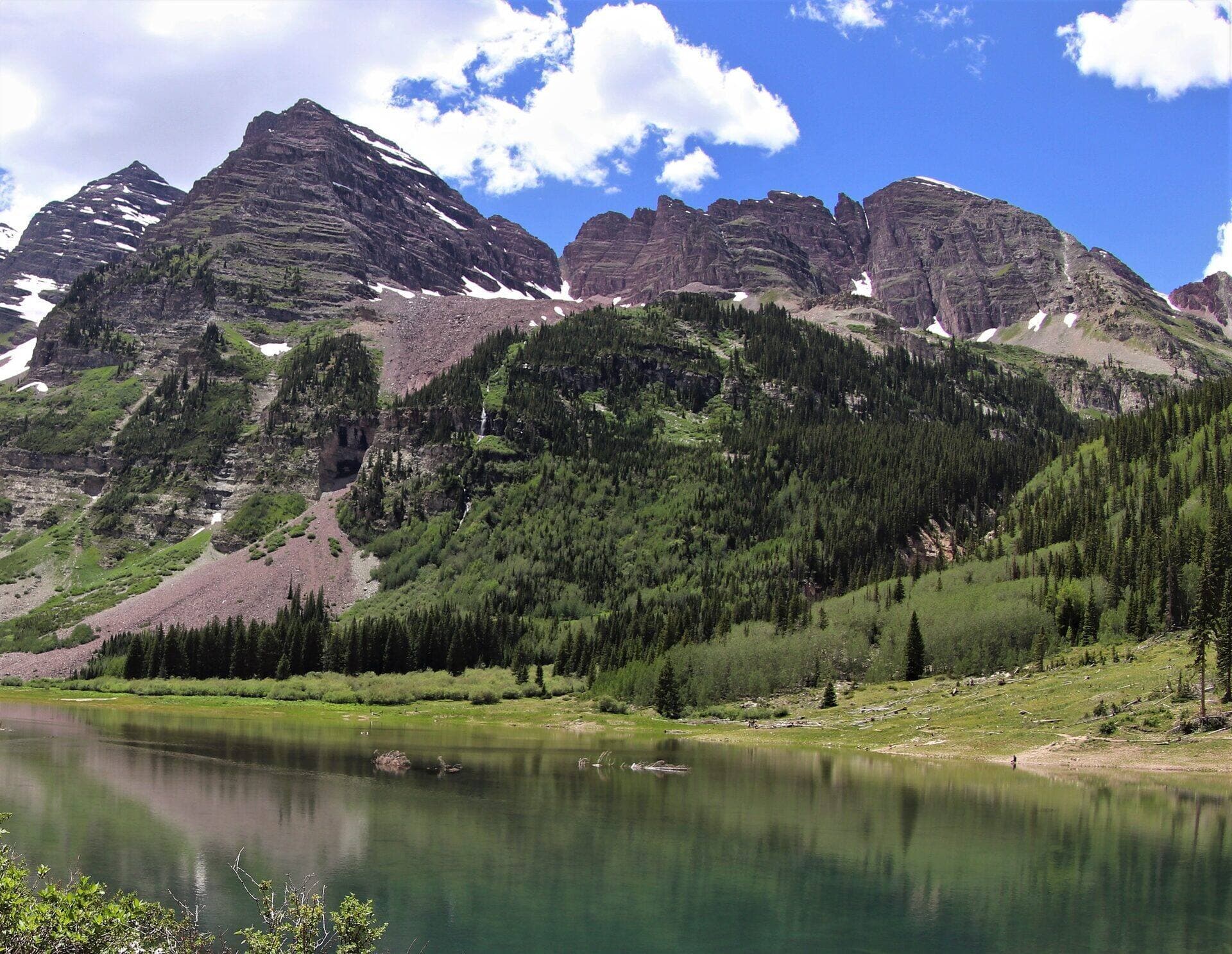
Hands get cold first. Even in summer Colorado, a 14er summit at 6 AM can be 25-35°F with wind chill. By the time you notice your fingers are numb, your dexterity is gone, trying to manage a zipper, get out a snack, or check your phone becomes a 30-second operation. A 1.8-ounce pair of gloves in your pack solves this completely.
Most Colorado hikers need exactly one pair of lightweight 3-season gloves. Cold-weather hikers and winter activities need a heavier insulated pair on top. Here are the four picks that cover every realistic Colorado use case.
Quick pick — hiking gloves for Colorado
| Product | Best for | Price | Weight | Spec | |
|---|---|---|---|---|---|
Black Diamond Lightweight Wooltech Our pick | All-around 3-season hiking + touchscreen | $45 | 1.8 oz/pair | Merino wool blend, touchscreen-compatible | Check price → |
Outdoor Research Vigor Lightweight Sensor | Trail running + cool conditions | $45 | 1.4 oz/pair | Synthetic, touchscreen | Check price → |
Black Diamond Guide Glove | Cold-weather climbing + ski tour | $165 | 10 oz/pair | Goat leather + PrimaLoft insulation | Check price → |
Outdoor Research Stormtracker Sensor Gloves | Wet weather + windproof | $79 | 3.0 oz/pair | Windproof softshell, touchscreen | Check price → |
Prices and availability change. As an Amazon Associate, we earn from qualifying purchases.
What You'll Learn
- Why hiking gloves matter even in summer
- Best Overall: Black Diamond Lightweight Wooltech
- Best for Trail Running: OR Vigor Lightweight Sensor
- Best for Wet Weather: OR Stormtracker Sensor
- Best for Winter: Black Diamond Guide Glove
- Glove layering for cold weather
- Touchscreen compatibility
Why hiking gloves matter even in summer
Three scenarios where you need gloves regardless of season:
Alpine starts. Any pre-dawn start on a 14er, RMNP destination, or Indian Peaks summit puts you at altitude where temperatures are 20-30°F colder than the lower trailhead. Standing at the parking lot at 4:30 AM in summer can be 30°F.
Summit conditions. Above 12,000 feet, even on a sunny July day, summit temperatures with wind can be 40-50°F. Your hands cool fast because they're at the periphery of circulation. Gloves let you stay on the summit longer for photos and food.
Shoulder season hiking. April-May and October-November Colorado hiking starts cold and warms up. Without gloves for the first hour, you're miserable.
For most hikers, a single pair of lightweight 3-season gloves covers 90% of conditions. Add a heavier insulated pair for actual winter hiking and high-altitude alpine work.
Best Overall: Black Diamond Lightweight Wooltech
The Black Diamond Lightweight Wooltech is the default Colorado hiking glove. Merino wool blend with synthetic reinforcement at the high-wear zones (palm and fingertips). Touchscreen-compatible fingertips. Snug fit, real warmth, real durability.
At $45 these are at the lower end of premium hiking gloves but the construction is closer to $80-100 alpine climbing gloves. The merino content makes them work without being clammy, the synthetic reinforcement makes them last, the touchscreen tips actually work (most touchscreen gloves don't).
What you give up: Not waterproof. The merino content makes them less durable than full-synthetic alternatives. Expect 2-3 seasons of heavy use before pilling. For most hikers, this is the right tradeoff.
Best for: All-around hiking, alpine starts, casual cold-weather walking.
Weight: about 2 oz/pair. Material: Merino + synthetic blend.
Check Black Diamond Lightweight Wooltech on Amazon
Best for Trail Running: OR Vigor Lightweight Sensor
For trail running and high-output activities, the Outdoor Research Vigor Lightweight Sensor is lighter, drier, and more wicking than the Black Diamond. Full synthetic construction. Touchscreen-compatible.
At 1.4 oz/pair these are 0.4 oz lighter than the BD Wooltech. The synthetic fabric dries faster (useful for sweaty runs in cool weather), but loses some of the warmth-per-weight you get from merino.
For year-round trail runners and hikers who run their hands warm, the OR Vigor is the right call. For typical hiking, the BD Wooltech edges it out.
Best for: Trail running, high-output activities, runners' hands.
Weight: 1.4 oz/pair. Material: Synthetic.
Best for Wet Weather: OR Stormtracker Sensor
When Colorado afternoon thunderstorms catch you above treeline, regular hiking gloves get soaked and stop working. The Outdoor Research Stormtracker Sensor is a softshell glove with wind resistance and water resistance. Enough to handle the 20-minute storm cycles common in July and August.
These aren't full waterproof shells (which would be overkill for a typical hike). The softshell fabric handles wind, light precipitation, and the wet conditions that come with cloud cover at high altitude. Touchscreen-compatible.
For dedicated winter hiking or actual snowstorms, these aren't enough. For shoulder season and protected summer hiking, they're the right tool.
Best for: Wet weather hiking, windy summit conditions, shoulder season.
Weight: 3.0 oz/pair. Material: Windproof softshell.
Check OR Stormtracker Sensor on Amazon
Best for Winter: Black Diamond Guide Glove
For dedicated winter hiking, ski touring, ice climbing, or cold-weather alpine work, you need real insulated gloves. The Black Diamond Guide Glove is the standard for Colorado backcountry winter use: goat leather palm, PrimaLoft insulation, leather binding around the cuff.
These are seriously warm. Comfortable to 0°F with hand warmers, 15°F without. The goat leather palm provides grip for ice tools, trekking poles, and rope handling. Not touchscreen-compatible (real winter mitts and gloves never are).
These cost around $190 MSRP, which is real money. For dedicated winter activities, they're worth it. For occasional cold-weather hiking, layered glove systems (see below) are cheaper.
Best for: Winter mountaineering, ski touring, ice climbing, alpine work.
Weight: about 11.5 oz/pair (medium). Insulation: 170g PrimaLoft Gold + goat leather palm.
Check Black Diamond Guide Glove on Amazon
Glove layering for cold weather
For most cold-weather Colorado hiking, a layered glove system is cheaper and more flexible than dedicated winter gloves:
- Liner glove: Black Diamond Lightweight Wooltech (or similar merino). Worn inside the outer glove for added warmth.
- Outer glove or mitten: Insulated softshell glove or a synthetic mitten over the liner.
- Hand warmers: Disposable HotHands tucked between the liner and outer.
This system handles 0°F-25°F conditions with 8-hour warmth. Costs about $80 total vs $165 for dedicated winter gloves. Trade-off: less dexterity than purpose-built gloves.
For 30°F+ conditions, the liner alone is usually enough.
Touchscreen compatibility
Three of the four gloves above are touchscreen-compatible. The Black Diamond Guide Glove is not. At winter temperatures, you'd remove insulated gloves to use a phone anyway.
How touchscreen-compatible gloves work: the fingertip and sometimes thumb pads have conductive threads woven in. They register touches on capacitive screens (iPhone, modern Android). Older resistive screens may not work.
Quality varies. The Black Diamond Wooltech and OR Vigor work reliably. Cheaper "touchscreen" gloves often require multiple taps or fail in cold conditions.
Final Verdict
Buy the Black Diamond Lightweight Wooltech for 90% of Colorado hiking. The default.
Buy the OR Vigor Lightweight Sensor for trail running or hot-handed users.
Buy the OR Stormtracker Sensor for wet weather shoulder-season use.
Buy the Black Diamond Guide Glove for dedicated winter mountaineering and ice climbing.
For the full cold-weather setup, see our winter hiking beginner's guide, microspikes guide, and base layer guide.
Get the Colorado 14er Packing Checklist (free PDF)
Plus a weekly note on the best Colorado trails, gear deals, and seasonal hike picks. No spam, unsubscribe anytime.
We respect your inbox. Unsubscribe anytime.