Red Rocks Amphitheatre: Complete Visitor Guide (Concerts, Hiking, Parking 2026)
Red Rocks Amphitheatre sits in a natural bowl carved between two 300-foot sandstone monoliths in the foothills outside Morrison, Colorado. The two flanking slabs, Ship Rock to the south and Creation Rock to the north, are tilted remnants of the Fountain Formation, the same red sandstone that shows up at Garden of the Gods. Stage Rock sits behind the performers and bounces sound back into the bowl. Touring sound engineers talk about the acoustics here the way climbers talk about granite.
The seating bowl was carved out by hand during the Great Depression by the Civilian Conservation Corps. Crews started work in 1936 and finished in 1941. Today the amphitheatre seats 9,525 and books somewhere between 150 and 200 shows a year, but it sits inside an 868-acre public park owned by the City and County of Denver.
Most first-time visitors think Red Rocks is a concert venue you can only see with a ticket. It's actually a free city park with a concert venue inside it. Outside of event load-in you can walk into the bowl, sit on the bench seats, hike the surrounding trails, and tour the visitor center without paying anything. This guide covers both sides: how to do a concert night well, and how to make the most of a daytime visit.
What you'll learn
- Park basics, hours, and elevation
- How concert parking and arrival actually work
- Concert-night logistics, food, and rideshare zones
- Trading Post Trail and the Geologic Overlook
- Yoga on the Rocks, Film on the Rocks, Easter Sunrise
- Visitor Center and the Performers Hall of Fame
- What to bring for shows and for hiking
- FAQs
Park basics
Red Rocks Park is 15 miles west of downtown Denver, just off I-70 at exit 259 in Morrison. The amphitheatre sits at roughly 6,450 feet, about 1,200 feet higher than downtown Denver. That bump in elevation is enough to notice if you flew in that morning or you're already feeling the altitude. Bring water and take it slow if you're climbing stairs.
The park is free for daytime visitors and is generally open from one hour before sunrise to one hour after sunset, with the amphitheatre itself accessible whenever an event isn't being prepped or torn down. On concert days the amphitheatre and most of the upper parking close to non-ticketed visitors by mid-afternoon, usually around 2 PM, so daytime explorers should plan around the event calendar.
John Brisben Walker bought the property in 1906 and staged early concerts on a temporary platform. He sold it to Denver in 1928 for $54,133 with the agreement that the city would build a proper amphitheatre. The CCC started construction in 1936 and Red Rocks opened to the public in the summer of 1941.
Concerts: what to know before you buy a ticket
Almost every seat is a wooden bench. There are no individual chairs except a small number of reserved sections at the very back. Most rows seat around 30 people. If you're going with a group, buy seats together and arrive together, because rows fill in from both ends.
Row numbers start at 1 at the stage and run to 70 at the top. Rows 1 through 22 are the orchestra section, rows 23 through 45 are mid-bowl with the best balance of sound and view, and rows 46 through 70 are the upper bowl where the sunset views over the plains shine. There are no bad seats acoustically. The natural sound bowl puts the same audio at row 70 as at row 5.
The parking lot you use depends on your ticket and how much walking you want. Upper North and Upper South sit at the level of the top of the amphitheatre, so you walk down into the bowl. Lower North and Lower South sit below the amphitheatre, meaning you walk up. Upper lots fill first because the descent in is easier than the climb out after the show. Overflow lots open when the upper lots fill, usually 60 to 75 minutes before gates open on big shows.
Weather is a real factor. Shows go on in rain, wind, and even snow. The only thing that pauses or cancels a show is lightning in the immediate area. Pack a rain layer (umbrellas are not allowed) and bring warm layers since the temperature can drop 20 degrees after sunset even in July. Allowed items include sealed water bottles, blankets, small soft-sided coolers for non-alcoholic drinks at most shows, and small cameras. Banned items include outside alcohol, glass, professional cameras, and large bags. ADA seating sits in the middle rows on both sides and is reached by an elevator from the upper parking area; request it when you buy your ticket.
Concert-night logistics
Gates open 90 minutes before showtime. The sweet spot for arrival is two hours before doors, which gives you time to park, walk in, eat at the Ship Rock Grille or one of the food trucks, and find your seat without rushing. Show up 30 minutes before the opener and you'll spend half the first set in the parking lot.
Food on-site comes from two main sources. The Ship Rock Grille at the top of the bowl serves sit-down food and drinks with a view over the plains; reservations help in summer. Food trucks rotate at the upper plaza with shorter lines if you time them right. Inside the bowl, concession stands sell beer, wine, water, and snacks at venue prices.
Rideshare pickup and drop-off use a dedicated zone on Trading Post Road below the venue. After a show, expect a 20 to 40 minute wait for an Uber or Lyft. If you're driving, the trick to a faster exit is parking in a lower lot and walking up: lower lots clear 20 to 30 minutes faster than the upper lots.
Daytime visits: hiking the trails
The signature daytime walk is the Trading Post Trail, a 1.4-mile loop with about 250 feet of elevation gain. It starts at the Trading Post building below the amphitheatre and winds past the major rock formations, including a close-up of Cave Rock and the gap between Ship Rock and Creation Rock. Moderate grade, a few short stair sections, and the views back toward the amphitheatre are the postcard ones. Plan 45 minutes to an hour. Fine for kids old enough to handle uneven ground.
The Red Rocks Geologic Overlook Trail is shorter, about 0.5 miles round trip, and climbs to a viewpoint above the amphitheatre. The trailhead sits near the top of the Upper South lot. Best short walk if you only have 30 minutes.
Both trails connect into the Matthews/Winters Park trail network across CO-93, which adds another 7 miles of singletrack. The Red Rocks Trail proper runs north out of Matthews/Winters and rejoins the park near the lower entrance for a 6-mile loop.
For a workout instead of a hike, the amphitheatre steps are a Denver fitness tradition. There are 138 stairs from stage to top, and on most mornings you'll see runners doing repeats and yoga groups working out on the benches. Yield to event setup if crews are working.
Yoga, Film on the Rocks, and Easter Sunrise
The non-concert events at Red Rocks are some of the most distinctive things you can do in Colorado.
Yoga on the Rocks runs Saturday mornings from June through August, with two sessions around 7 AM and 9 AM. Tickets are about $23, capacity is 2,500 per session, and popular weekends sell out within hours of release. Bring your own mat. You do a vinyasa flow facing the stage with the sandstone monoliths framing the view, and it's worth the early alarm. Tickets usually drop in April.
Film on the Rocks is a summer movie series, typically Monday or Tuesday nights, with a local band playing a short opener before the film starts at dusk. Tickets run $25 to $30. The lineup leans toward crowd-pleasers like The Goonies, Top Gun, and recent blockbusters. People bring blankets and picnics (no glass, no outside alcohol). It's a good entry point if you don't want concert-ticket prices.
Easter Sunrise Service is a Red Rocks tradition going back to 1947. It's free, non-denominational Christian, and draws around 10,000 people to the bowl before dawn on Easter Sunday. Gates open around 4:30 AM. Even if you're not religious, the sight of a packed amphitheatre at sunrise is worth seeing once. Bring layers; April mornings at 6,450 feet are cold.
Visitor Center and Performers Hall of Fame
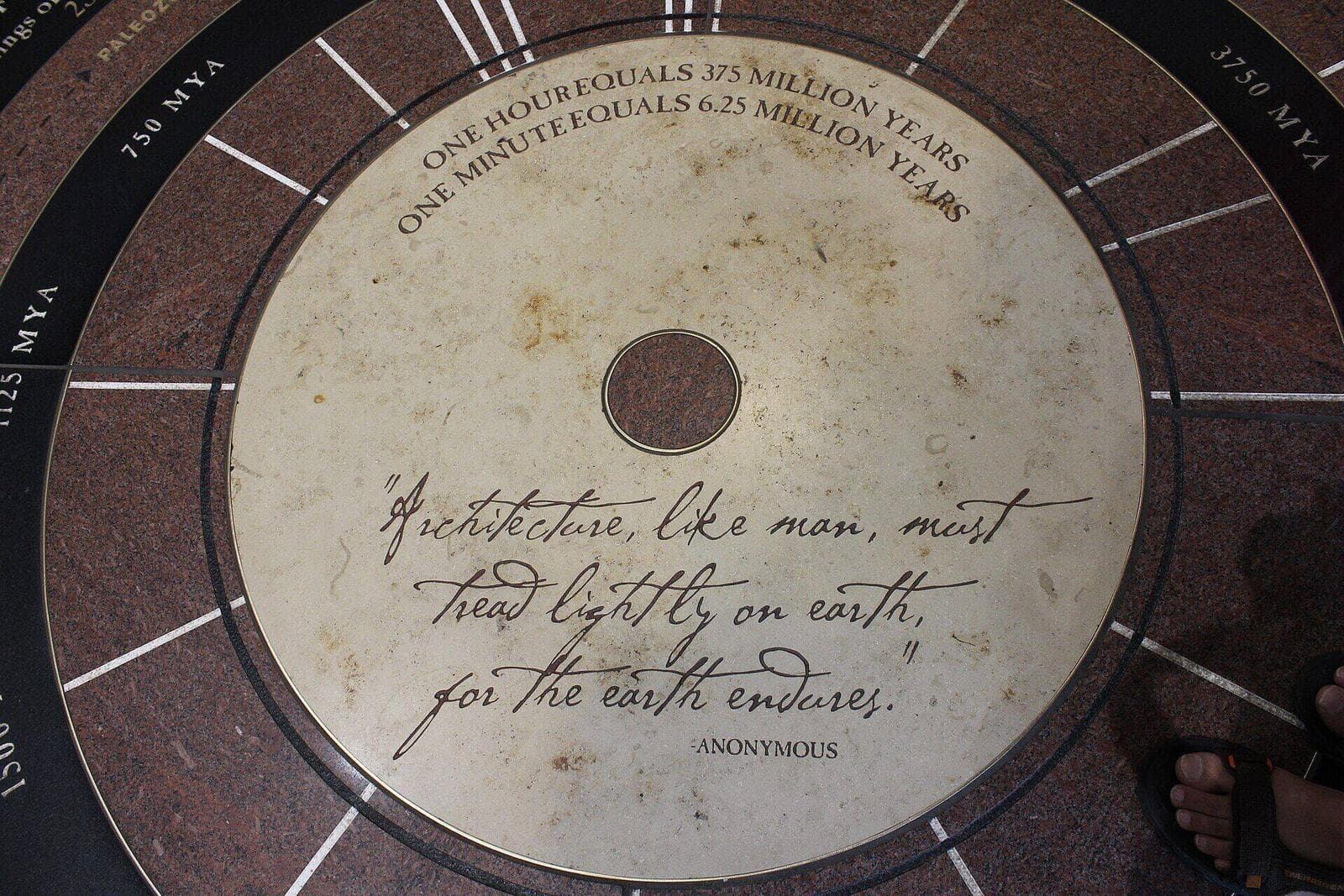
The Visitor Center sits beneath the south side of the amphitheatre and is included with the free park admission. Summer hours run 8 AM to 7 PM, winter hours 9 AM to 5 PM. Inside is a small museum covering the geology, construction, and cultural history of the site. Worth 30 minutes.
The Performers Hall of Fame takes up the back half and lists every artist who has played a sold-out show. You'll find the 1964 Beatles wall, the Grateful Dead's run of shows, U2's filming of Under a Blood Red Sky in 1983, and current acts like Phish and the Avett Brothers.
The Ship Rock Grille sits next door, open to the public for lunch with a back patio overlooking the same view the upper bowl audience gets at night. Good stop after the Trading Post Trail.
What to bring
For concerts:
- A photo ID (required if you're buying alcohol)
- Layers, including a rain shell. Mountain weather changes fast
- A sealed water bottle. Refill stations are free inside
- A blanket or seat cushion. The bench seats are sandstone-cold by 9 PM
- A small bag (no larger than 14 x 14 x 6 inches)
- Cash or card for food and merch
- Comfortable shoes. You'll walk on uneven stairs
For hiking and daytime visits:
- A liter of water per person, more in summer
- Sun protection: hat, sunscreen, sunglasses
- A wind layer. The bowl is exposed
- Sturdy shoes. Trails are rocky in spots
- A trail map if you plan to extend into Matthews/Winters
If you're new to Colorado, read our altitude guide before you go. Red Rocks itself is mild at 6,450 feet, but visitors heading on to higher trails should know the symptoms.
FAQs
Is Red Rocks Amphitheatre free to visit?
Yes. Red Rocks Park is free for daytime visitors. You can walk into the amphitheatre, hike the trails, and tour the Visitor Center without paying anything as long as no event is being set up. Concerts, Yoga on the Rocks, and Film on the Rocks all require separate paid tickets.
What's the closest hotel to Red Rocks?
The Cliff House Lodge in downtown Morrison is the closest, about 5 minutes from the park. Several chain hotels sit along the I-70 corridor in Golden and Lakewood within 15 minutes. For a Denver base, the closest reasonable options are in the Lakewood and Wheat Ridge area, about 20 to 25 minutes away.
Can you hike Red Rocks year-round?
Yes. Park trails are open in all seasons. Winter brings occasional snow and ice on the Trading Post Trail, especially in the shaded sections between the monoliths, so traction devices are smart from December through March. Spring and fall are the best hiking seasons for cool temps and clear air. Summer afternoons get hot on the exposed sandstone, so go in the morning.
What's the elevation at Red Rocks?
The amphitheatre itself sits at about 6,450 feet. The Trading Post Trail tops out around 6,500 feet. That's roughly 1,200 feet higher than downtown Denver. Visitors arriving from sea level should drink extra water and take stairs slowly the first day.
Is parking free?
Free for daytime visitors at the park. For concerts, the official Red Rocks lots are also free with a valid event ticket. Some private off-site lots in Morrison charge $20 to $40 and run shuttles to the venue. Save the money and use the free lots unless they're full.
What's the best time to visit?
For daytime hiking and exploring, weekday mornings outside of event days are the quietest. Check the concert calendar before driving out, because the park closes to non-ticketed visitors by mid-afternoon on event days. For first-time concert-goers, late May or early June shows hit the sweet spot of long daylight, warm evenings, and a manageable mosquito count.
Can I bring my dog?
Yes, on the park trails, but they have to be leashed. Dogs are not allowed in the amphitheatre, the Visitor Center, or at any ticketed event.
Plan the rest of your trip
Red Rocks pairs well with a longer day out of Denver. The best day hikes near Denver guide covers more foothills options within an hour's drive, like Mount Falcon and North Table Mountain, both good follow-ons after a morning at Red Rocks. For a bigger Colorado itinerary, the eight best Colorado hiking trails post hits the headline routes statewide, and the hikes near Denver city page maps out trails by drive time.
Red Rocks lives up to the hype. Go for a show if you can. Go for a sunrise walk on the Trading Post Trail if you can't. Either way, it's worth the drive out of the city.
Get the Colorado 14er Packing Checklist (free PDF)
Plus a weekly note on the best Colorado trails, gear deals, and seasonal hike picks. No spam, unsubscribe anytime.
We respect your inbox. Unsubscribe anytime.