Radium Hot Springs, Colorado: A Wild Riverside Soak Near Kremmling
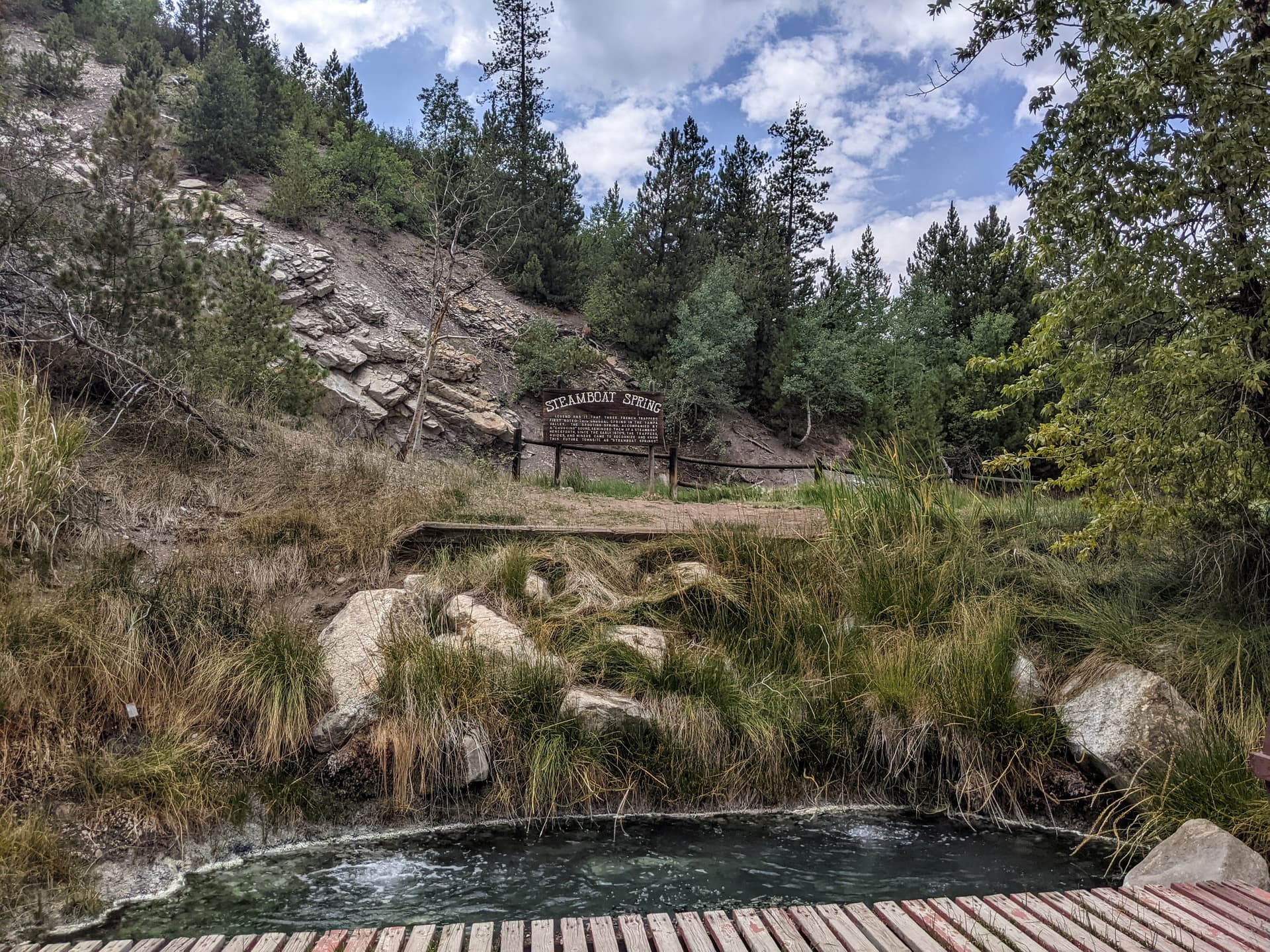
Radium Hot Springs is a free, undeveloped soaking pool set against a canyon wall on the Colorado River, about halfway between Kremmling and State Bridge in Grand County. There's one small rock-lined pool with a sandy bottom, and a warm (not scalding) soak with the river running a few feet away. No entrance gate, no attendant, no changing room. You park on public land, walk a short trail along the canyon rim, then scramble down a steep chute of rock to reach the water. The payoff is one of the more scenic wild soaks in the state. The catch is that getting there takes a rough dirt-road drive and a bit of hands-on downclimbing, and the water sits closer to bath-warm than hot.
If you only pack one thing for this trip, make it footwear you can scramble and wade in. The trail down is rocky, the pool bottom is sand and gravel, and river cobbles are slick. A pair of water shoes or river sandals with real grip beats flip-flops or bare feet by a mile. More on the full packing list further down.
What You'll Learn
- Quick facts at a glance
- Where Radium Hot Springs is
- How to get there
- The hike and scramble down to the pool
- How hot is the water, really
- Cliff jumping and the Colorado River
- Camping at Radium
- Best time to visit
- What to bring
- How Radium compares to other Colorado hot springs
- Know before you go
- Frequently asked questions
Quick facts at a glance
| Detail | Info |
|---|---|
| Location | Colorado River canyon between Kremmling and State Bridge, Grand County |
| Elevation | About 6,800 feet |
| Cost | Free |
| Managed by | Bureau of Land Management, Radium Recreation Area |
| The pool | One primitive rock pool, roughly 10 by 18 feet, about 2 feet deep |
| Water temperature | Source near 97°F; the pool usually soaks in the low 80s to mid 90s |
| Access | Short rim trail, then a steep scramble down a rock chimney, or by raft |
| Facilities | None. No restrooms at the pool, no changing rooms, no drinking water |
| Camping | Free dispersed sites and Mugrage Campground nearby |
| Best season | Summer and early fall, once spring runoff drops |
| Cell service | Spotty to none. Download directions before you go |
Where Radium Hot Springs is
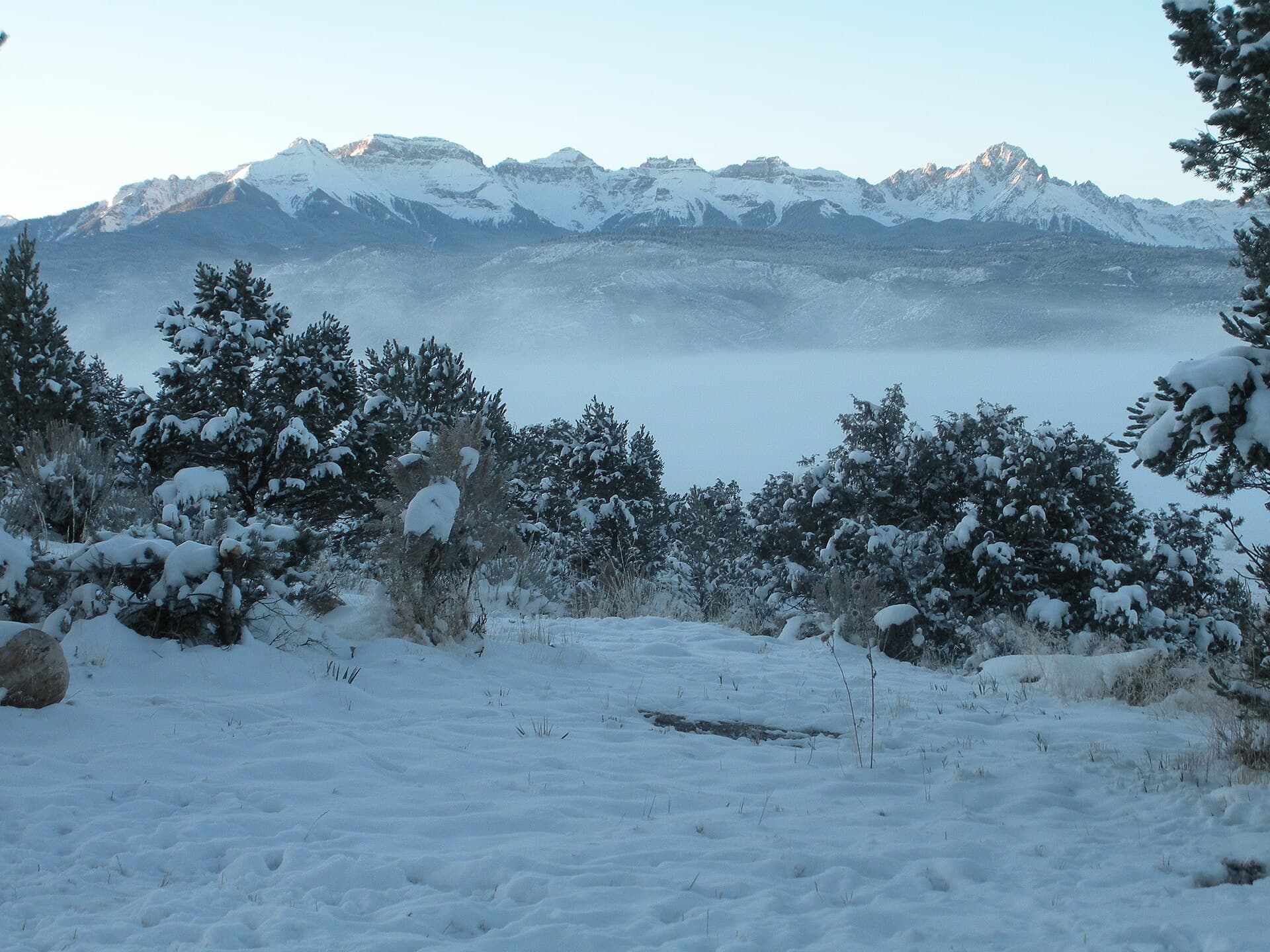
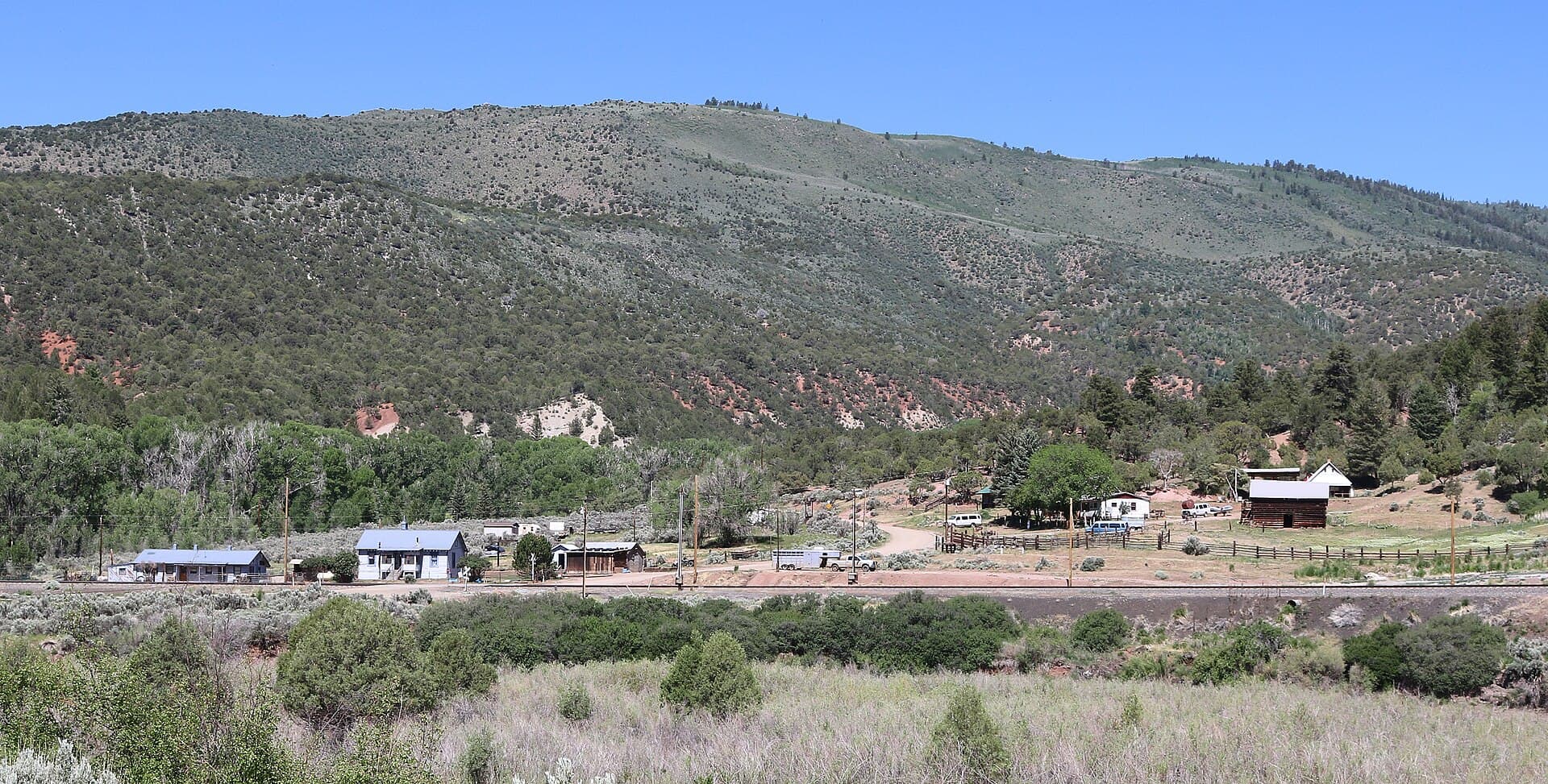
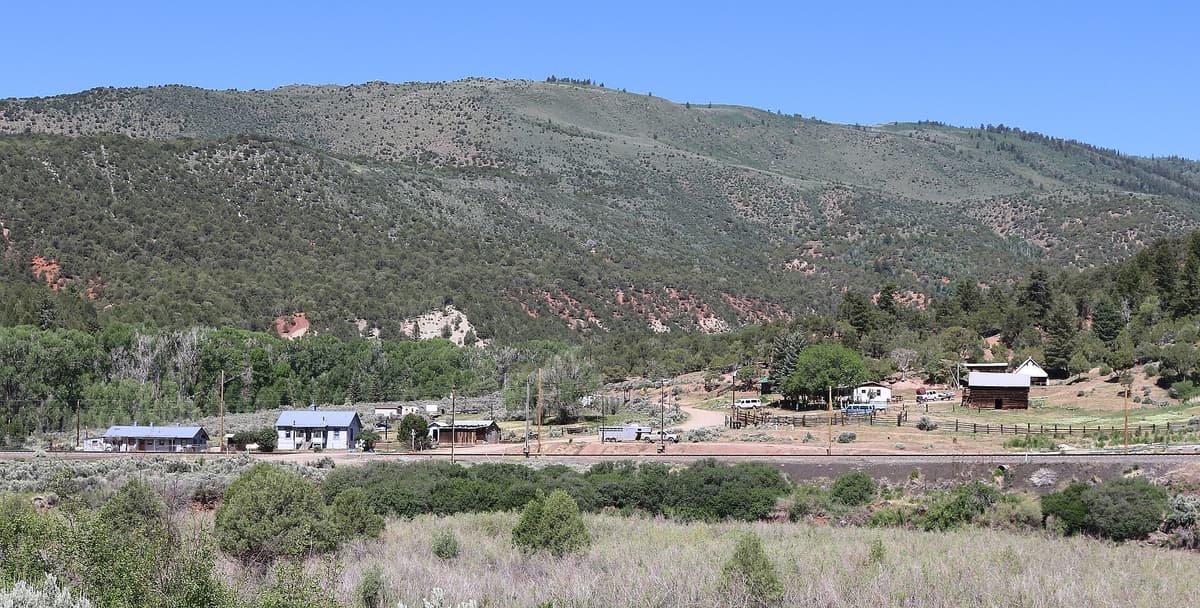
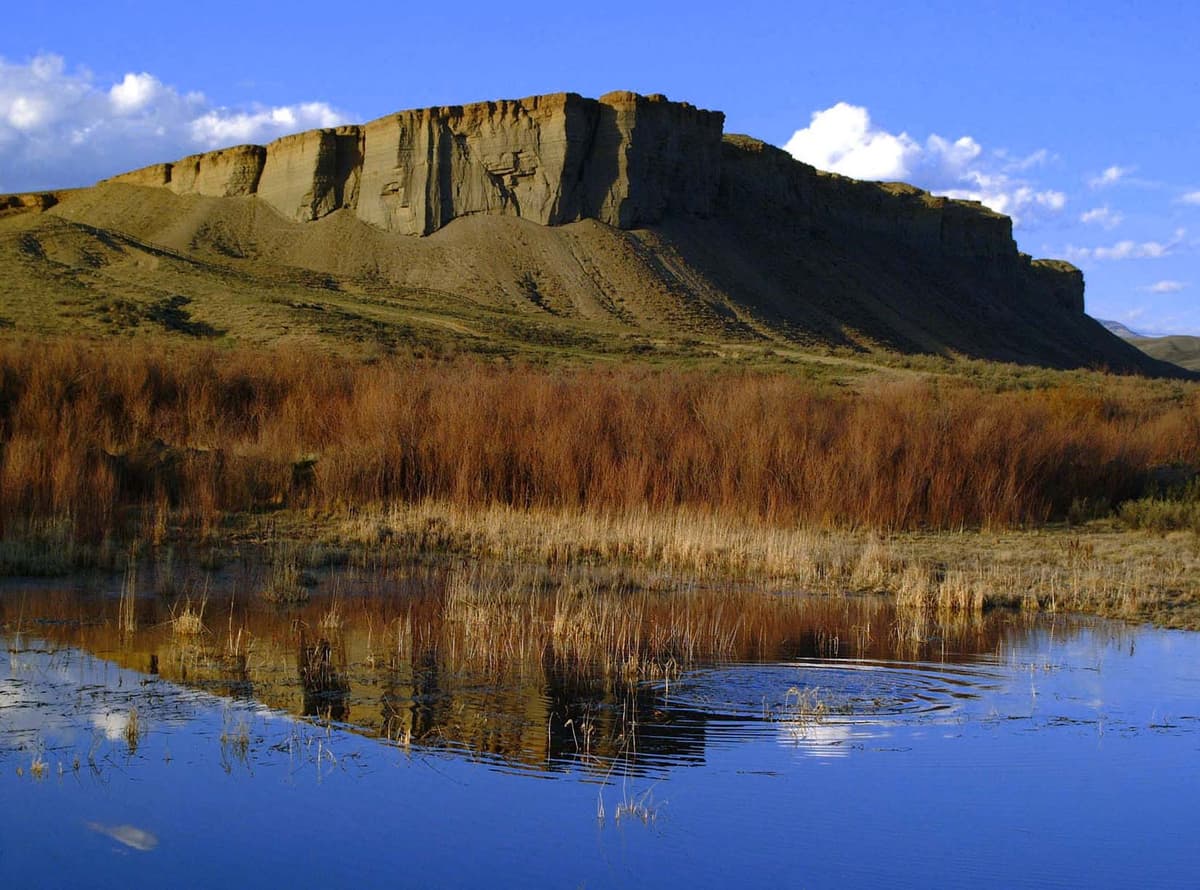
Radium sits in a stretch of high desert canyon where the Colorado River runs between Kremmling and the tiny outpost of State Bridge. This is Grand County, west of the headwaters resorts and east of the Glenwood corridor, and the country here looks more like sagebrush and red rock than alpine forest. The pool itself is built onto a rock outcrop partway up the canyon wall, right at the river's edge, at about 6,800 feet.
The name comes from the old settlement of Radium nearby, which picked up the label during the early 1900s, back when prospectors were chasing radium and uranium ore in this part of the state. The mining faded a long time ago. What's left is a scattering of ranches, a river popular with rafters, and a hot spring that locals have soaked in for generations.
The whole area falls under the Bureau of Land Management's Radium Recreation Area, with the Radium State Wildlife Area next door. That means it's public land, it's free, and it's undeveloped. Nobody is grooming the trail or scrubbing the pool. You take it as you find it and you pack out what you bring in.
How to get there
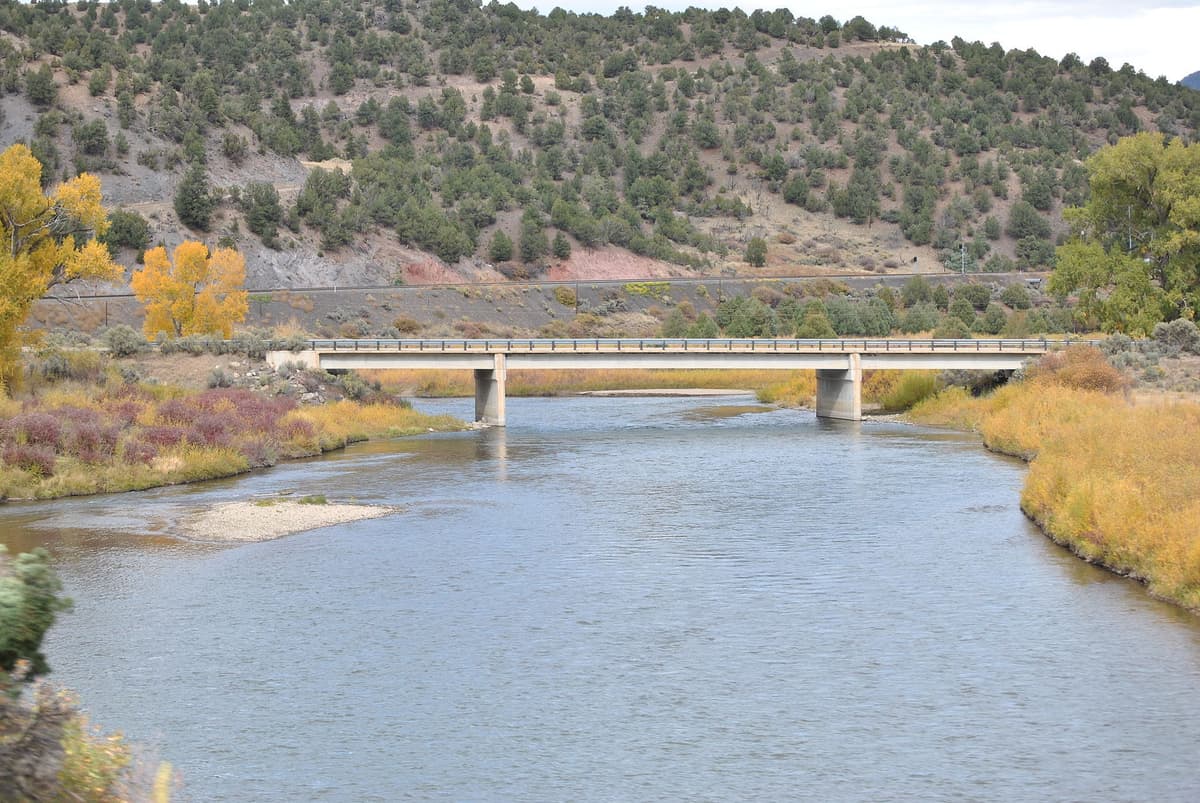
The drive is half the adventure, and it's where most first-timers get tripped up. The springs are roughly 16 miles and 30 minutes from Kremmling, but a good chunk of that is on dirt.
From Kremmling:
- Head south out of town on Colorado Highway 9 for about 2 miles
- Turn right (west) onto Trough Road, also signed as Grand County Road 1
- Follow Trough Road for roughly 12 to 14 miles as it climbs and rolls above the river
- Turn toward Radium on County Road 11 and follow signs for Warm Springs Road down toward the river, where you'll find the parking area and dispersed camping
From Denver, plan on about two and a half to three hours. Most people run I-70 to Silverthorne, then Highway 9 north over the top to Kremmling, and pick up the directions above.
Trough Road is a maintained gravel county road, but maintained gravel is still gravel. It's dusty and washboarded in summer, and it gets greasy and rutted when it's wet. A regular car handles it fine in dry conditions if you take it slow. After rain or snow, or if you're in a low sedan, be honest about your vehicle and your comfort. There's no cell service out here to call for help, so err on the side of caution and take the washboard slow.
The hike and scramble down to the pool
Getting from the parking area to the water is the part people underestimate. From the lot, you pick up the River Rim Trail and walk about a quarter mile along the top of the canyon. That part is easy, a flat dirt path with big views down to the river.
Then the trail drops. To reach the pool, you climb down a steep rock chimney, roughly 50 feet of scrambling on footholds and handholds against the canyon wall. It's not technical climbing, and there's no rope, but it's exposed enough that you'll want both hands free and shoes with grip. Carry your gear in a pack, not in your arms. People with a fear of heights or shaky knees sometimes get to the top of the chute, look down, and decide the soak isn't worth it. That's a fair call.
This is why footwear matters so much here, and why sandals with a heel strap or closed-toe water shoes beat anything loose. The rock is dusty and the holds are polished from years of use. Trekking poles don't help on the downclimb, but a light pair of trekking poles is nice for the rim walk and the climb back out with tired legs.
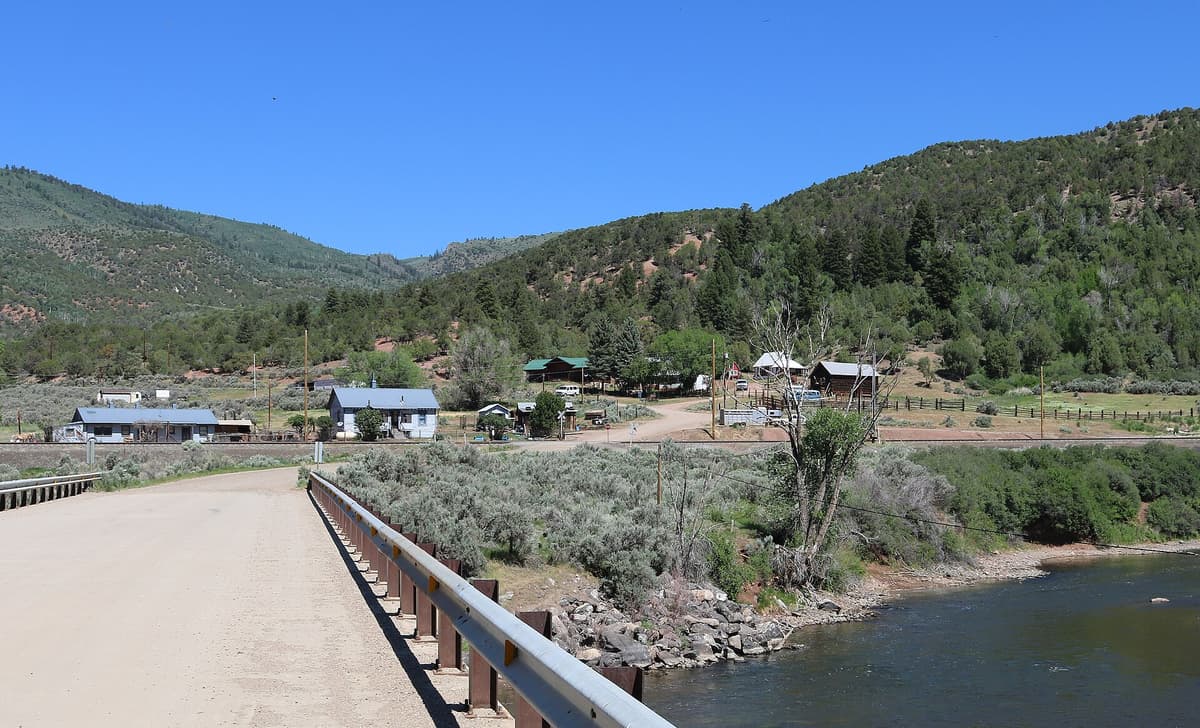
If you'd rather skip the scramble entirely, the other way in is by water. Radium is a well-known stop on the Colorado River float from Pumphouse, and plenty of rafters and tubers pull over, soak, and push on downstream.
How hot is the water, really
Here's the honest answer that saves people from disappointment: Radium is warm, not hot. The spring comes out of the ground somewhere near 97°F, then mixes with the pool and the cool river air. Depending on the season and how high the river is running, the soak usually lands somewhere between the low 80s and mid 90s Fahrenheit.
That's a big difference from a developed resort pool held at a steady 104°F. On a hot July afternoon, low-90s water feels perfect. On a cool fall morning, it can feel more like a lukewarm bath than a hot soak. If you're picturing the steaming, chlorinated pools at a place like Glenwood Hot Springs, reset your expectations. Radium is a wild pool at the mercy of the river next to it.
That river connection cuts both ways. During spring runoff, usually May into June, the Colorado runs high and cold, and it can rise right into the pool and flood it out completely. When that happens, there's nothing to soak in. By midsummer the flow drops, the pool settles back to its warm self, and it stays good through early fall.
Cliff jumping and the Colorado River
Radium has a reputation for cliff jumping. There's a rock face above the river, and on warm weekends you'll see people leaping into the current. It looks like fun in the videos. It's also the most dangerous thing that happens here, and it's worth being blunt about.
The Colorado River isn't a swimming pool. The water is cold, it moves faster than it looks, and the depth and the location of submerged rocks change with the flow. People have been seriously hurt jumping here, including broken bones and worse. There are no lifeguards, no cell signal, and a long, slow evacuation if something goes wrong. If you decide to jump, at least watch where others are entering, never go first into water you haven't checked, and never mix it with alcohol. The safe move is to skip it and enjoy the soak.
If you're floating the river rather than jumping into it, that's a different, mellower story. The stretch through Radium is a popular, friendly rafting and tubing run, and pulling over for a soak mid-float is one of the best ways to see the place.
Camping at Radium
One of the reasons people love Radium is that you can make a night of it. The area has free dispersed camping on BLM land, with sites scattered near the parking area and along the river. There's also Mugrage Campground close by if you want a designated spot. None of it is fancy. Expect fire rings, dirt, and vault toilets at best, so come self-contained.
Because it's dispersed, the usual rules apply: pack out all your trash, camp on already-used bare ground rather than crushing new vegetation, and keep fires small and legal (check for fire bans before you strike a match in summer). A waterproof dry bag keeps your sleeping gear and clothes clean while everything else gets dusty. If you're new to camping without hookups or a campground host, our guide to dispersed camping in Colorado covers how to find legal sites and leave them better than you found them.
Best time to visit
Aim for July through early October. By then the spring runoff has dropped, the pool is reliably soakable, and the dirt road is dry. Late summer weekday mornings are the sweet spot if you want the pool to yourself, because Radium is no secret and it gets busy on warm weekends.
Spring is a gamble. The soak can be flooded out by high water anytime from May into June, and the road is more likely to be muddy. Winter soaking is possible for the hardy, but the road turns sketchy, the scramble ices up, and a lukewarm pool in freezing air is a quick way to get cold. If you want a dependable hot soak in the colder months, a developed spring is the better bet.
What to bring
Radium has no services, so you carry everything in and out. Here's what makes the trip work:
- Water shoes or river sandals. The scramble is rocky and the pool bottom is sand and gravel. A grippy pair of water shoes protects your feet and steadies you on the downclimb.
- A quick-dry towel. There's no changing room and nowhere to hang a wet towel. A quick-dry microfiber towel packs small and dries fast for the climb back up.
- A dry bag. A waterproof dry bag keeps your phone, keys, and dry clothes safe during the scramble and away from river splash.
- Plenty of water. There's no drinking water here, and soaking at altitude dehydrates you faster than you'd think. Bring an insulated water bottle and drink before, during, and after.
- Sun protection. The canyon is open and high. A hat, sunglasses, and sunscreen matter more than you'd guess at 6,800 feet.
- Trash bags. Whatever you carry down, carry back out. That includes the stuff other people left behind if you can manage it.
How Radium compares to other Colorado hot springs
Radium is the wild, free, work-for-it end of the Colorado hot springs spectrum. It's not trying to be a resort, and that's the whole appeal. But it's the wrong pick if you want reliably hot water, a swimsuit-required family scene, or a soak you can drive right up to. A few better-known options fill those gaps.
Glenwood Hot Springs Pool. Big, developed, and right off I-70. Steady hot temperatures, a huge pool, changing rooms, and a slide for the kids. The opposite of Radium in every way, and a good choice for a first hot springs visit.
Strawberry Park Hot Springs. Rustic stone pools at the end of a dirt road near Steamboat, warmer than Radium and better built, but ticketed and clothing-optional after dark. A nice middle ground between wild and developed.
Indian Hot Springs. Thirty-five minutes west of Denver in Idaho Springs, with private geothermal caves and a covered pool. Easy to reach for a quick day trip when you don't want a two-hour drive on gravel.
For the full rundown of soaks across the state, including other dispersed spots, see our best hot springs in Colorado guide.
Know before you go
A few things trip people up at Radium more than anywhere else:
- The water is warm, not hot. Set your expectations at bath-warm and you won't be let down.
- The scramble is real. If steep, exposed downclimbing isn't your thing, this may not be your spot. There's no easy path to the pool.
- Runoff can erase the pool. In May and June, high water can flood the soak entirely. Check river flows before making the drive.
- There's no cell service. Download your directions and let someone know your plan.
- Soaking at altitude dehydrates you. Hot water at nearly 7,000 feet pulls fluid fast. If you feel lightheaded, get out and hydrate. Our altitude sickness guide covers the warning signs.
- Pack it in, pack it out. This place stays good only because people take their trash home. Be one of them.
Frequently asked questions
How hot is Radium Hot Springs?
Radium is warm rather than hot. The source water is near 97°F, but it mixes with the pool and cool air, so the soak usually sits in the low 80s to mid 90s Fahrenheit depending on the season and river level. It's noticeably cooler than a developed resort pool held at 104°F.
Is Radium Hot Springs free?
Yes. Radium sits on Bureau of Land Management public land, and there's no fee to soak or to use the free dispersed camping nearby. There are also no services, no restrooms at the pool, and no drinking water, so come prepared and pack out your trash.
How do you get down to the pool?
From the parking area you walk about a quarter mile along the River Rim Trail, then scramble down a steep rock chimney roughly 50 feet to the pool using footholds and handholds. It's not technical climbing, but it's exposed, so wear grippy shoes and carry your gear in a pack. You can also reach it by raft from the river.
When is the best time to visit Radium Hot Springs?
July through early October is best. By then spring runoff has dropped, the pool is reliably soakable, and the dirt road is dry. Weekday mornings are quietest. Avoid May and June, when high water can flood the pool, and skip winter unless you're ready for an icy road and a lukewarm soak in cold air.
Can you cliff jump at Radium?
People do jump from the rocks into the Colorado River here, but it's dangerous. The water is cold and fast, submerged rocks shift with the flow, and serious injuries have happened. There are no lifeguards and no cell service. The safer choice is to enjoy the soak and skip the jump.
Radium Hot Springs rewards a little effort with a free, quiet soak on one of the prettiest stretches of the Colorado River. Come in late summer, wear good shoes, keep your expectations at warm rather than scalding, and leave it cleaner than you found it. If you're piecing together a soaking road trip, our best hot springs in Colorado guide maps out where to go next.
Get the Colorado 14er Packing Checklist (free PDF)
Plus a weekly note on the best Colorado trails, gear deals, and seasonal hike picks. No spam, unsubscribe anytime.
We respect your inbox. Unsubscribe anytime.